




Dark Brown Library Table
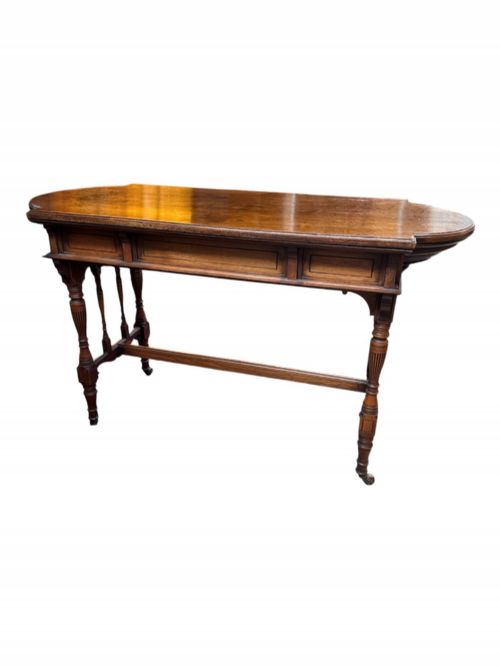
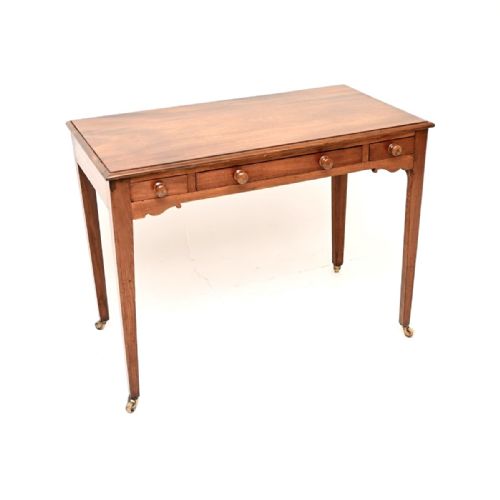
A dark brown library table brings substantial timber and deep grain into a study, offering a working surface built to last centuries.

Dark Brown Library Table
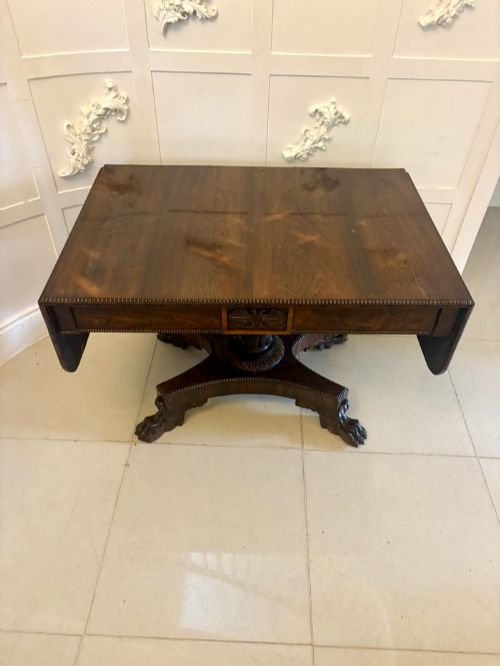
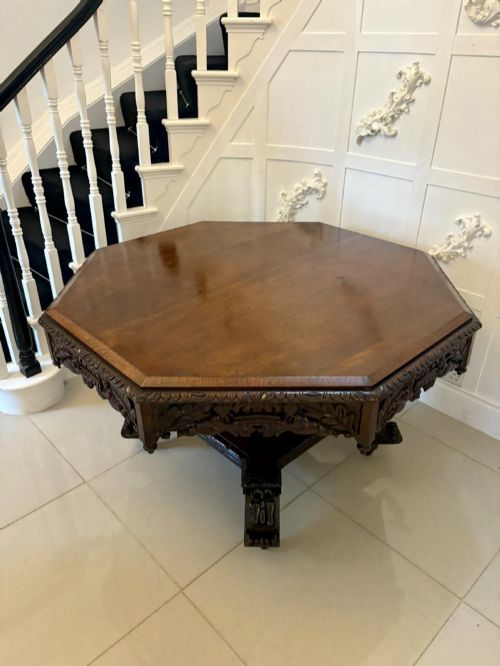
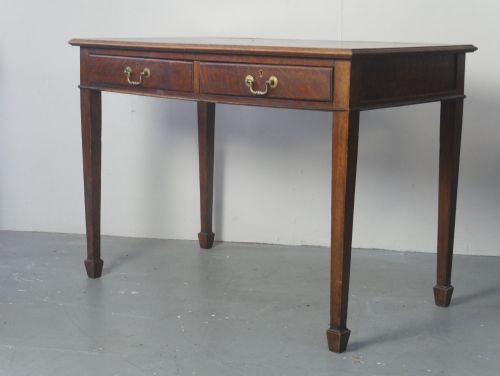
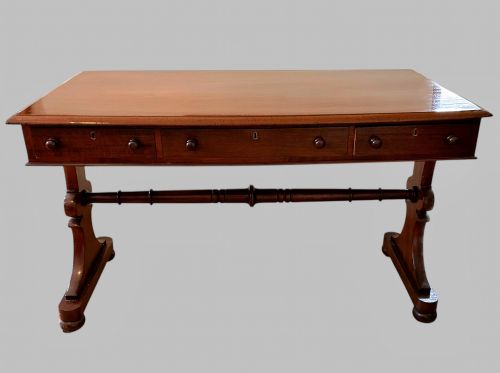
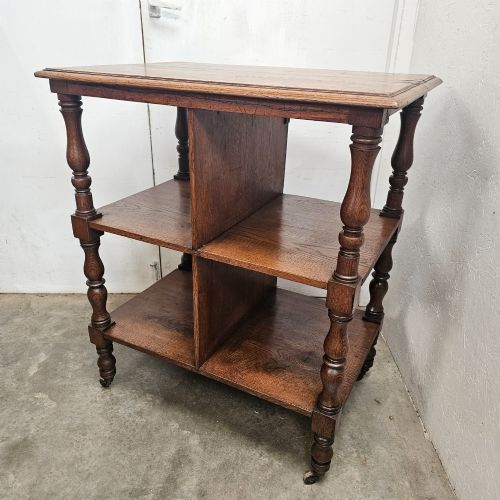
When you search for a dark brown library table, you look at robust workspace furniture designed for heavy volumes and serious study. These pieces typically appear in rich timbers like mahogany, oak, walnut, and rosewood, carrying deep natural patinas developed over generations.
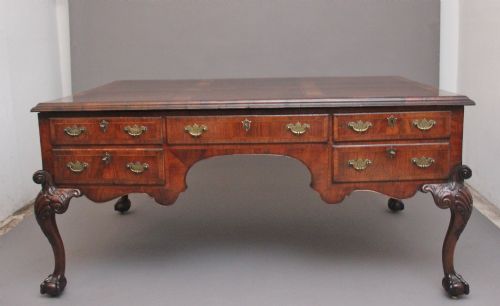
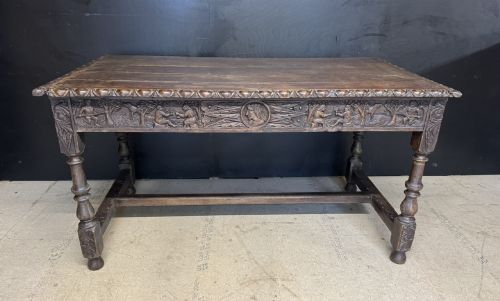
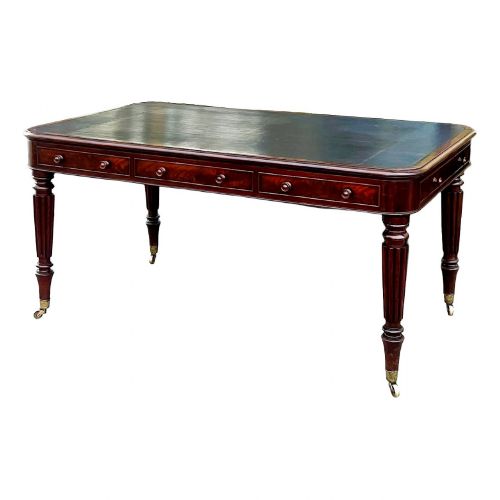
The versions most common on this page date from the Georgian, Regency, and Victorian periods, often taking the form of freestanding writing tables, partners desks, or centre tables. Many incorporate functional drawers, leather insets, and carved details reflecting styles from Chippendale Revival to Gothic Revival.
How they were made
Cabinet makers constructed these tables using solid hardwoods such as mahogany, oak, and walnut, frequently selecting figured veneers to create striking surfaces on top. Brass handles, castors, and structural brackets provided both durability and ease of movement for heavy pieces.
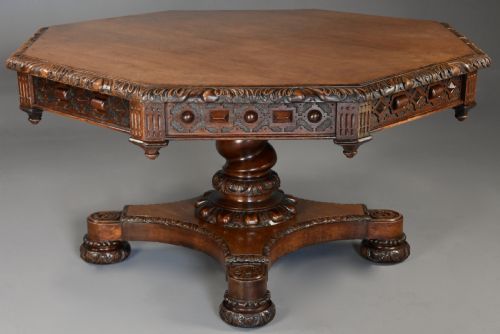
Worksurfaces often featured hand-tooled leather or Moroccan leather insets bordered with blind tooling, glued directly to the timber base. Carved ornamentation, from simple gadroon edges to elaborate oak foliage and Green Man motifs, was executed by hand using traditional chisels and gouges.
Listings span the eighteenth, nineteenth, and early twentieth centuries, featuring materials from oak and mahogany to brass, leather, and glass.
What varies in quality
The depth of timber selection dictates much of the visual weight, with dense, figured grain and well-matched mahogany or rosewood sitting at the upper end of the scale. Construction methods reveal the maker's hand through precise dovetailing in drawer boxes and sturdy internal framing that prevents warping over time.
Carving depth and sharpness separate standard production from exceptional pieces, as deep relief work on oak or mahogany requires skilled carving rather than routine machine shaping. Original surface patination and retained elements like stamped maker marks or matching brass hardware preserve the integrity of the piece.
Trollope and sons·W Priest·Bush of London
The Dark Brown Library Table Glossary
- Partners desk
- A large double-sided writing table designed for two people to sit and work opposite each other. These usually feature banks of drawers on both sides.
- Drum table
- A circular library table with a revolving or stationary top surrounded by a frieze of drawers. The design became popular during the Georgian period.
- Sofa table
- A rectangular occasional table with drop leaves on either side, traditionally placed in front of a sofa. Regency examples often incorporate stretcher bases and brass details.
- Bureau plat
- A freestanding French writing table fitted with drawers across the frieze. These tables typically stand on slender cabriole or tapered legs.
Dark Brown Library Table: Frequently Asked Questions
What is a dark brown library table used for?
These tables served primarily as substantial writing desks, reading surfaces, and central room fixtures in large private libraries or studies. Their sturdy construction allowed them to hold heavy folios, ledgers, and writing equipment.
Today, they function effectively as executive desks, hallway centrepieces, or large dining surfaces in traditional interiors.
How do I identify a Georgian library table?
Georgian examples often feature solid mahogany construction, restrained classical proportions, and fine details such as cockbeaded drawer edges and bracket feet. They rely on proportion and timber grain rather than heavy carving for visual impact.
Later Victorian interpretations tend to be much heavier, frequently incorporating elaborate carved oak motifs, Gothic influences, or rosewood veneers.
Are these tables freestanding?
Many library and centre tables are finished on all four sides so they can stand in the middle of a room rather than against a wall. Partners desks and drum tables are classic examples of fully finished freestanding forms.
Some writing desks intended for specific placement against a wall may have plain backboards, so checking the reverse side is essential before positioning it centrally.
What woods were used for these tables?
Mahogany is the most frequent timber seen across Georgian and Victorian examples, prized for its rich dark brown tone and durability. Oak appears often in earlier or Gothic Revival pieces, while walnut and rosewood provide highly figured alternatives.
Secondary woods like pine or oak were often used internally for drawer linings and carcases.
How do I care for leather-topped tables?
The leather insets on these tables benefit from occasional light conditioning with specialised leather balms to prevent drying and cracking. Avoid using harsh chemical cleaners or excessive water on the surface.
Keeping the timber polished with traditional beeswax preserves the rich dark brown colour and protects the grain from moisture.