

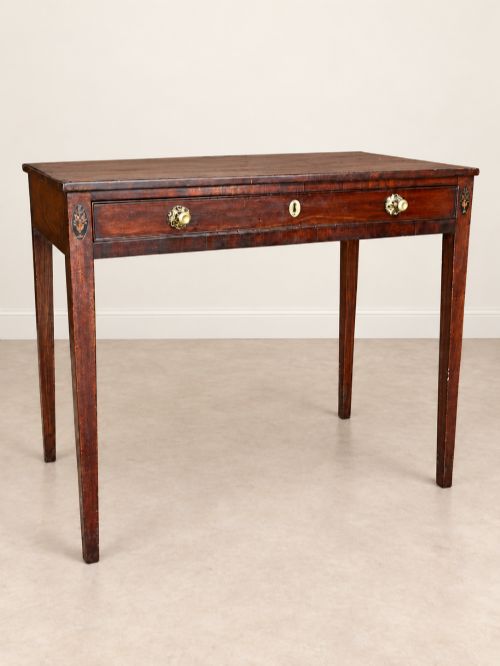
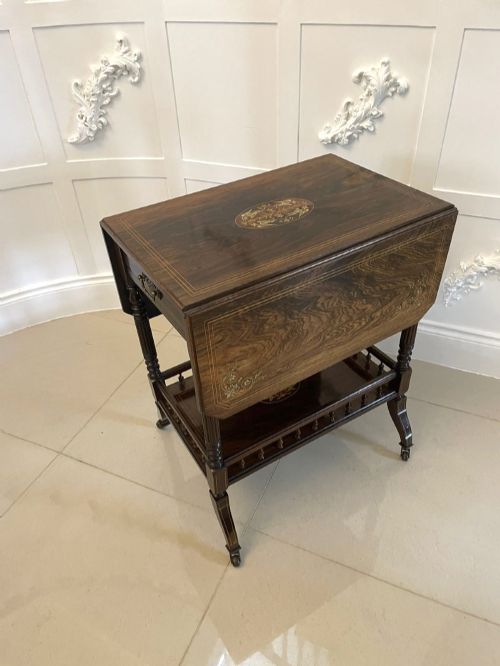
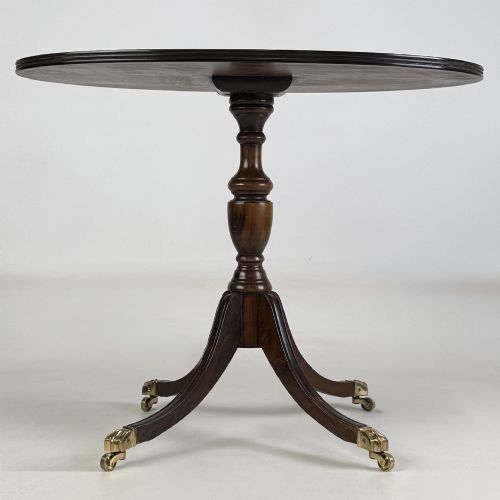
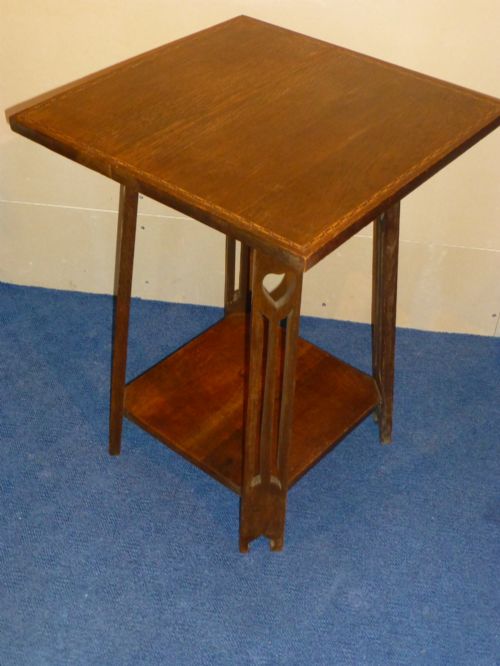
Dark Brown Inlaid Table
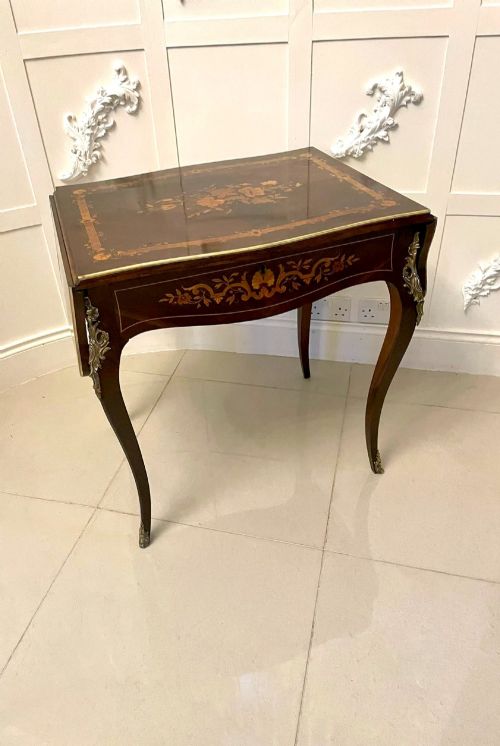
A dark brown inlaid table brings warmth and intricate pattern into a room through rich timber and contrasting stringing.
Dark Brown Inlaid Table
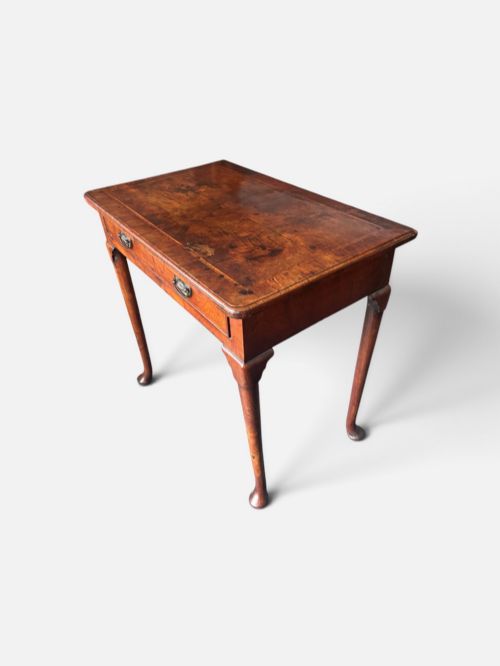
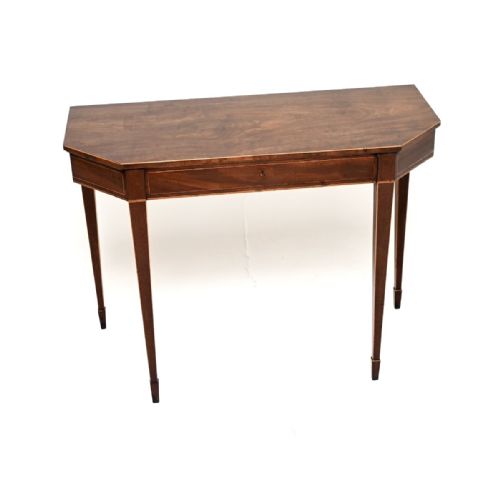
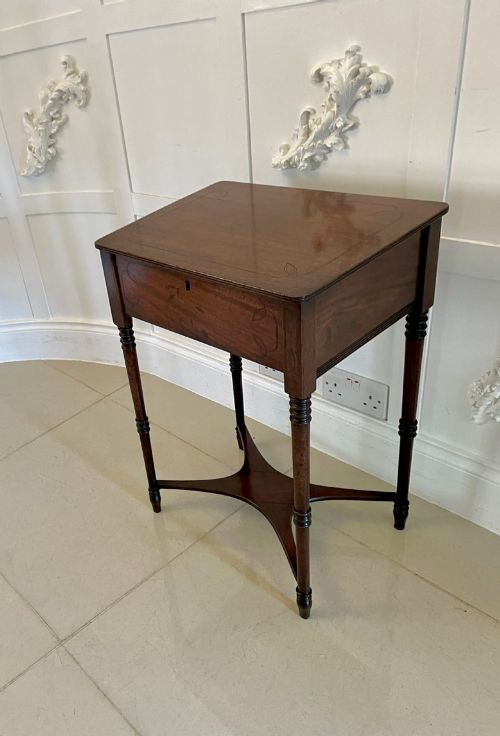
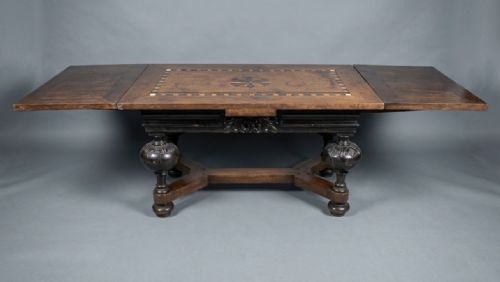
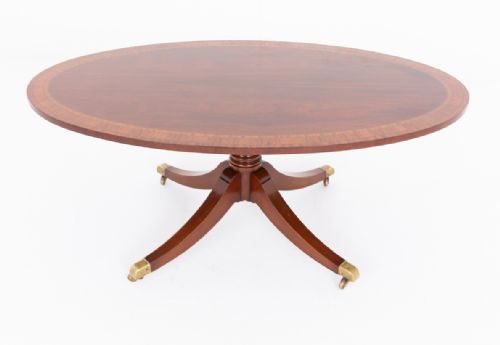
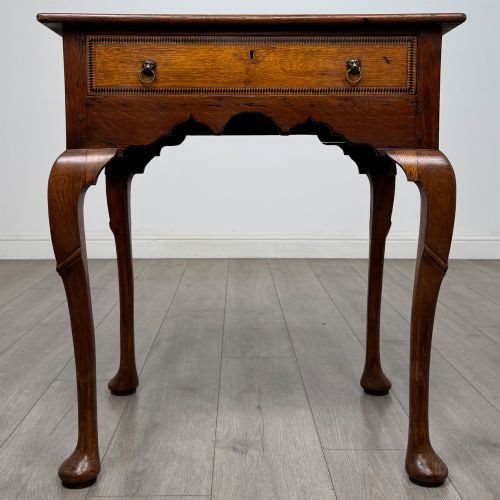
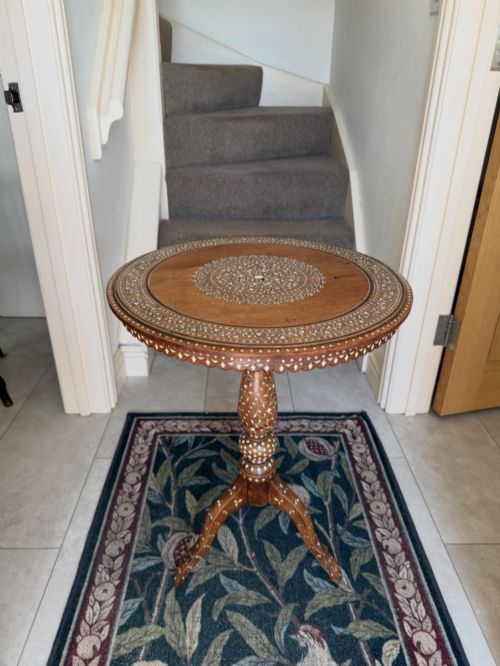
A dark brown inlaid table is a surface decorated with contrasting woods or metal, found across periods from the eighteenth century to the Edwardian era. You will frequently encounter occasional, centre, and side tables in dark timbers like mahogany, rosewood, and walnut.
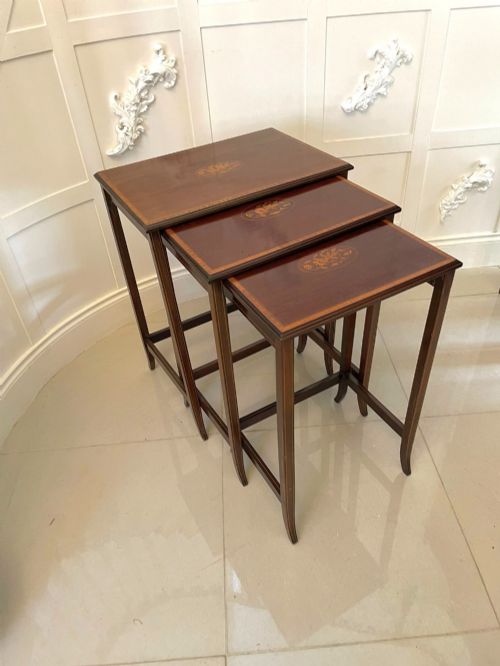
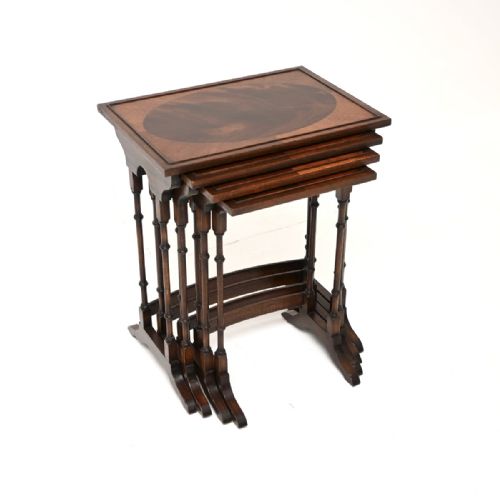
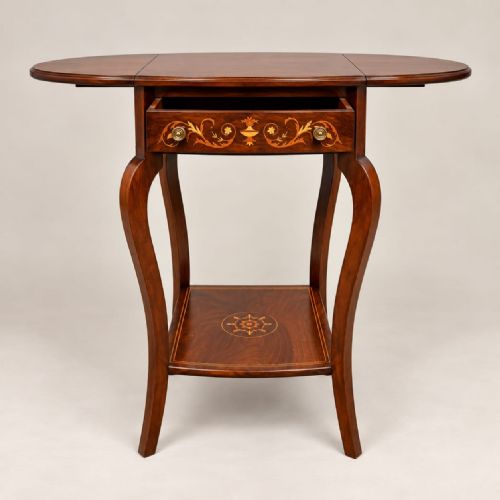
These pieces served practical domestic functions as lamp stands, card tables, and writing surfaces while displaying decorative craftsmanship. The selection ranges from compact Edwardian nests and drop leaf tables to larger Victorian and Regency centre tables.
Originating largely from British workshops alongside continental and Anglo-Indian traditions, these tables reflect changing domestic fashions for figured woods and geometric or floral marquetry. Most examples balance utility with ornamental surface detail designed to catch the eye.
Materials and construction
Cabinet makers built these tables using dense timbers such as mahogany, rosewood, and oak for structural stability and deep natural colour. Surfaces were then enhanced with contrasting lighter inlays including satinwood, boxwood, and brass wire.
Decoration relied on precise woodworking techniques like marquetry, parquetry, and simple stringing to form geometric patterns, foliage, or floral motifs. Wood veneers were carefully laid over solid primary and secondary woods to create stable panels with rich grain movement.
Dark Brown Inlaid Table Retail Price Guide 2026
Typical asking prices for dark brown inlaid table among the pieces listed under this phrase on Sellingantiques today, from the lower quarter to the upper quarter. They describe what is for sale here now, not the wider market.
Listings feature timbers like mahogany, rosewood, oak, walnut, satinwood, and boxwood.
Assessing quality and craftsmanship
Quality rests in the crispness of the inlay work and the harmonious grain of the primary timber, where fine marquetry sits flush with the surrounding wood. Superior examples show meticulous attention to hidden construction details and balanced proportions.
Wear and replacement in the veneer or inlay panels distinguish an untouched piece from one heavily restored. The best items retain their original surface patination and tight joinery without relying on excessive modern intervention.
Liberty & Co.·William Birch
The Dark Brown Inlaid Table Glossary
- Marquetry
- Decorative veneer work forming pictorial or scroll designs by assembling pieces of different coloured woods.
- Parquetry
- Geometric mosaic woodwork used for repeating patterns on tabletops and floors.
- Satinwood
- A pale, lustrous exotic timber frequently utilised for contrasting inlay and stringing.
- Stringing
- A narrow, thin line of contrasting wood inlaid into the surface to outline drawers and borders.
- Drop leaf
- A table with hinged flaps on the sides that can be raised to extend the surface area.
Dark Brown Inlaid Table: Frequently Asked Questions
Where should I place a dark brown inlaid table?
These tables fit naturally beside seating as lamp or occasional surfaces, or stand freely as a centrepiece in a well-lit room.
Keep them away from direct heat sources and strong sunlight to protect the delicate wood veneers and prevent the inlay from drying out.
How do I clean an antique inlaid table?
Dust the surface regularly with a soft, dry cloth to prevent dirt from settling into the fine crevices of the marquetry.
Apply occasional high-grade beeswax to nourish the timber, avoiding synthetic polishes or excessive moisture that can damage the veneer.
How do I distinguish Georgian from Victorian tables?
Georgian tables tend to feature restrained proportions and subtle stringing, focusing on the natural figuring of mahogany or oak.
Victorian and Edwardian versions often display denser marquetry, darker rosewood or walnut timbers, and more elaborate decorative borders.
What is the difference between a centre table and a side table?
A centre table is finished on all sides to stand independently in the middle of a room for display or social use.
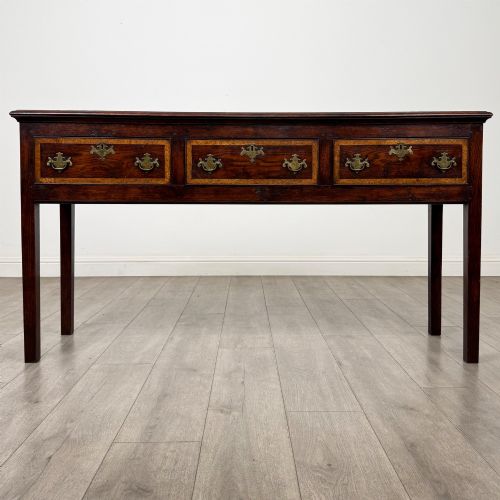
A side table is traditionally built to sit flush against a wall, often featuring drawers or a simplified back edge.