

Dark Brown Dresser
A dark brown dresser brings rich tones and solid storage to a room, offering practical utility through centuries of timber craftsmanship.
Dark Brown Dresser
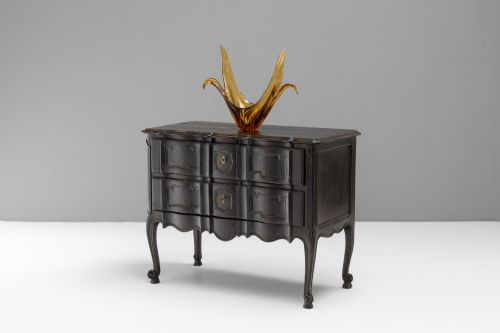
A dark brown dresser encompasses robust storage furniture built from timbers like oak and mahogany across multiple eras. These pieces range from tall chests of drawers to low dresser bases and grand sideboards.
Buyers exploring this selection frequently encounter sturdy oak examples originating from the seventeenth, eighteenth, and nineteenth centuries. Alongside these, refined mahogany iterations from the Georgian and Victorian periods appear regularly.
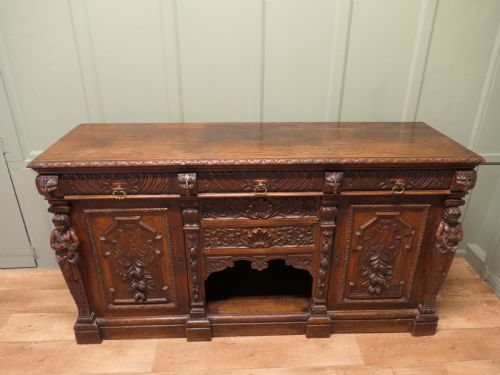
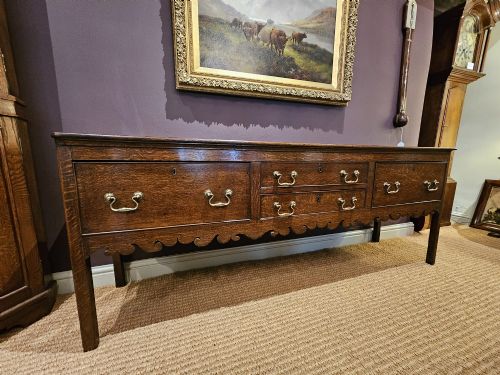
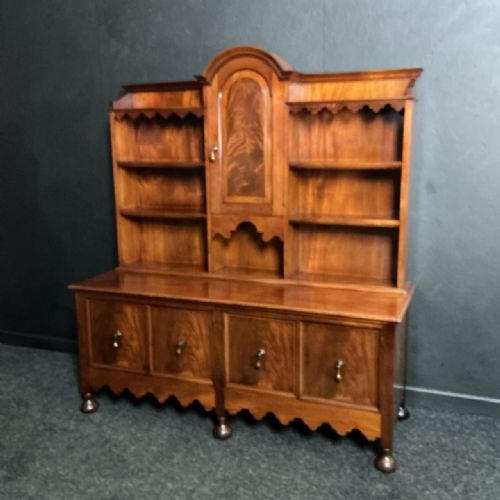
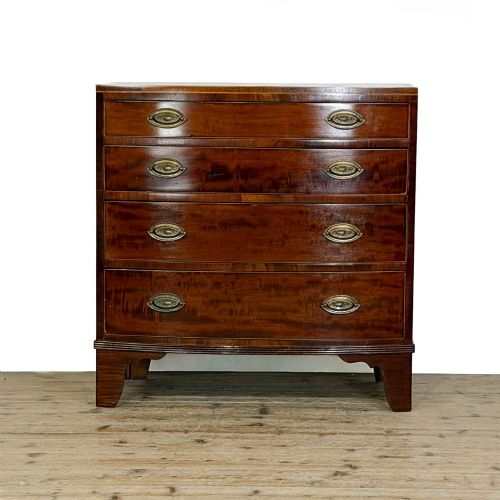
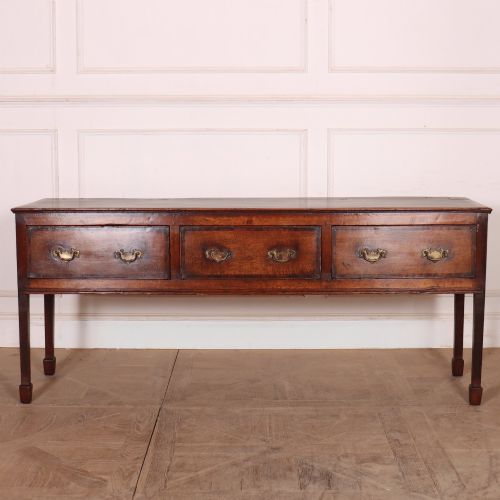
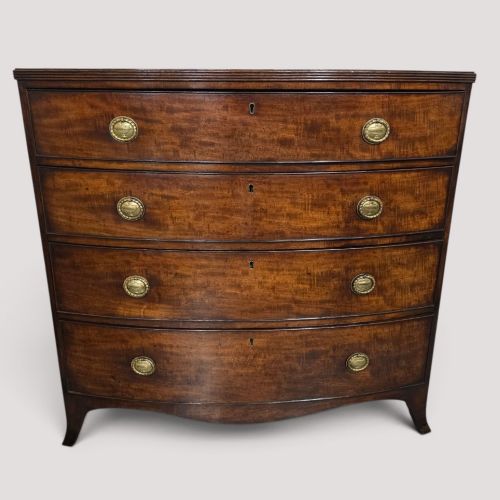
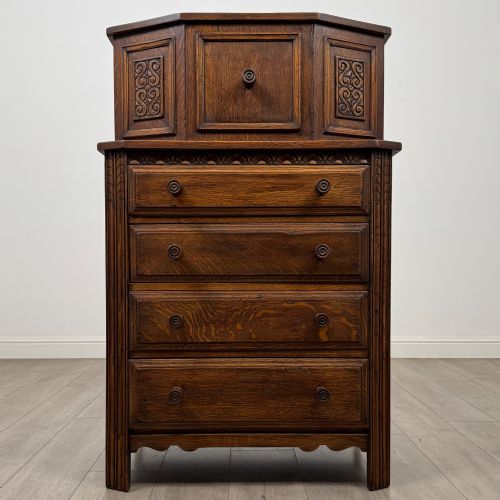
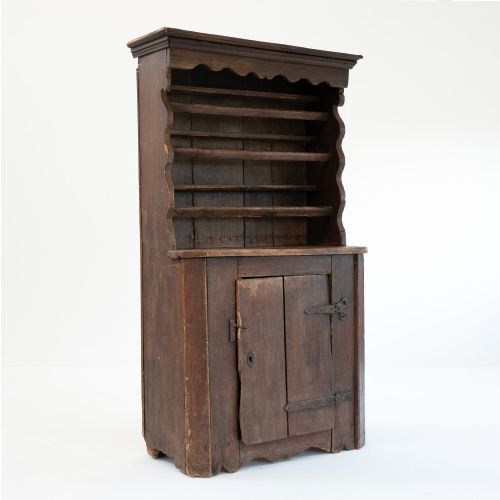
Forms vary from utilitarian housekeeper cupboards and potboard bases to intricately carved Jacobean revival styles and elegant bow front chests. Each variation reflects the domestic needs and prevailing aesthetic of its original period.
Materials and construction methods
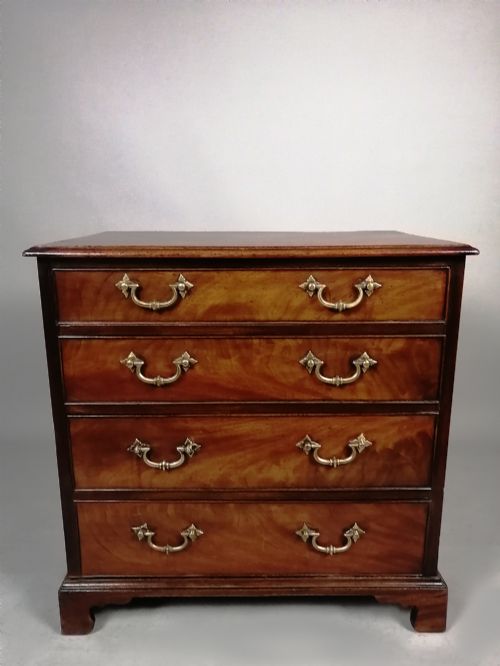
Makers relied primarily on native oak and imported mahogany to construct these heavy storage pieces. Flame mahogany surfaces bring dramatic grain patterns to formal chests, while solid oak provides enduring strength for country dressers.
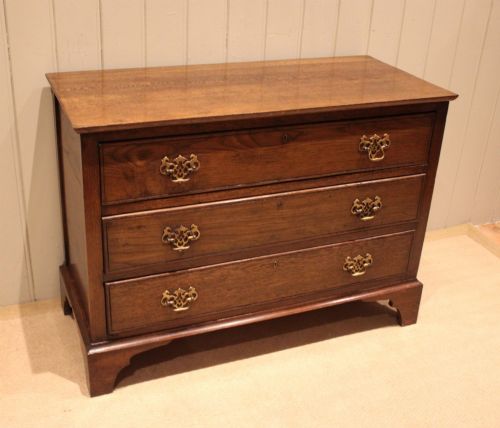
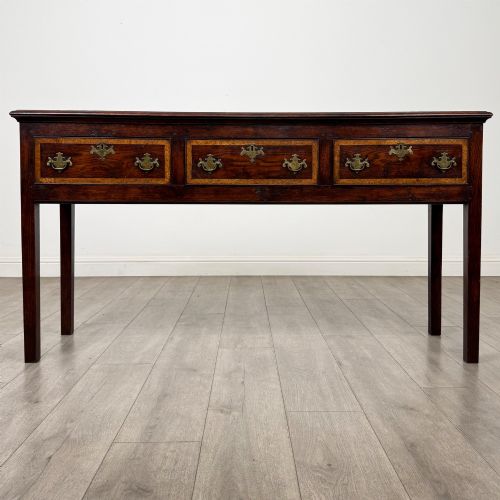
Traditional joinery techniques unite the timber boards, often accompanied by brass drop handles and escutcheons for drawer operation. Iron hardware occasionally secures heavier doors and structural elements on regional pieces.
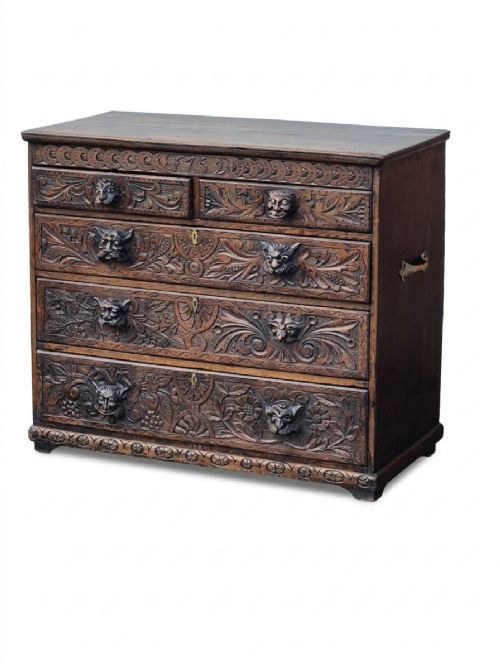
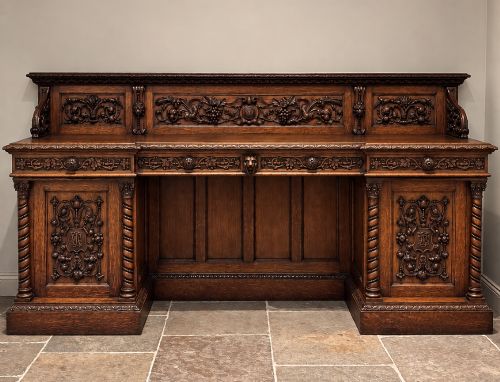
Some Victorian oak cabinets incorporate mischievous Green Man grotesque carvings hiding among the foliage.
Evaluating craftsmanship and condition
Superior examples display deep natural patinas developed through centuries of use, alongside crisp hand-carved details such as geometric moulding or Green Man grotesques. Lesser items may show heavy later alterations or diminished surface depth.
The choice of timber significantly elevates a piece, with figured flame mahogany and well-preserved seventeenth-century oak commanding greater appreciation. Structural integrity in the drawer runners and carcass stability also separate standard items from exceptional survivals.
The Dark Brown Dresser Glossary
- Potboard
- An open lower shelf on a dresser base designed for displaying pottery and heavy kitchen utensils. This practical platform defines many traditional rural forms.
- Bow Front
- A convex curved cabinet front that projects outward at the centre. This decorative shaping appears frequently on nineteenth-century mahogany chests.
- Geometric Moulding
- Raised applied wooden moulding arranged in repeating angular patterns across drawer fronts. It serves as a distinct hallmark of seventeenth-century joinery.
- Cwpwrdd Tridarn
- A traditional Welsh three-tier cupboard built to house household provisions. These large regional pieces often feature panelled doors and carved detailing.
- Escutcheon
- A protective brass plate surrounding a keyhole on a drawer or cupboard door. They frequently complement the matching drop handles.
Dark Brown Dresser: Frequently Asked Questions
Where were these pieces used?
These storage items served primarily in domestic kitchens, dining rooms, and hallways for holding tableware, linens, and provisions. Grand houses utilised larger court cupboards and sideboard bases in formal entertaining spaces.
Simpler regional dressers remained working fixtures in farmhouse interiors, keeping daily dining equipment close to hand.
How do I date an oak dresser?
Dating relies on observing construction methods, handle hardware, and timber patination alongside stylistic details. Early seventeenth-century items often feature geometric mouldings and pegged frames.
Eighteenth-century examples transition towards cleaner drawer arrangements and distinct regional characteristics, while later Victorian revival pieces integrate heavier carved motifs.
What is a dresser base?
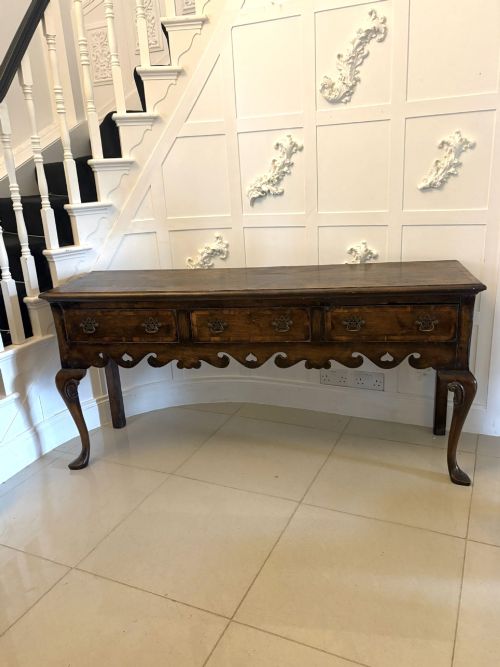
A dresser base is the lower section of a traditional dresser, functioning as a standalone sideboard with rows of drawers above cupboards or an open potboard. These versatile units provided a sturdy surface for food preparation alongside enclosed storage.
Over time, many lost their matching upper plate racks, leaving the robust base to function independently in modern living spaces.
How do I care for dark wood furniture?
Maintaining antique timber requires placing pieces away from direct heat sources and strong sunlight to prevent the wood from drying and splitting. Regular dusting with a soft, dry cloth preserves the finish.
Occasional application of appropriate wax feeds the grain and maintains the historical patina without creating a artificial shine.