


Dark Brown Canvas Art
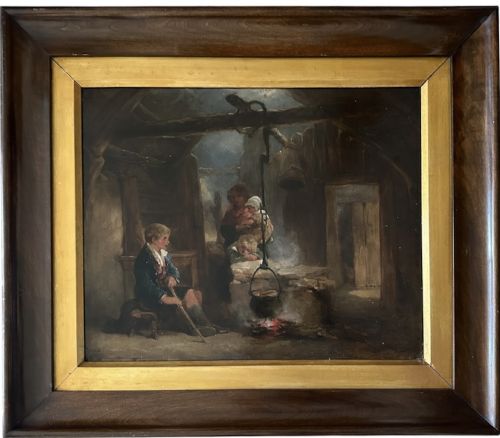
Dark brown canvas art encompasses centuries of historical oil paintings dominated by deep earth tones, rich varnishes and sombre portraiture.
Dark Brown Canvas Art
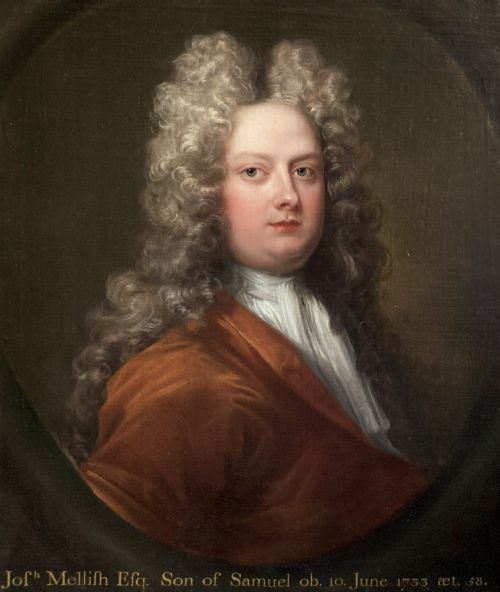
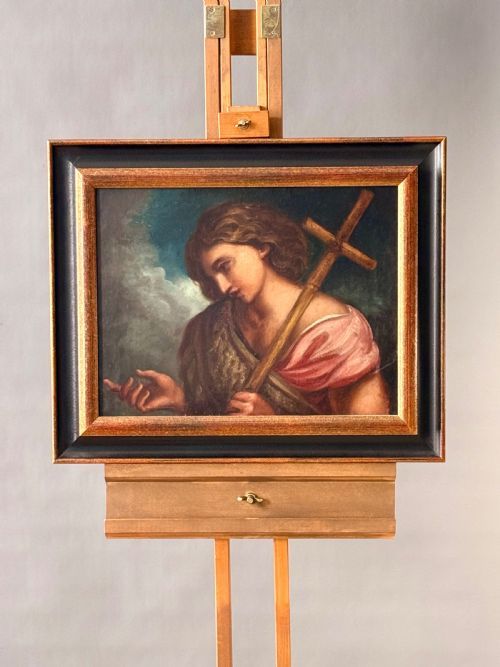
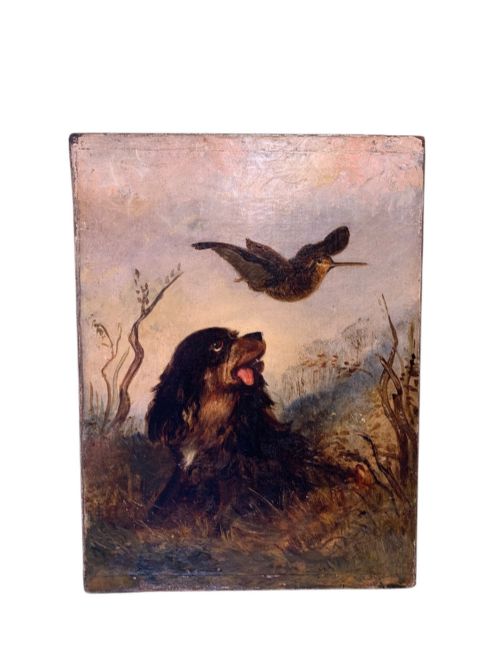
When you search for dark brown canvas art, you encounter centuries-old oil paintings rendered in deep, muted tones and heavy chiaroscuro. The selection spans the seventeenth, eighteenth and nineteenth centuries, bringing together portraits, religious scenes and animal studies from British and continental European schools.
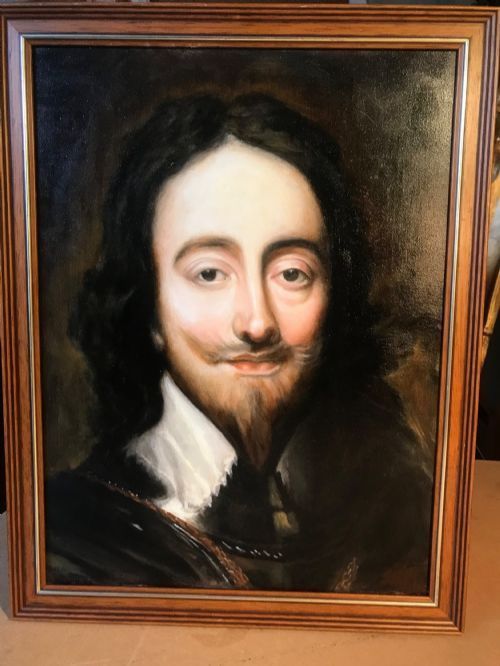
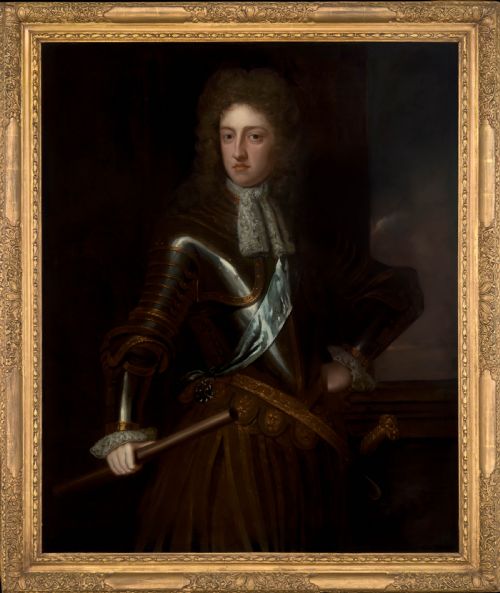
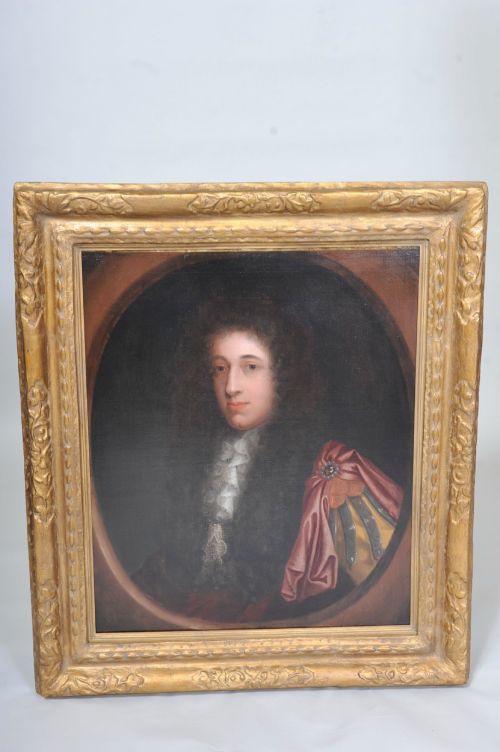
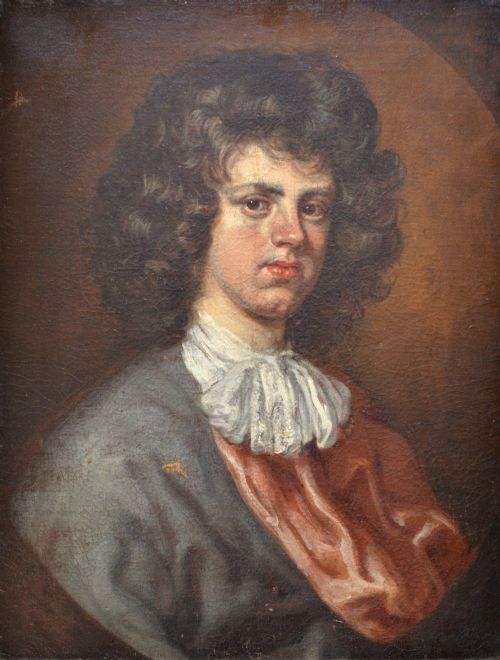
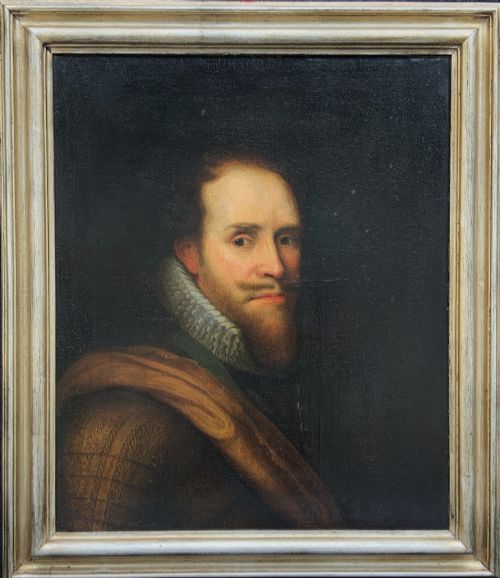
The version most commonly met on this page is the seventeenth-century portrait of a gentleman or nobleman, often framed by dark backgrounds and sombre garments. These works draw their character from aged oil paint and oxidised varnishes that naturally settle into dark brown patinas over time.
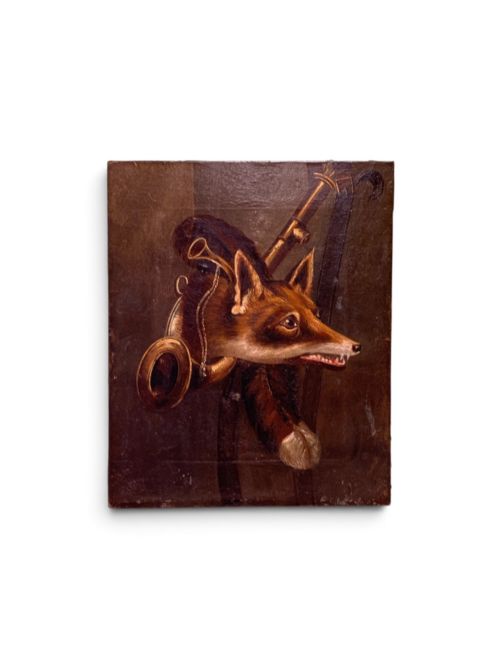
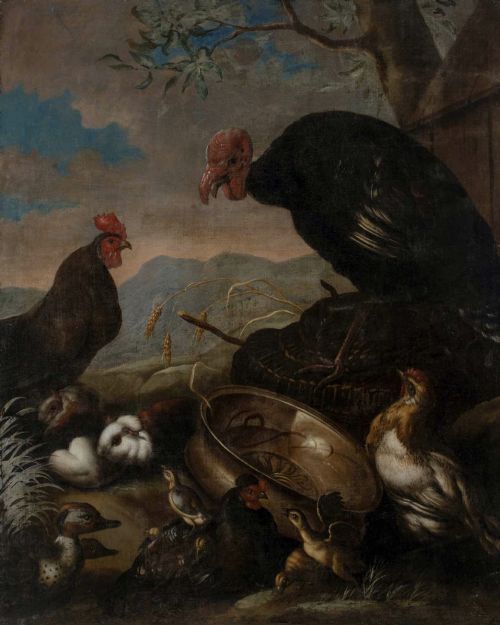
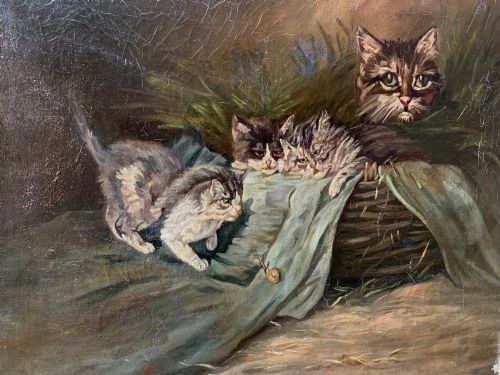
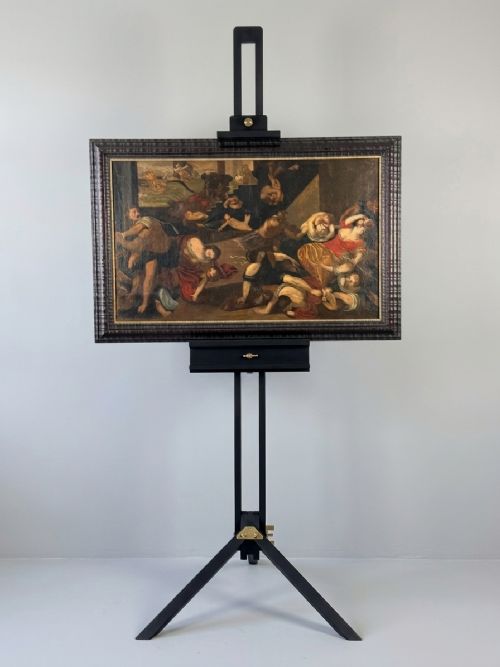
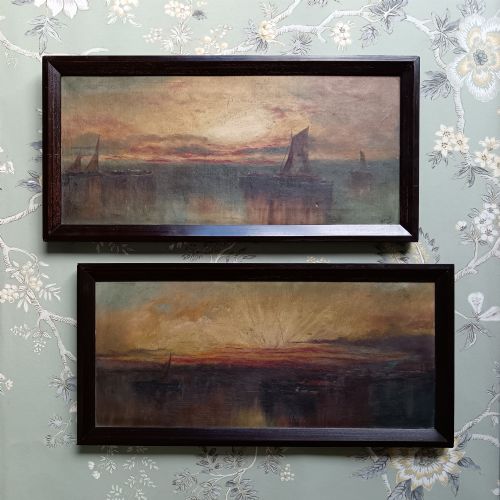
Alongside formal portraiture, the listings include genre scenes, still lifes and sporting art that utilise the same restricted, earthy palette. Dutch and Italian schools appear frequently alongside British works, maintaining a consistent historical depth across varied subject matter.
How they were made
These works rely fundamentally on oil paint applied to woven canvas supports, frequently stretched over wooden frames and occasionally accented with gold leaf. Painters built their compositions through successive layers of pigment, employing dark underpaintings to create deep shadows and moody atmospheres.
Natural ageing processes contribute heavily to the visual character of these pieces, as traditional oil mediums and organic varnishes darken and yellow across the decades. This chemical shift deepens the initial brown and amber hues into the rich, uniform tones seen today.
The listings span from the seventeenth century through the twentieth century, uniting oil on canvas works with traditional wooden frames.
What varies in quality
The distinction between ordinary workshop output and superior execution lies in the handling of light, shadow and anatomical precision. Master painters achieved subtle gradations within dark palettes, whereas lesser hands produced flat, muddy surfaces lacking depth or structural definition.
Condition and originality dictate the standing of individual pieces within this category. Intact original stretchers, minimal intervention in the pigment layers and historic frames separate well-preserved historical works from heavily restored examples.
Charles Jervas·Sir Godfrey Kneller·Mary Beale·Brian Shields Braaq·Florence Small
The Dark Brown Canvas Art Glossary
- Chiaroscuro
- The strong contrast between light and dark, usually bold contrasts affecting a whole composition. This technique creates dramatic depth in seventeenth-century oil paintings.
- Old Master
- A term for a European painter of skill who worked before about eighteen hundred. These artists established the dark, rich colour harmonies typical of early canvas art.
- Provenance
- The chronology of the ownership or location of a historical object. Documented history confirms the authenticity and lineage of antique portraits.
- School
- A group of artists sharing a similar style, time period or geographical location. Listings often attribute works to specific continental or British schools when individual authorship remains uncertain.
- Stretcher
- The wooden frame on which canvas is fixed and pulled taut. Original antique stretchers help verify the age and integrity of oil paintings.
Dark Brown Canvas Art: Frequently Asked Questions
Why are these old paintings so dark?
Centuries of exposure to light, smoke and fluctuating temperatures cause traditional oil mediums and protective resin varnishes to oxidise and darken significantly. Painters also deliberately utilised heavy brown underlayers to create dramatic shadow effects.
Over long periods, this natural chemical ageing process deepens the overall palette, turning once-vibrant tones into the rich dark brown surfaces seen today.
How do I care for antique canvas art?
Antique oil paintings require stable indoor environments away from direct sunlight, high humidity and sudden temperature shifts that cause canvas to slacken or tighten. Professional conservation standards advise against touching the painted surface.
Dusting should be done very gently with a dry, soft, lint-free brush, avoiding any water or cleaning solutions that might damage aged varnishes.
What is an old master painting?
An old master refers to a skilled European artist working in the tradition of western art before the nineteenth century. These painters mastered the use of layered oils on canvas.
Works from these periods often feature complex iconography, formal portraiture and sophisticated handling of dark earth pigments.
How can I tell the period of a painting?
Dating relies on examining the canvas weave, the construction of the wooden stretcher frame, the pigments used and the style of clothing or hair in portraits. Costume historians often pinpoint dates within a narrow decade.
Secondary clues include handwritten inscriptions on the reverse, maker stamps and the type of historic framing accompanying the artwork.