

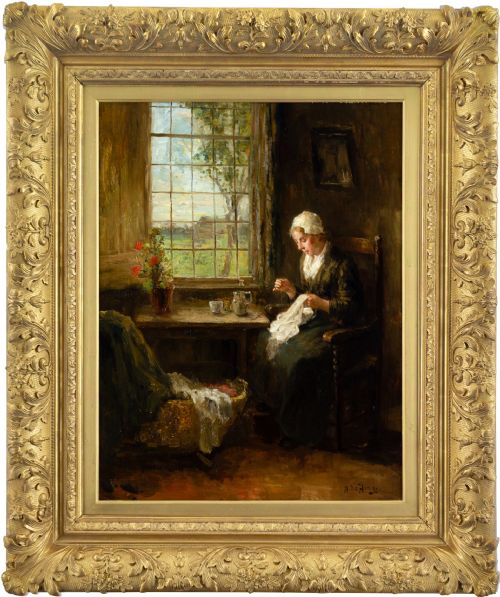


Antique Dutch Oil Portrait
An antique dutch oil portrait brings the quiet depth of the seventeenth century and later eras into a room.
Antique Dutch Oil Portrait
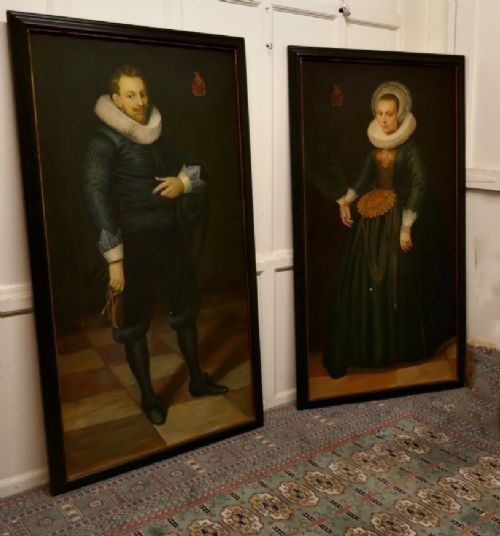
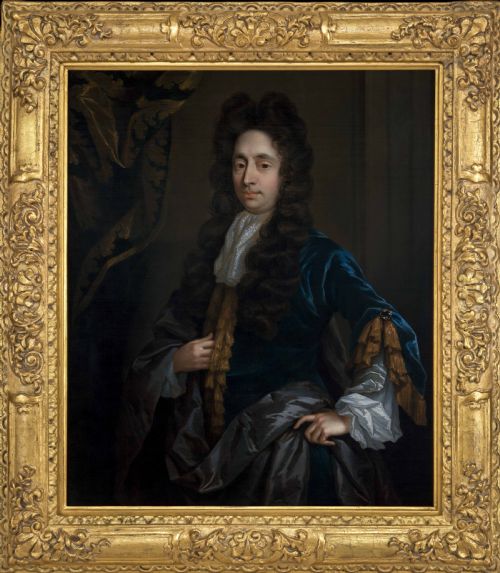
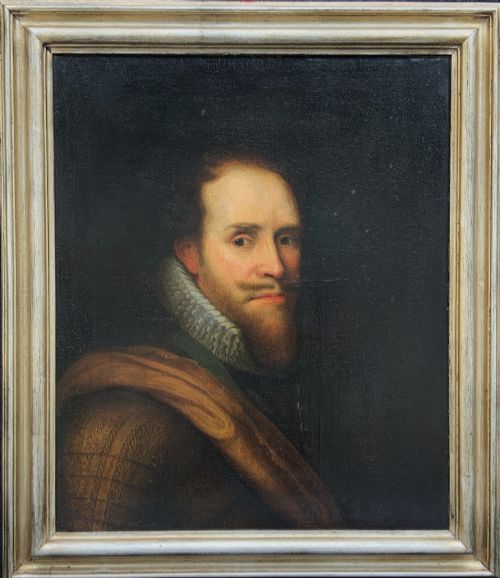
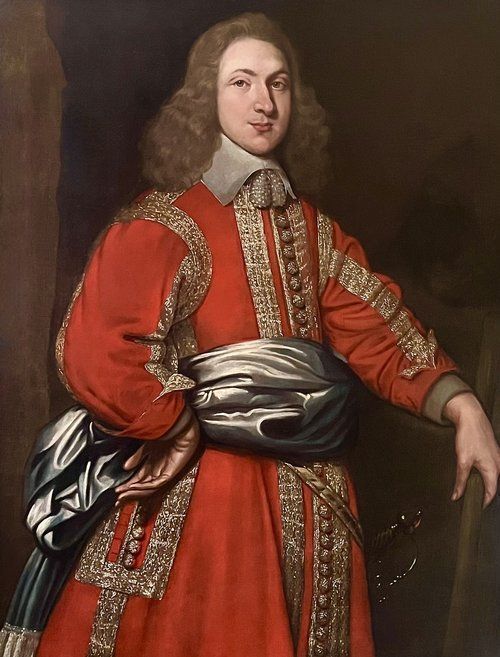
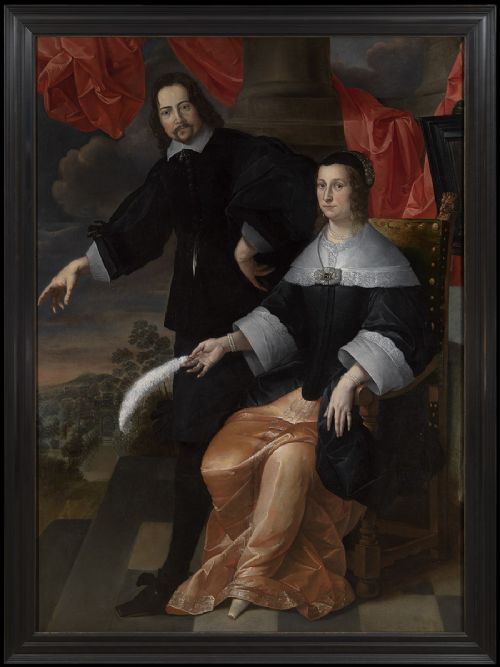
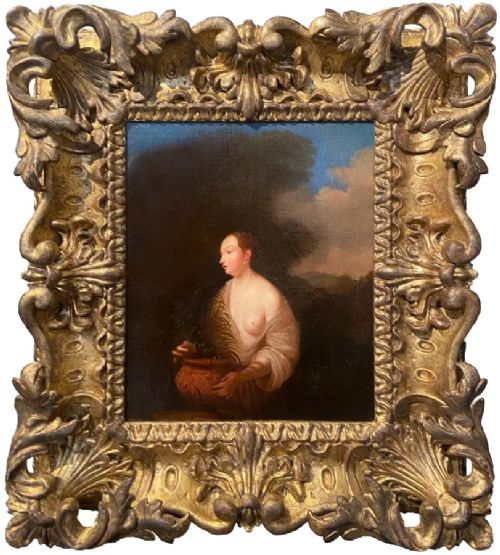
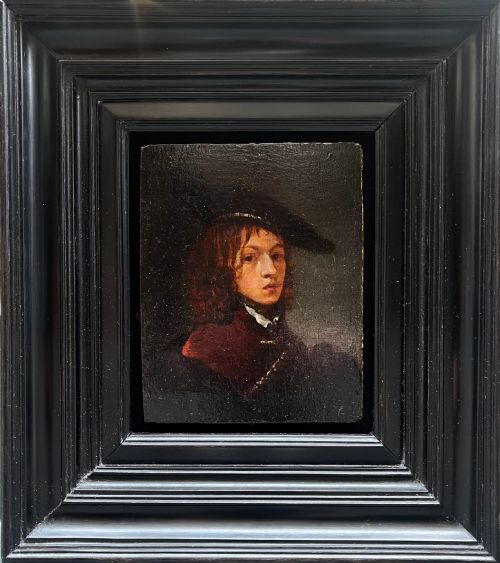
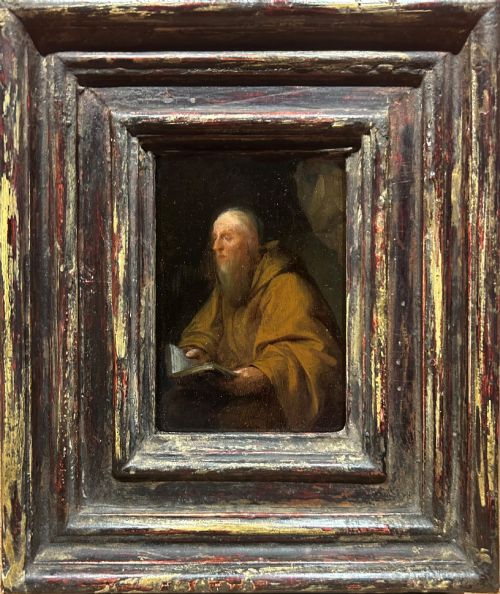
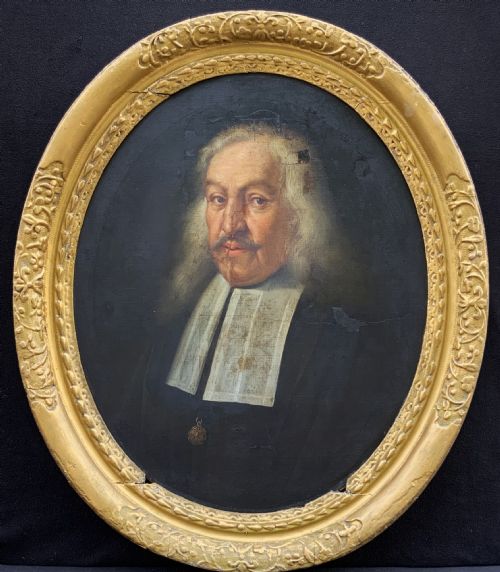
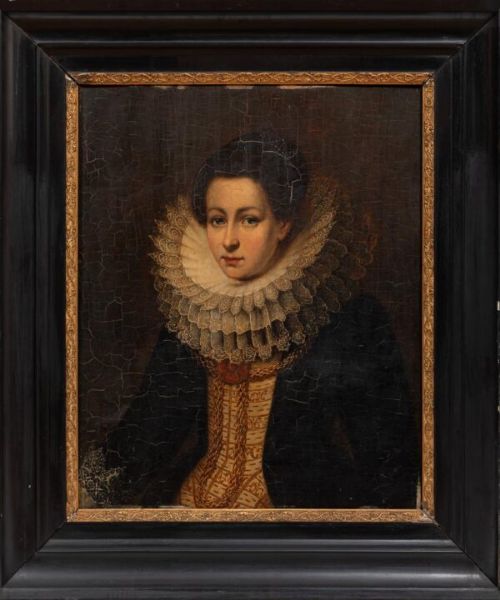
An antique dutch oil portrait captures subjects ranging from military officers and noblemen to ordinary folk in domestic interiors.
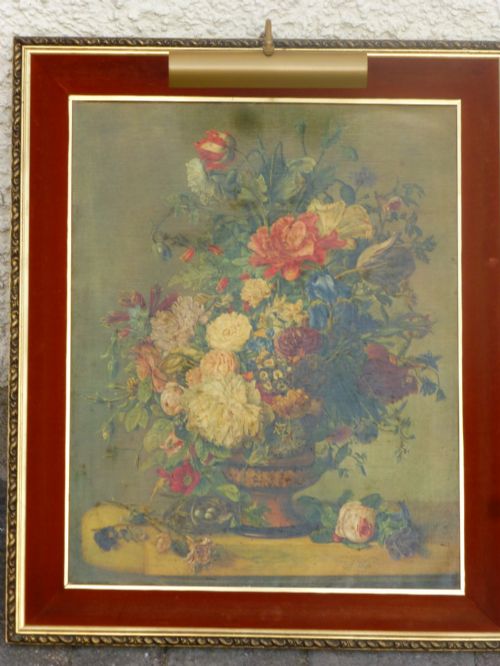
Most examples found on this page date from the seventeenth century through to the nineteenth century, including both original works and later interpretations.
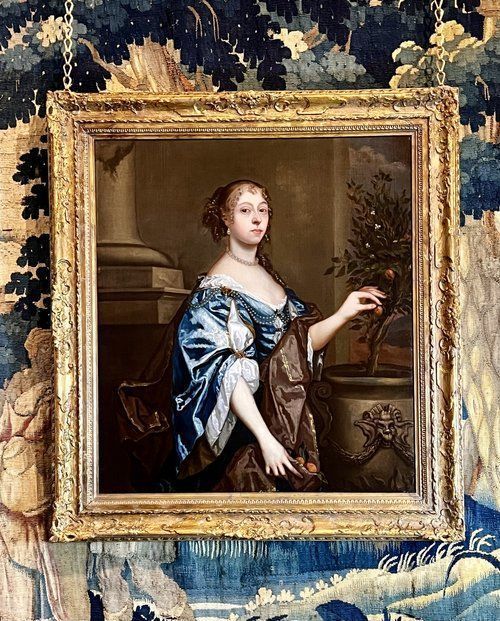
Subjects appear either as single figures or in pairs, frequently framed in period mouldings such as giltwood.
How they were made
Artists painted primarily with oil on canvas or prepared wood panels, building rich layers of pigment to achieve subtle chiaroscuro effects.
Gilt leaf and carved wood frames completed the presentation, protecting the edges and enhancing the visual weight of the composition.
Several subjects are caught mid-task, ranging from peeling oranges and reading old manuscripts to holding jugs in lively tavern interiors.
What varies in quality
Mastery over facial expression, fabric drape and the play of light distinguishes superior studio output from more formulaic workshop copies.
The integrity of the original ground and the subtlety of the remaining pigment layers dictate the overall visual impact of the canvas or panel.
Constantyn Netscher·Pieter Borseler·Toussaint Gelton·Nicolaes Maes·Bernard De Hoog·David Teniers The Younger·Godfried Schalcken·Jan Cossiers·Jozef Israëls·Jacob Huysmans
The Antique Dutch Oil Portrait Glossary
- Oil on Canvas
- A traditional painting medium where pigments suspended in oil are applied to stretched fabric. This combination allows for smooth blending and deep tonal graduation.
- Giltwood
- Wood carved and coated with a thin layer of gold leaf or metallic powder. It provides an ornate and reflective border for formal paintings.
- Old Master
- An umbrella term for European artists of high skill working before the nineteenth century. These painters established enduring standards for portraiture.
- Chiaroscuro
- The strong contrast between light and dark tones within a composition. This technique models three-dimensional volume on a flat surface.
- Ruff Collar
- A pleated fabric neckpiece popular in historical dress. Its intricate folds demand careful technical execution from the portraitist.
Antique Dutch Oil Portrait: Frequently Asked Questions
How do I date an old portrait?
Dating relies heavily on costume details such as collars, lace, and sleeve cuts alongside the painting technique and stretcher construction. Pigment analysis and canvas types also offer clues for narrower timeframes.
Comparison with documented works from the same school helps confirm whether a piece belongs to the active period of its subject or represents a later nineteenth-century revival.
Where should I hang a dark oil painting?
Darker compositions thrive in spaces with controlled accent lighting rather than direct, harsh sunlight. Placing them against neutral or muted walls allows the shadowed tones to hold depth without getting lost.
Rooms with stable humidity levels keep the canvas or wooden panel from expanding and contracting, which preserves the fragile oil layers over decades.
What is the difference between an original and a follower's work?
An original seventeenth-century painting comes directly from the master's hand or close studio during the sitter's era. Works in the manner or circle of an artist are often later interpretations created to capture the same aesthetic.
Both categories hold historical merit, but primary works from the Golden Age carry distinct documentary weight regarding period dress and technique.
How do I care for antique canvas?
Keeping the environment stable and free from sudden temperature swings prevents the underlying fibres and gesso from cracking. Dust should be removed gently with a soft, dry brush without applying pressure to the paint surface.
Professional conservators should handle any cleaning or structural repairs to avoid disturbing historic pigment layers and varnishes.