




Dark Bronze Dog Statuette
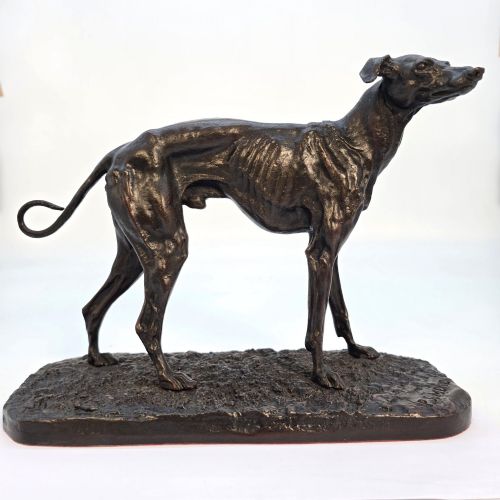
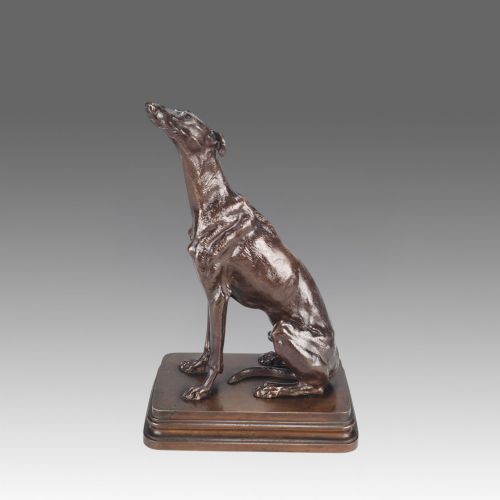
A dark bronze dog statuette brings the muscular realism of nineteenth-century animalier sculpture straight into a modern room.
Dark Bronze Dog Statuette
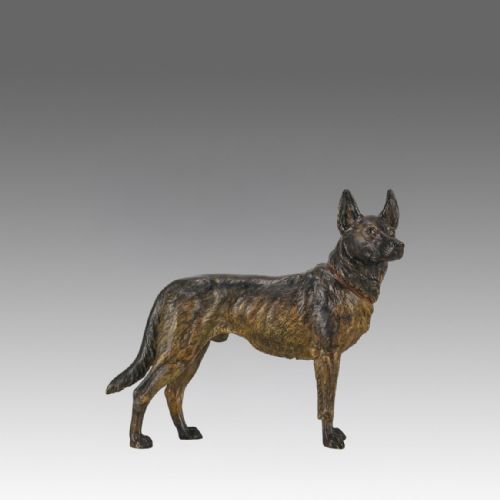
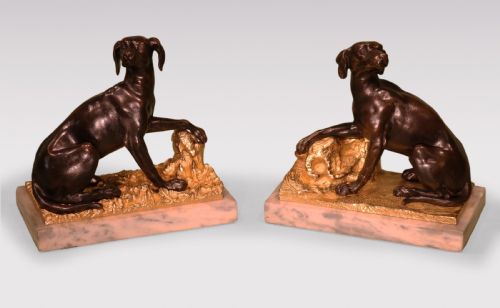
A dark bronze dog statuette captures hounds, setters, terriers, and bull-type breeds in patinated or cold-painted metal, often mounted upon heavy marble bases. These sculptures range from French animalier studies of the nineteenth century to early twentieth-century Vienna bronze works.
Buyers encountering this search phrase will most frequently find nineteenth-century French animalier pieces and early twentieth-century cold-painted figures. The subjects extend from hunting hounds with pheasants to seated bassets and standing terriers.
The objects take the form of small sculptures, figurines, and statues designed for tabletop display. Many pieces record specific breeds such as the Lévrier, Alsatian, and Basset Anglais.
How they were made
Artisans cast these figures using bronze, sometimes combining the metal with ormolu mounts or mounting the sculptures upon marble plinths. Cold-painted bronze pieces received polychrome painted surfaces applied over a metallic base.
Foundries such as Barbedienne utilised traditional casting methods to produce detailed animal forms. Patination treatments created the characteristic dark surfaces seen on nineteenth-century French animalier bronzes.
Even cast in heavy metal, the terracotta-hued paint on a cold-painted bulldog still manages to look defiant.
What varies in quality
Quality rests upon the crispness of the casting and the sensitivity of the modelling, which distinguishes works by named sculptors from anonymous workshop output. The depth and durability of the patination or the preservation of cold-painted pigments also determine the standing of an individual piece.
The integration of secondary materials like ormolu or the quality of the marble base affects the overall presence of the sculpture. Finer casts retain sharp musculature and accurate anatomical detail down to the texture of the dog's coat.
Alfred Dubucand·Franz Bergman·Edith Parsons·Antoine Louis Barye·Barbedienne
The Dark Bronze Dog Statuette Glossary
- Animalier
- A nineteenth-century artistic movement focused on the realistic depiction of animals, particularly in sculpture. Practitioners captured beasts in naturalistic poses.
- Cold-Painted Bronze
- Bronze sculpture decorated with cold-applied paint rather than fired enamel. This technique gained prominence in Vienna workshops during the early twentieth century.
- Patinated Bronze
- Metal treated with chemical solutions to produce a darkened or coloured surface finish. This layer protects the metal while defining the contours of the sculpture.
- Ormolu
- Gilded bronze used for decorative mounts and accents. It provides a bright metallic contrast to dark patinated bronze surfaces.
Dark Bronze Dog Statuette: Frequently Asked Questions
What is a dark bronze dog statuette?
It is a small metal sculpture depicting a canine subject, cast in bronze and finished with a dark patina or cold-painted colours. These pieces originate mainly from the nineteenth and early twentieth centuries.
Many examples were created by European animalier sculptors who studied animal anatomy closely. They frequently incorporate marble bases for stability and display.
How were these dog figures used?
Owners placed them on desks, mantelpieces, and library tables as decorative ornaments. They served as expressions of sporting interests and canine companionship.
Wealthy patrons collected works by prominent animalier artists to display their taste in contemporary sculpture. The smaller figures were portable items suited for interior decoration.
How do I care for bronze dog sculptures?
Keep the metal clean by dusting gently with a soft, dry cloth. Avoid using liquid cleaners or chemical polishes that can strip the original patina.
Protect cold-painted pieces from direct sunlight to prevent the pigments from fading. Display them in stable indoor environments away from excessive moisture.
How are nineteenth-century bronzes identified?
Look for artist signatures, foundry stamps, and casting marks inscribed into the bronze base. The character of the dark patina and the style of the mounting offer further clues to the period.
Nineteenth-century animalier bronzes often display distinct anatomical modelling typical of French and Viennese schools. Comparing the casting quality helps separate original period pieces from later reproductions.