


Dark Bronze Boy Statue
A dark bronze boy statue brings figurative depth to a room, cast in metal and patinated to catch the light.
Dark Bronze Boy Statue
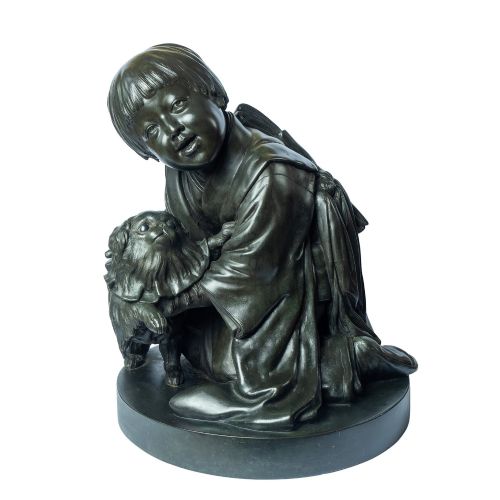
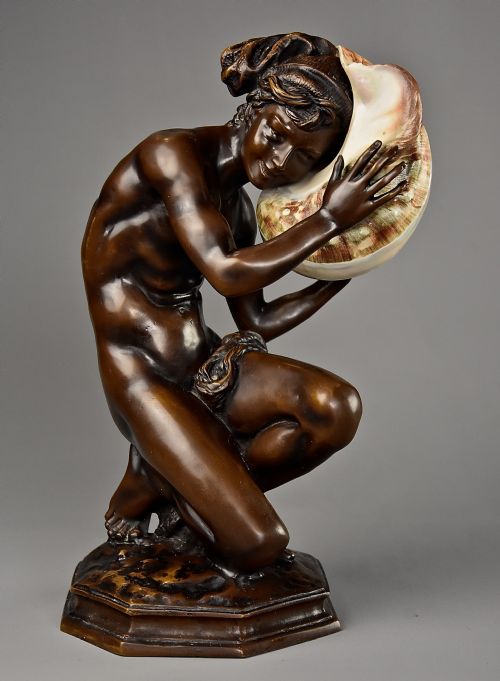
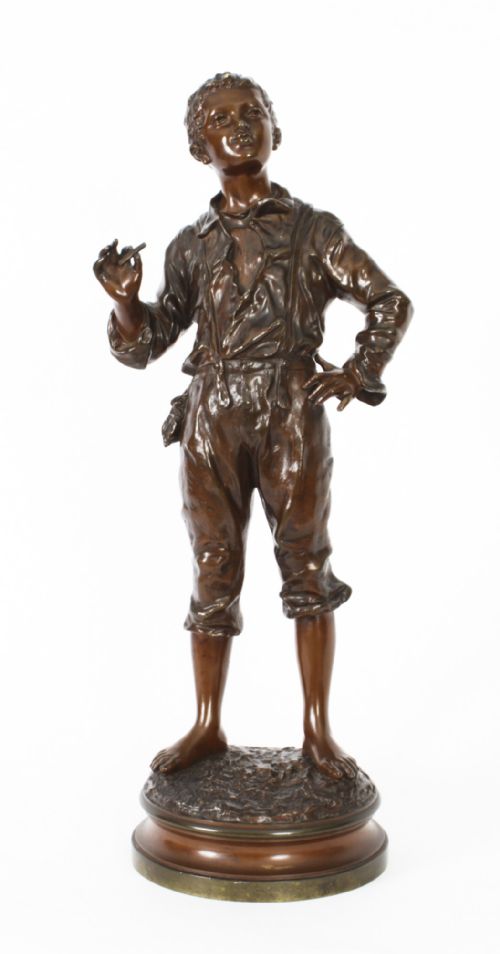
A dark bronze boy statue captures youth in metal, ranging from classical figures to nineteenth century French realism and Meiji period okimono. When searching for a dark bronze boy statue, collectors encounter pieces depicting fishers, scholars, musicians, and street urchins across the nineteenth and early twentieth centuries.
The objects appear as sculptures, statues, and figurines, often mounted on marble bases or standing alone. French academic works and Vienna bronze pieces sit alongside Japanese bronze okimono and Grand Tour interpretations of classical subjects.
Makers and sculptors sign many of these works, recording individual artistic hands from periods such as the Victorian era and the late nineteenth century. The forms vary from intimate tabletop statuettes to larger garden statues.
Materials and casting methods
The pieces employ bronze as the primary medium, shaped through traditional metal casting techniques and finished with a dark patina. This surface treatment deepens the tone of the metal, accentuating the contours of the figures.
Selected works incorporate marble elements, providing structural contrast and stable bases for the metal sculptures. Metal alloys are manipulated to render intricate details such as clothing folds, hair texture, and narrative accessories.
Listings feature works from French, Italian, Austrian, Chinese, and Japanese origins, spanning the mid-nineteenth century to 1930.
Assessing quality in bronze figures
Quality rests in the crispness of the casting and the sensitivity of the chisel work applied after the metal leaves the mould. Superior examples retain sharp facial expressions, expressive hands, and clean delineation of garments and objects.
The depth and uniformity of the dark patina influence the visual impact, along with the integration of any marble plinth. Signed pieces by recorded sculptors demonstrate distinct artistic provenance that elevates the standing of the work.
MASAAKI·Jean-Baptiste Carpeaux·Julien Lorieux·Carl Kauba·Barbedienne·Giuseppe Renda·Charles Anfrie·Emile victor BLAVIER·Lavergne·Eugene Laurent
The Dark Bronze Boy Statue Glossary
- Patina
- A surface coloration or film formed on bronze through age or chemical treatment. This dark finish defines the visual character of the metal.
- Okimono
- A Japanese decorative statue designed for display on a shelf or in a tokonoma alcove. These objects often depict figures, animals, or daily scenes in bronze.
- Grand Tour
- A nineteenth century travel custom where educated Europeans collected classical art and small bronzes. Copies of ancient statues like the Spinario typify this practice.
- Spelter
- A zinc alloy frequently used as a substitute for bronze in decorative figures. Understanding the metal content distinguishes true bronze from alternative compositions.
- Lost wax casting
- A method where a wax model is melted out and replaced with molten metal. This technique allows for complex undercuts and fine sculptural detail.
Dark Bronze Boy Statue: Frequently Asked Questions
What periods do these bronze boy statues come from?
The pieces span the nineteenth century and the early twentieth century, including Victorian, Meiji period, and 19th Century French Realism examples.
Dates recorded in the listings range from mid nineteenth century works up to the 1930s, reflecting diverse international casting traditions.
How do I identify a Japanese bronze okimono?
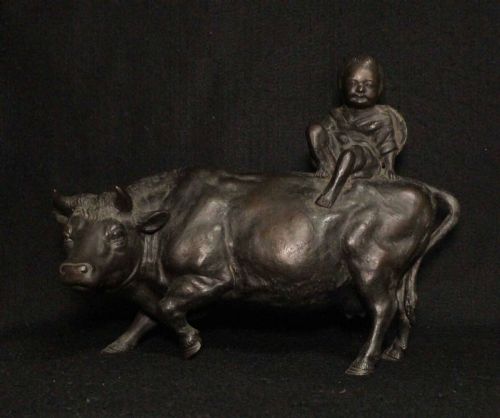
Japanese okimono from the late nineteenth and early twentieth centuries often depict narrative scenes, such as boys riding cows or interacting with animals.
These pieces showcase distinct Eastern casting styles and subject matter distinct from European academic or Grand Tour bronzes.
Where were these statues displayed originally?
Smaller sculptures and statuettes served as tabletop ornaments in nineteenth century parlours, studies, and drawing rooms.
Larger garden statues and substantial figures were placed on terraces or within interior architectural spaces to command attention.
What is a Grand Tour bronze?
Grand Tour bronzes are souvenir sculptures collected by travellers visiting classical sites in Italy and Greece during the nineteenth century.
Famous ancient subjects, such as the Spinario, were reproduced in bronze for collectors seeking classical aesthetics.