






French Realist Bronze Statue
A french realist bronze statue captures the honest labour and daily life of the nineteenth century through enduring metal.
French Realist Bronze Statue
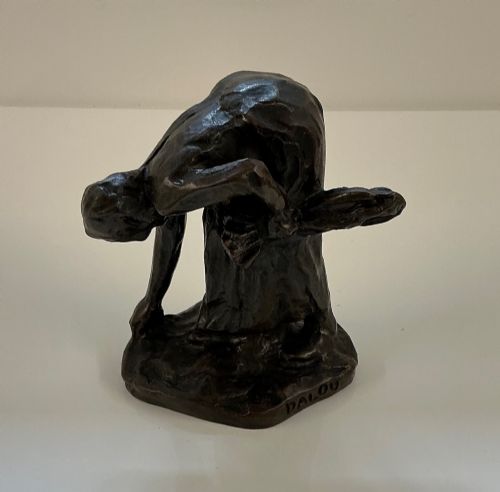
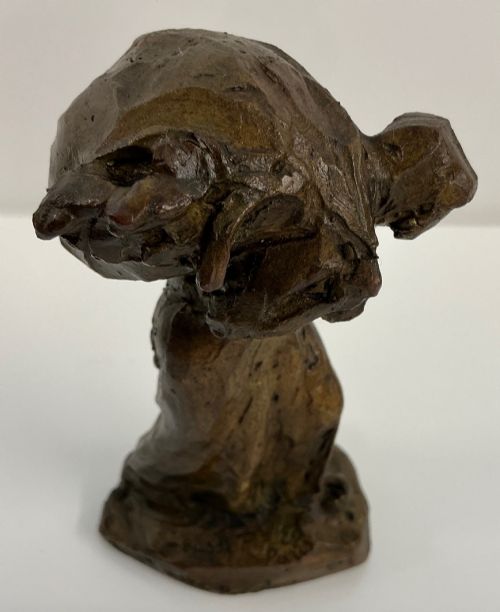
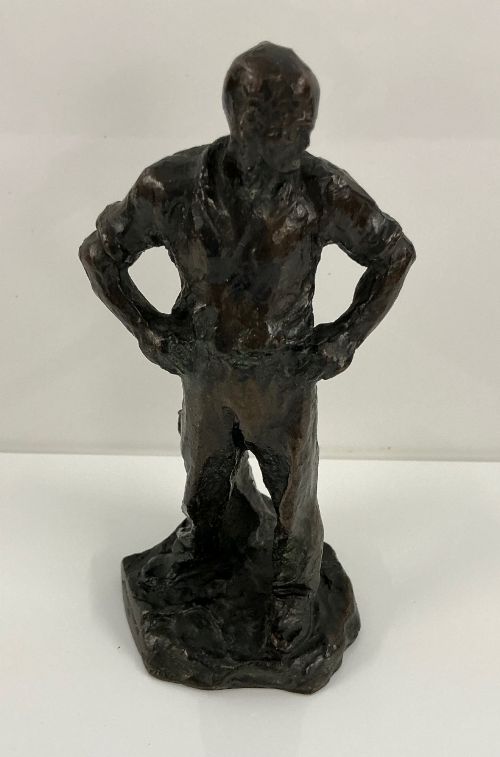
A french realist bronze statue focuses on labourers, agricultural workers, animals, and street figures rather than mythological or classical heroes. These works emerge from nineteenth-century France, reflecting a shift towards depicting everyday existence with directness and gravity.
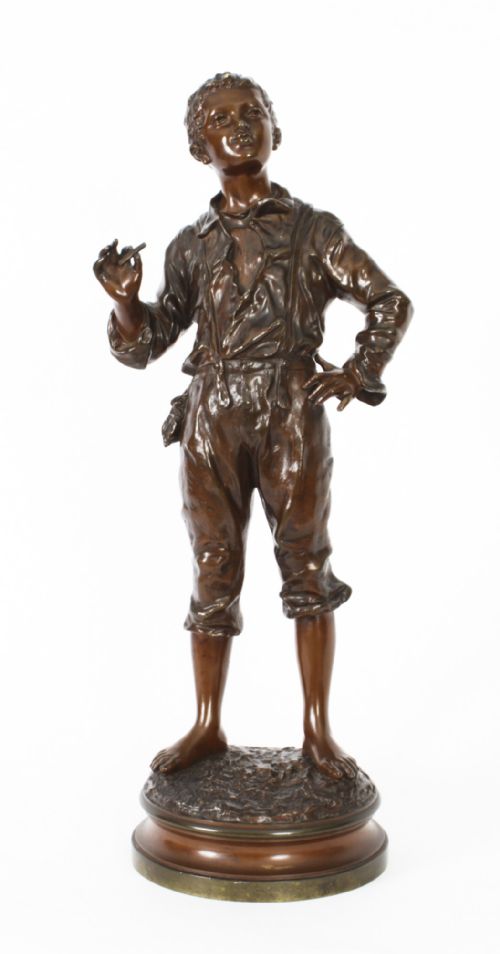
You will most frequently encounter sculptures portraying figures like milkmaids, quarrymen, woodsmen, and street urchins, often cast in patinated bronze and mounted on marble bases. The pieces span periods from the mid-nineteenth century through to Edwardian editions dated around nineteen-ten.
Makers and founders such as Susse Freres translated these modelled subjects into solid bronze through traditional foundry methods. The resulting figures range from intimate cabinet statuary to larger exhibition bronzes.
How They Were Made
The creation of a french realist bronze statue relies on the lost-wax casting method or sand casting, which allows intricate details like clothing textures, tools, and facial expressions to transfer from the original clay or wax model into molten metal. Founders then finished the raw castings by hand with chisels and files to sharpen the contours.
Patination is applied to the metal surface using chemical treatments and heat to achieve rich dark patinas that enhance the modelling and protect the bronze from oxidation. Many figures are subsequently mounted on turned or slab marble plinths, providing both visual weight and physical stability.
French Realist Bronze Statue Retail Price Guide 2026
Typical asking prices for french realist bronze statue among the pieces listed under this phrase on Sellingantiques today, from the lower quarter to the upper quarter. They describe what is for sale here now, not the wider market.
Listings feature works in bronze, patinated bronze, and metal, frequently paired with marble and wood.
What Varies in Quality
The distinction between a standard casting and a superior french realist bronze statue lies in the crispness of the chase work and the subtlety of the surface patination. Skilled chasing recovers fine details lost during the casting process, ensuring hands, implements, and garments retain their anatomical and structural definition.
Foundry marks and signatures inscribed in the bronze or the base indicate the level of production oversight, with established houses like Susse Freres maintaining rigorous standards. The quality of the marble mount and the integration between the bronze figure and its base also differentiate the workshop output.
Jules Dalou·E Drouot·Antoine L Barye·Arthur Waagen·Joaquim Angles·Susse Freres·Charles Anfrie·Isidore Bonheur·Charles Octave Levy
The French Realist Bronze Statue Glossary
- Patina
- The surface coloration and chemical film developed naturally over time or applied intentionally with heat and chemicals. This treatment enhances the visual depth of the metal.
- Animalier
- A nineteenth-century artistic genre and style dedicated to the realistic portrayal of animals, particularly dogs, horses, and livestock. Practitioners studied live specimens to capture authentic anatomy and behaviour.
- Lost-wax casting
- A historic metalworking process where a molten metal is poured into a mould that has been created by melting away a wax model. This technique allows for complex undercuts and fine surface details.
- Foundry mark
- An official stamp or cast signature applied by the producing workshop or foundry to identify the manufacturer. These marks assist in authenticating the origin of the bronze.
French Realist Bronze Statue: Frequently Asked Questions
What is a french realist bronze statue?
These sculptures depict everyday workers, animals, and street figures rather than classical or allegorical subjects, originating mainly in nineteenth-century France.
Artists aimed to capture social realities and honest labour, portraying figures such as quarrymen, milkmaids, and woodsmen with direct observation.
How do I identify the period?
Dating relies on stylistic markers, foundry stamps, and signatures inscribed directly into the bronze base by the sculptor.
Nineteenth-century examples often display rich dark patinas and realistic costuming, while Edwardian pieces extend these traditions into the twentieth century.
Where should I display these sculptures?
Bronze figures require a stable surface capable of supporting their substantial weight, particularly when mounted on heavy marble plinths.
Placing them away from direct heat sources helps preserve the stability of the patinated surface and any underlying wooden or marble components.
What is the difference between animalier and realist figures?
Animalier works concentrate specifically on the anatomy and movement of animals, whereas broader realist pieces focus on human labourers and domestic scenes.
Both movements shared a commitment to natural observation during the nineteenth century.