
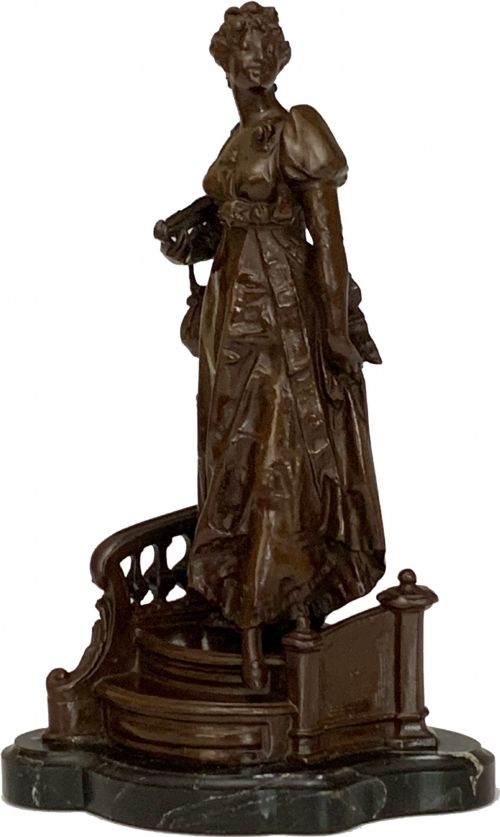


Cast Bronze Figural Sculpture
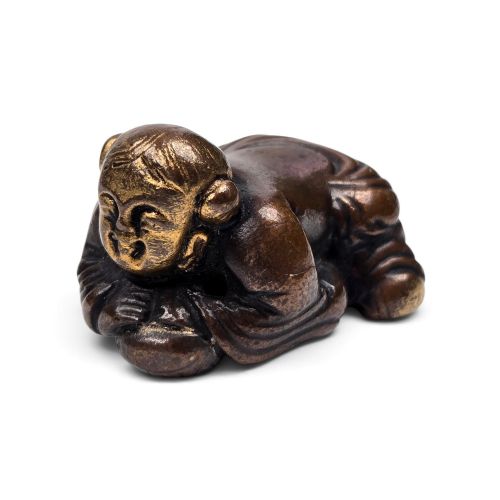
Cast bronze figural sculpture brings human and animal forms to life through metal, offering collectors tactile pieces of historical artistry.
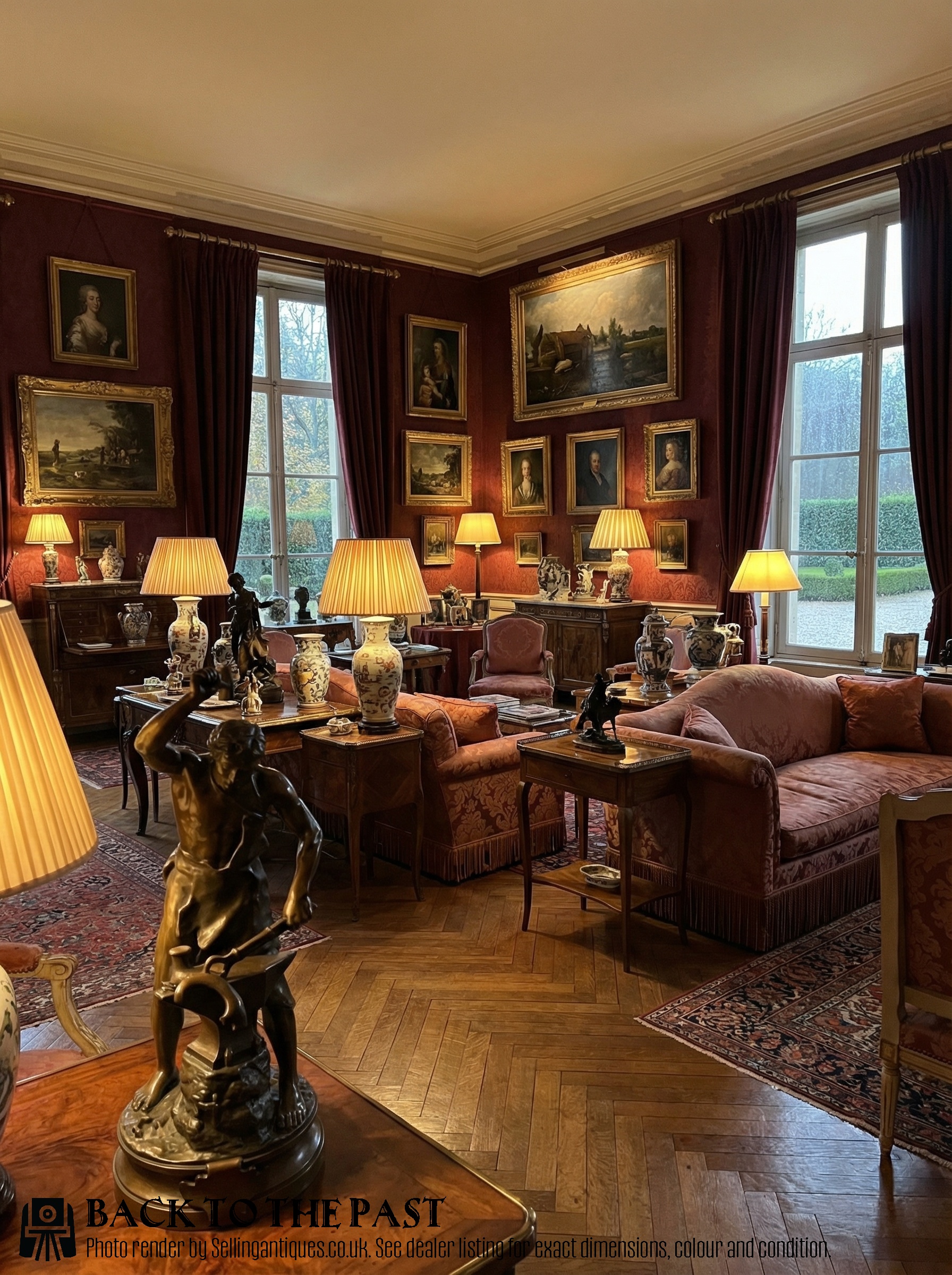
Cast Bronze Figural Sculpture
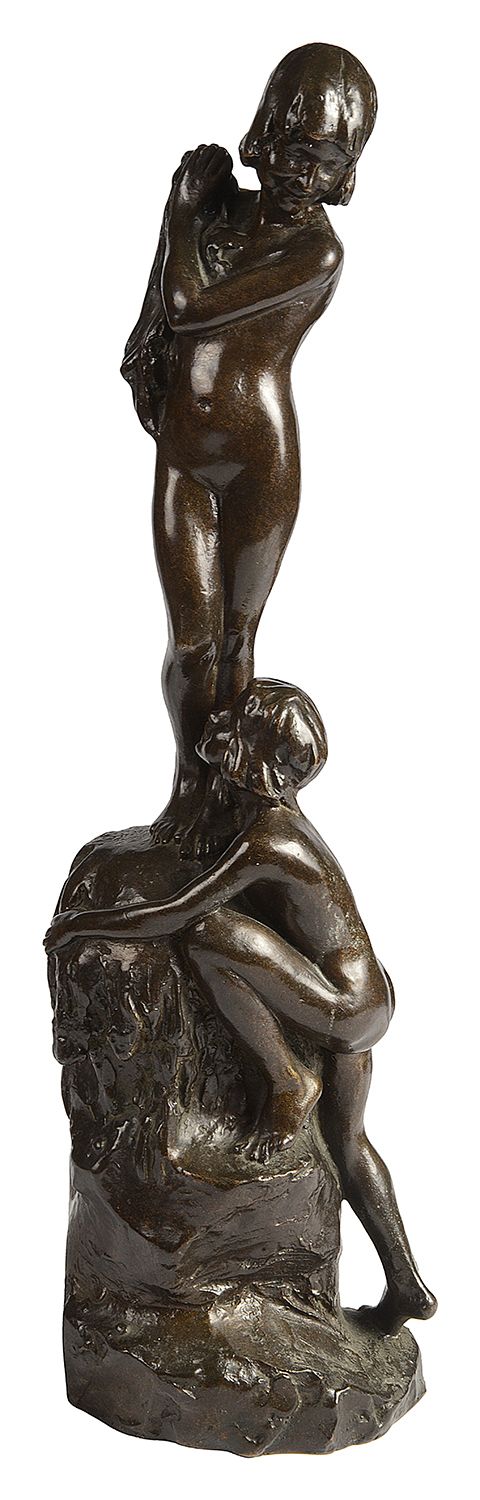
When you search for cast bronze figural sculpture, you encounter works spanning from the sixteenth century to the mid-twentieth century, including figures derived from classical, Art Nouveau, and Orientalist movements.
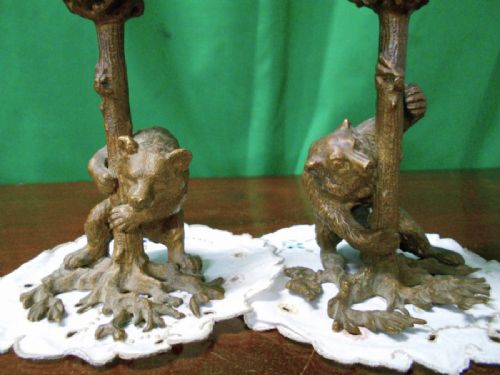
The objects on this page range from standalone statues and desk paperweights to functional items like table lamps, candlesticks, and inkwells that incorporate figural elements.
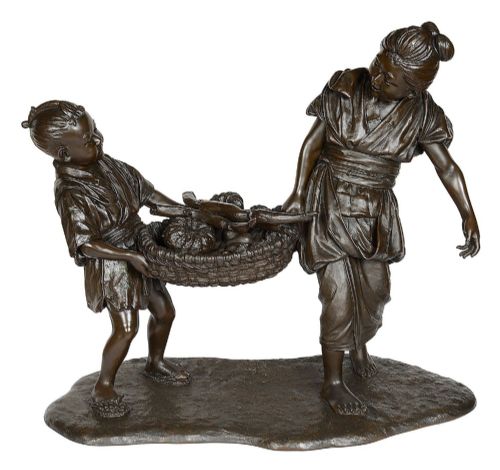
Nineteenth-century French and Japanese pieces appear frequently, alongside representations of children, mythological subjects, and literary characters.
Materials and Techniques
Foundries utilised traditional casting methods to shape bronze, frequently applying patination to achieve varied surface colours and textures on the metal.
Makers occasionally combined bronze with materials such as marble bases, fabric shades, brass components, and oak to complete sculptural lamps and desk objects.
Selective fire-gilding and cold-painted finishes appear on specific pieces, adding chromatic detail to the cast metal surface.
Bears carved from Black Forest wood occasionally share display space with their bronze counterparts, keeping strict company.
Distinguishing Quality in Castings
The crispness of the chasing and the finesse of the finishing work dictate the visual strength of a cast bronze figural sculpture, separating routine foundry production from masterworks.
Georges Van Der Straeten·Emmanuel Villanis·Auguste Moreau·Antoine Bofill·Bruno Zach·Adrien Gaudez
The Cast Bronze Figural Sculpture Glossary
- Patination
- The chemical treatment or natural weathering applied to the bronze surface to alter its colour. This process enhances the depth and visual warmth of the metal.
- Spelter
- A zinc alloy commonly used as a substitute for bronze in decorative figures and lamps. It is lighter and softer than true bronze.
- Okimono
- A Japanese freestanding decorative sculpture designed for display on a shelf or in a tokonoma. These objects often depict figures, animals, or daily scenes.
- Putti
- Depictions of plump, winged infant cherubs frequently found in classical and nineteenth-century art. They often appear playing with grapes or supporting lamps.
Cast Bronze Figural Sculpture: Frequently Asked Questions
How do I distinguish bronze from spelter?
Bronze is heavier, harder, and develops a deeper metallic resonance when tapped compared to spelter. Examination of the underside often reveals the greyish metal beneath a worn surface finish.
True bronze holds fine chisel marks and crisp details from the chasing process much better than the softer zinc alloy.
Were these sculptures made as lamps originally?
Many nineteenth-century figural works were conceived purely as standalone sculptures or inkwells before being converted into lighting fixtures later in their history. Other pieces, particularly from the Art Nouveau period, were designed from inception to incorporate lamp fittings and shades.
Inspect the wiring channels and mounting points to determine whether a lamp adaptation occurred during the period of production or at a later date.
What is cold-painted bronze?
Cold-painted bronze refers to figures finished with natural oil or enamel paints applied without heat after the casting and patination stages. This technique allowed makers to achieve vibrant polychrome effects on Orientalist figures and animal studies.
Care is required when cleaning these pieces, as the unbaked pigments remain vulnerable to moisture and harsh solvents.
How do I identify the period of a cast?
Dating relies upon stylistic markers, foundry stamps, and the character of the patination rather than the subject matter alone. Nineteenth-century castings often bear distinct foundry cachets or artist signatures incised directly into the bronze base.
Comparing the casting quality to known works by documented sculptors helps establish the likely timeframe of production.