
Antique French Desk Lighting
Antique french desk lighting brings character and focused illumination to a workspace through period brass, bronze, and porcelain.
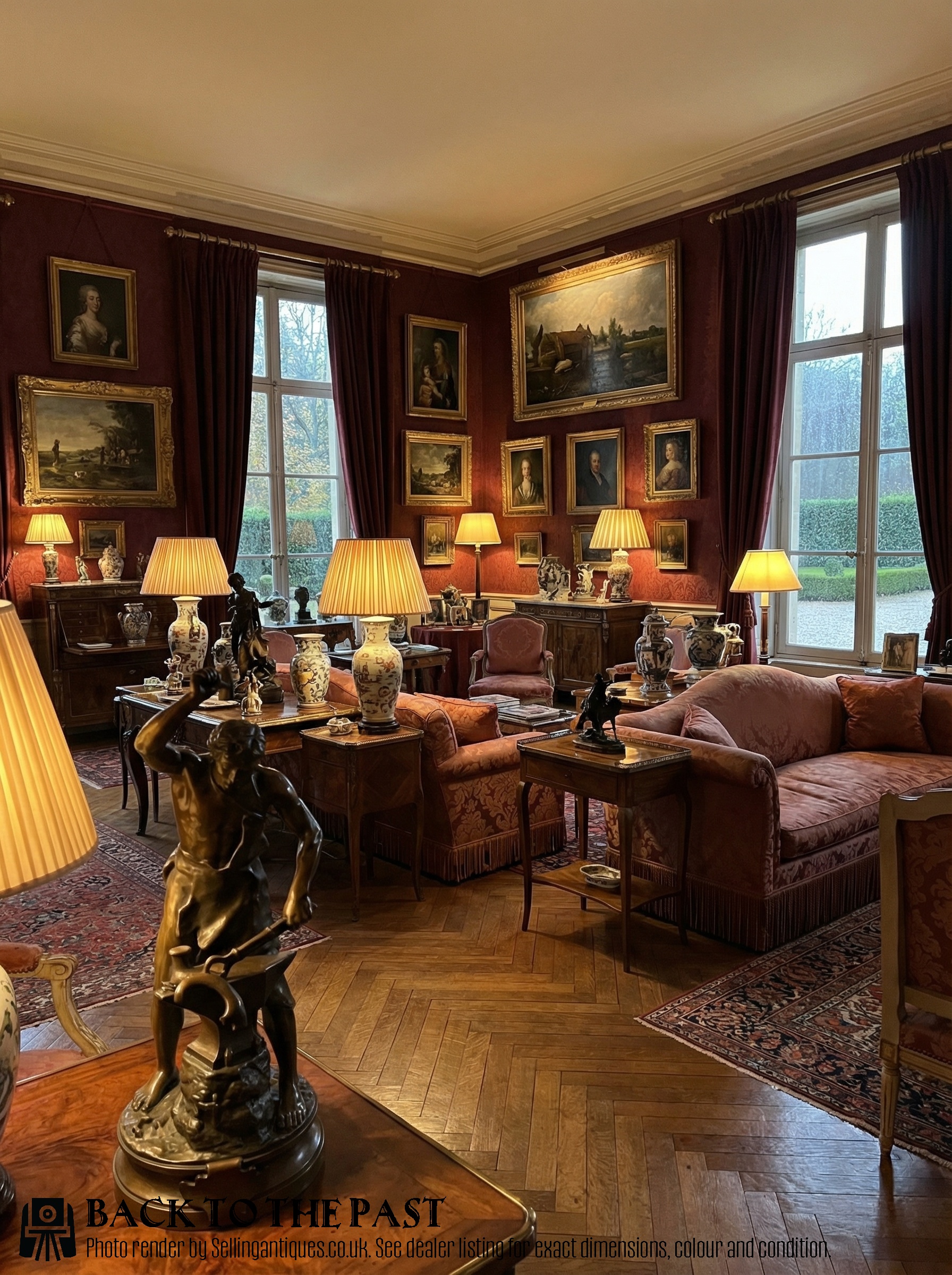
Antique French Desk Lighting
Antique french desk lighting covers task illumination and decorative table pieces sourced from France, spanning the nineteenth century through the art deco era. Buyers searching this phrase look for functional pieces that also serve as sculptural objects for a study or library.
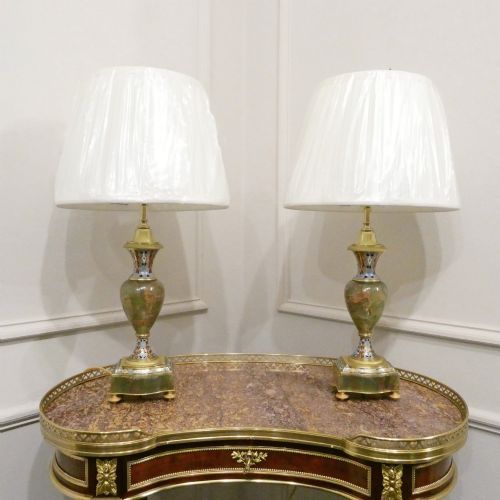
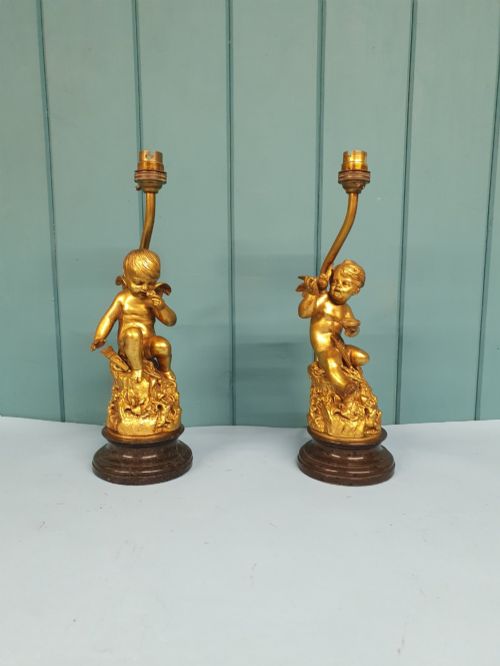
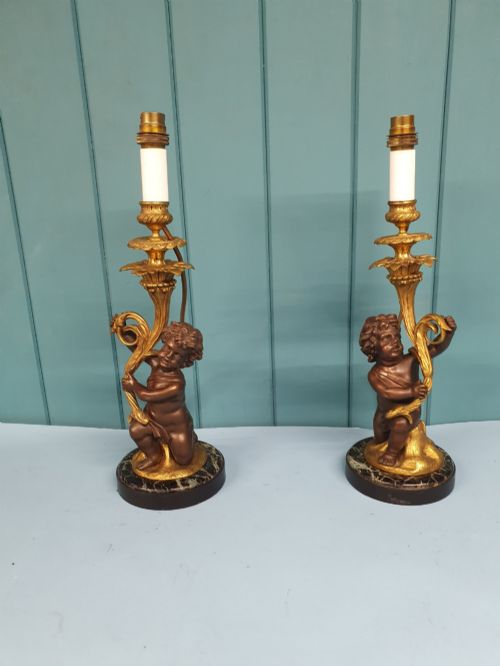
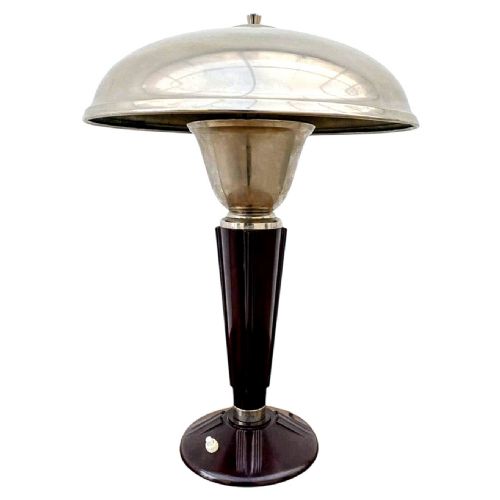
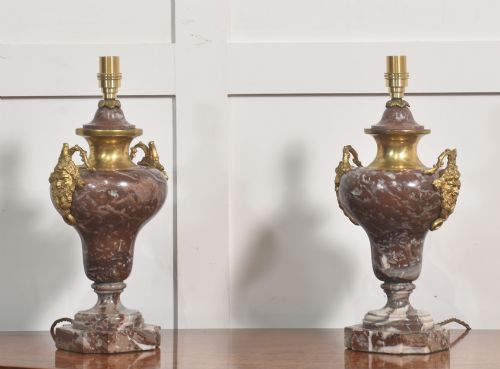
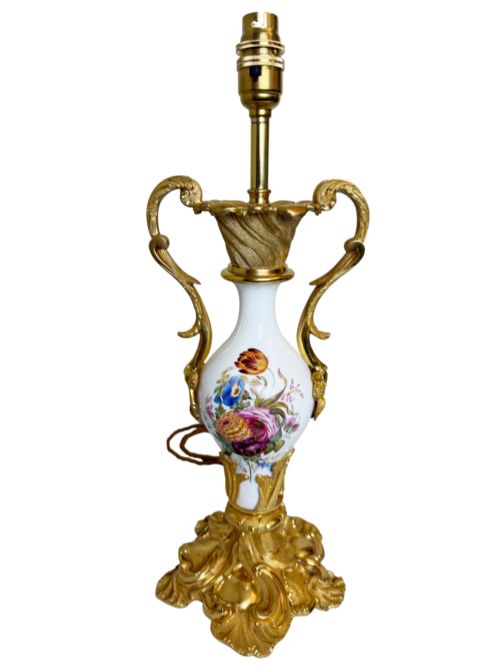
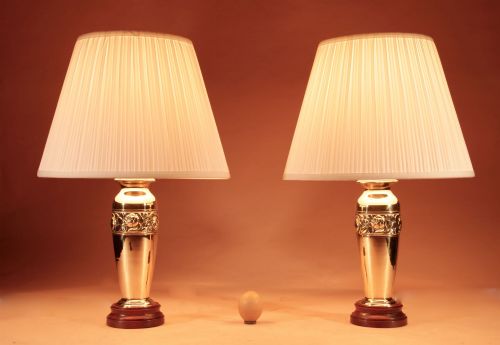
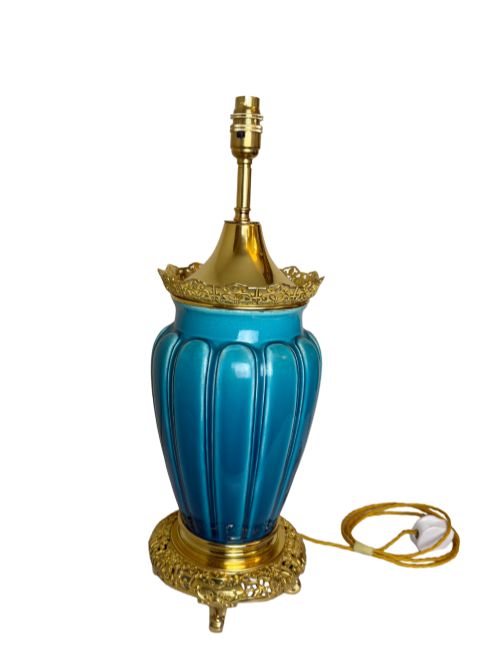
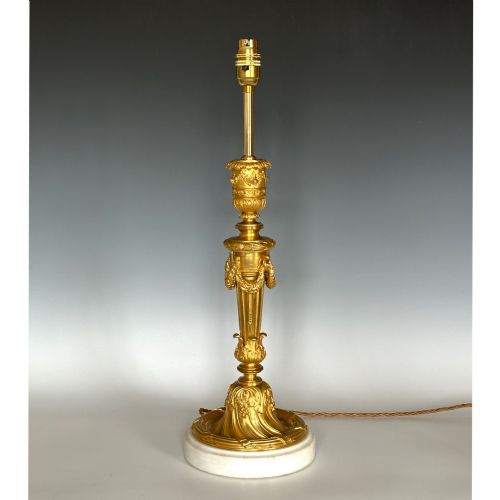
The selection ranges from neoclassical ormolu and marble urns to geometric art deco bakelite and wrought iron designs. Pairs of cherub lamps and glazed porcelain bodies mounted with gilt bronze appear frequently among the options.
Materials and construction
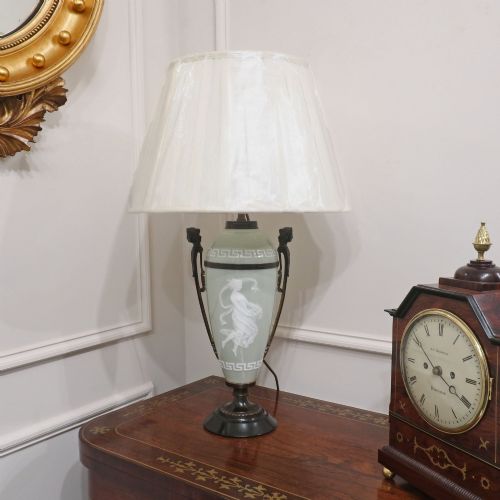
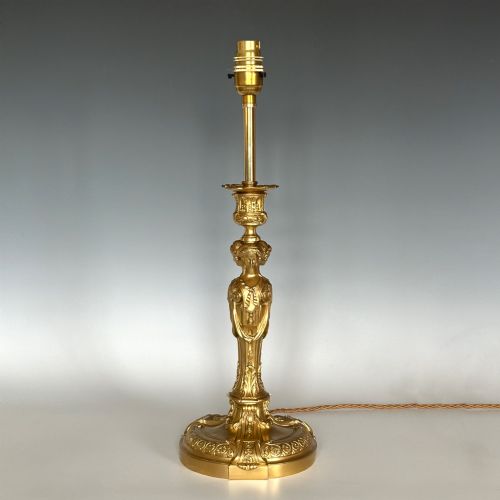
Foundry work relies heavily on cast bronze, brass, and ormolu, often paired with rouge or green marble bases and onyx plinths. Metal components receive patination or gilding, while decorative bodies incorporate champleve enamel, pate sur pate porcelain, and opaline glass.
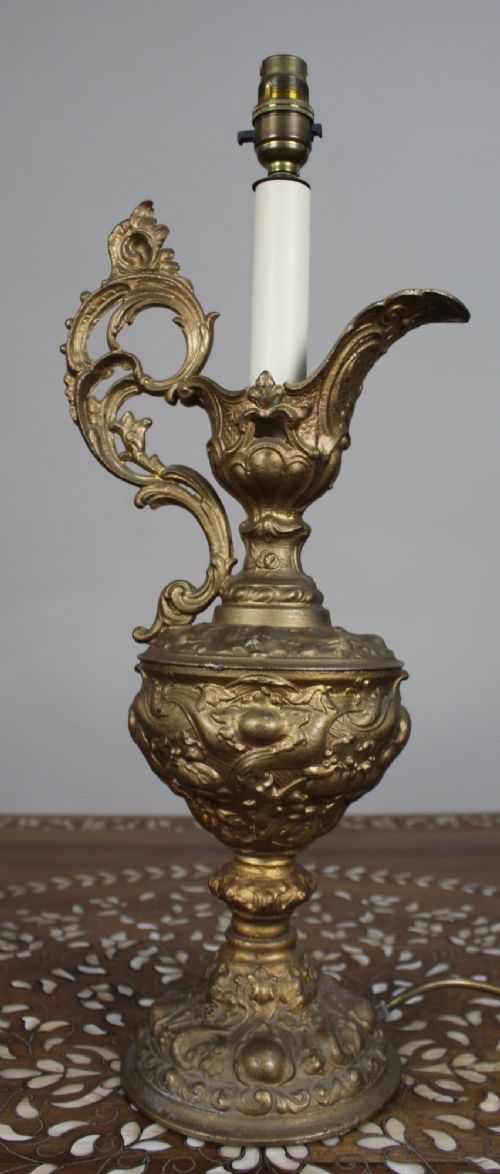
Many items begin life as oil lamps, candlesticks, or cassolettes before conversion to electricity. Later twentieth century pieces introduce industrial materials like copper, bakelite, and wrought iron alongside fabric shades.
Materials span ormolu, bronze, brass, marble, onyx, porcelain, glass, bakelite, and fabric.
Judging the standard of execution
Artistic collaboration elevates specific works, such as signed glass or metal components by named designers. The depth of glaze on porcelain bodies and the weight of the underlying metal chassis mark the boundary between standard production and workshop excellence.
Eileen Grey·L and F Moreau·Lacroix·Lalique·Dugourc
The Antique French Desk Lighting Glossary
- Ormolu
- Gilt bronze mounted on decorative objects and furniture. This technique involves applying a finely ground high-carat gold mercury amalgam to bronze.
- Bouillotte
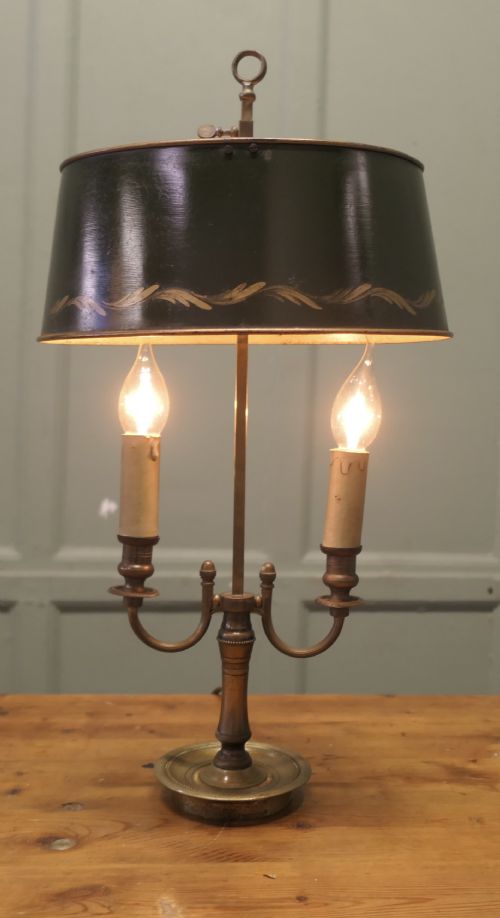
- A traditional French reading lamp featuring an adjustable metal shade mounted on a central stem above a saucer base. These typically accommodate two or three lights.
- Champleve
- An enamelling technique where troughs are dug into the surface of a metal object and filled with vitreous enamel powder before firing.
- Cassolette
- A decorative vase or urn with a removable or reversible lid, often converted into a table lamp in the nineteenth century.
- Pate sur pate
- A ceramic decoration method where wet porcelain slip is painted in successive layers onto a contrasting clay body to create a low relief cameo effect.
Antique French Desk Lighting: Frequently Asked Questions
How do I wire an antique lamp for modern use?
Professional rewiring ensures safety while preserving the original metalwork, switches, and holders where possible. A qualified electrician can thread modern cord through the existing central channels without altering the outer body.
Patinated brass and bronze stems require careful handling during rewiring to protect historical finishes. Most period pieces accept standard modern bulb fittings with appropriate wattage limits.
Were these always electric lamps?
Most examples from the nineteenth century originated as oil lamps, candlesticks, or candlelabra that later underwent conversion. Artisans adapted the central columns and fonts to house electrical wiring as domestic power spread.
Art deco pieces from the nineteen twenties and thirties more often emerged from the maker as dedicated electric desk lamps. Examining the base and internal channels usually reveals evidence of these structural adaptations.
How do I clean bronze and ormolu?
Dusting with a dry, soft bristle brush removes everyday particles without harming the gold or patinated surface. Avoid chemical polishes and abrasive cloths that strip away thin layers of historical gilding.
Marble and onyx sections tolerate a damp cloth followed by immediate drying. Preserving the original surface skin maintains both historical integrity and aesthetic depth.
How do I distinguish empire style from art deco?
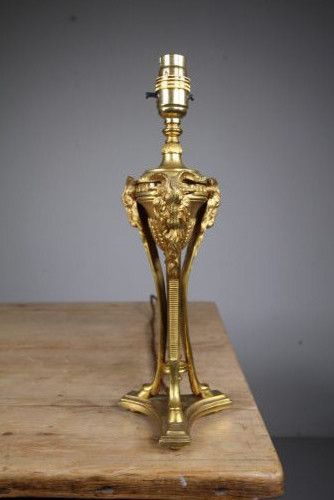
Empire style draws on classical antiquity, featuring motifs like rams heads, columns, lions paw feet, and heavy ormolu mounts on marble. These pieces project formal symmetry and historical reference.
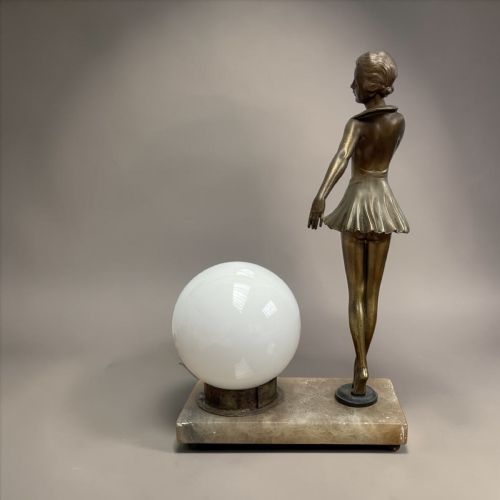
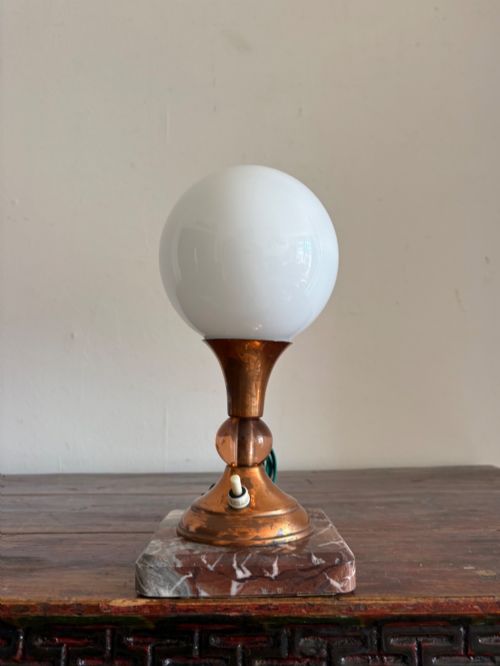
Art deco embraces streamlined geometry, smooth bakelite, opaline glass, and stylized animal or human figures. The silhouettes shift from classical architectural revival toward modern industrial forms.