




Dark Bronze Animal Statuette
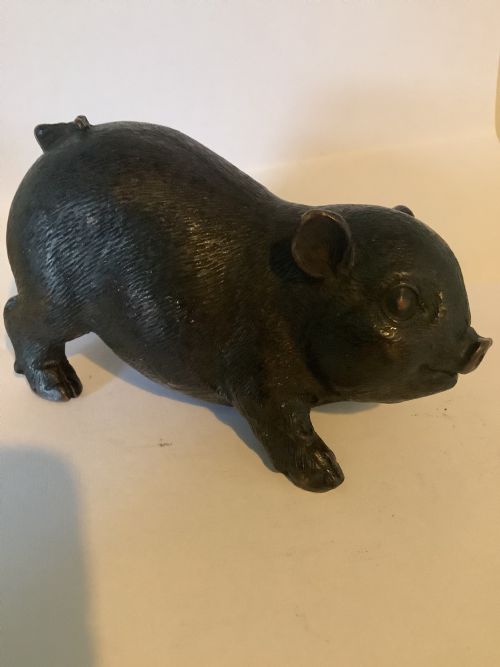
A dark bronze animal statuette brings naturalistic movement and substantial metalwork to a desk or mantelpiece.
Dark Bronze Animal Statuette
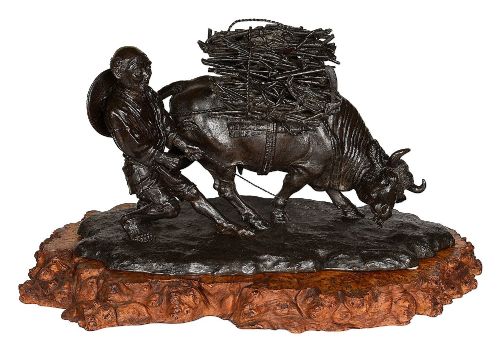
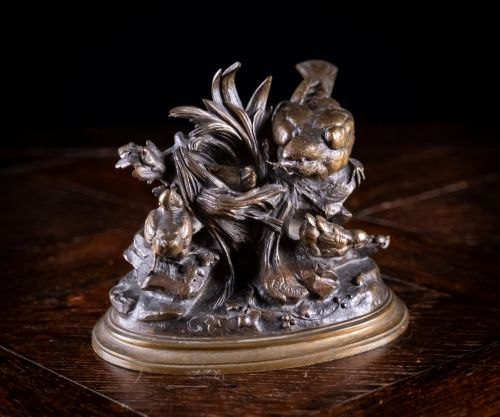
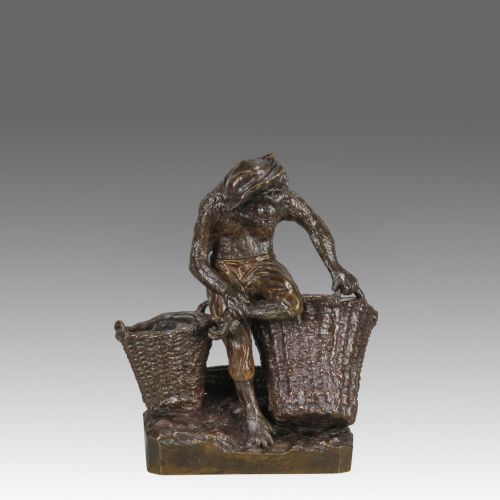
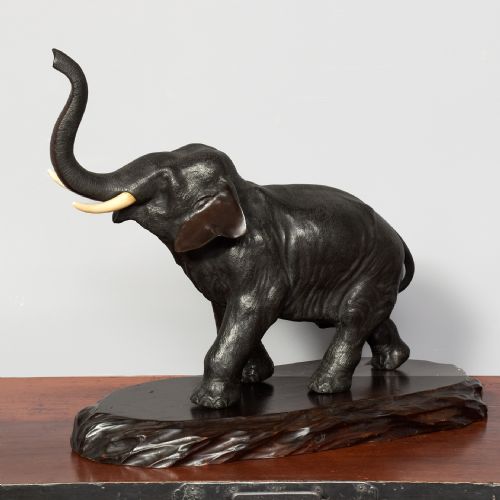
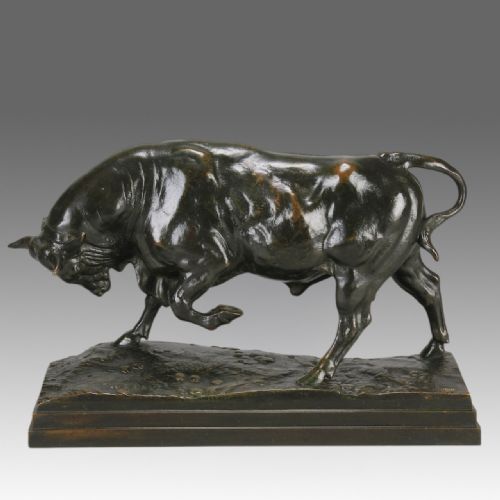
A dark bronze animal statuette captures fauna ranging from domestic hounds and farm bulls to exotic elephants and wild birds. These sculptures appear predominantly across nineteenth-century European Animalier works and Japanese Meiji period castings.
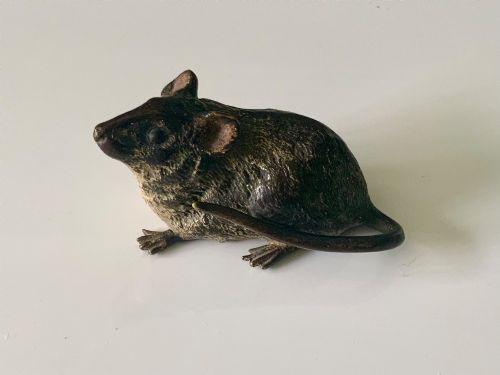
The objects take the form of freestanding figurines, small groups on naturalistic bases, and miniature sculptures designed for tabletop display. French animalier schools and Austrian cold-painted workshops dominate the domestic offerings.
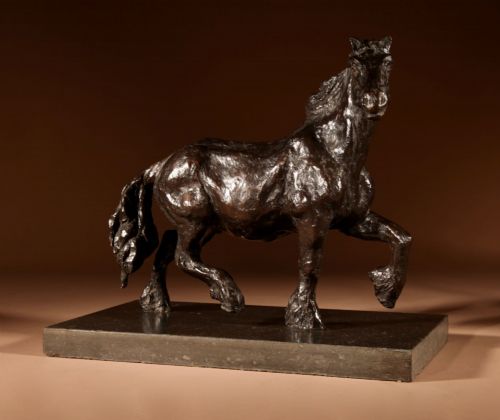
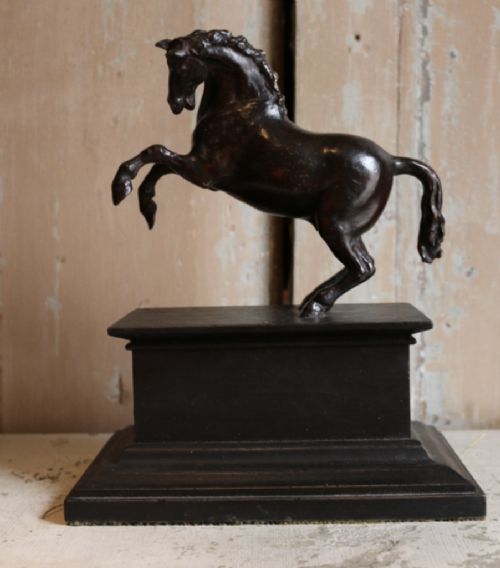
Pieces span centuries from seventeenth-century castings of rearing bulls up to mid-twentieth-century modernist interpretations. Buyers encounter domestic dogs, hares, and birds alongside powerful draft horses and charging beasts.
Materials and casting methods
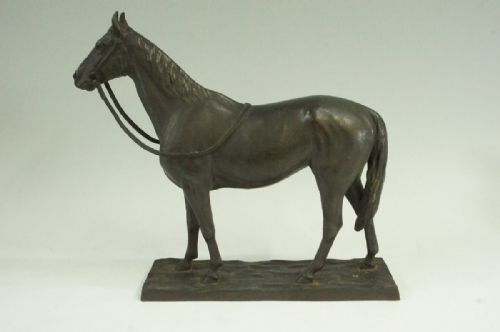
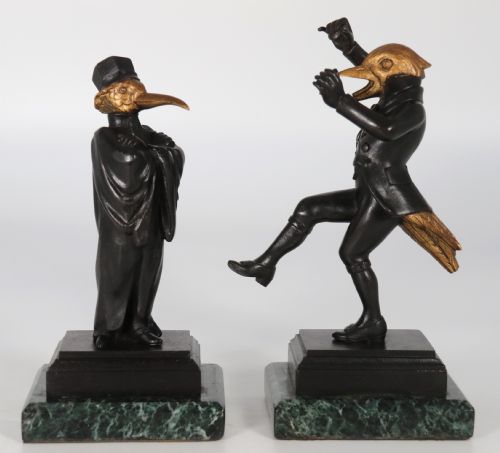
Foundries utilised bronze alloys, applying dark patination treatments to achieve deep brown and near-black surface tones. Certain Austrian pieces introduce coloured paint over cold metal, while others incorporate carved ivory details or mount bronzes onto marble, stone, wood, and burr wood bases.
Casting techniques range from traditional lost-wax methods employed by European founders to detailed Meiji period Japanese metalwork. Skilled founders chased the cooled metal surface by hand, defining fur textures, muscle structure, and feathered plumage before applying the final patina.
Listings span centuries of metalwork, running from seventeenth-century master castings through nineteenth-century French Animalier bronzes to twentieth-century modernist sculptures.
Distinctions in execution and finish
Quality rests upon the precision of the metal chase work and the depth of the patination. Master founders maintained crisp anatomical detail in musculature and fur without smoothing away the tactile grain of the casting.
The distinction between workshop editions and later recasts lies in the sharpness of the signature and the sensitivity of the surface finish. Superior pieces integrate the animal form with a convincing naturalistic base rather than relying on generic mountings.
Antoine Louis Barye·Franz Bergman·Pierre Jules Mene·Christophe Fratin·Jules Moigniez·Alfred Dubucand·Isadore Bonheur·Edith Parsons·Kunio Ito·Albert Hussmann
The Dark Bronze Animal Statuette Glossary
- Animalier
- A nineteenth-century artistic movement dedicated to realistic portrayals of animals. Practitioners focused heavily on anatomical accuracy and dynamic movement.
- Patination
- The chemical or natural surface treatment applied to bronze to alter its colour. Dark patination creates deep brown or black tones that highlight modelled contours.
- Cold-painted
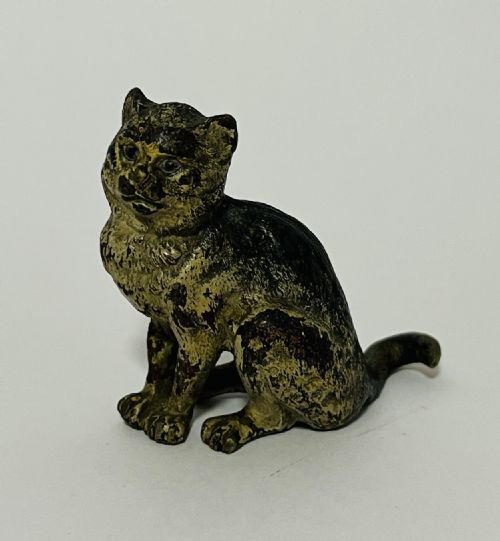
- A technique where pigment is applied to unheated metal, common in Austrian tabletop figurines. This finish requires careful preservation to prevent flaking.
- Okimono
- A Japanese term for a decorative object intended for display on a shelf or tokonoma. Meiji period examples often depict elephants and tigers with intricate surface detailing.
Dark Bronze Animal Statuette: Frequently Asked Questions
What is an animalier bronze?
An animalier bronze is a nineteenth-century sculpture focused specifically on the realistic anatomy and behaviour of animals. These pieces range from domestic hounds to wild charging bulls.
Artists studied live subjects in menageries to capture natural tension and movement within the metal.
How do I care for dark patinated bronze?
Dust the surface gently with a dry, soft microfiber cloth to prevent particulate buildup. Avoid chemical polishes or water, which can strip or damage the applied patina.
Keep the sculpture away from direct sunlight and damp environments to preserve the stability of the metal and any fitted wooden or stone base.
What is cold-painted bronze?
Cold-painted bronze refers to metal figures decorated with oil or enamel paint without subsequent firing. This method was widely used in Austrian workshops to create brightly coloured birds, cats, and mice.
Because the paint sits on the unheated metal surface, these pieces require gentle handling to avoid chipping.
How do Japanese Meiji bronzes differ from European pieces?
Japanese Meiji period bronzes often focus on exotic wildlife such as elephants and tigers rendered with extreme textural precision. They frequently feature independent naturalistic bases and intricate decorative elements.
European Animalier works, by contrast, prioritise academic anatomical accuracy and dynamic motion within classical sculptural traditions.