
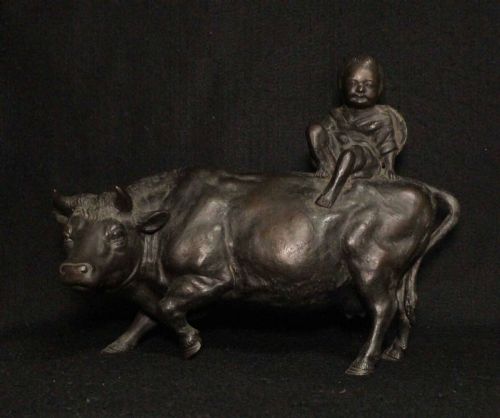
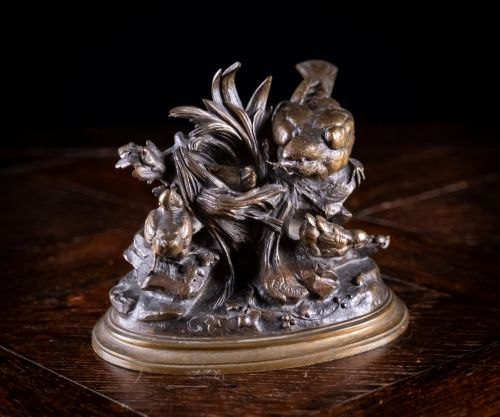
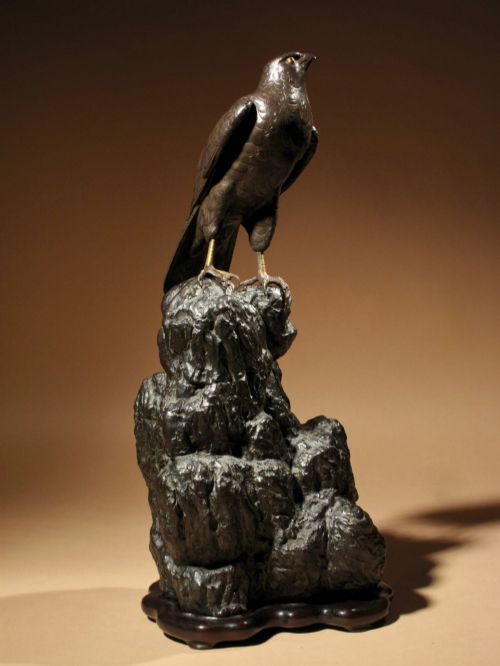
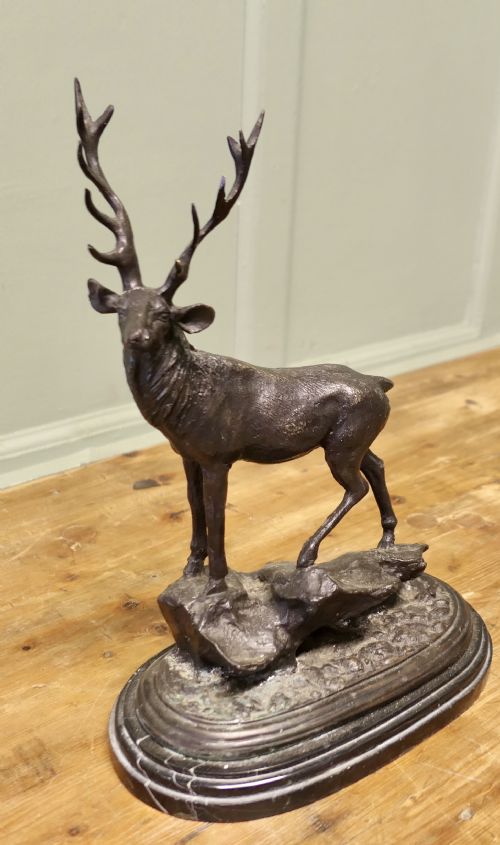
Dark Bronze Animal Figure
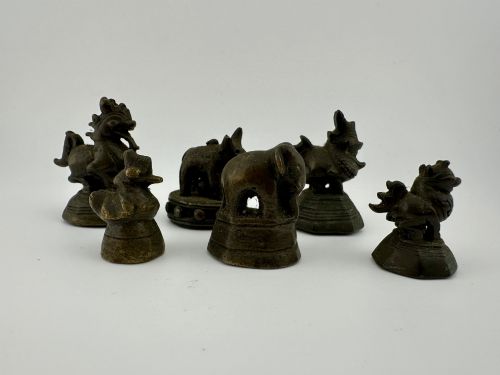
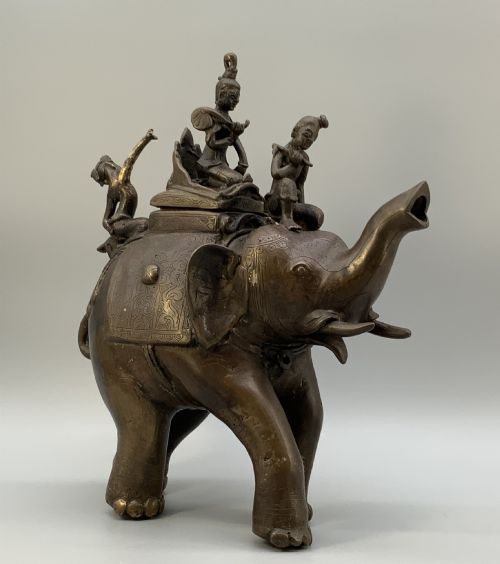
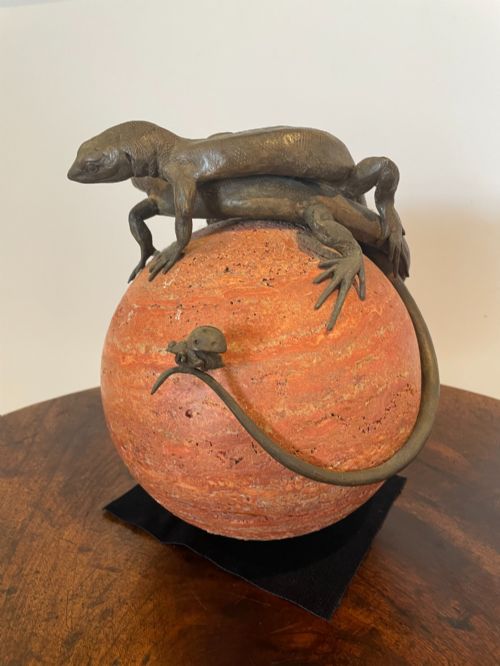
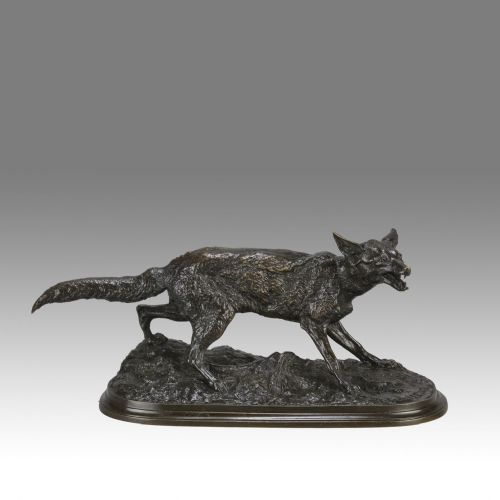
These dark bronze animal figure works capture the natural world and mythological subjects through cast metal, offering enduring sculptural presence for collectors.
Dark Bronze Animal Figure
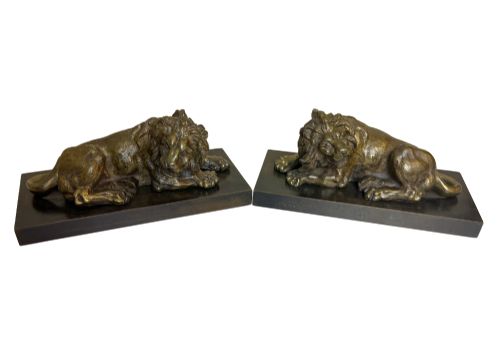
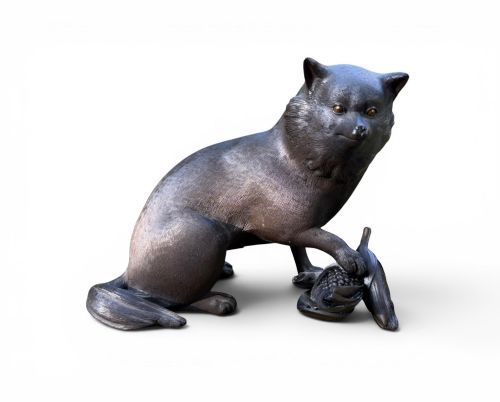
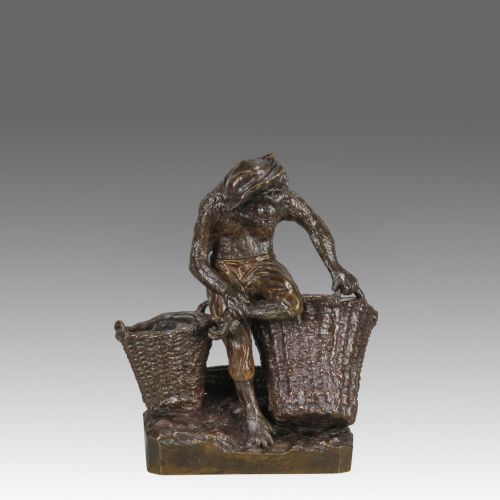
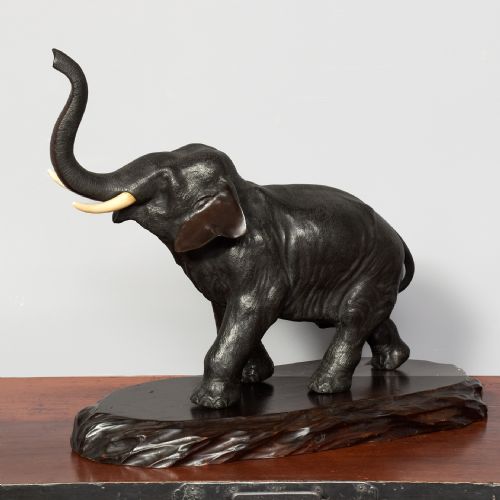
A dark bronze animal figure brings together diverse cultural traditions, ranging from European Animalier studies of domestic and wild beasts to Japanese Meiji period okimono and Austrian cold-painted novelties. When exploring this selection, buyers encounter everything from monumental lions and draft horses to miniature birds, mice, and monkeys.
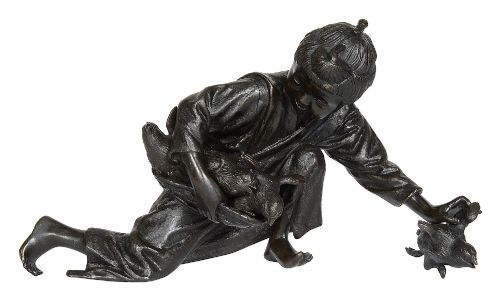
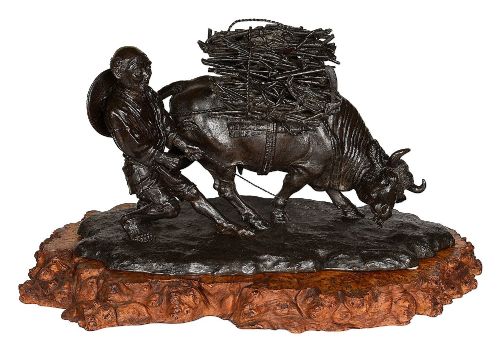
The objects take many forms, appearing as standalone sculptures, sculptural groups on naturalistic bases, okimono, and figures mounted on marble plinths. Pieces span the nineteenth and early twentieth centuries, reflecting both Western naturalist observation and Eastern craftsmanship.
French Animalier school works and Japanese bronzes dominate the visual landscape of these listings. Each tradition approaches fauna with distinct intent, balancing anatomical realism with expressive characterisation.
Materials and Casting
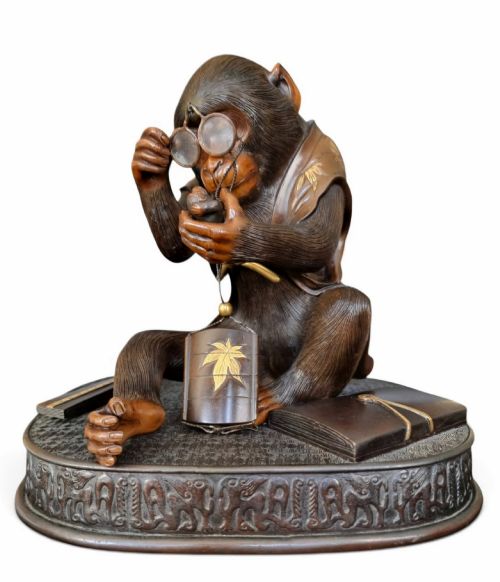
Makers utilised bronze as the primary medium, frequently applying chemical patination to achieve deep brown, black, or nuanced dark finishes that accentuate muscle and fur. Mixed-metal elements, gold inlay, and painted details appear alongside base materials such as ivory, bone, wood, and marble plinths.
Sculptures were produced through traditional casting methods, often followed by meticulous chugging, chasing, and hand-finishing to define fine textures like feathers, manes, and hides. Cold-painted bronze works received surface colour applied after casting, creating vibrant finishes on smaller figures.
Listings feature nineteenth-century and early twentieth-century pieces spanning French Animalier, Japanese Meiji, and Austrian cold-painted traditions in bronze, marble, and wood.
Craftsmanship and Detail
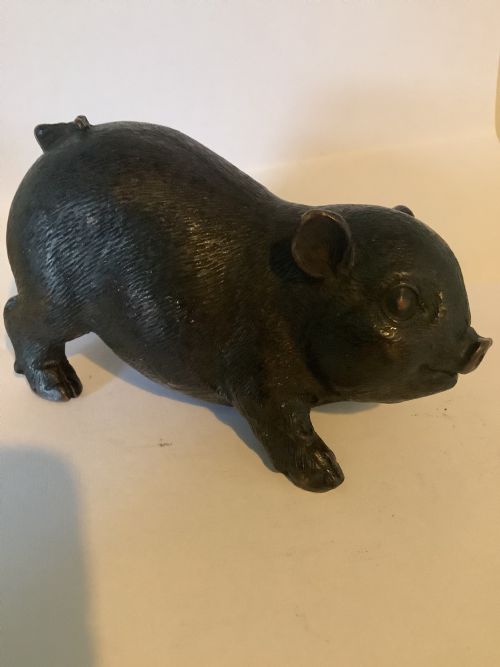
Quality rests in the fidelity of anatomical casting and the precision of surface tooling, where superior examples exhibit crisp feather, hair, and muscular definition without loss of form during the casting process. The depth and stability of the dark patination also distinguish finer pieces from simpler commercial productions.
Signatures, foundry marks, and artist attributions elevate certain works, demonstrating the hand of known sculptors or respected workshops. The integration of secondary materials, such as well-fitted marble bases or intricate mixed-metal inlay, further defines the upper tiers of the range.
P J Mêne·Christophe Fratin·Antoine Louis Barye·Alfred Barye·Kunio Itô·Franz Bergman·Victor Peter
The Dark Bronze Animal Figure Glossary
- Animalier
- A nineteenth-century artistic movement focused on the realistic portrayal of animals, particularly associated with French sculptors. Practitioners studied live subjects extensively in menageries to capture authentic movement and anatomy.
- Okimono
- A Japanese decorative figurine designed for display on a shelf or in a tokonoma alcove. These objects encompass detailed representations of animals, mythical figures, and human subjects from the Meiji period.
- Patination
- The chemical or natural coloration of the bronze surface achieved through exposure to acids, heat, or environmental elements. A dark patination protects the metal while highlighting sculptural contours.
- Cold-painted
- A technique where paint is applied to a bronze object without subsequent firing at high temperatures. This method is common in Austrian novelty bronzes from the late nineteenth and early twentieth centuries.
- Chasing
- The manual refinement of a cast metal surface using hammers and punches to sharpen details and remove casting flaws. Master chisellers added texture to fur, plumage, and backgrounds.
Dark Bronze Animal Figure: Frequently Asked Questions
What is an animalier bronze?
An animalier bronze is a sculpture depicting animals in realistic or dramatic poses, a genre that gained immense popularity in nineteenth-century Europe. Artists focused on capturing natural anatomy, often portraying predators and prey in dynamic encounters.
These pieces were cast in bronze and finished with varied patinas, ranging from deep dark browns to golden tones. They served as popular desk ornaments and salon sculptures for collectors of the period.
How do I identify a Meiji period bronze?
Meiji period bronzes originate from Japan between eighteen sixty-eight and nineteen twelve, a time of extraordinary craftsmanship and opening international trade. They frequently depict animals, such as elephants, tigers, and monkeys, rendered with remarkable attention to realistic texture and character.
Many of these Japanese pieces bear signatures or seals of the artist or workshop on the underside or body. They often utilise mixed-metal techniques or incorporate fine detailing like inlaid eyes to enhance realism.
What is cold-painted bronze?
Cold-painted bronze refers to metal sculptures finished with paint applied directly to the unheated bronze surface. This technique was widely practiced by Austrian foundries in the late nineteenth and early twentieth centuries to create colourful bird and animal figures.
Because the paint was not fired at high temperatures, surviving examples often show natural wear that reflects their age. They were primarily used as decorative cabinet pieces and paperweights.
How should I care for a bronze figure?
Caring for a dark bronze animal figure requires gentle dusting with a soft, dry cloth to prevent the accumulation of grit. Avoid using chemical cleaners, polishes, or water, which can strip or damage the historic patination.
Keep the sculpture away from direct sunlight and high humidity to maintain the stability of the metal and any attached marble or wooden bases. Occasional application of microcrystalline wax can help protect the surface if handled frequently.