


Dark Brass Candle Holders
Dark brass candle holders combine warm metal tones with historic weight, offering practical illumination and centuries of interior character.
Dark Brass Candle Holders
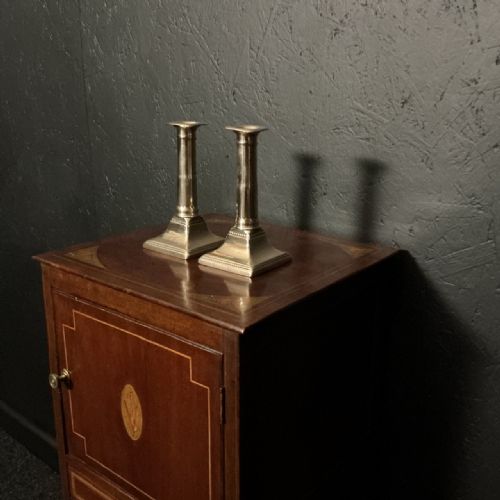
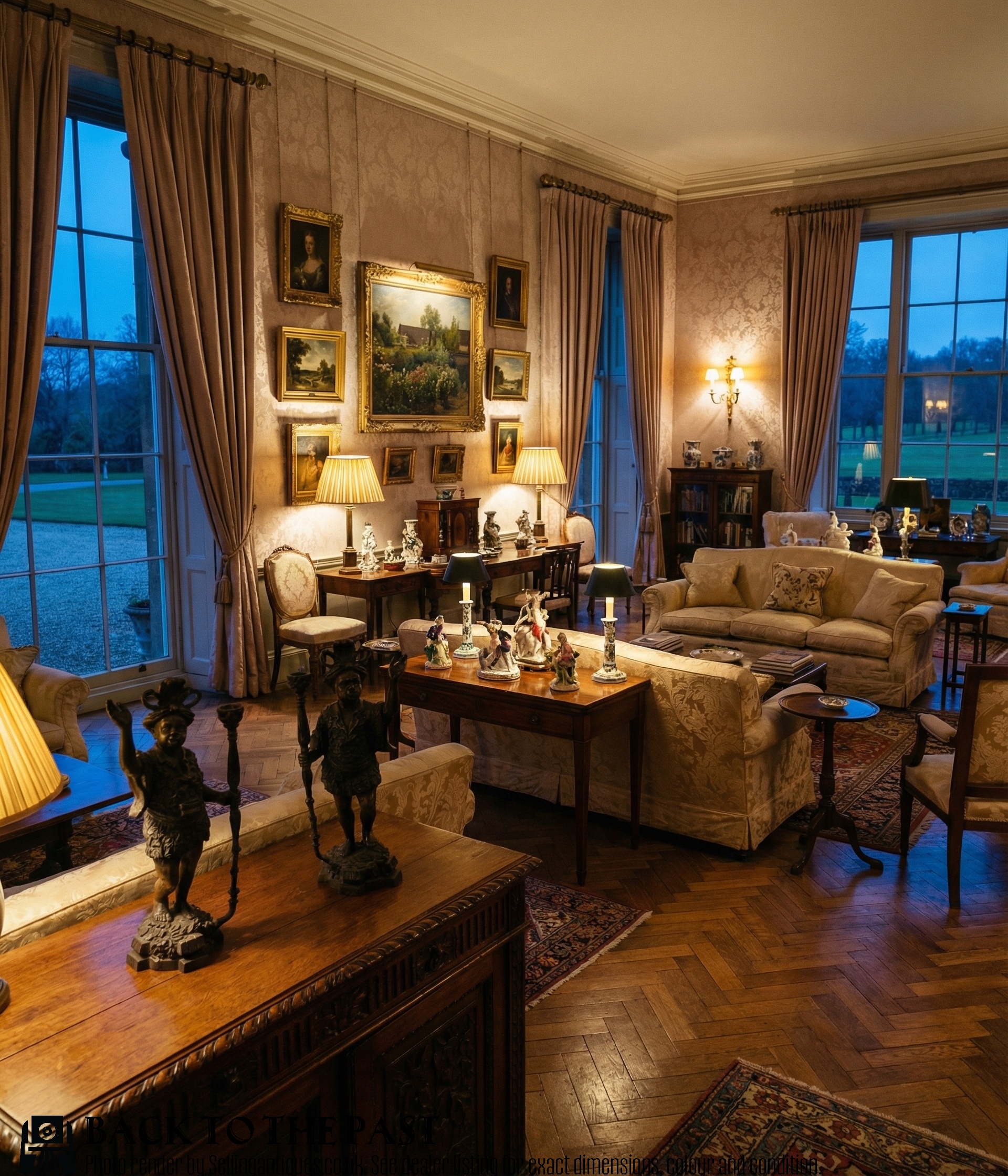
Dark brass candle holders encompass candlesticks, candelabra, wall sconces, and chamber sticks produced across the eighteenth, nineteenth, and early twentieth centuries. When searching for dark brass candle holders, buyers encounter pieces incorporating patinated brass, bronze, gunmetal, and ormolu alongside mixed media constructions.
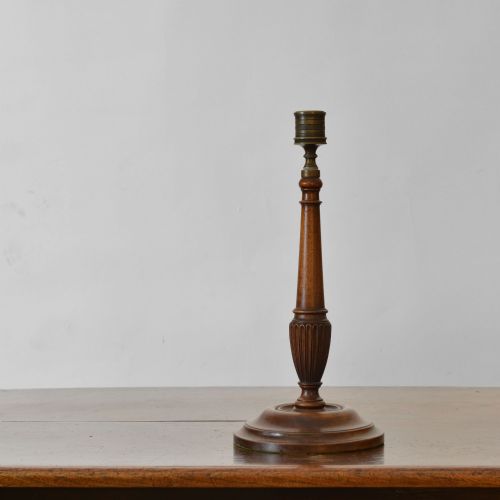
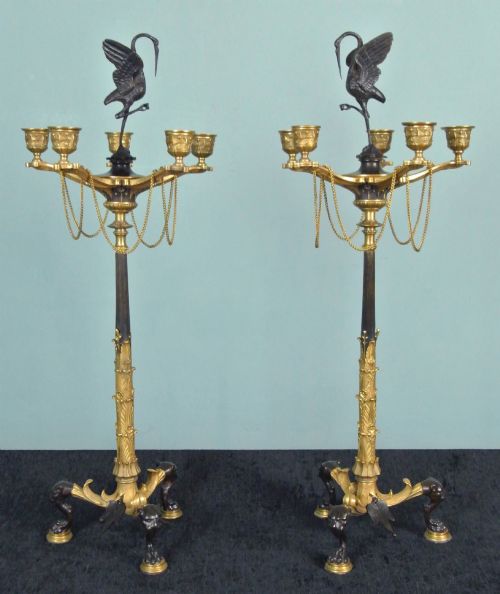
The selection ranges from Georgian mahogany designs mounted with brass to Victorian and Edwardian examples featuring oak or teak stems with brass fittings. Many pieces reflect revival aesthetics, including Gothic, Jacobean, and George III styles, while others showcase French nineteenth-century casting or North Indian craftsmanship.
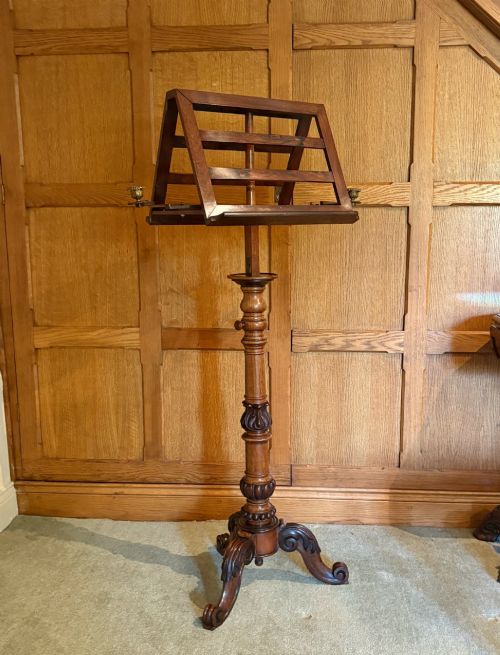
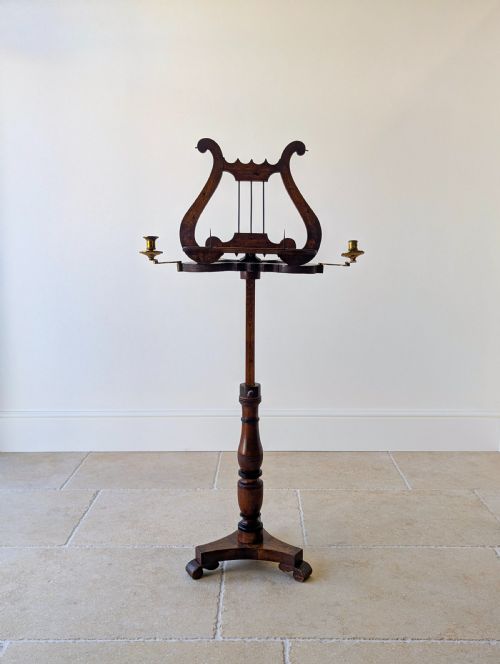
Forms vary from single sticks and prickets to multi-branch candelabra and adjustable music stands adapted for illumination. These objects emerge from periods spanning the 1700s through the 1920s, demonstrating diverse regional origins and structural materials.
Materials and construction methods
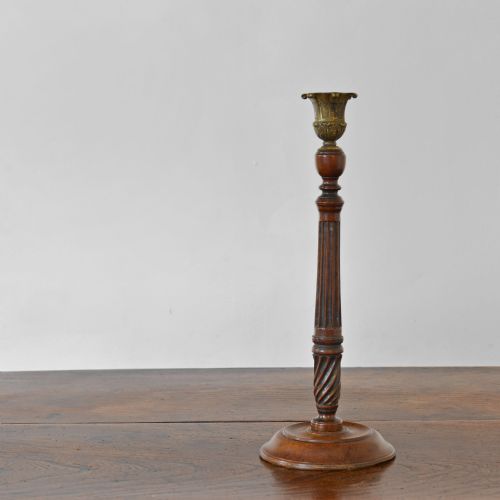
Makers utilised brass, bronze, patinated bronze, ormolu, and gunmetal, often combining metal alloys with dense hardwoods such as mahogany, oak, teak, and occasionally-seen mahogany variants. Wood components frequently display turning techniques like barley twist, bobbin turning, and lyre-form carving.
Metal elements involve casting, turning, and patination, creating surfaces ranging from dark gunmetal to warm patinated bronze and parcel gilt finishes. Brass sconces and drip pans secure to turned wooden columns, while multi-branch candelabra employ intricate metal casting and assembly.
Distinctions in craftsmanship and design
Quality rests in the precision of the turning on wooden stems and the crispness of detail in cast brass and bronze components. Finer examples display balanced proportions, substantial weight, and harmonious integration between the metal work and supporting hardwood elements.
The sophistication of the stylistic execution - such as the intricacy of empire style castings or the exact pitch of an oak barley twist - separates standard production from exceptional work. Original patination and the integrity of mounted brass sconces further define the standing of each piece.
Barbedienne·Gillows
The Dark Brass Candle Holders Glossary
- Ormolu
- Gilt bronze, where a finely ground high-carat gold mercury amalgam is applied to a bronze object. This technique produces a rich, durable golden surface seen on nineteenth-century French pieces.
- Pricket
- A sharp metal spike set in the drip pan of a candlestick to secure a candle. This form relates to ecclesiastical and older domestic lighting traditions.
- Barley twist
- A helical turning technique resembling a twisted rope, carved into wooden shafts. It appears frequently on oak and mahogany candlesticks from the late nineteenth and early twentieth centuries.
- Chamber stick
- A low candlestick fitted with a saucer base and a loop handle, designed for carrying around a house at night. These items were standard domestic equipment in the Regency period and beyond.
- Gunmetal
- A type of bronze composed of copper, tin, and zinc, known for its dark, subdued metallic tone. It provides a distinctively heavy and robust alternative to standard yellow brass.
Dark Brass Candle Holders: Frequently Asked Questions
What periods do these pieces span?
The selection spans from the eighteenth century through the Georgian and Regency eras, extending into the Victorian period and the early twentieth century around 1920.
Individual items reflect the prevailing design movements of their respective decades, including Gothic Revival, Aesthetic Period, and Edwardian interpretations.
How do wood and brass combine?
Makers combined turned mahogany, oak, or teak columns with fitted brass sconces, bases, and drip pans. The metal components were secured to the wooden shafts to provide a durable top for holding candles.
This mixed-media approach brought together the dark warmth of polished timber with the reflective quality of metal.
What is a multi-branch candelabra?
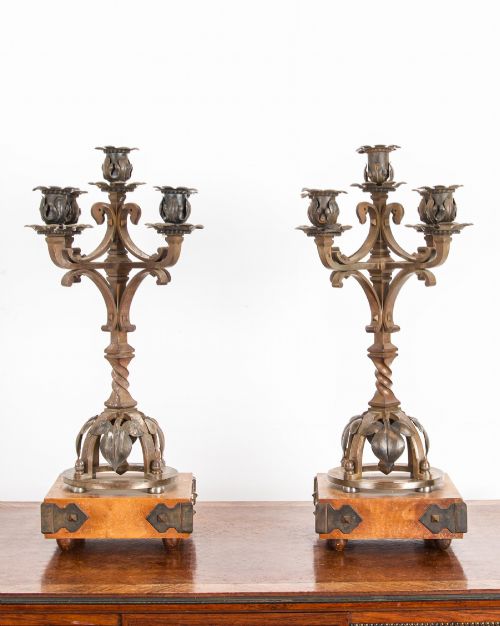
A multi-branch candelabra is a larger lighting fixture designed to hold multiple candles simultaneously across several arms. These pieces often feature cast bronze or brass construction with detailed ornamentation.
They served as significant table or sideboard centerpieces in formal nineteenth-century settings.
How should I clean patinated metal?
Patinated metal surfaces require minimal intervention to preserve the aged finish accumulated over centuries. Dusting with a dry cloth and avoiding harsh abrasive polishes protects the historic dark tone.
Preserving the original surface maintains the visual character and historical integrity of the piece.
What distinguishes Gothic Revival pieces?
Gothic Revival items draw architectural inspiration from medieval design, featuring pointed motifs, heavier proportions, and structural solemnity. These pieces often incorporate dark patinated metals and robust forms.
The style gained renewed popularity during the nineteenth and early twentieth centuries.