



Decorative Metal Candlesticks
Decorative metal candlesticks bring weight and light to a room, offering everything from Regency brass to Art Deco silver plate.
Decorative Metal Candlesticks
Decorative metal candlesticks encompass a broad range of domestic lighting accessories produced from the eighteenth century through to the early twentieth century. When searching for decorative metal candlesticks, buyers encounter items shaped by distinct historical periods including Regency, Victorian, and Art Deco movements.
Materials and construction methods
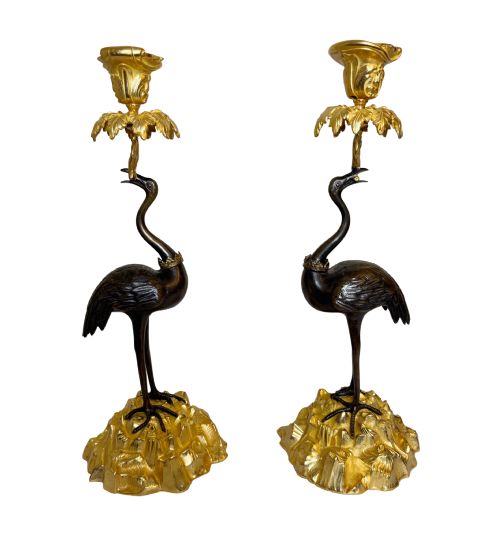
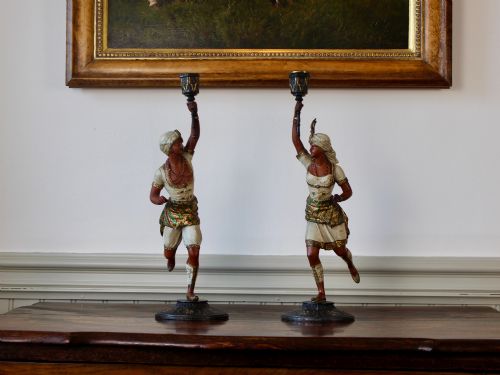
Foundries utilised casting techniques to shape bronze, brass, and spelter into intricate figural and architectural forms. Molten metal poured into moulds allowed makers to achieve high levels of detail, later finished through chasing or cold painting.
Surface treatments define much of the visual character, with workshops applying gilt bronze, ormolu, silver plating, and dark patination. These finishes highlight the contours of the metal and protect the underlying material from oxidation.
Decorative Metal Candlesticks Retail Price Guide 2026
Typical asking prices for decorative metal candlesticks among the pieces listed under this phrase on Sellingantiques today, from the lower quarter to the upper quarter. They describe what is for sale here now, not the wider market.
The inventory spans multiple eras, incorporating pieces from the eighteenth century alongside Regency, Victorian, and early twentieth-century designs.
Judging quality and craftsmanship
Quality rests primarily on the crispness of the casting and the finesse of the subsequent hand-finishing. Superior examples exhibit sharply defined details in drapery, foliage, or figural motifs without the softening often seen in secondary castings.
The choice of material and the integrity of the surface finish further distinguish better pieces. Deep, uniform patination and well-preserved gilding or silver plating indicate careful historical upkeep and superior initial manufacture.
The Decorative Metal Candlesticks Glossary
- Spelter
- A zinc alloy commonly utilised as a less expensive alternative to bronze during the nineteenth and twentieth centuries. It accepts cold painting well to simulate richer patinas.
- Ormolu
- Finely ground high-carat gold applied to a bronze base through a mercury amalgamation process. This technique produces a deep, lasting lustre unique to earlier pieces.
- Patinated bronze
- Metal treated chemically or thermally to produce a controlled surface colour, typically dark brown or green. This finish accentuates the underlying sculptural details.
- Silver plate
- A thin layer of silver bonded to a base metal substrate such as brass or copper. It provides the visual appeal of solid silver at a more accessible weight and cost.
Decorative Metal Candlesticks: Frequently Asked Questions
How do I date brass candlesticks?
Dating relies upon manufacturing marks, assembly methods, and the prevailing decorative style of the period. Turning marks on the underside and the method of joining the stem to the base offer clear chronological clues.
Earlier eighteenth-century examples often feature multi-component construction with cast sockets, whereas nineteenth-century pieces frequently utilise mass-production casting techniques. Examining wear patterns and base construction helps confirm the era.
What is spelter metal?
Spelter is a zinc-based alloy that gained popularity for decorative objects and figural sculptures due to its lower melting point. It allowed manufacturers to produce detailed castings relatively quickly.
While softer and lighter than bronze, spelter was frequently painted or electroplated to mimic more expensive materials. It remains a common and collectible metal in antique lighting.
How should I clean antique candlesticks?
Cleaning antique metalwork requires a gentle approach to preserve the original patina and surface finishes. Dusting with a soft dry cloth is usually sufficient for routine maintenance.
Harsh chemical polishes should be avoided, particularly on gilt, silver plated, or cold painted surfaces where abrasive action can remove the finish permanently. Specialist conservation wax may be applied sparingly to bare brass or bronze.
Are these candlesticks still usable?
Most antique candlesticks accommodate standard taper candles securely within their sockets. Collectors frequently use them for ambient dining illumination.
Care should be taken to measure the socket diameter before purchasing candles, as historical dimensions can differ slightly from modern standards. Using drip catchers prevents wax accumulation on delicate metal surfaces.