

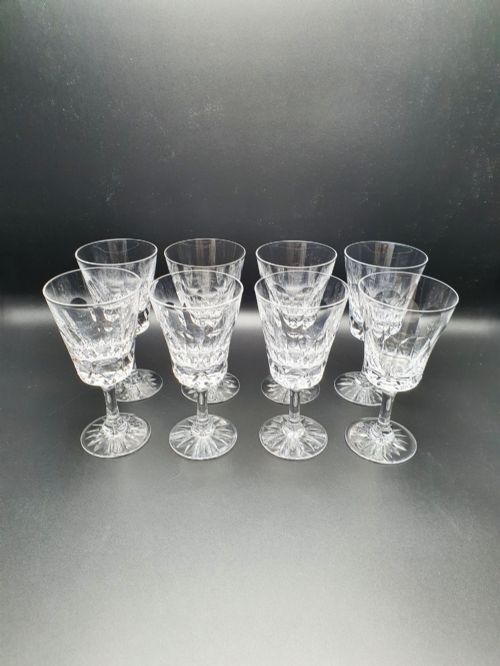
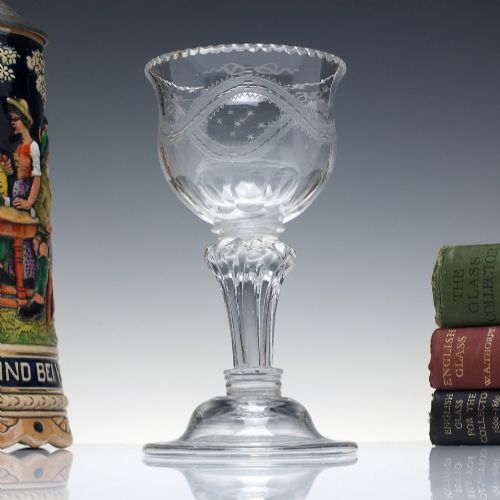
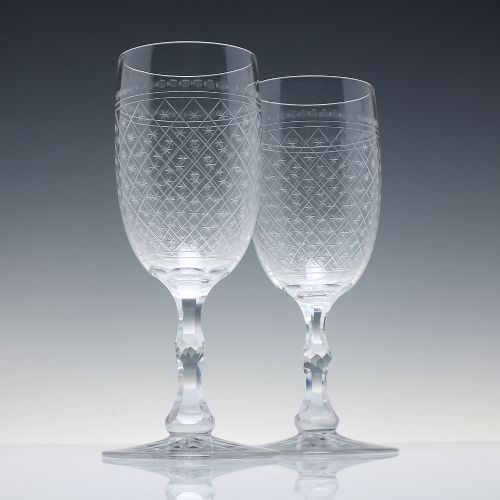
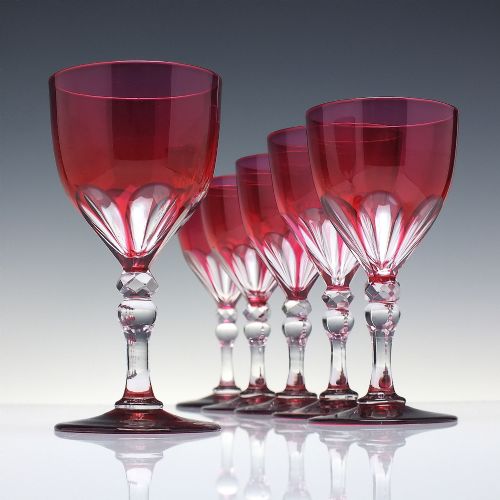
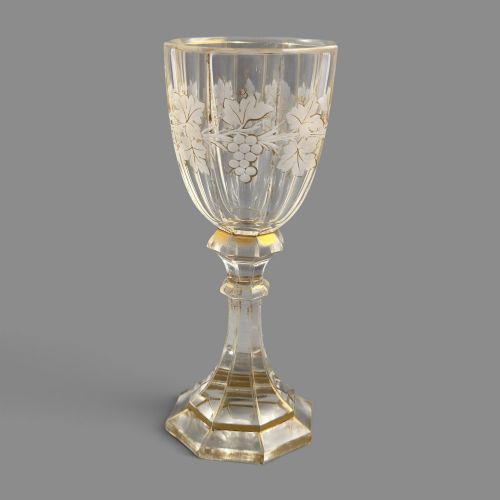

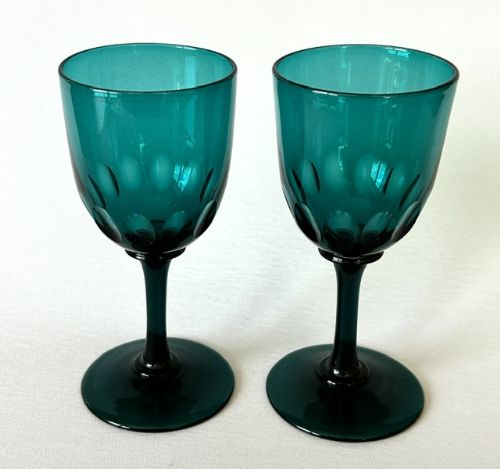
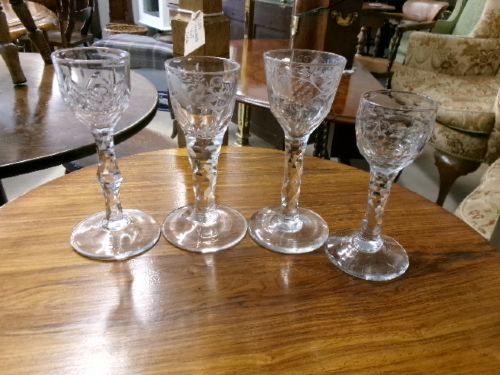
Cut Glass Wine Goblets
Cut glass wine goblets bring weight and sharp refraction to the table, spanning the Georgian, Victorian and Edwardian eras.
Cut Glass Wine Goblets
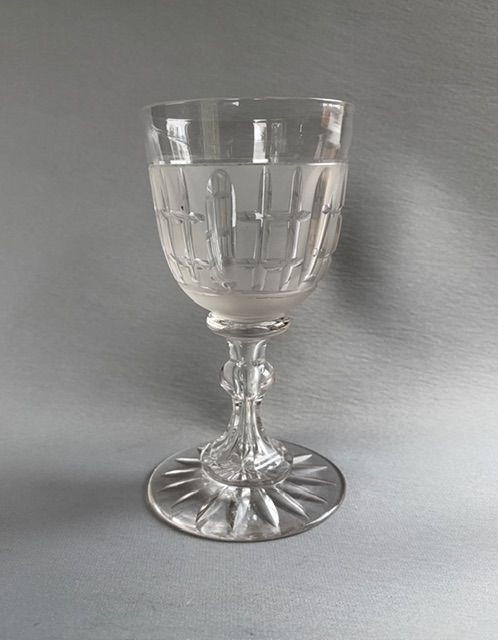
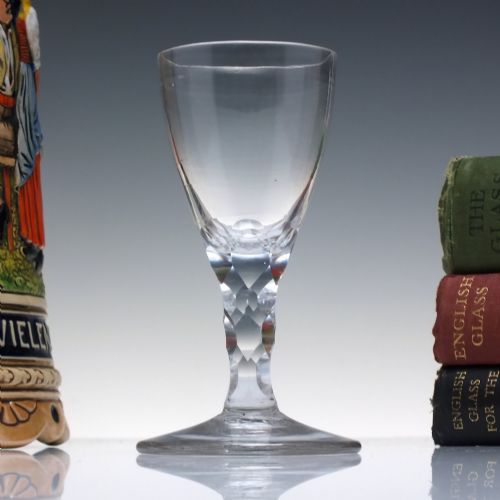
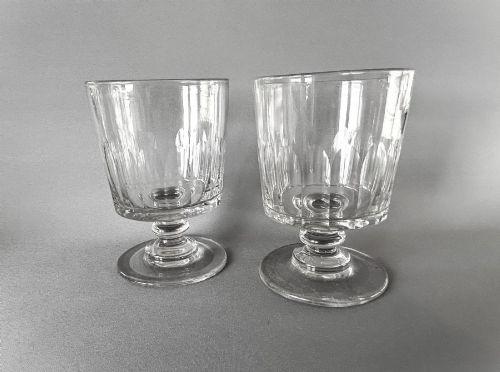
Cut glass wine goblets encompass heavy drinking vessels, rummers and hock glasses produced across the eighteenth and nineteenth centuries. The pieces on this page lean heavily toward Victorian and Georgian forms, alongside Edwardian, Regency and continental examples.
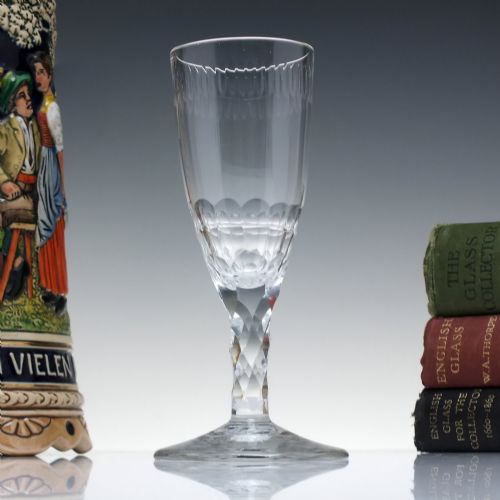
Makers and workshops across England, Ireland, France and Bohemia shaped these forms from clear and coloured glass. Buyers encounter tall rummers, faceted stem wine glasses, and matching services designed for dining and entertaining.
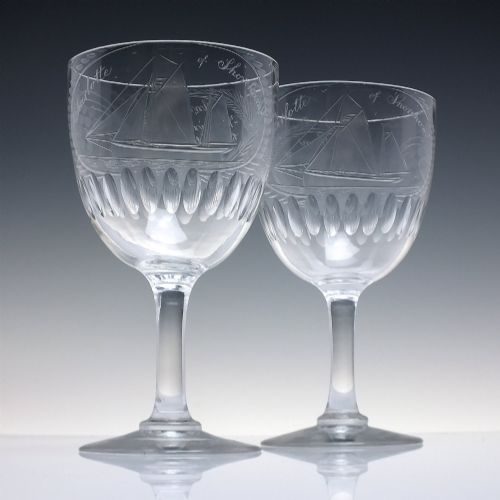
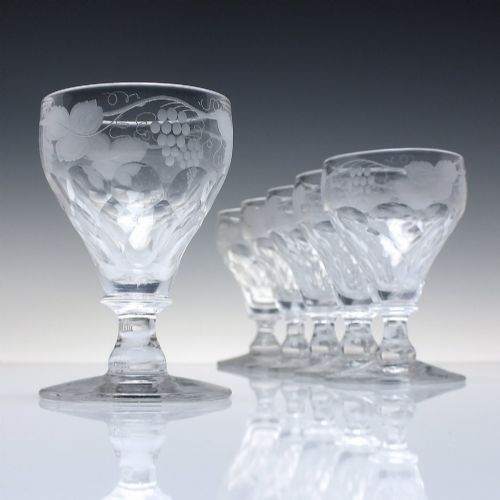
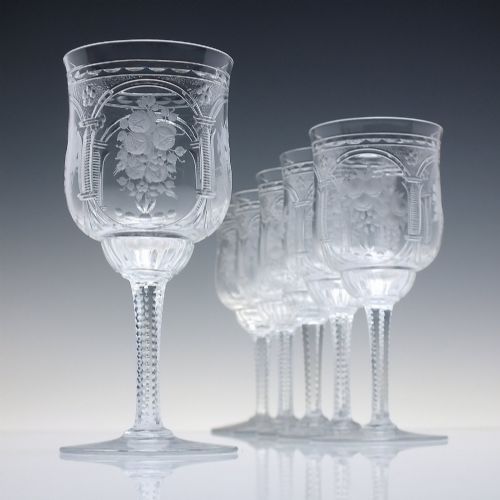
The selection ranges from single pairs to sets of six or twelve, featuring engraved bowls, hobnail cutting, and distinct foot bases. These drinking glasses serve as functional tableware rooted in historic glassmaking traditions.
How they were made
Craftsmen utilised lead crystal, flint glass and heavy lead glass to achieve high refractive index and weight. This dense material allowed deep wheel-cutting without compromising structural integrity.
Decoration relied on wheel-engraving, faceted stem cutting, acid etching and cameo techniques. Workers cut geometric patterns, flutes and hobnails directly into the cooled glass surface before polishing.
Cut Glass Wine Goblets Retail Price Guide 2026
Typical asking prices for cut glass wine goblets among the pieces listed under this phrase on Sellingantiques today, from the lower quarter to the upper quarter. They describe what is for sale here now, not the wider market.
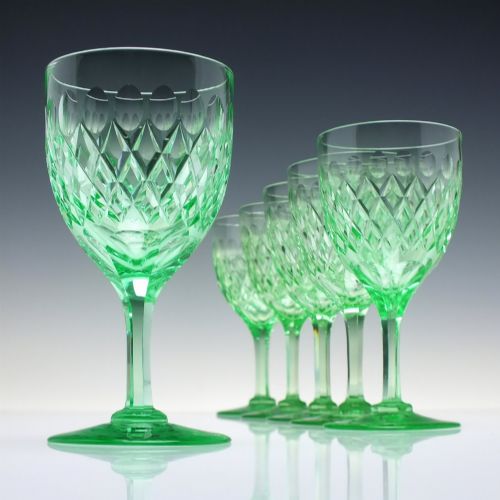
Listings span multiple materials including lead crystal, flint glass, vaseline glass and clear lead glass across eight historical periods.
What varies in quality
Clarity and metal composition set the foundation, with high lead content producing superior ring and brilliance. Heavy metal weight distinguishes substantial rummers from lighter everyday vessels.
The precision and depth of the wheel-cut facets dictate aesthetic merit. Crisp, sharp edges on hobnails and deep, clean intaglio or engraved details separate master work from routine production.
James Giles·Moser·Baccarat·Webb Corbett·St Louis Massenet·Stevens & Williams
The Cut Glass Wine Goblets Glossary
- Rummer
- A large, sturdy drinking glass popular in the Georgian and Victorian periods, often featuring a short stem and bucket bowl.
- Hobnail cut
- A raised, pointed geometric pattern resembling a boot nail, heavily utilised on Regency and Victorian vessels to catch the light.
- Lemon squeezer foot
- A square, pressed glass base with diagonal ridges characteristic of late eighteenth and early nineteenth century English and Irish table glass.
- Facet stem
- A stem shaped with multiple flat polished planes, frequently seen on eighteenth century English wine glasses and goblets.
- Intaglio
- A design incised into the glass surface so that the pattern sits below the outer plane, often seen in Edwardian drinking services.
- Römer
- A traditional continental European wine goblet, commonly produced in green glass with a wide, raspberry prunt decorated stem.
Cut Glass Wine Goblets: Frequently Asked Questions
How do I clean antique wine goblets?
Wash them by hand in warm water using mild soap. Avoid sudden temperature changes to prevent cracking the old metal.
Dry them immediately with a soft linen cloth to maintain the clarity of the lead crystal and prevent water spots.
Can I still drink wine from them?
Yes, many collectors use these historical vessels for special dinners and tastings. Their weight and cut facets enhance the tactile experience of drinking.
Ensure you handle heavier rummers and lead glass goblets with care, particularly around modern glassware and stone countertops.
How do I tell Georgian from Victorian pieces?
Georgian examples often feature simpler, heavier proportions with facet stems or square lemon squeezer bases. Their engraving styles typically include Jacobite emblems or formal floral motifs.
Victorian pieces frequently embrace brighter colours like cranberry and vaseline, deeper moulded patterns, and taller, more elaborate silhouettes.
What is a hock glass?
A hock glass is a tall drinking vessel traditionally used for German white wine, known historically as hock. They often feature coloured bowls in green or amber supported by slender stems.
On this page, hock glasses appear in French and Bohemian variations from the nineteenth and early twentieth centuries.