
Cut Glass Spirit Decanter
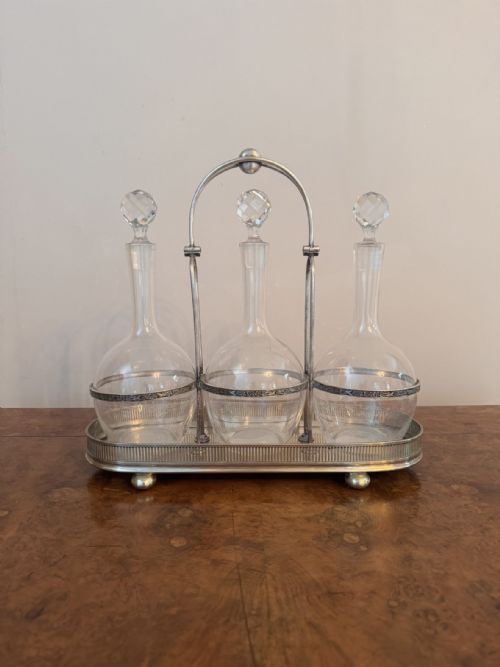
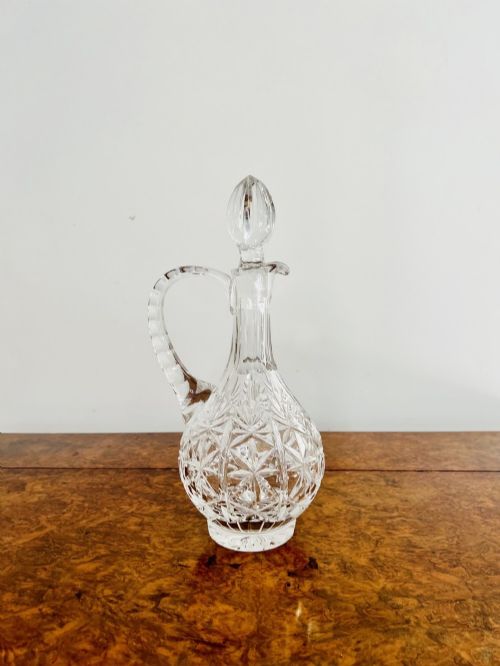
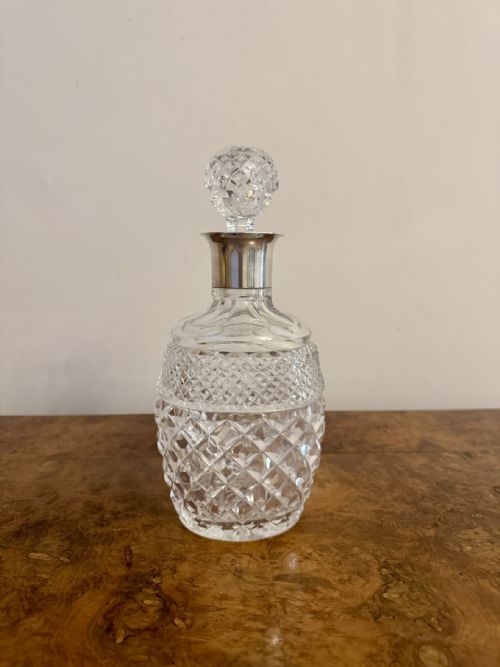
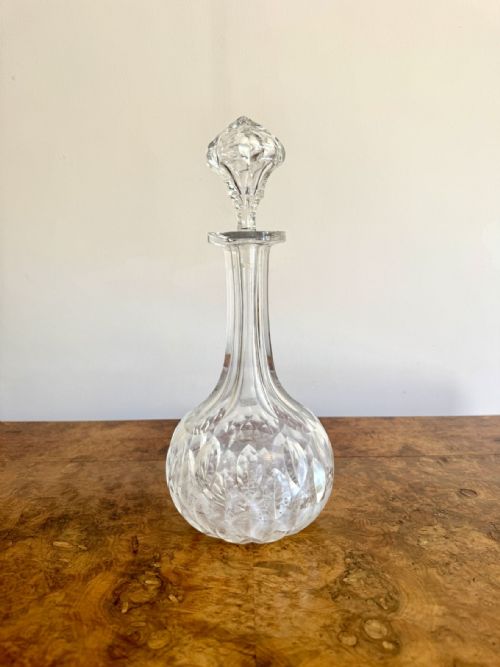
These cut glass spirit decanters span the Georgian, Victorian, and Edwardian periods, offering heavy crystal bodies and silver mounts designed to hold liquor safely on sideboard and table.
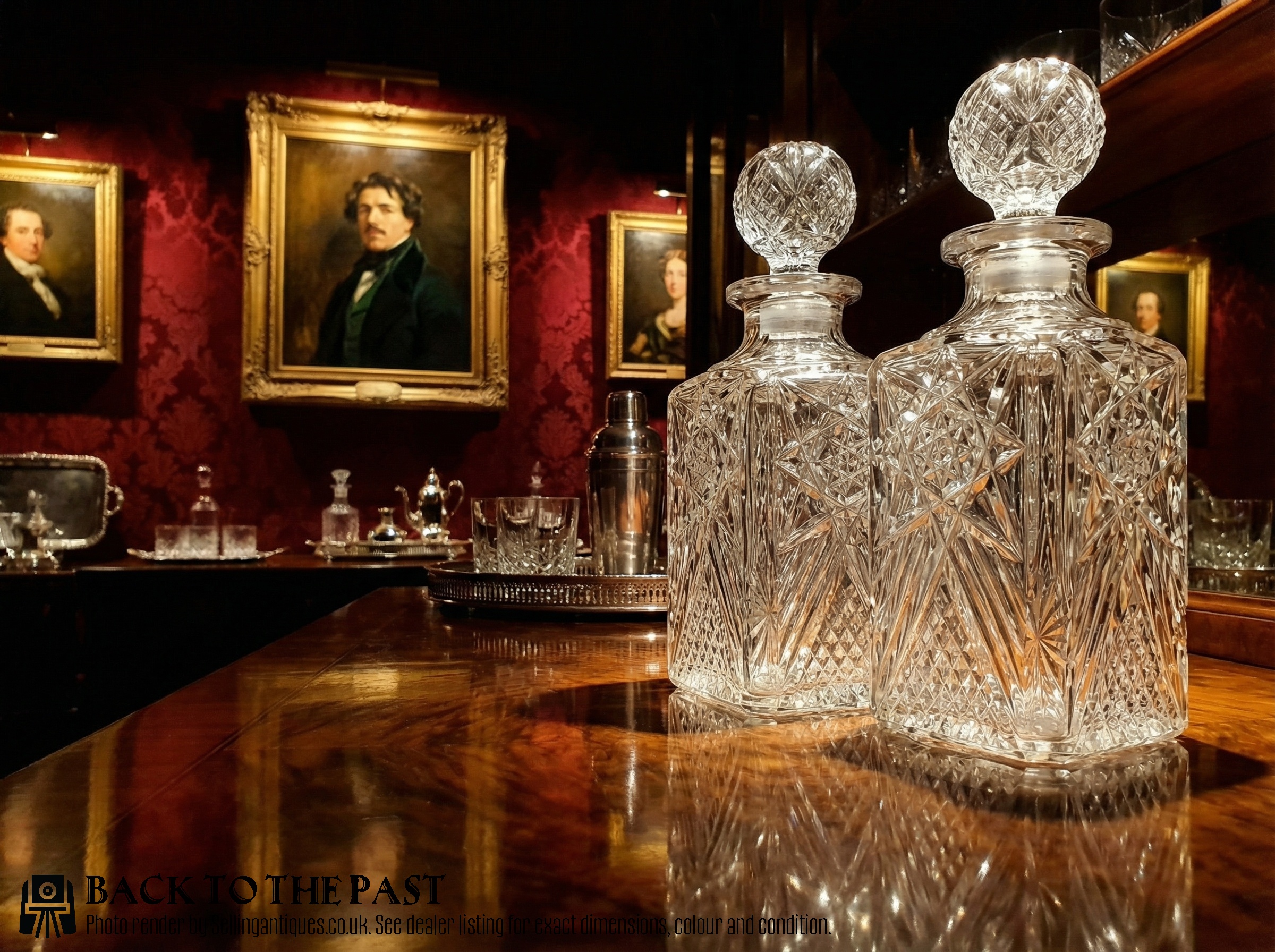
Cut Glass Spirit Decanter
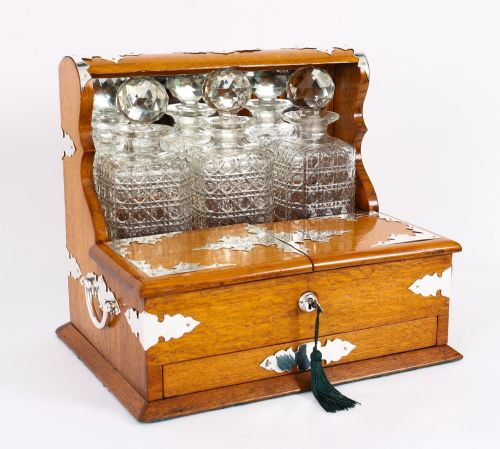
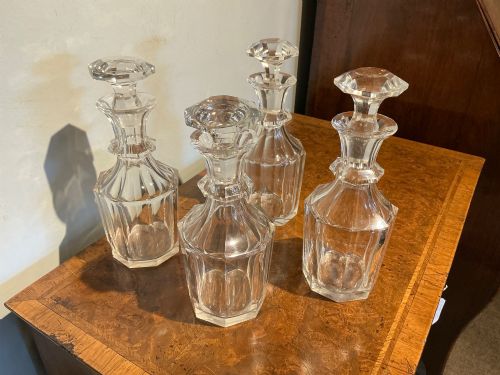
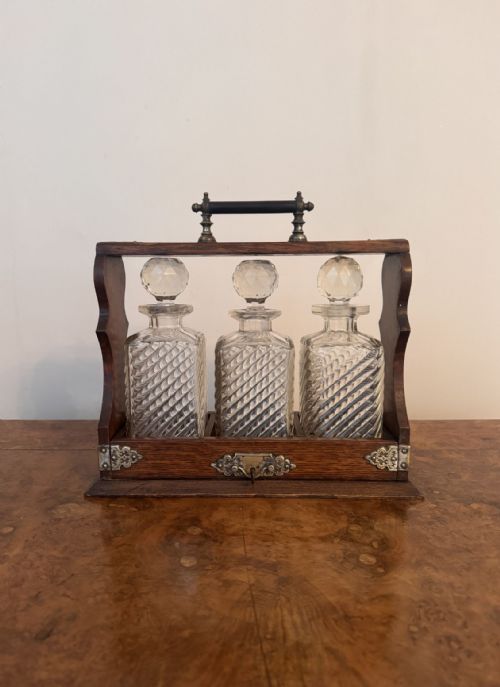
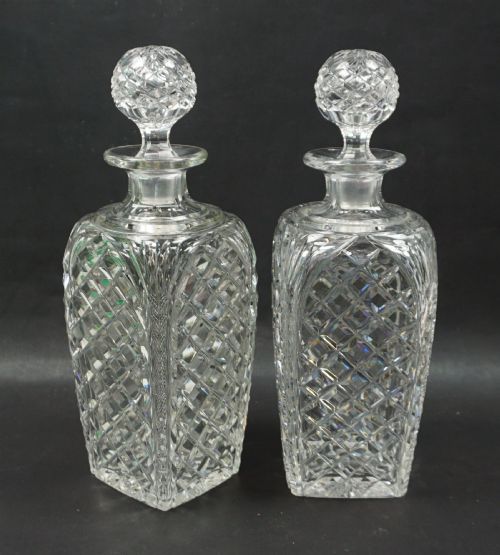
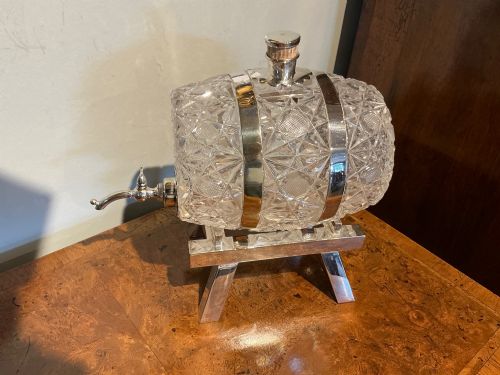
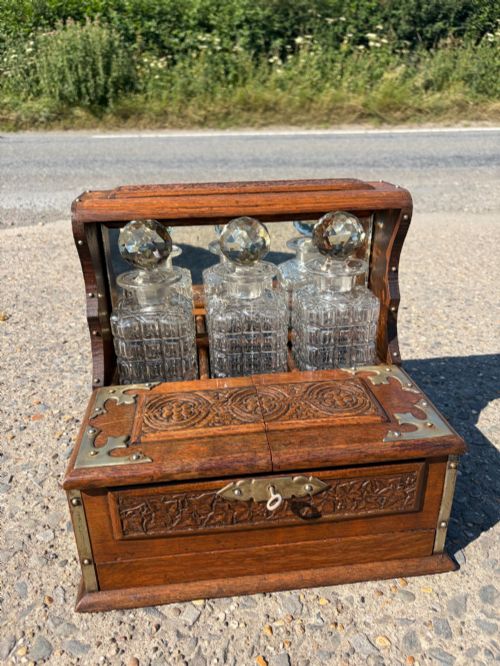
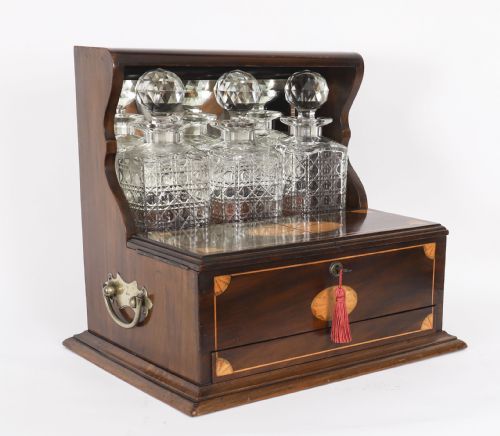
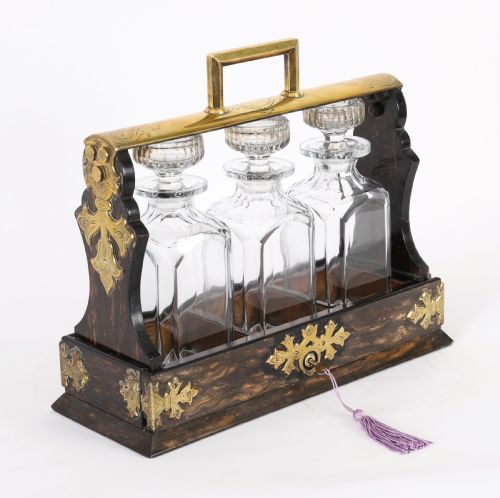
A cut glass spirit decanter is a heavy vessel designed to hold potable spirits like whisky, port, or sherry, frequently encountered as standalone bottles or housed within locking oak and mahogany tantalus frames. The selection on this page covers distinct forms from the eighteenth century to the twentieth century, including ships decanters, square section tapered bottles, and gin or spirit barrels.
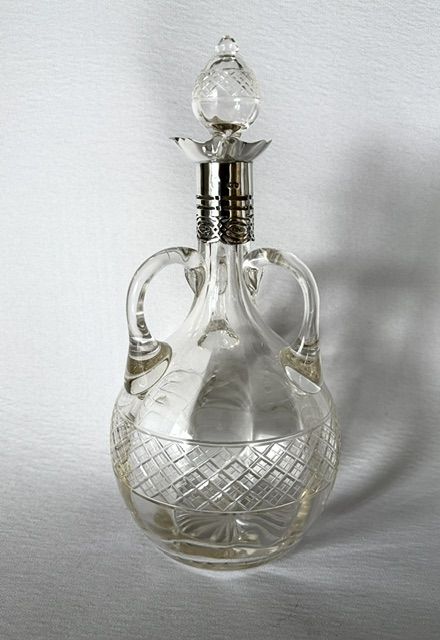
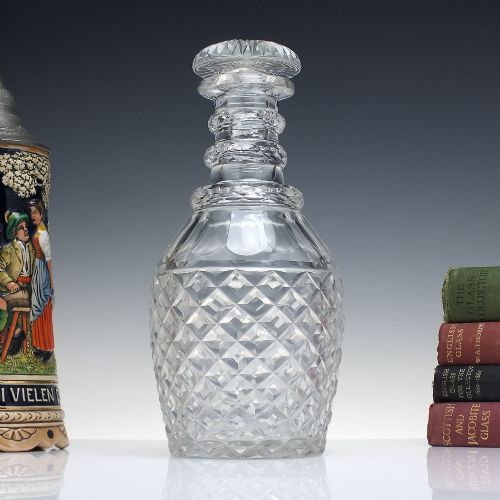
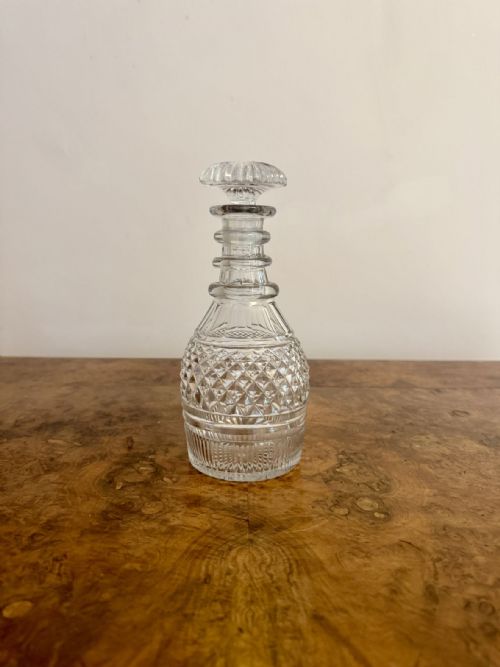
Most examples originate from the Victorian and Edwardian eras, often fitted with sterling silver collars, mounts, or stoppers made in Birmingham and London. Collectors also meet earlier Georgian and Regency specimens featuring deep prism or facet cutting, alongside specialised barware sets and games compendiums fitted with multiple crystal bottles.
How they were made
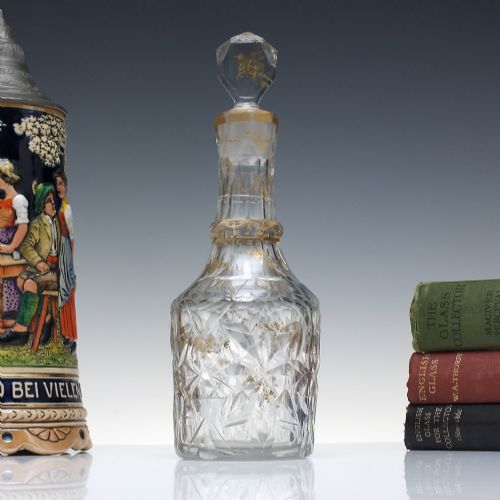
Makers utilised heavy lead crystal and cut glass, shaping the bodies through blowing before applying deep wheel cuts, hobnail patterns, or flutes across the surface. These glass bodies were frequently paired with mounted sterling silver collars, cast handles, and engraved spirit labels.
Wooden housings such as oak, blonde oak, satinwood, and coromandel timber provided structural frameworks for tantalus sets, incorporating brass locks, hinges, and fitted interiors for games and glasses.
Cut Glass Spirit Decanter Retail Price Guide 2026
Typical asking prices for cut glass spirit decanter among the pieces listed under this phrase on Sellingantiques today, from the lower quarter to the upper quarter. They describe what is for sale here now, not the wider market.
Listings feature lead crystal, cut glass, sterling silver, oak, brass, and coromandel across periods from George III to Art Deco.
What varies in quality
Quality rests in the crispness of the glass cutting and the weight of the crystal, where deeper, hand-carved facets create sharper light refraction than simpler pressed alternatives. The integration of solid silver mounts, maker-marked hardware, and fitted wooden tantalus frames further separates standard production items from workshop pieces.
Atelier of James Giles·Charles James Fox
The Cut Glass Spirit Decanter Glossary
- Tantalus
- A locking wooden frame designed to secure spirit decanters and prevent unauthorized access while displaying the cut glass bottles within.
- Hobnail cut
- A raised, multi-faceted geometric glass cutting pattern resembling the hobnails used on heavy boots.
- Ships decanter
- A wide-based vessel with a conical body designed to maintain stability at sea during heavy rolling.
Cut Glass Spirit Decanter: Frequently Asked Questions
What is a tantalus?
A tantalus is a locking wooden stand that holds cut glass spirit decanters securely by their stoppers, preventing access to the contents without a key.
Cabinetmakers typically constructed these frames from oak, coromandel, or mahogany, fitting them with brass mechanisms and locks.
How do I identify a ships decanter?
Ships decanters feature a distinct broad, flat base that tapers steeply upward toward a narrow neck, providing essential stability during movement.
This low centre of gravity prevented the heavy lead crystal vessels from tipping over on dining tables aboard nineteenth-century vessels.
How are periods told apart?
Georgian and Regency decanters generally display deep hand-cut facets, prism patterns, and polished pontil marks on lighter glass weights.
Victorian and Edwardian examples shift toward heavier lead crystal bodies, frequently accompanied by stamped silver collars bearing assay office marks and dates.
Were these decanters meant for display?
These vessels were engineered for active service on dining sideboards, drawing rooms, and gentleman's clubs to serve wine and spirits directly.
Their heavy cut crystal construction allowed them to catch candle or gas light while containing daily household supplies of port, sherry, and whisky.