

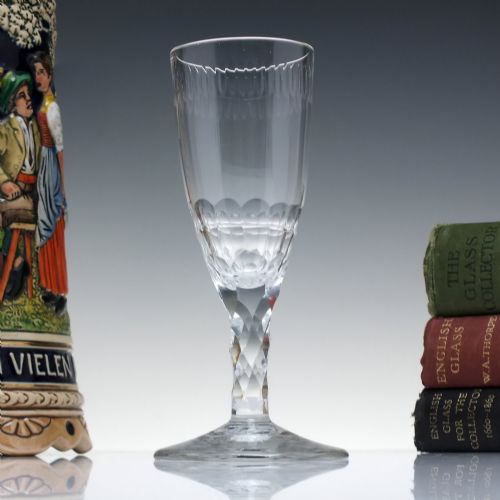
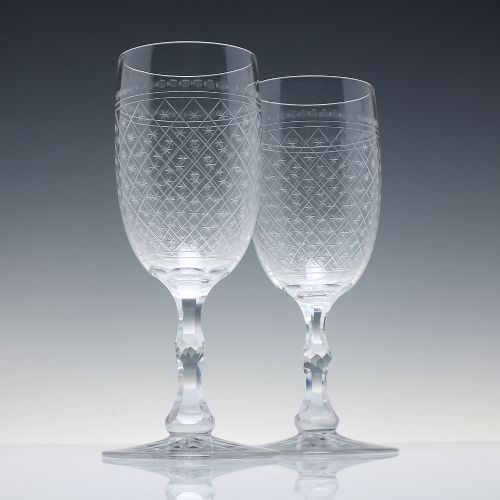
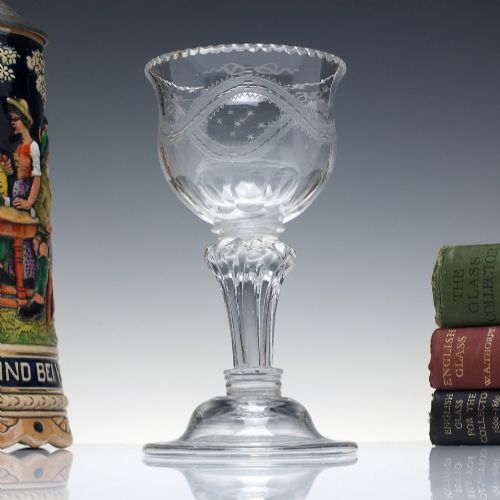
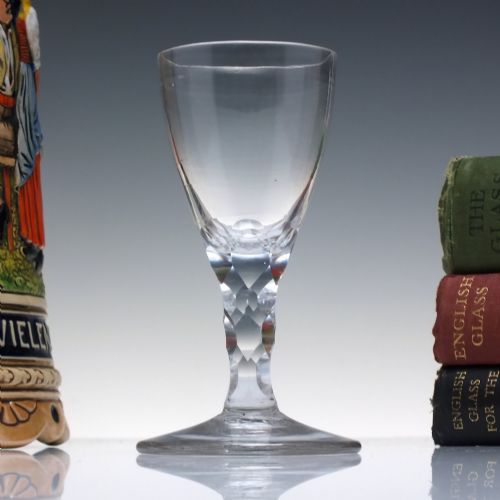
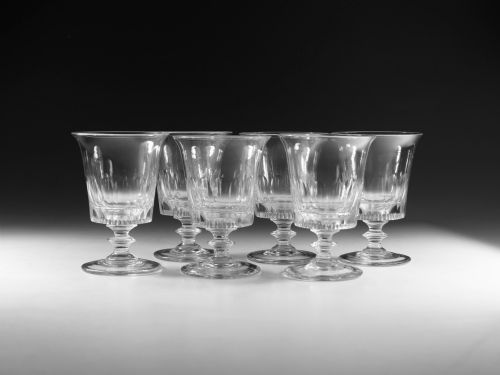
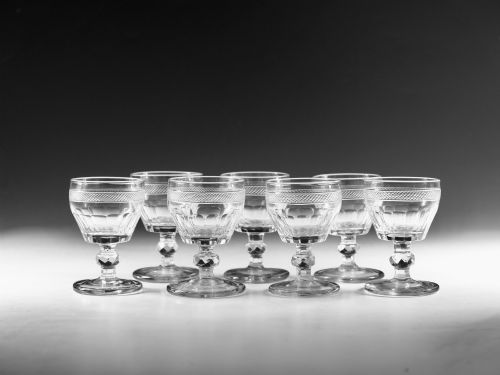


Cut Crystal Stemmed Goblet
A cut crystal stemmed goblet brings weight and brilliance to the table, offering a heavy-set glass drinking vessel designed for fine wine, ale, and rum.
Cut Crystal Stemmed Goblet
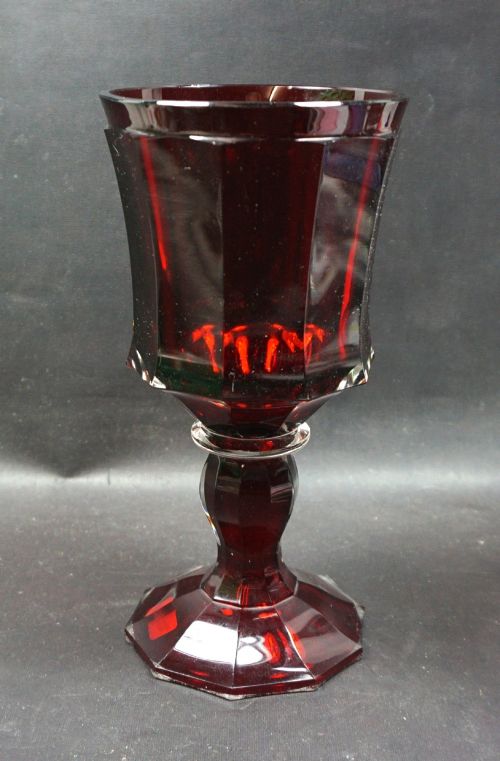
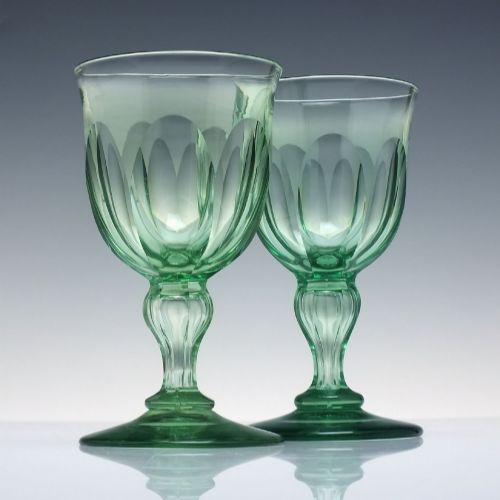
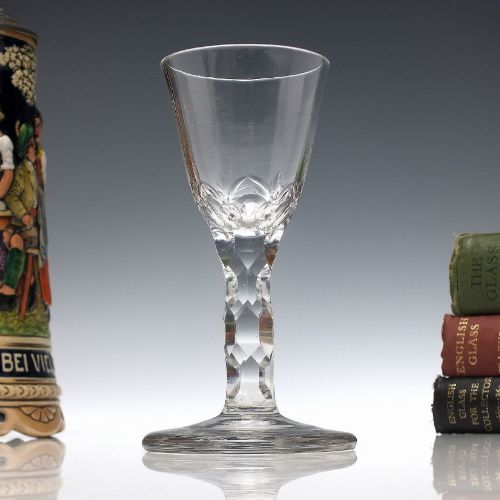
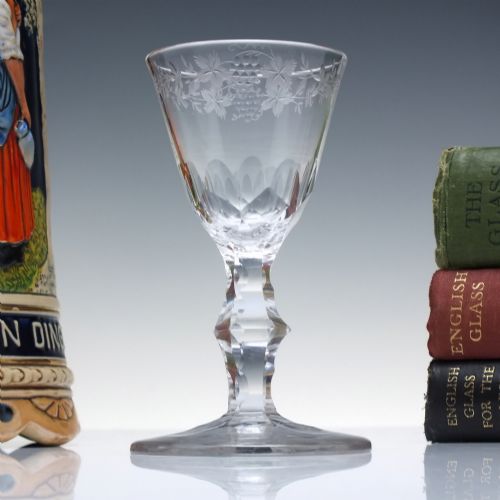
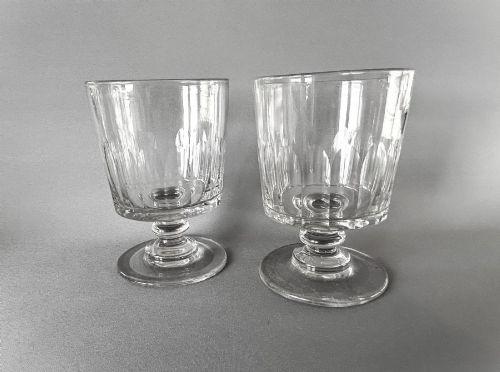
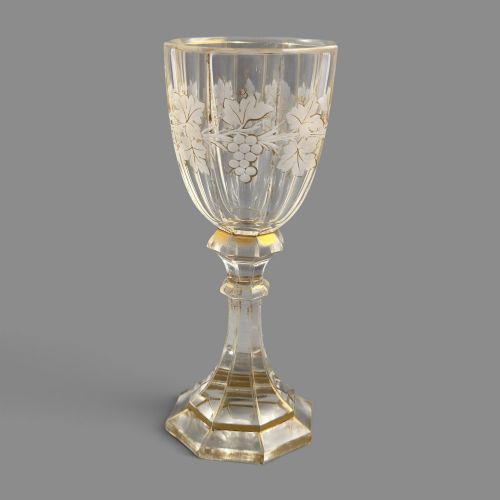
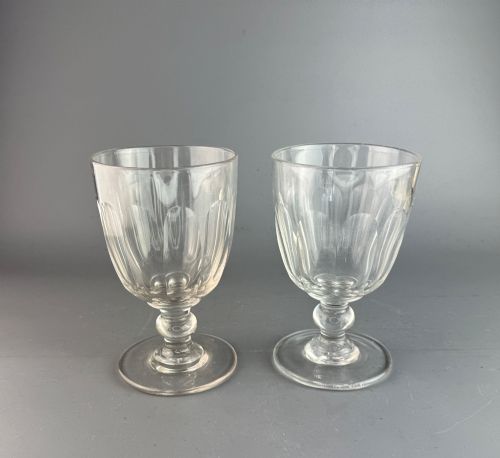
When searching for a cut crystal stemmed goblet, collectors encounter heavy drinking vessels spanning the Georgian, Regency, and Victorian periods. These pieces include large rummers, facet-cut wine glasses, sweetmeat glasses, and tall engraved goblets originating from English and Bohemian workshops.
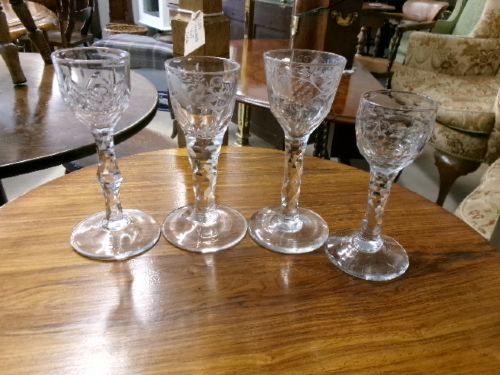
The version most commonly met on this page is the Georgian facet-cut wine glass or rummer, typically featuring a thick foot, a patterned stem, and a decorated bowl. English and Irish examples from the eighteenth and nineteenth centuries dominate the selections alongside coloured Bohemian pieces.
Forms range from intimate dram glasses and port glasses to substantial rummers and overlaid crystal goblets intended for grander toasts. Each piece displays the functional design of historic glassware paired with decorative wheel-cutting or intaglio engraving.
Quality factors in historic glassware
The clarity and purity of the metal set top-tier examples apart from ordinary production, with superior crystal exhibiting high brilliance and minimal internal imperfections. Heavy lead content gives the finest pieces a resonant ring and a reassuring heft in the hand.
The execution of the cutting and engraving marks the boundary between standard output and master craftsmanship. Crisp, deep facets with sharp junctions and finely detailed wheel-engraved motifs indicate superior skill, whereas soft, blurred edges suggest lesser workmanship.
Cut Crystal Stemmed Goblet Retail Price Guide 2026
Typical asking prices for cut crystal stemmed goblet among the pieces listed under this phrase on Sellingantiques today, from the lower quarter to the upper quarter. They describe what is for sale here now, not the wider market.
Object types recorded include heavy rummers, port glasses, wine glasses, and sweetmeat servers with facet stems.
James Giles·Moser
The Cut Crystal Stemmed Goblet Glossary
- Rummer
- A large, sturdy drinking glass popular in the eighteenth and nineteenth centuries, often featuring a thick stem and a capacious bowl used for ale or wine.
- Facet cut
- A decorative pattern of flat, polished planes ground into the surface of the glass to catch and reflect light.
- Sweetmeat glass
- A stemmed vessel with a shallow bowl designed for serving preserved fruits, nuts, or small confections during formal dining.
- Baluster stem
- A thick, swelling stem shape reminiscent of architectural balusters, seen on heavier drinking glasses from the Georgian era.
- Intaglio engraving
- A technique where designs are carved directly into the surface of the glass rather than raised in relief.
- Over glass
- Glass created by casing a core of clear or coloured glass inside an outer layer of a different colour, which is then cut away to reveal the contrast.
Cut Crystal Stemmed Goblet: Frequently Asked Questions
How do I spot a Georgian goblet?
Examine the weight, foot form, and manufacturing traits such as pontil marks on the underside. Georgian pieces typically utilise heavy lead glass with hand-cut facets and thicker proportions than later reproductions.
Look closely at the style of engraving and the colour of the metal. Eighteenth and early nineteenth-century glass often displays a slightly greyish or warm tone rather than modern optical clarity.
What were rummers used for?
Rummers served as large, everyday drinking vessels for ale, punch, and robust wines during the Georgian and Victorian periods. Their sturdy build made them suitable for communal dining tables and taverns.
Unlike delicate cordial glasses, these substantial goblets held generous portions and were built to withstand frequent handling during social gatherings.
Can I use antique goblets today?
Historic glassware can be used for special occasions, provided you handle them with care. Hand washing in warm water is essential to preserve the delicate metal and historic surfaces.
Avoid sudden temperature changes, as old lead crystal is sensitive to thermal shock. Storing them securely on flat surfaces prevents chips to the thin rims.
What is Jacobite engraving?
Jacobite engraving refers to political symbols, such as roses and oak leaves, etched onto eighteenth-century glassware by supporters of the exiled Stuart dynasty. These secretive motifs served as toasts during clandestine meetings.
Finding genuine period examples with these specific commemorative symbols requires careful examination of the wheel-cut lines and the age of the underlying crystal.