
Curved Mahogany Cabinet
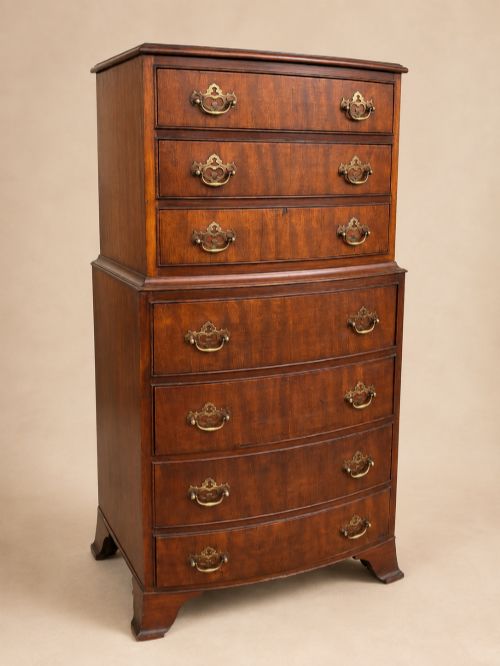
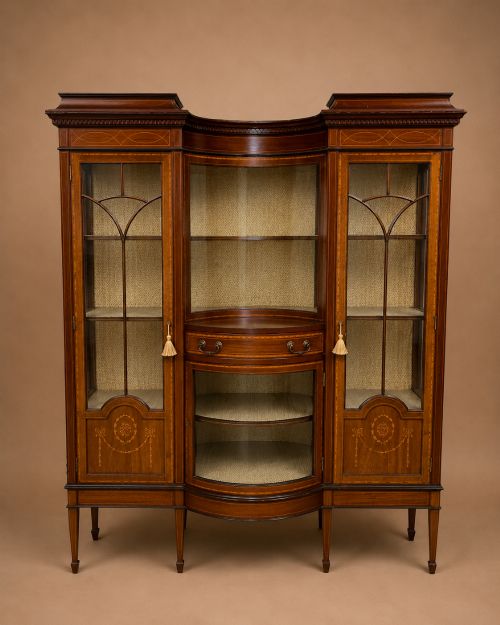
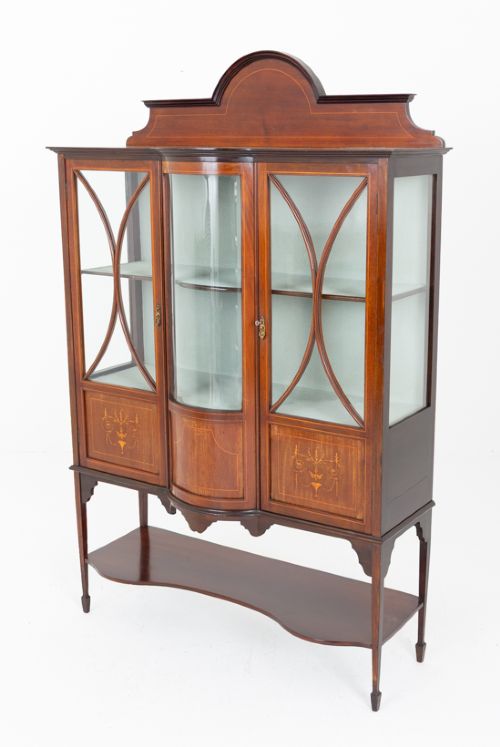
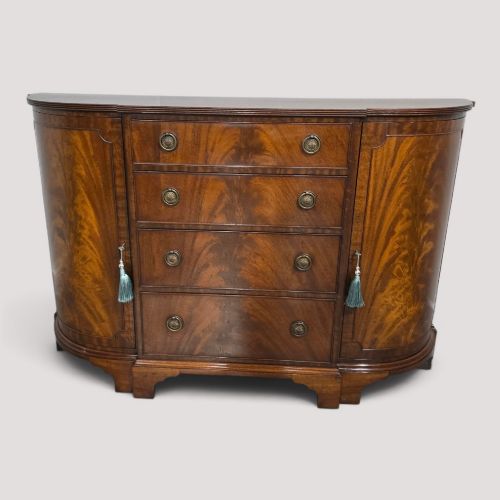
A curved mahogany cabinet uses rounded timber lines to soften a room while holding books, silver or curios.
Curved Mahogany Cabinet
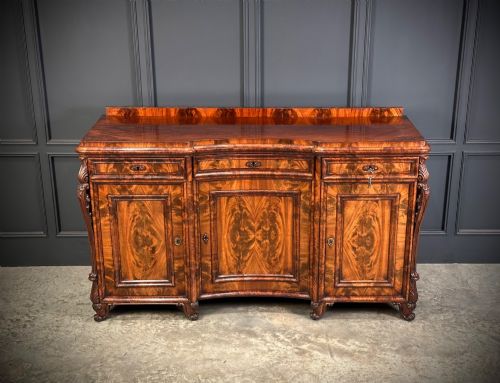
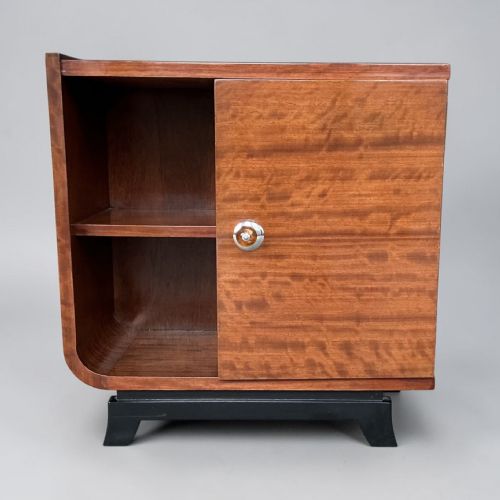
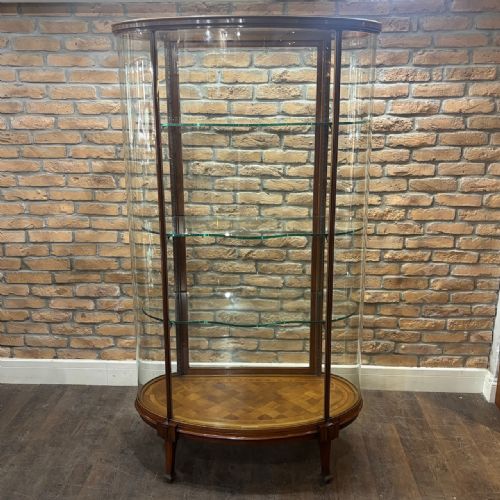
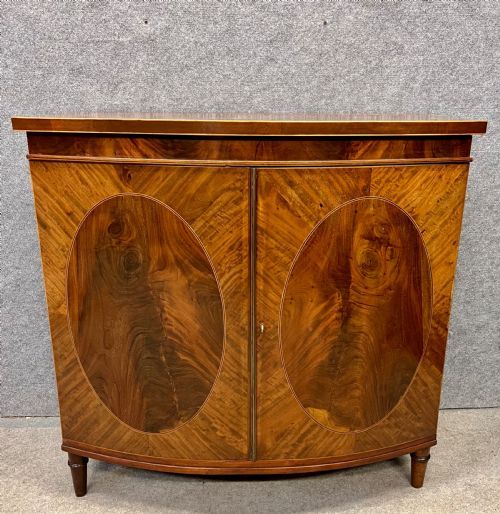
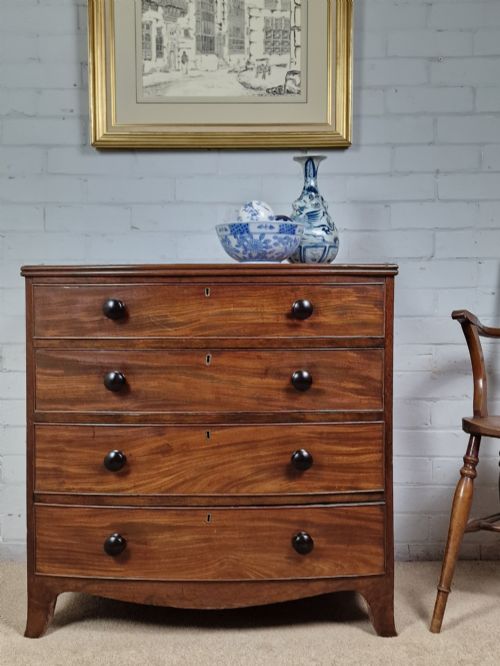
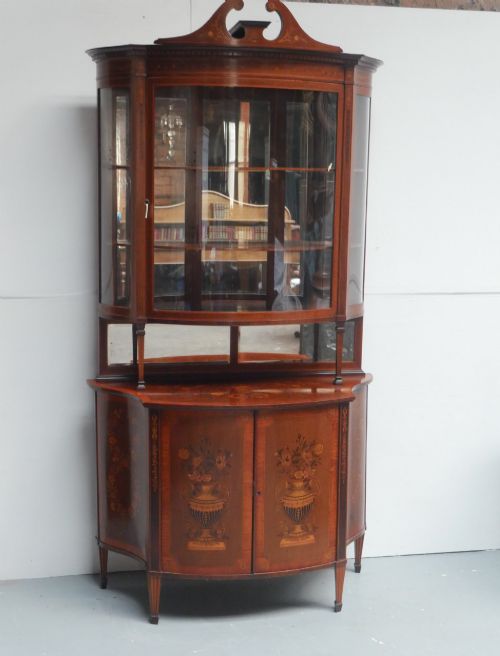
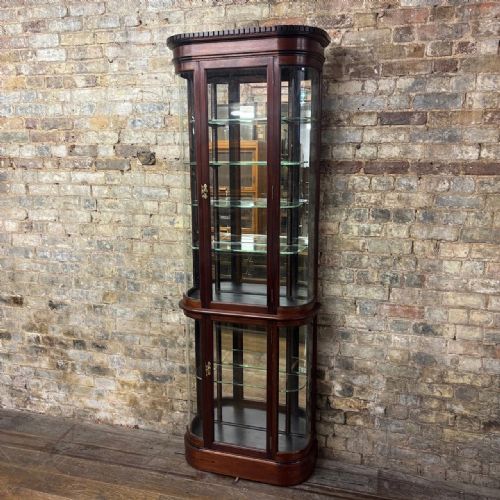
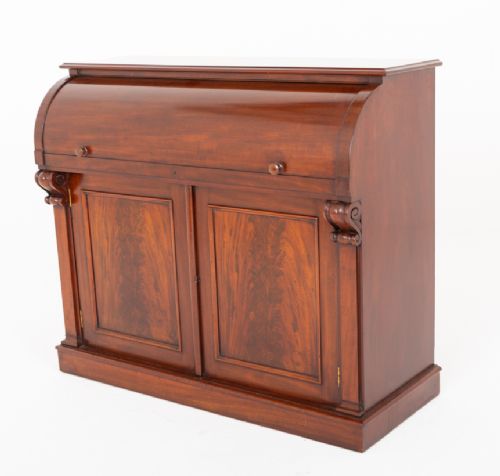
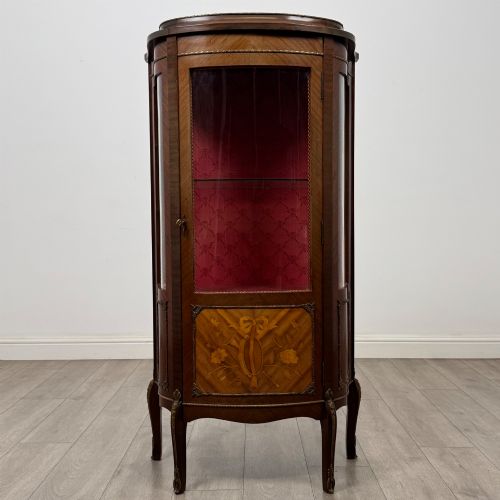
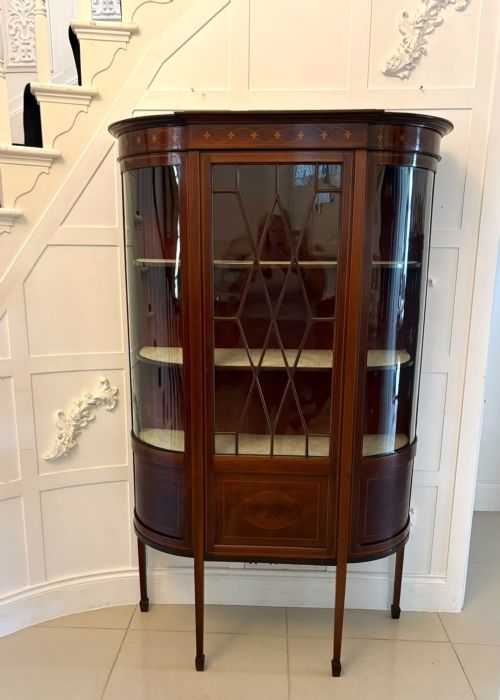
A curved mahogany cabinet brings sweeping wooden fronts and glazed display doors into domestic spaces. Buyers searching for a curved mahogany cabinet encounter display cabinets, corner cupboards, sideboards and chests of drawers from Georgian, Victorian, Edwardian and twentieth-century periods.
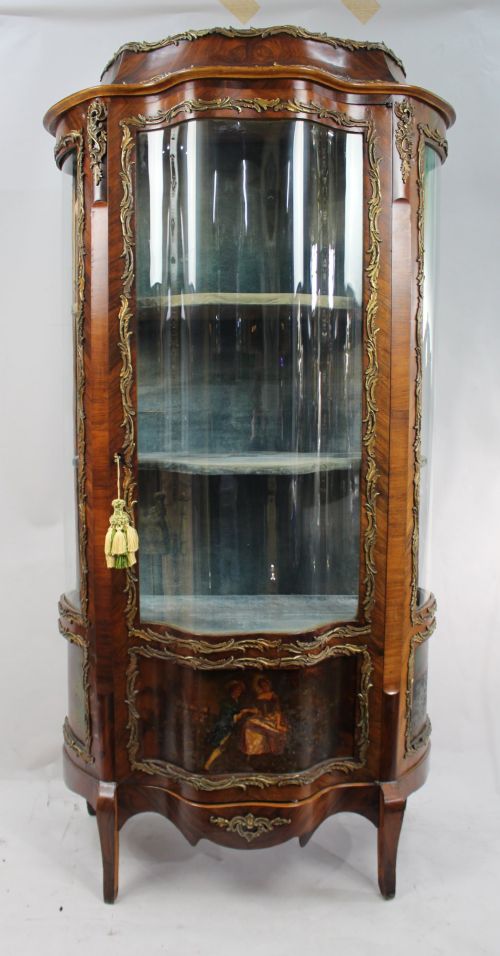
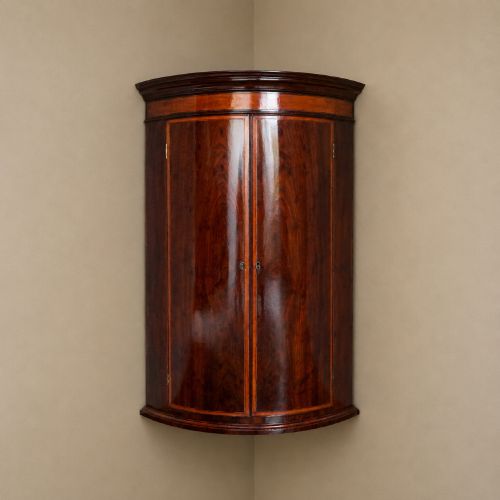
The selection ranges from tall two-part glazed display pieces and hanging corner cupboards to bowfront sideboards and demi-lune cabinets. French vitrines and shop display units appear alongside British vernacular forms.
Edwardian and Georgian examples dominate the offerings, spanning the eighteenth, nineteenth and early twentieth centuries. Makers and workshops from Britain and France produced these rounded silhouettes in varying scales.
Evaluating craftsmanship and proportion
Quality rests in the precision of the curved joinery and the selection of timber veneers. Grain alignment across rounded drawer fronts and doors distinguishes finer workshops from standard production.
The integration of decorative elements such as marquetry, ormolu mounts and delicate satinwood inlay separates ordinary examples from pieces showing exceptional design ambition.
Listings feature mahogany combined with marble tops, ormolu mounts, satinwood inlay and glazed panels across Georgian, Victorian and Edwardian periods.
F. Sage and Co·Edwards and Roberts·François Linke·Paul Sormani
The Curved Mahogany Cabinet Glossary
- Bowfront
- A convex curving cabinet or drawer front that swells outward at the centre. This profile became popular in late Georgian and Regency furniture design.
- Demi-lune
- A half-moon shape used for cabinets and sideboards designed to fit flush against a wall. The curved front presents a smooth semicircle.
- Ormolu
- Gilded bronze mounts applied to furniture for decorative effect. French cabinets frequently utilise these cast metal ornaments.
- Vernis Martin
- A type of simulated Japanese lacquer developed in eighteenth-century France. Cabinet makers applied these polished painted panels to fine vitrines.
- Serpentine
- A wave-like profile curving outward at the edges and inward in the middle. This undulating shape requires advanced woodworking skill.
Curved Mahogany Cabinet: Frequently Asked Questions
Where should I place a curved mahogany cabinet?
These cabinets suit corners, hallways and principal reception rooms where rounded lines soften architectural angles. Their curved profiles help maintain clear walkways in tighter spaces.
Display variants showcase porcelain and glassware, while sideboard versions serve dining areas for storage and surface display.
How do I care for mahogany and ormolu?
Dust mahogany surfaces regularly with a soft, dry cloth and apply occasional high-grade wax to nourish the grain. Avoid direct sunlight and excessive heat to prevent timber splitting.
Keep ormolu mounts free from abrasive cleaners and moisture. Gentle dusting preserves the original gilt finish without damaging the metal.
Are these cabinets purely British in origin?
While many pieces reflect British Georgian and Edwardian cabinet-making traditions, a significant portion originates in France. French vitrines and side cabinets introduce distinct Continental styling.
Both regional traditions utilise mahogany, but French pieces frequently incorporate elaborate ormolu and Vernis Martin finishes.