

Curved Back Desk
A curved back desk provides the ergonomic embrace and sturdy support needed for long hours of writing.
Curved Back Desk
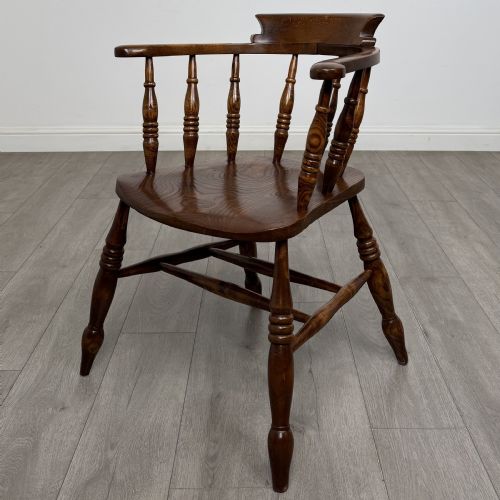
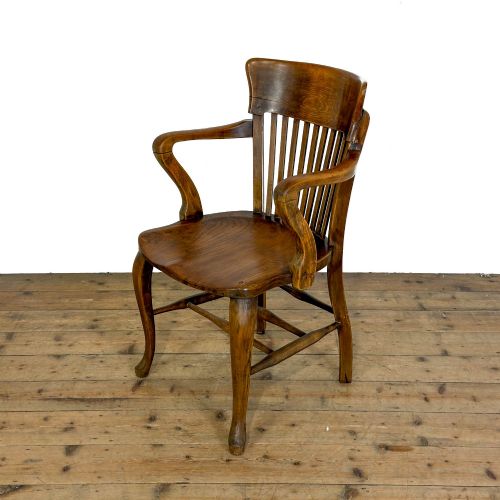
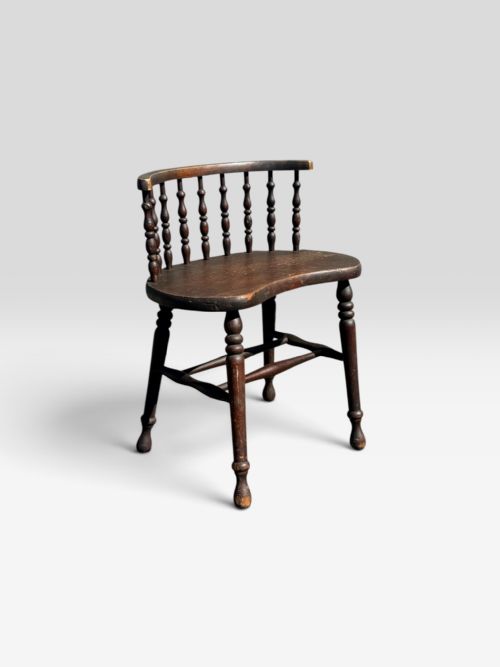
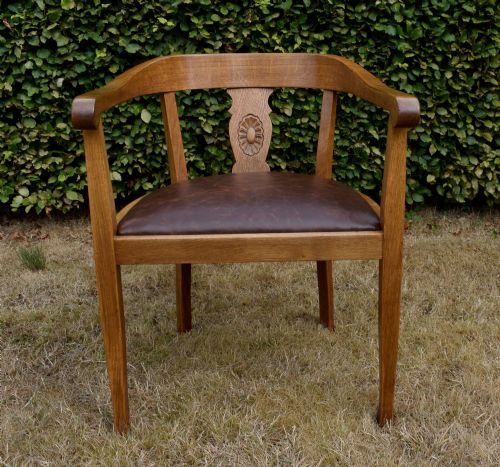
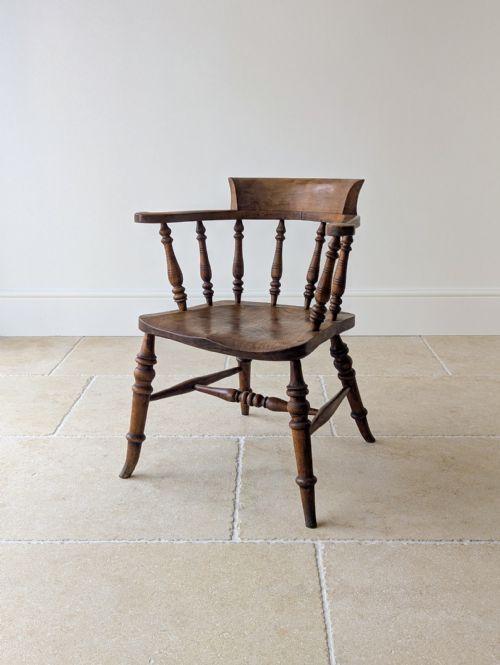
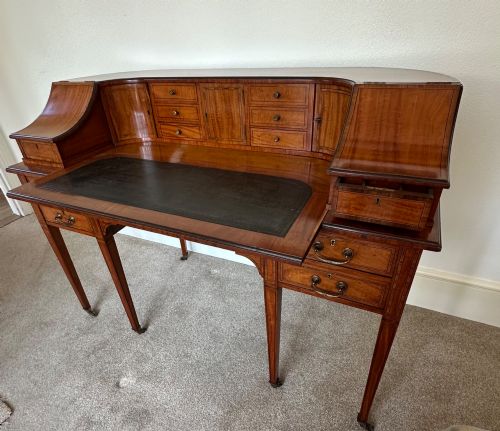
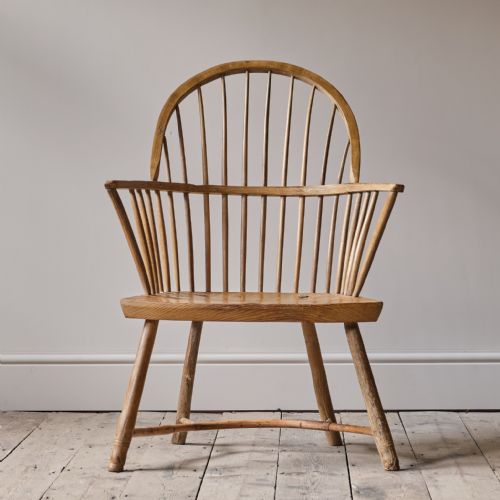
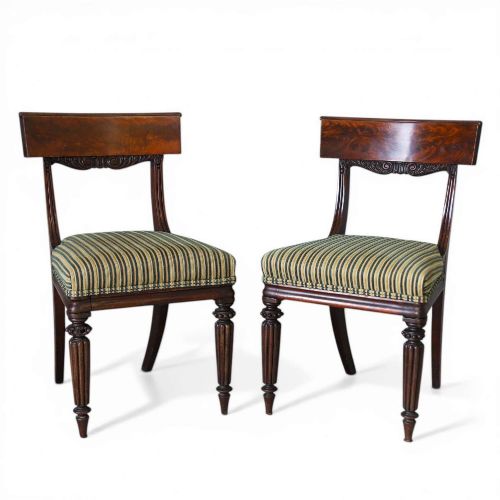
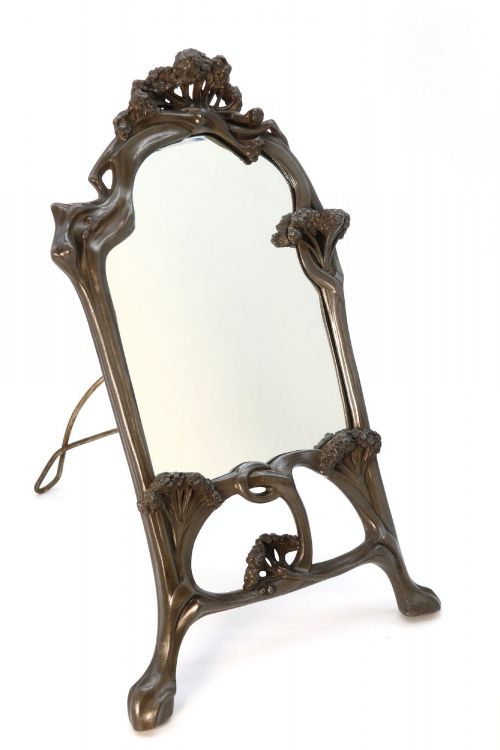
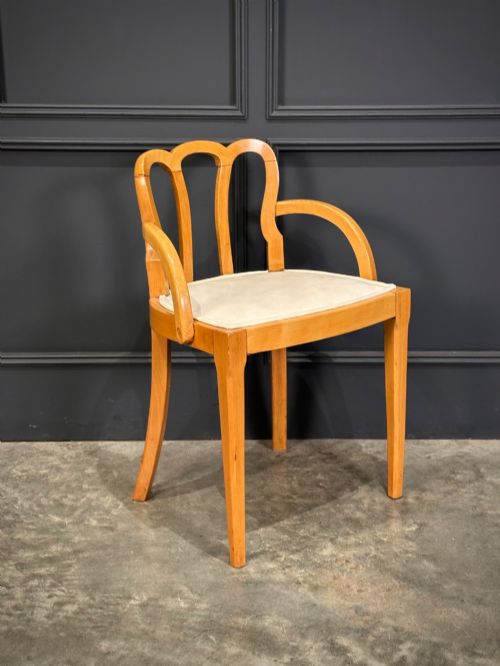
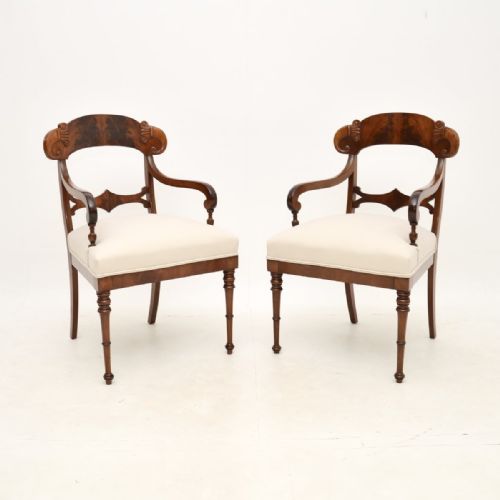
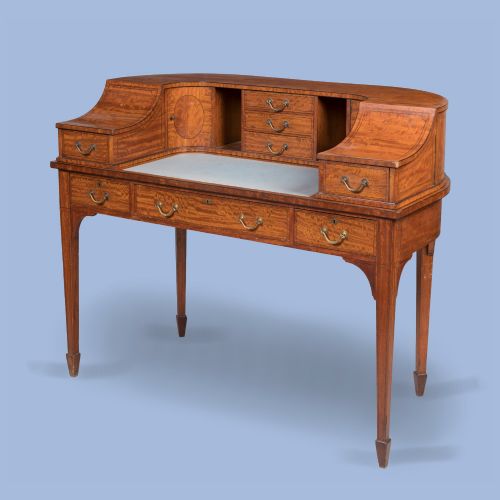
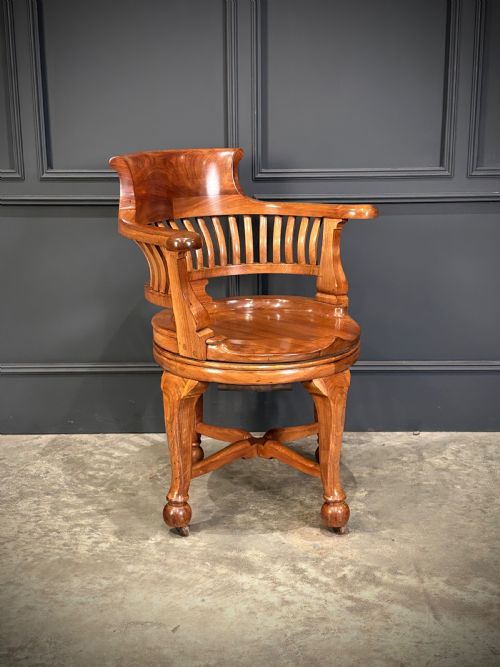
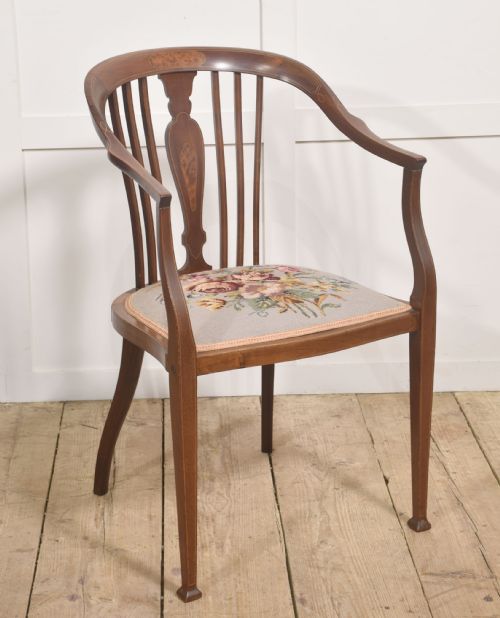
A curved back desk setup often centres around seating designed with rounded or tub-style wooden frames that tuck neatly beneath the workspace. The listings here showcase various iterations of the curved back desk concept, spanning from Victorian captain's chairs and smokers bows to Edwardian writing tables and satinwood Carlton house desks.
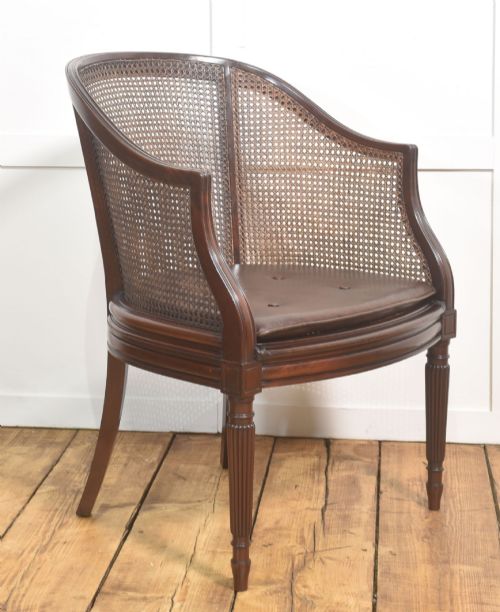
Buyers frequently encounter nineteenth-century and early twentieth-century examples constructed from timbers such as mahogany, oak, elm, and yew wood. These items range from solid swivel office chairs to elegant elbow chairs with cane or leather details.
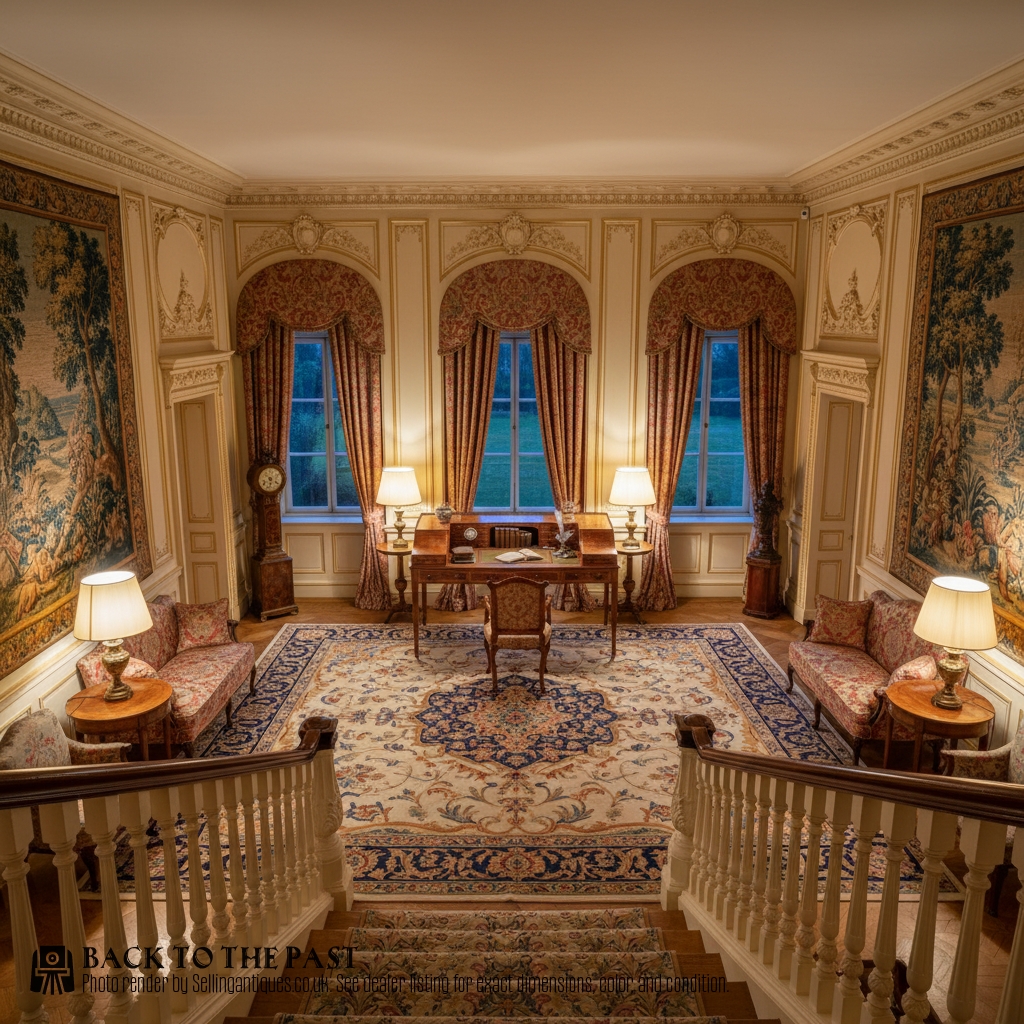
Materials and construction techniques
Cabinet makers and joiners utilised solid hardwoods like mahogany, oak, and beech, often pairing them with contrasting satinwood inlays or sturdy elm seats. Steam-bending techniques allowed artisans to shape continuous wooden rails for the characteristic rounded backs of Windsor and tub chairs.
Finishing touches incorporated leather upholstery, brass hardware, and hand-cane work to enhance both comfort and utility. Joinery relied on traditional mortise and tenon methods to ensure enduring stability for everyday office use.
Distinguishing quality variations
The standard of timber selection and the complexity of the woodwork dictate the upper tier of these seating options. Pieces featuring figured burr elm, intricate satinwood inlay, or sophisticated swivel mechanisms demonstrate superior craftsmanship.
Proportion and integrity of the original frame structure separate standard utilitarian workshop output from finer parlour or library seating. Refined turning on spindles and well-executed joinery without excessive modern intervention preserve the historical integrity of the piece.
Louis Auguste Moreau·E.W. Godwin·George Hepplewhite·Benjamin Gilling
The Curved Back Desk Glossary
- Tub armchair
- A comfortable seating form featuring a continuous curved backrest that flows directly into low arms. This design wraps around the sitter to offer support during extended periods at a writing table.
- Captain's chair
- A sturdy wooden armchair with a rounded spindle or hooped back designed for office use. These typically feature solid timber seats and stout legs suited for daily workspace tasks.
- Carlton house desk
- A refined writing cabinet characterised by a fitted superstructure of small drawers and compartments curving around the back and sides of the writing surface. These often incorporate fine mahogany or satinwood veneers.
- Smokers bow
- A low-backed Windsor-style armchair featuring a turned spindle gallery above a thick solid wood seat. It shares structural similarities with traditional captain's chairs found in nineteenth-century offices.
- Swivel mechanism
- An internal iron or wooden pivot system allowing the upper seat portion to rotate. This mechanical addition appears on late nineteenth and early twentieth-century desk chairs.
Curved Back Desk: Frequently Asked Questions
How do I date a wooden desk chair?
Dating relies on examining the timber species, tool marks, joinery methods, and hardware components used in the construction.
Nineteenth-century examples often display hand-turned spindles and solid elm seats, whereas twentieth-century versions may include metal swivel mechanisms and different upholstery styles.
Were these chairs used exclusively for writing?
While primarily manufactured for studies, libraries, and offices, these versatile seating forms also served in bedrooms and sitting rooms.
Sturdy wooden frames and comfortable arm placements made them practical for various daily tasks beyond simple correspondence.
How should I care for antique wood furniture?
Maintaining antique timber requires keeping pieces away from direct heat sources and sudden humidity changes to prevent wood splitting.
Applying occasional natural wax helps nourish the surface polish without building up residue over the original patina.