

Crystal Wine Stems
These crystal wine stems bring centuries of drinking history to the table, offering tactile weight and optical clarity.
Crystal Wine Stems
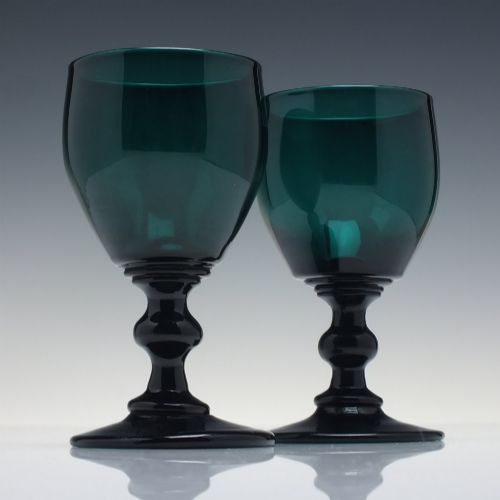
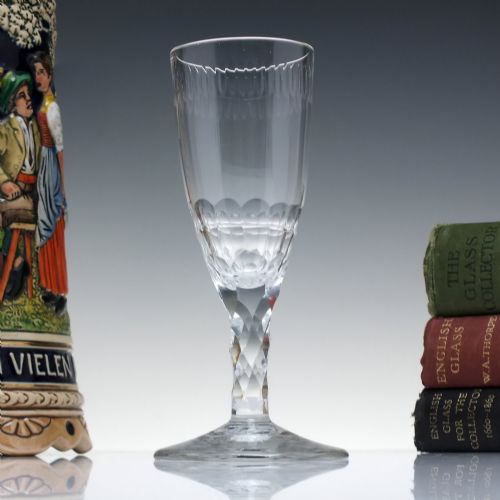
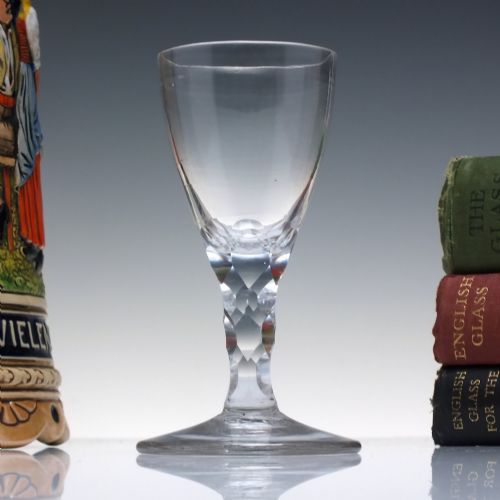
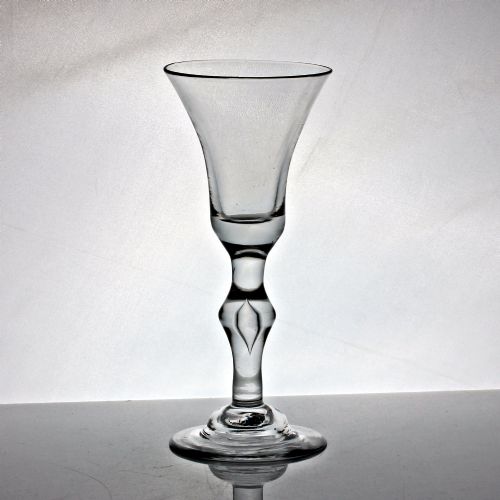
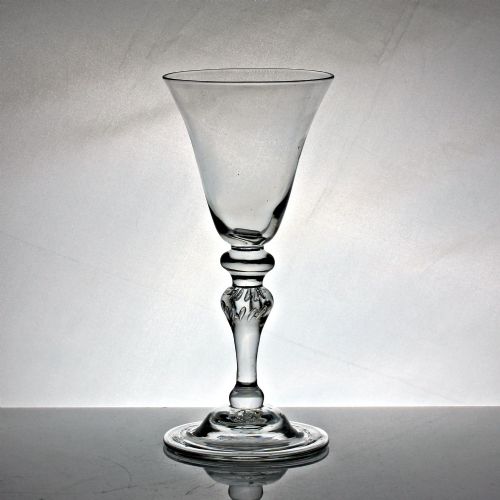
When you search for crystal wine stems, you encounter historical glassware designed for dining and toasts. The selection ranges from eighteenth-century English drinking vessels to later Victorian and continental productions.
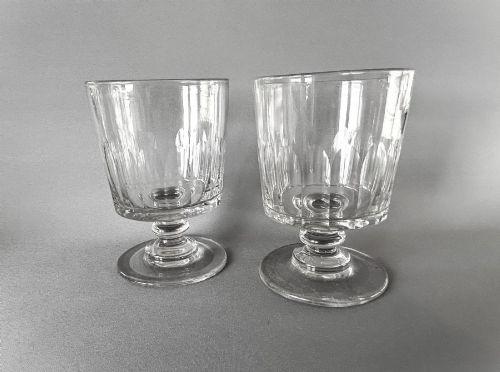
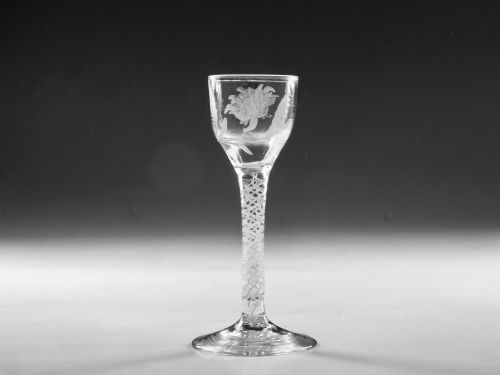
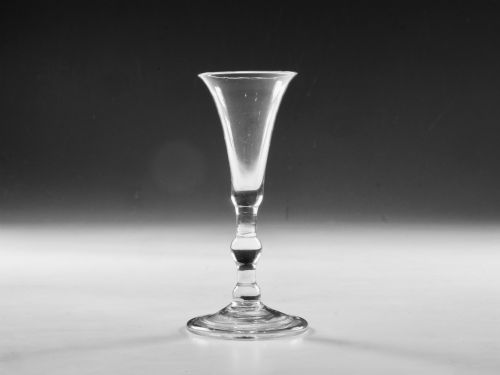
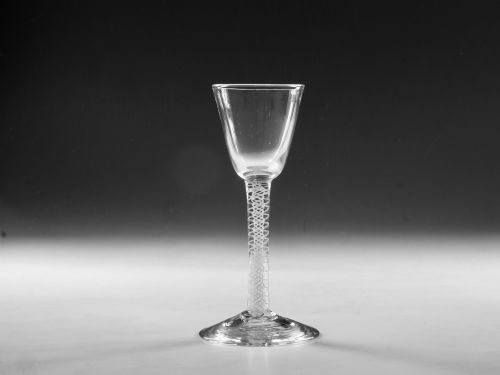
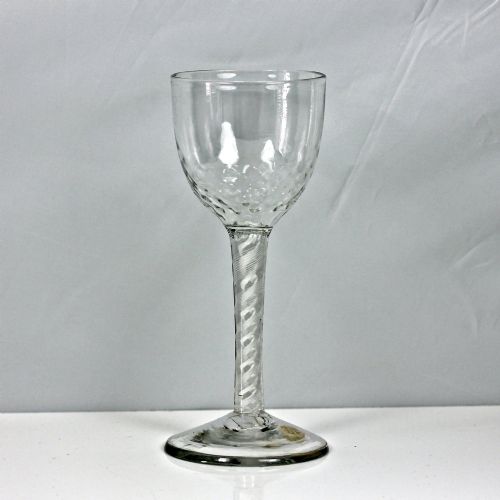
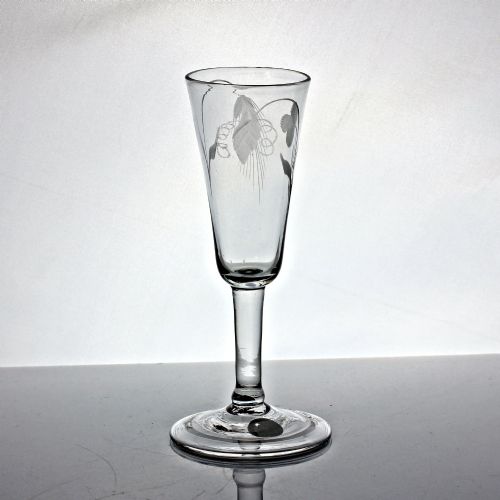
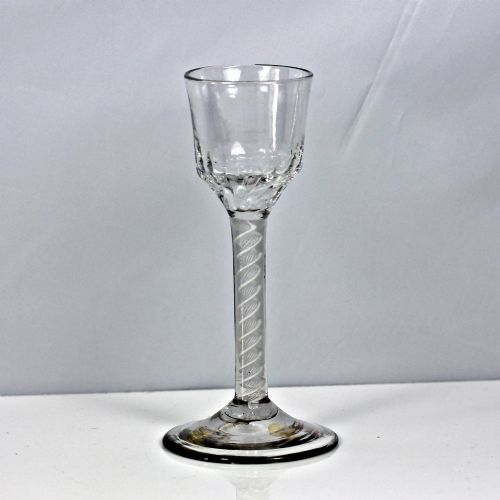
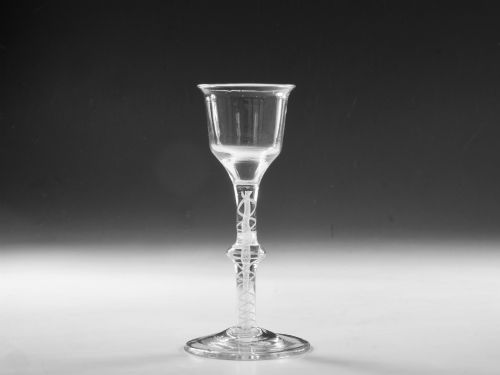
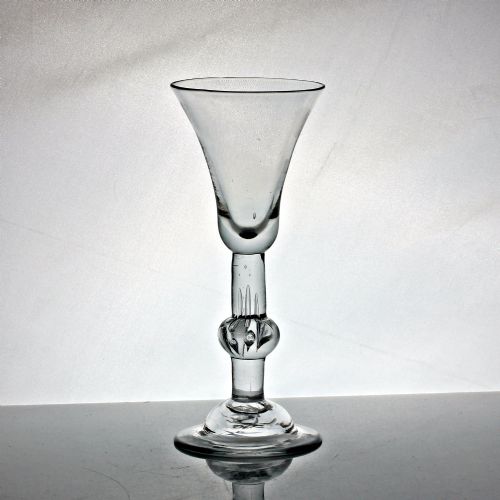
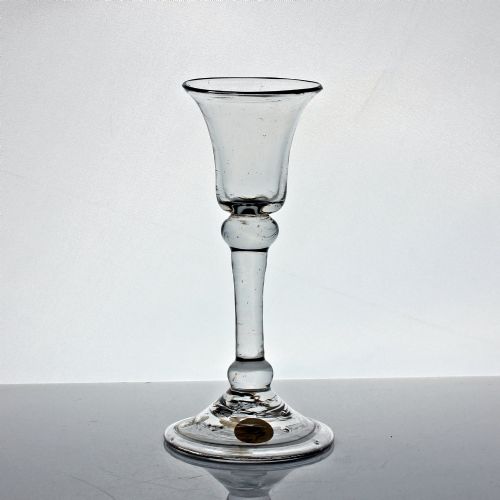
You are most likely to meet Georgian examples on this page, including baluster, balustroid and twist stem glasses alongside Victorian cut rummers and champagne flutes.
Materials and manufacture
The pieces rely on lead glass and lead crystal, which provide the high refractive index and substance necessary for deep cutting and engraving. Artisans shaped these vessels using traditional blowing techniques, often incorporating applied feet and folded rims.
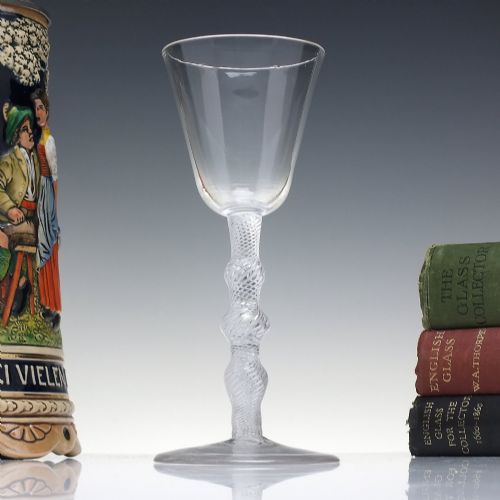
Decoration involved wheel engraving, star-etching, and the creation of internal optical phenomena such as air twists and opaque twists during the formation of the stem.
Crystal Wine Stems Retail Price Guide 2026
Typical asking prices for crystal wine stems among the pieces listed under this phrase on Sellingantiques today, from the lower quarter to the upper quarter. They describe what is for sale here now, not the wider market.
Several historical glasses carry anti-Jacobite sentiments, proving that political rebellion once found its way directly into the toast.
Assessing quality
Quality rests upon the purity and weight of the metal, the crispness of any cut or engraved decoration, and the symmetry of the bowl and foot. Pieces exhibiting deliberate optical elements like double series opaque twists demonstrate higher technical mastery.
Proportion and the handling of the knops and stems separate standard tavern glass from sophisticated vessels intended for elite eighteenth and nineteenth-century dining tables.
Moser Bohemian·Theresienthal
The Crystal Wine Stems Glossary
- Air twist
- A stem containing elongated internal air bubbles drawn into spirals during manufacture. This technique creates a delicate optical pattern within the transparent glass.
- Opaque twist
- A stem formed with internal white enamel glass threads twisted into single or multiple spiral configurations. These threads contrast sharply against the clear metal of the glass.
- Ogee bowl
- An s-profile drinking vessel that curves outward at the rim and inward toward the base. This shape concentrates aromas effectively.
- Folded foot
- A base edge turned underneath to create a thickened, rounded rim that adds stability and strength. This feature guards against chipping during use.
Crystal Wine Stems: Frequently Asked Questions
How do I date antique wine glasses?
Dating relies on observing specific manufacturing traits, such as pontil marks on the underside of the foot, the composition of the metal, and stem formations like balusters or air twists. Stylistic shifts in bowl shapes from bell to ogee also provide reliable chronological markers.
Comparing known period examples helps anchor pieces to centuries such as the eighteenth or nineteenth, though documentary evidence or specific engraving dates offer the greatest precision.
Were these glasses used for wine?
While often termed wine glasses, many eighteenth-century and Georgian forms served multiple alcoholic beverages including punch, ale, cider, and gin. The smaller bowls accommodated fortified wines or spirits rather than modern generous pours.
Over time, specialised forms emerged for champagne, hock, and port, reflecting changing dining habits and preferences across the Victorian era and early twentieth century.
How should I clean antique crystal?
Wash antique crystal gently by hand in warm water using a mild, non-abrasive detergent. Avoid sudden temperature changes to prevent thermal shock and potential cracking of the old glass.
Dry the pieces promptly with a lint-free linen cloth to maintain their clarity and brilliance without risking scratching from harsh scrubbing materials.
Can I use antique stemware daily?
Using antique stemware requires care due to the irreplaceable nature of lead glass and crystal from past centuries. Hand washing is essential, and storage should prevent accidental knocking against modern dishware.
Many collectors enjoy utilising their pieces for special occasions, treating the tactile experience of drinking from eighteenth-century lead crystal as part of the appeal.