

Crystal Glass Decanter
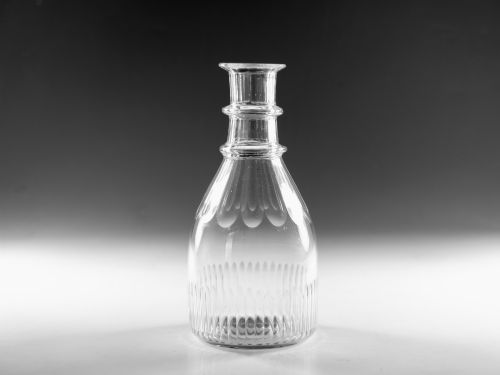
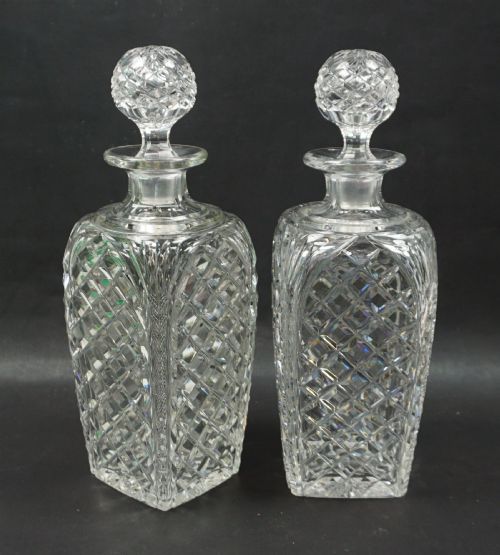
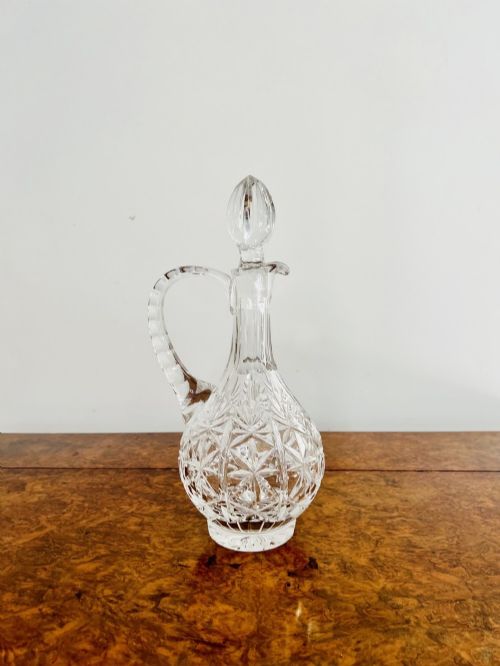
When you search for crystal glass decanter, you find heavy cut vessels that held wine, spirits and liqueurs on dining tables.
Crystal Glass Decanter
A crystal glass decanter serves as a vessel designed to hold and pour wine, spirits or liqueurs while showing the clarity of the material. These pieces appear across periods spanning the Georgian era, the Victorian period, Edwardian years and Art Deco designs from places like Czechoslovakia and France.
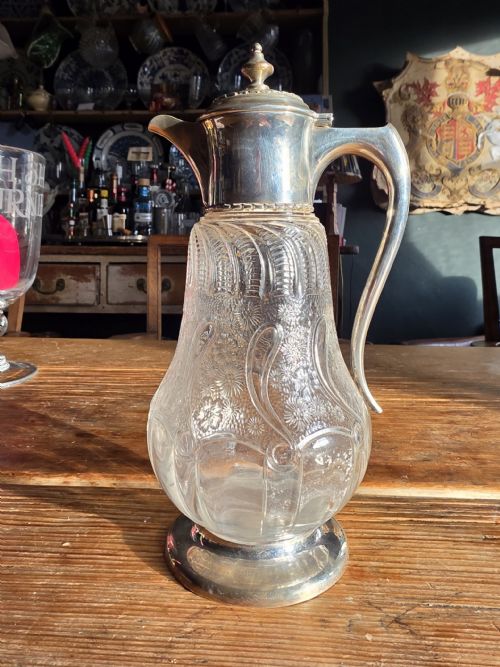
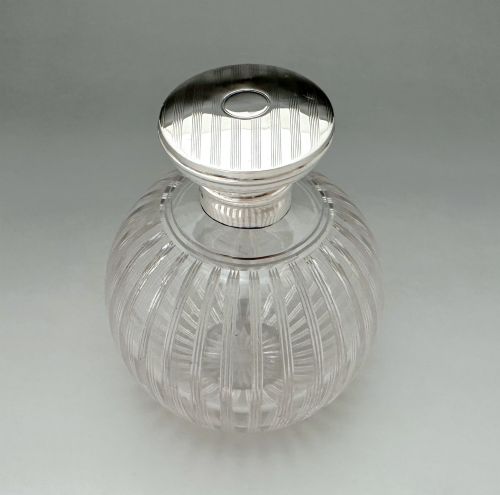
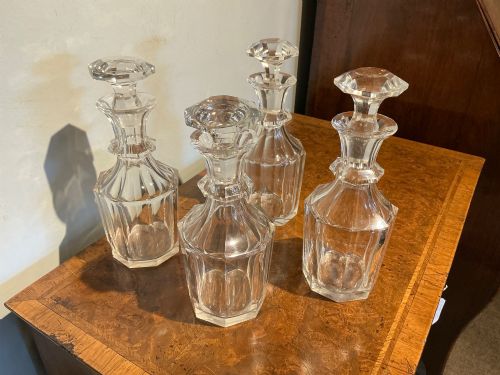
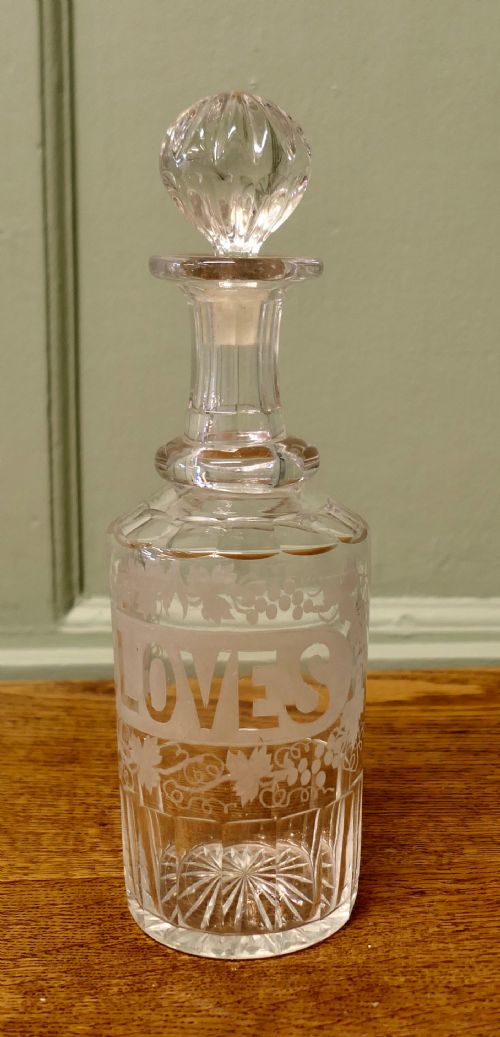
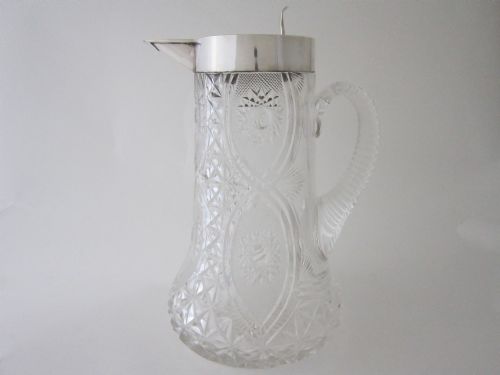
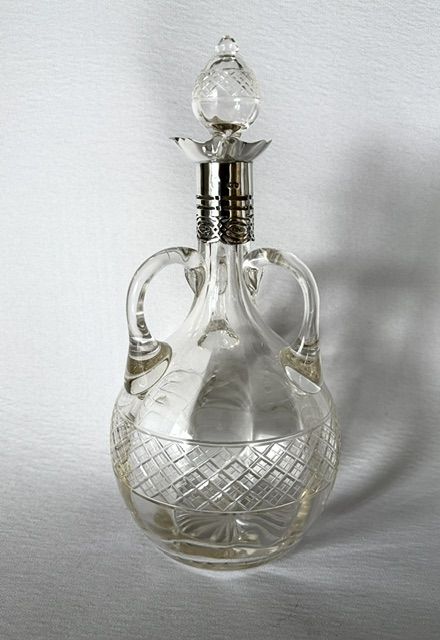
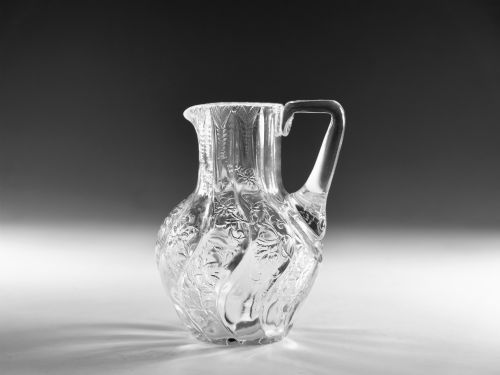
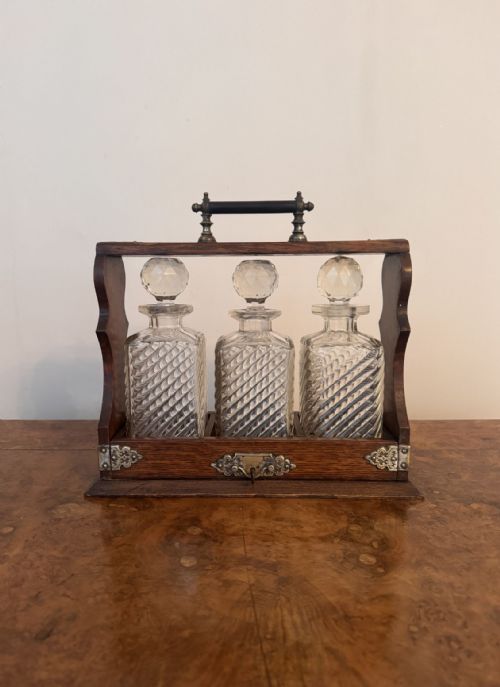
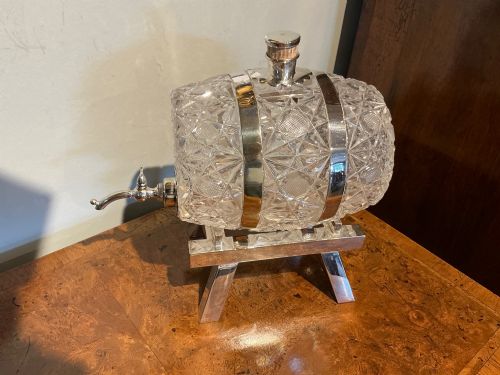
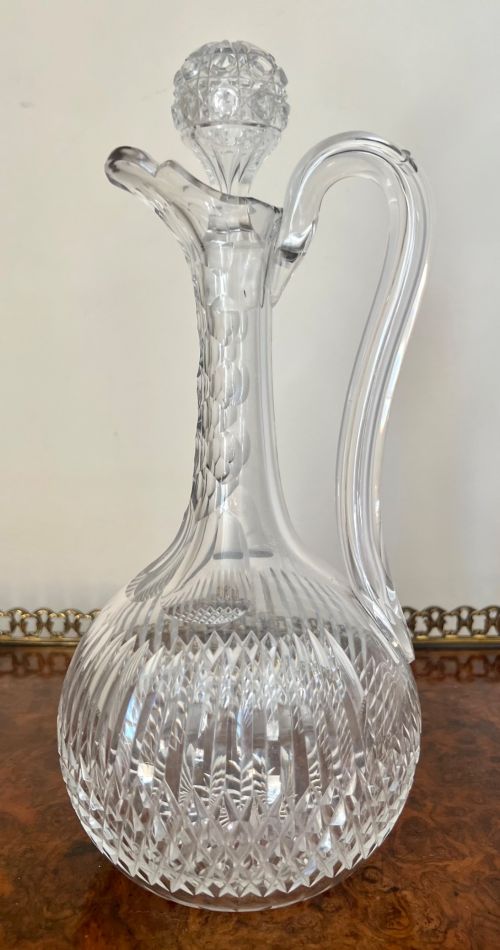
Buyers will encounter various forms on this page, ranging from single square section tapered decanters and shaft and globe carafes to complete sets housed in mahogany tantalus frames. Claret jugs, spirit barrels, cologne bottles and ewers also feature alongside traditional decanters.
Origins include English workshops, Irish glasshouses and Bohemian makers, with styles shifting from pillar and prism cutting to coloured overlays, silver mounts and enamel decoration. The selection covers centuries of table service accessories intended for both display and daily use.
How they were made
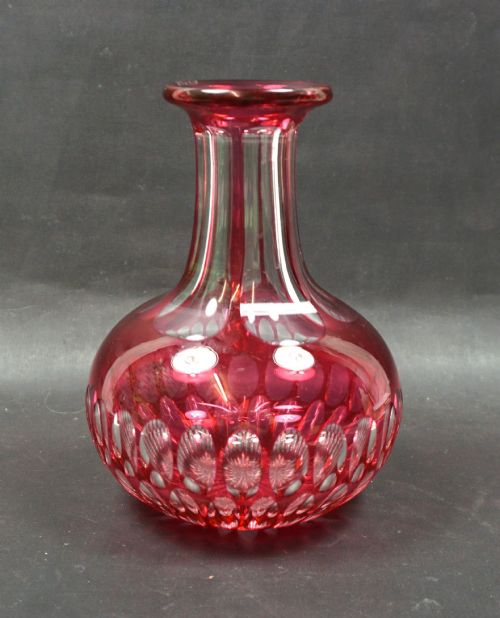
Glassmakers shaped these bodies through blowing and moulding lead crystal, cut crystal and plain glass, often overlaying colours like cranberry or cobalt onto clear crystal. Workshops applied deep pillar, prism or geometric cuts into the thick material to catch the light.
Listings feature lead crystal, cut glass, sterling silver and silver plate across Victorian, Edwardian and Art Deco periods.
What varies in quality
The depth, crispness and precision of the hand-cutting separate standard vessels from finer examples, as sharp facets reflect light with greater brilliance. The weight and purity of the lead crystal contribute to the substantial feel of the vessel in the hand.
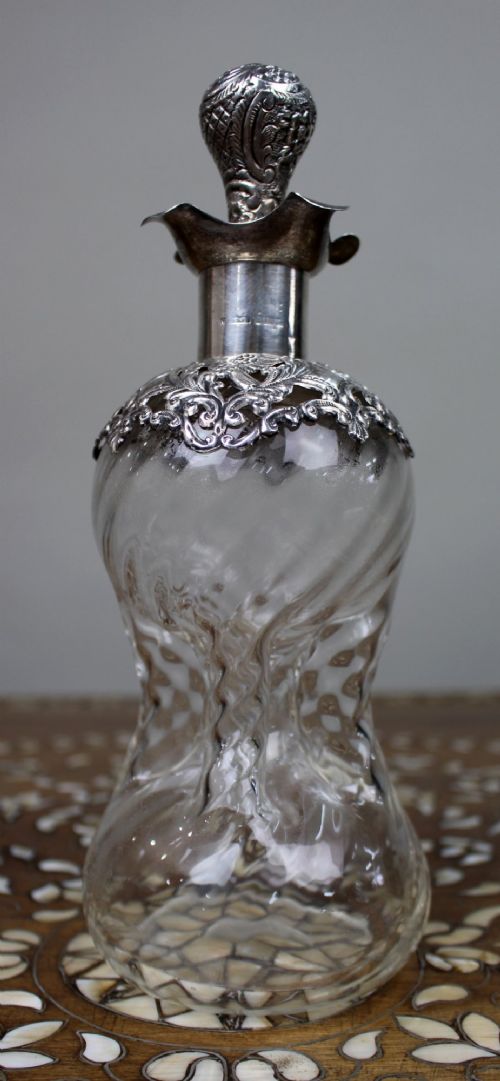
The integration of metal mounts, such as hallmarked sterling silver collars or fitted silver plated tantalus frames with working locks, influences the distinction of the piece. Intricate additions like Bacchus masks, engraved labels, etched motifs and coloured glass overlays elevate the execution.
Asprey and Co. Ltd·Stevens and Williams·Walker and Hall
The Crystal Glass Decanter Glossary
- Crystal
- Glass containing lead oxide, which increases weight, brilliance and softness for deep cutting. This material defines the clarity of these vessels.
- Tantalus
- A locked wooden frame, often mahogany or coromandel, holding decanters securely without hiding them. The mechanism prevents unauthorised access to the spirits inside.
- Claret jug
- A pouring vessel specifically for red wine, combining a glass body with a metal handle, collar and hinged lid. Many feature silver mounts and spouts.
- Carafe
- A bottle-shaped container for wine or water, typically lacking a stopper. Shaft and globe versions feature a long neck above a rounded body.
- Overlay
- A layer of coloured glass fused over a clear crystal core before cutting. Cutting through the top layer reveals the clear glass beneath.
Crystal Glass Decanter: Frequently Asked Questions
What is a tantalus?
A tantalus is a locking wooden stand designed to hold decanters securely while displaying their contents. The frame prevents people from pouring drinks without the key.
These pieces often feature mahogany or coromandel wood paired with silver plated or sterling silver hardware. They became popular for securing expensive spirits in domestic settings during the nineteenth and early twentieth centuries.
How do I date a decanter?
Dating relies on the overall shape, the style of the cut glass, and any accompanying metal mounts or hallmarks. Georgian pieces often display heavy pillar cuts and shaft and globe silhouettes, while Victorian and Edwardian examples introduce elaborate silver collars and etched decoration.
Maker marks on silver mounts provide precise years for hallmarked pieces. Art Deco items from the nineteen-thirties typically feature geometric enamel work or coloured glass bodies.
Can I use antique decanters?
These vessels were built to hold wine and spirits and remain functional for serving drinks today. Modern users should check for secure stoppers and wash them by hand to protect the glass.
Care must be taken with pieces featuring silver plate or lead crystal, avoiding extreme temperature changes. Tantalus sets and fitted decanters continue to serve as practical barware when handled gently.
What is cut crystal?
Cut crystal is lead glass that has been shaped and patterned using grinding wheels to create sharp facets. This process enhances the refractive qualities of the heavy material.
Irish and English glasshouses developed intricate cutting techniques that defined nineteenth-century table service. The depth of the cuts distinguishes standard pressed glass from hand-cut crystal.