



Crimson Woven Tribal Textile
When hunting for a crimson woven tribal textile, collectors uncover nomadic masterpieces rich in deep madder tones and historic symbolism.
Crimson Woven Tribal Textile
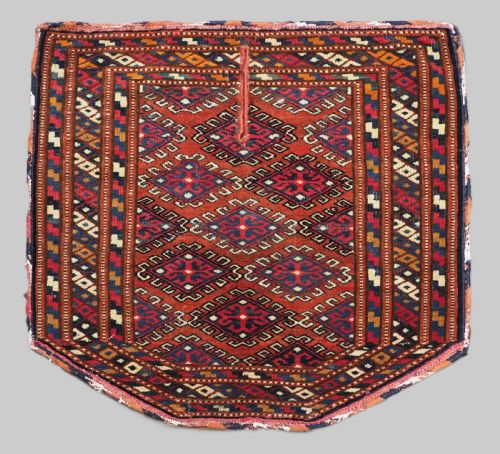
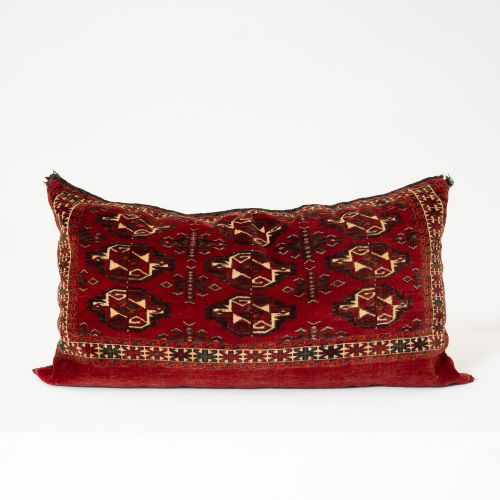
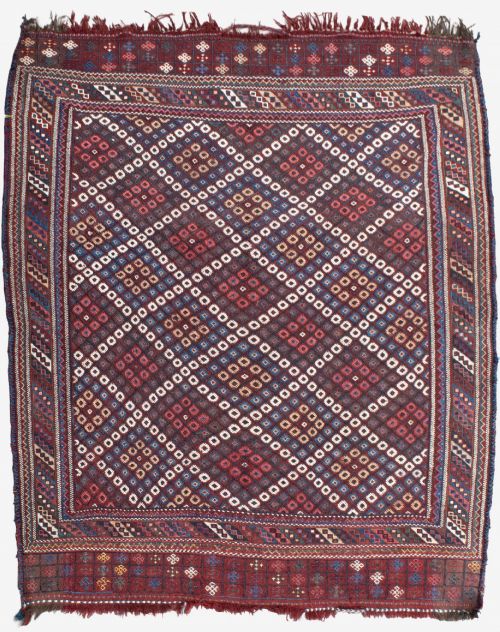
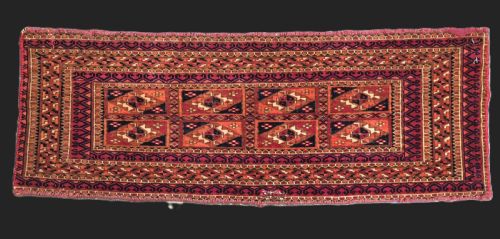
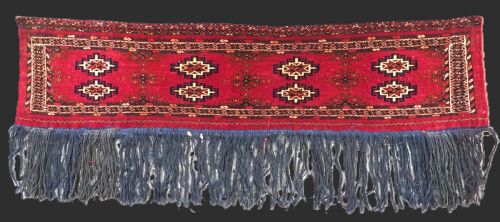
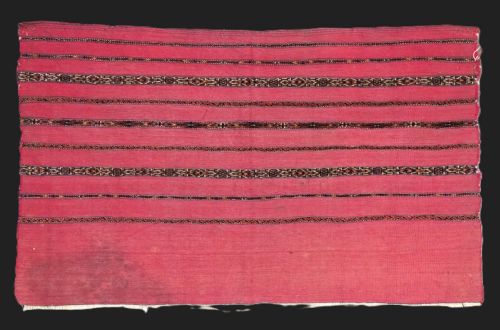
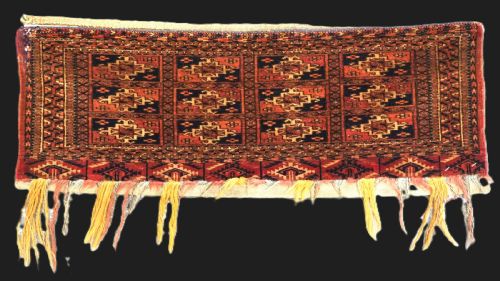
A crimson woven tribal textile encompasses a variety of utilitarian nomadic weavings, most frequently encountered here as Turkmen torbas, chuvals, and storage bag faces originating from Central Asia and Persia. These pieces include saddle covers, cushions, and fragments dating from the eighteenth century through to the early twentieth century.
The objects served practical nomadic functions within tribal life, acting as tent bags, bedding sacks, and trapping gear before transitioning into decorative items for modern interiors. Buyers will frequently find Tekke, Yomut, Saryk, and Ersari tribal examples defined by repeating gul motifs and rich red colour palettes.
What Varies in Quality
Quality rests upon the density of the weave and the precision of the drawing within the primary motifs, where finer knot counts allow for sharper execution of intricate guls. Superior examples exhibit exceptional handling of natural dyes, displaying subtle tonal shifts and depth across the crimson field rather than flat uniformity.
Several bags still retain their original hanging loops, ready to be suspended from nomadic tent poles once more.
The Crimson Woven Tribal Textile Glossary
- Torba
- A small rectangular storage bag produced by nomadic tribes for use inside a tent. These pieces were traditionally hung against the lattice walls to hold personal possessions.
- Chuval
- A large tent bag utilised primarily for storing bedding and heavy household goods during migrations. They frequently feature prominent repeating guls across the face.
- Gul
- A medallion-like primary motif repeated across Central Asian carpets and tribal weavings. Each tribal group typically utilised distinct variations to signify ancestry and identity.
- Mafrash
- A rectangular bedding bag or chest face woven in stacking panels by nomadic groups. They display intricate geometric banding and supplementary weft-float techniques.
- Sofreh
- A flatwoven spread or cloth used during meals or dough preparation within tribal communities. These textiles emphasise utilitarian durability combined with symbolic borders.
Crimson Woven Tribal Textile: Frequently Asked Questions
What is a tribal torba used for?
Nomadic families utilised torbas as compact storage sacks hung inside traditional tents to keep small items organised and protected from damp ground conditions. Their manageable proportions made them ideal for holding personal belongings, mirrors, or domestic utensils.
Today, these woven faces function primarily as decorative wall hangings or small accent pieces within contemporary interiors. Their rich crimson fields and geometric motifs bring historic texture to modern living spaces.
How do I care for antique wool textiles?
Keep antique textiles out of direct, intense sunlight to prevent natural dyes from fading over time. Gentle vacuuming through a mesh screen helps remove dust without damaging fragile hand-spun wool fibres.
Avoid harsh chemical cleaning methods and consult a specialist in historic carpets for any washing or major preservation needs. Allowing the textile to breathe naturally preserves the lanolin within the wool.
How do I identify a Tekke weaving?
Tekke Turkmen pieces typically feature orderly rows of octagonal guls interspersed with minor secondary motifs across a rich madder red background. The weaving structure is usually fine and precise, reflecting the settled traditions of the Akhal Oasis region.
Examining the handling of the wool and the specific secondary border designs helps separate Tekke work from neighbouring Yomut or Saryk productions. The backs often retain simple plain-weave finishes executed in un-dyed wool.
Why are some pieces called chuval faces?
Chuvals were originally large, functional storage sacks featuring a decorated front panel sewn to a plain utilitarian back. Over generations of use and wear, the heavy backs often deteriorated or were removed, leaving only the intricately woven face intact.
Collectors prize these surviving faces for their complete display of primary tribal artistry without the bulk of the original storage pouch. Many retain their original hanging loops or upper selvedges from nomadic service.