


Crimson Woven Flatweave
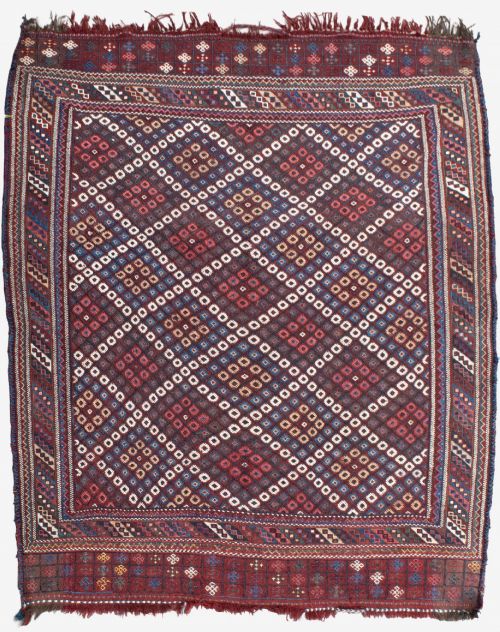
These crimson woven flatweave pieces are tribal and traditional rugs, cushions, and textiles that bring rich wool and cotton colour into a room.
Crimson Woven Flatweave
A crimson woven flatweave brings together traditional styles like Persian Tribal, Turkmen Tribal, and Ottoman Balkan. Buyers searching for this phrase encounter flat weave rugs, area rugs, cushions, and wall hangings from periods spanning the mid-nineteenth century to the early twentieth century.
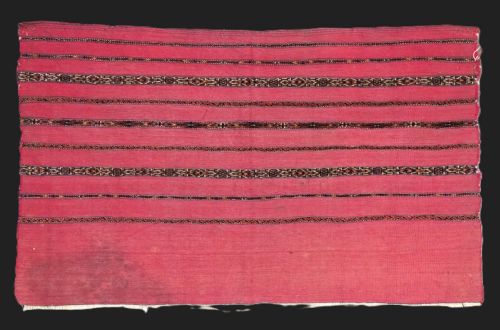
The selections on this page most frequently include Tekke Turkmen chuval faces, Sarkoy kilims, and kilim cushions created from wool and cotton. These items reflect traditional Pirot, Bakhtiari, and Anatolian tribal work.
Originating from diverse regions including West Persia and the Balkans, these flatweave items serve multiple domestic functions as floor spreads, wall hangings, and decorative cushions. Each piece demonstrates the distinctive weaving traditions of its specific tribal or regional makers.
Materials and Construction
These textiles are constructed using natural wool and cotton fibres, manipulated through flatweaving techniques that produce durable, pileless surfaces. The absence of a knotted pile distinguishes these flatweaves from traditional carpets.
Weavers utilised traditional looms to create complex geometric and floral patterns, such as the flowering tree design found on Pirot and Sarkoy kilims. The yarn was dyed to achieve deep crimson tones characteristic of these tribal and regional textiles.
Nomadic weavers occasionally incorporated subtle deliberate flaws into their tribal patterns to ward off the evil eye.
Assessing Quality and Execution
Quality in these flatweaves is determined by the tightness of the weave and the precision of the tribal motifs. Finer weaves demonstrate greater technical skill by the weaver in executing complex geometric patterns.
The integrity of the wool and cotton materials, alongside the preservation of the original structure, dictates the overall standard of the piece. Examples with fine weaves and well-maintained surfaces represent the upper end of the range.
The Crimson Woven Flatweave Glossary
- Flatweave
- A textile produced without a pile by interlocking warp and weft threads on a loom. This method creates a thin, durable fabric suitable for floor coverings and wall hangings.
- Chuval
- A large tent bag face produced by Turkmen tribes, often utilised for storage within a yurt. These pieces feature intricate geometric designs.
- Kilim
- A pileless tapestry-woven carpet or rug originating from the Balkans, Anatolia, and Persia. They are known for their traditional flat texture and bold patterns.
- Sofreh
- A woven spread used traditionally for sharing meals or preparing dough in Persian and tribal households. They often display striking tribal iconography.
- Warp
- The foundational vertical threads stretched tightly on a loom before weaving begins. The weft threads are passed through these structural lines.
Crimson Woven Flatweave: Frequently Asked Questions
What is a flatweave textile?
A flatweave textile is a rug or hanging produced without a knotted pile, created by interlacing warp and weft threads directly on a loom. This technique results in a flat, durable surface that functions well on floors or walls.
These pieces rely entirely on the tension and patterning of the woven threads for their visual impact. They are historically lighter than piled carpets and were traditionally used for both decoration and utility in nomadic settings.
How were chuval faces used?
Chuval faces were originally the decorative fronts of large storage bags used by Turkmen tribes inside traditional dwellings. Families stored household goods and bedding inside these durable receptacles.
Over time, many of these panels were separated from their backing bags to be preserved as standalone textile art. Their detailed tribal designs make them popular decorative wall hangings today.
Where do Sarkoy kilims come from?
Sarkoy kilims originate from the Balkan region, reflecting traditional Ottoman design influences and local weaving methods. These textiles are noted for their large formats and traditional motifs.
Weavers in this region produced these flatweaves using wool and cotton materials. They provide a distinct regional contrast to Persian and Turkmen tribal weaving.
How do I care for a flatweave rug?
Care for a flatweave rug involves gentle vacuuming without a rotating brush to prevent pulling the wool or cotton threads. Professional cleaning suited for antique textiles helps maintain the integrity of the natural fibres.
Placing the textile out of direct sunlight prevents the crimson dyes from fading over time. Using an appropriate underlay also reduces friction against hard flooring.
What distinguishes tribal flatweaves?
Tribal flatweaves are characterised by geometric motifs, symbolic patterns, and regional colour palettes passed down through generations. Nomadic and semi-nomadic groups wove these pieces for daily use rather than commercial trade.
Each piece reflects the specific cultural identity of makers such as the Bakhtiari, Tekke Turkmen, or Anatolian groups. Their construction methods directly mirror the portable lifestyles of the weavers.