


Handwoven Wool Tapestry Rug
When you choose a handwoven wool tapestry rug, you bring home a textile carrying centuries of nomadic or regional heritage.
Handwoven Wool Tapestry Rug
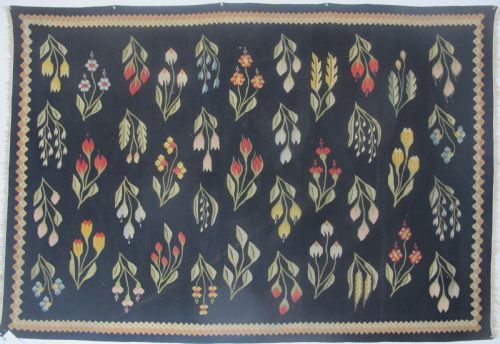
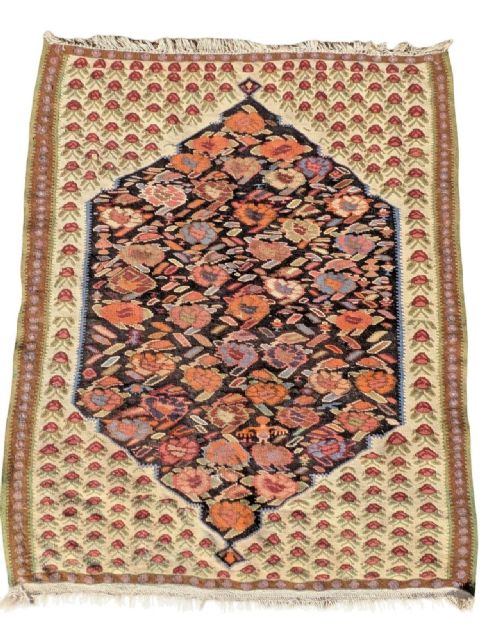
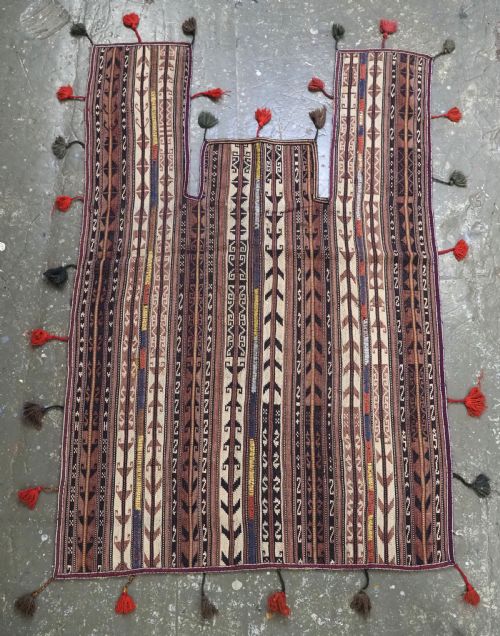
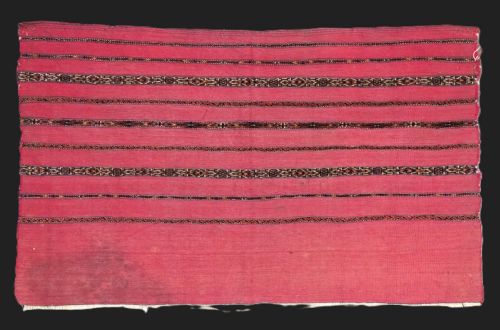
A handwoven wool tapestry rug represents a diverse category of flatweave and embroidered textiles originating from tribal and regional cultures across Central Asia, the Caucasus, and Europe. These pieces include kilims, storage bag faces, ceremonial horse blankets, and decorative floor coverings produced from the nineteenth century into the early twentieth century. When exploring this selection, a buyer encounters everything from bold geometric tribal panels to richly floral Bessarabian and Aubusson designs.
The objects span practical household items like eating cloths and bread sofrehs alongside grand tent bands and prayer rugs. Regional varieties range from Turkmen and Uzbek works to Persian Bidjar and Senneh weaves, plus Balkan folk art from Pirot and Sarkoy. Each item fulfills a specific domestic or ceremonial function within its culture of origin, translated today into decorative textiles for contemporary interiors.
How they were made
Makers constructed these textiles predominantly using wool, hand-spun wool, cotton, and linen, occasionally incorporating camel hair as a ground material. Artisans employed natural dyes to achieve soft, warm, or faded colour palettes across geometric and floral patterns. Many examples utilise flatweaving techniques, while others feature embroidery or needlepoint applied to canvas or woven panels.
Several textiles served as functional eating cloths and bread covers before finding a second life as decorative wall hangings and floor coverings.
What varies in quality
The Handwoven Wool Tapestry Rug Glossary
- Kilim
- An un-piled flatwoven rug or textile produced by tightly interweaving warp and weft strands. This technique creates a flat surface without a raised pile.
- Sofreh
- A traditional woven cloth used for serving meals or handling bread in nomadic households. These functional textiles often feature distinct regional geometric layouts.
- Chuval
- A large storage bag face produced by Turkmen tribes for domestic storage inside tents. They typically display intricate guls and banded tribal patterns.
- Rya
- A traditional Scandinavian piled rug or textile utilising long, knotted wool yarns. Early examples function as heavy warm covers or decorative floor pieces.
- Kizil
- A specific design classification associated with Turkmen weaving tradition. These pieces often exhibit rich red grounds and detailed geometric field divisions.
Handwoven Wool Tapestry Rug: Frequently Asked Questions
How were antique kilims used originally?
Nomadic and regional communities utilised these flatwoven textiles for daily domestic purposes including floor covering, bedding, and food preparation. Families also employed them as storage bags, tent bands, and ceremonial horse covers.
Over time, these utilitarian items evolved into valued decorative objects for homes. Their durable construction allowed them to withstand heavy daily use in traditional nomadic dwellings.
What materials make up these antique rugs?
Weavers relied primarily on wool, hand-spun wool, and cotton for the foundation and structural weave of these textiles. Natural dyes provided the characteristic soft, faded hues seen across regional examples.
Some specialised pieces incorporated camel hair as a natural ground or utilised linen and canvas bases for detailed embroidery and needlepoint work.
How do I care for a wool tapestry rug?
Protect these historic textiles by placing them in low-traffic areas away from direct, harsh sunlight to preserve natural dye colours. Gentle vacuuming without a beater bar helps remove dust trapped within the flatweave structure.
Professional specialist cleaning is recommended for antique wool and natural dye textiles when deeper maintenance becomes necessary. Avoid harsh chemical treatments and excessive moisture during everyday upkeep.
How can I distinguish regional tribal designs?
Regional styles reveal themselves through distinct colour palettes, structural stripe counts, and specific geometric or floral motifs. Turkmen and Uzbek pieces often feature bold tribal panels and repeated geometric medallions.
By contrast, Bessarabian, Aubusson, and Balkan folk art examples lean toward naturalistic floral sprays and flowering tree compositions. Comparing the weave density and material composition further clarifies the origin of each textile.