



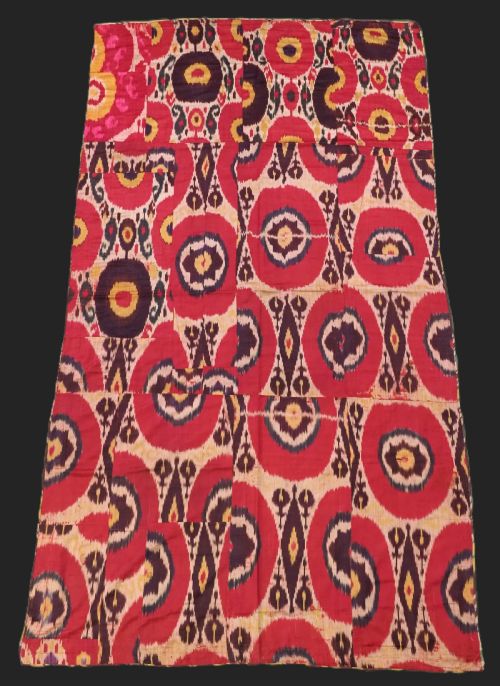
Crimson Tribal Textile Rug
When searching for a crimson tribal textile rug, one encounters authentic Central Asian and Persian nomad weavings created from the mid-nineteenth century onward.
Crimson Tribal Textile Rug
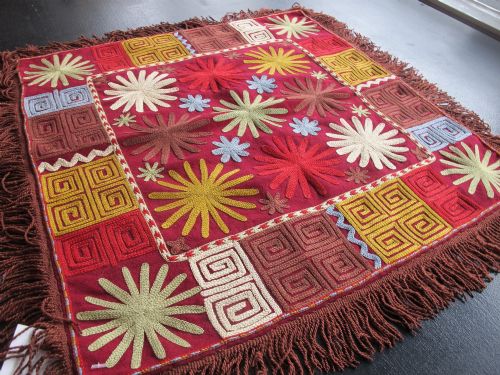
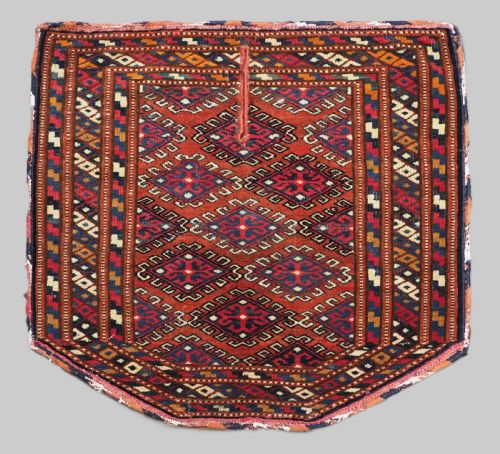
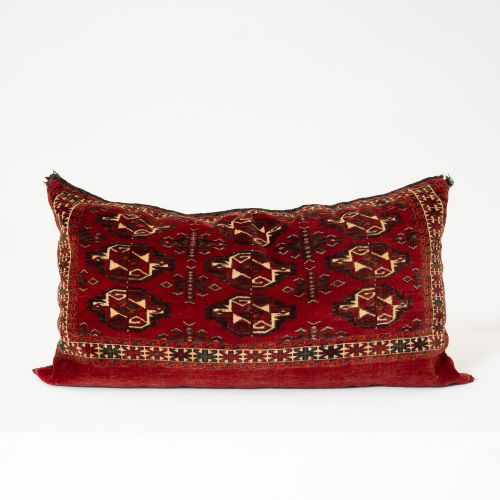
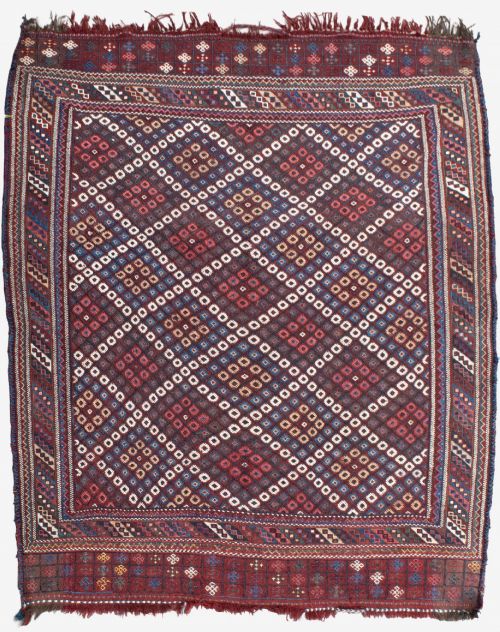
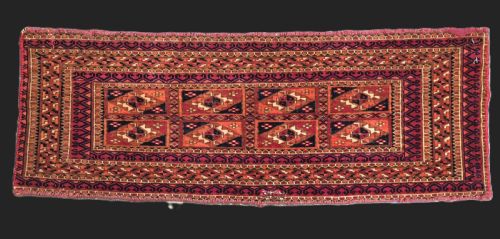
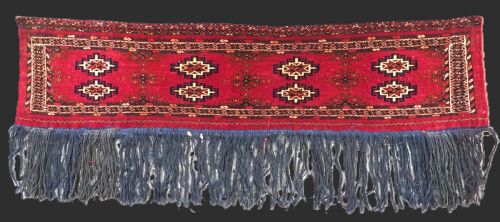
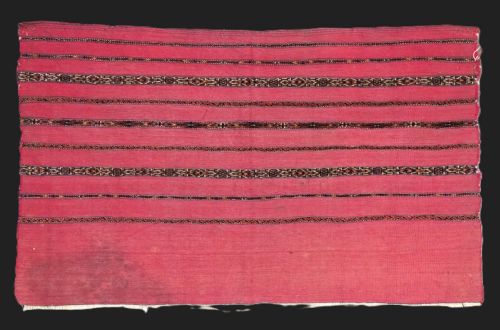
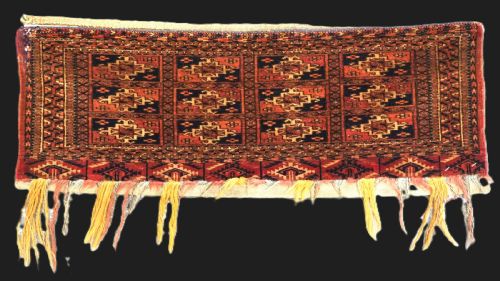
A crimson tribal textile rug encompasses historic nomadic weavings such as Turkmen torbas, chuval faces, and saddle bags originating from Central Asia and Persia. These pieces were traditionally produced by specific tribal groups including the Tekke, Yomut, Saryk, and Ersari, as well as Uzbek and Afshar makers.
The dominant crimson and red tones arise from traditional natural dye methods applied by nomadic weavers across the Trans-Caspian steppes and surrounding regions. Each piece reflects the functional artistry of tribal domestic culture.
How they were made
Weavers utilised hand-spun wool, silk, cotton, and linen, building structures through careful knotting and flatweaving techniques. Animal materials formed the pile and foundation, often supplemented by cotton or leather details.
Natural dyes provided the rich palette of reds, crimsons, and contrasting secondary hues seen across the pieces. Master dyers extracted colour from local plants and insects to achieve enduring saturation before the yarn reached the loom.
Nomadic weavers frequently attached hanging loops directly to storage bags so households could secure their belongings safely inside moving tents.
What varies in quality
Knot density and structural fineness separate standard tribal weavings from exceptional examples. Pieces produced with extremely tight weaves and precise handling of traditional motifs represent the upper tier of the range.
The clarity of drawing and the depth of natural colour determine visual success. Superior examples exhibit harmonious proportions in their guls and decorative bands alongside well-preserved structural integrity.
The Crimson Tribal Textile Rug Glossary
- Torba
- A small storage bag produced by Turkmen nomadic tribes, usually hung inside a tent to hold household possessions.
- Chuval
- A large tent storage bag used by nomadic groups for bedding and heavy goods, frequently encountered today as surviving bag faces.
- Gul
- A medallion motif repeated across tribal carpets and bags, often specific to particular clans such as the Tekke or Salor.
- Suzani
- A large embroidered textile panel from Uzbekistan, traditionally worked in silk on a cotton or linen foundation.
- Sofreh
- A flatwoven spread or cloth used for sharing meals or handling bread within nomadic and village households.
Crimson Tribal Textile Rug: Frequently Asked Questions
What is a crimson tribal textile rug?
A crimson tribal textile rug is a historic nomadic weaving from Central Asia or Persia, typically characterised by red wool pile and traditional geometric motifs.
These pieces include tent bags, storage panels, and embroideries created by tribal groups for daily domestic use.
How were these rugs used originally?
Nomadic families utilised these textiles primarily for storing household goods, bedding, and personal items inside tents.
Many surviving examples functioned as bag faces, saddle covers, or decorative wall hangings within tribal settlements.
How do I care for an antique textile?
Protect antique textiles from direct sunlight to preserve natural dyes and avoid placing heavy furniture directly on fragile pile.
Gentle vacuuming without a beater bar and professional textile cleaning help maintain the wool and silk fibres.
How can I tell different tribal designs apart?
Tribal designs are distinguished by specific repeating medallions known as guls, border arrangements, and regional colour palettes.
Weaving structures and structural materials also provide clues to whether a piece originates from Tekke, Yomut, Uzbek, or Afshar makers.