



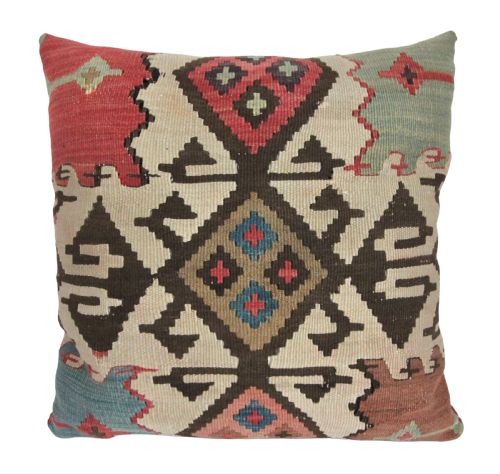
Red Wool Flat Weave
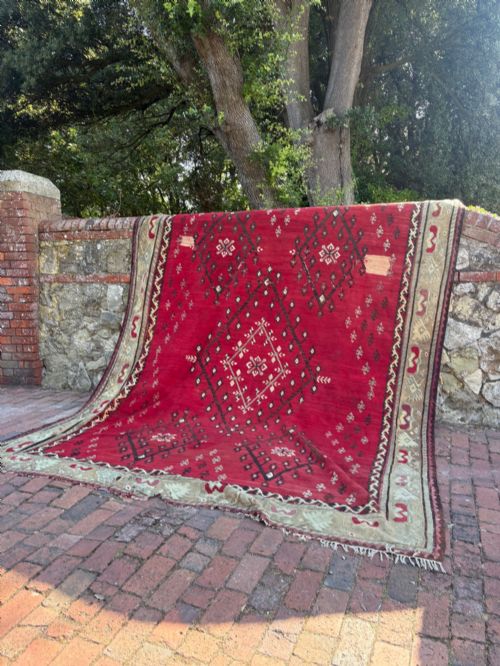
A red wool flat weave brings warmth, geometry and a tangible nomadic heritage directly to a floor or wall.
Red Wool Flat Weave
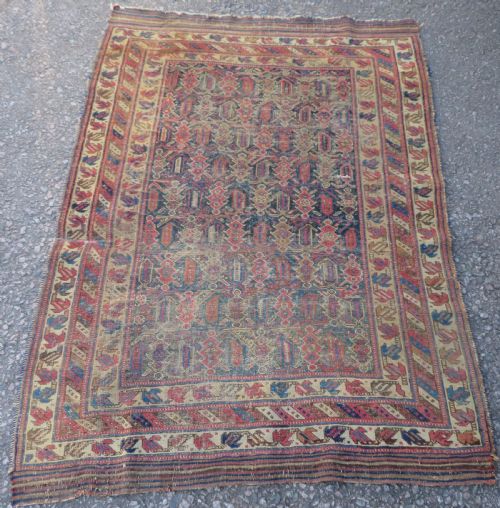
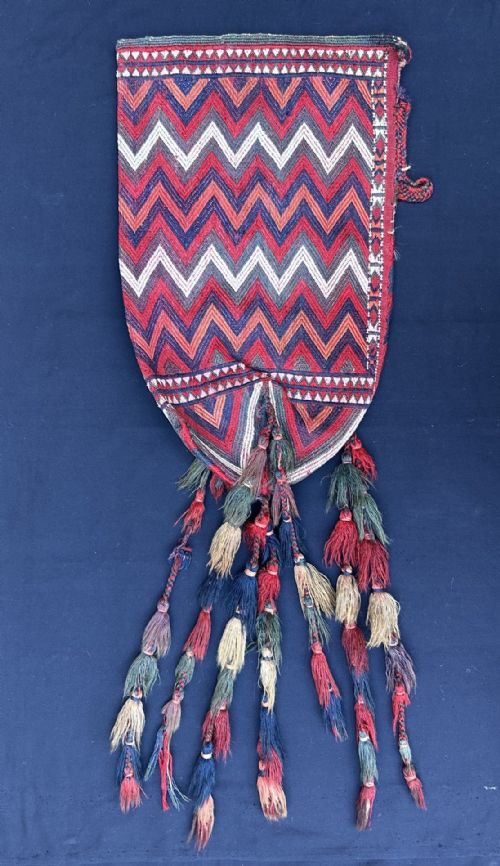
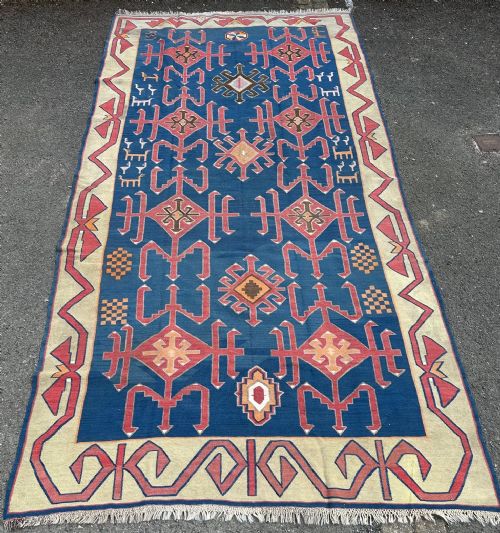
When searching for a red wool flat weave, a buyer explores non-pile textiles originating from tribal and nomadic traditions across Anatolia, Persia, the Caucasus and Central Asia. These items range from large room-sized carpets and runners to smaller utility pieces such as salt bags, saddlebags, cushion covers and wall hangings.
The version most commonly met on this page is the traditional kilim or flat-woven rug created by tribal weavers using local materials. Such pieces date predominantly from the mid-nineteenth century through to the early twentieth century, carrying the distinct geometric layouts and rich dye palettes characteristic of their specific regions.
How they were made
The construction relies on the interweaving of warp and weft threads without knotted piles, creating a smooth, durable textile surface. Weavers utilised hand-spun wool and cotton, often dyed with natural colourants derived from local plants and minerals.
Specialised techniques such as slit-weaving, soumak wrapping and cicim brocading provided structural integrity and allowed artisans to incorporate intricate geometric motifs and banded designs into the fabric.
Listings feature wool and cotton materials shaped into rugs, runners, cushions and storage bags from nineteenth and twentieth-century tribal traditions.
What varies in quality
The distinction between ordinary and exceptional examples rests upon the integrity of the weave, the depth of the natural dyes and the precision of the tribal iconography. Tighter, finer structures and well-preserved structural details indicate superior craftsmanship.
Artistic expression also dictates worth, as pieces displaying balanced proportions, unusual graphic arrangements or complete original formats hold greater distinction than standard utility items.
The Red Wool Flat Weave Glossary
- Kilim
- A flat-woven carpet or rug produced by tightly interweaving the warp and horizontal weft strands to create a flat surface without a pile.
- Soumak
- A brocade-like flat-weave technique where coloured weft threads are wrapped around the warp threads in a continuous sequence, adding durability and texture.
- Warp
- The vertical foundation threads stretched tightly on a loom before the weaving process begins.
- Weft
- The horizontal threads passed back and forth through the warp threads to build up the pattern and fabric.
- Mafrash
- A large, rectangular storage bag traditionally used by nomadic tribes for bedding and household goods, often woven in sections and later separated.
Red Wool Flat Weave: Frequently Asked Questions
Where were these woven?
These textiles were produced across diverse regions including Anatolia, the Caucasus, Persia and Central Asia by nomadic and semi-nomadic tribes.
Each weaving group developed distinct tribal patterns, colour palettes and structural techniques that tied their work directly to their specific geographical location and culture.
How do I care for a flat weave?
Maintenance requires gentle vacuuming without a rotating brush and occasional professional cleaning suited to antique wool textiles.
Keeping the piece out of direct sunlight prevents natural dyes from fading over time while preserving the strength of the hand-spun fibres.
Can I use these on the floor?
Many of these pieces were constructed as floor coverings, runners or seating spreads designed to withstand daily nomadic life.
Using an appropriate underlay helps prevent slipping and reduces friction between the flat weave and hard flooring surfaces.
What is a bag face?
A bag face represents the decorative front panel of a utilitarian nomadic container, such as a saddlebag or storage sack, which was preserved after the plain back wore away.
These panels concentrated the finest weaving and most complex tribal designs into a compact format suitable for display as a small rug or wall hanging.