




Geometric Persian Textile
A geometric persian textile brings the structured patterns of nomadic weaving into a room through authentic tribal objects.
Geometric Persian Textile
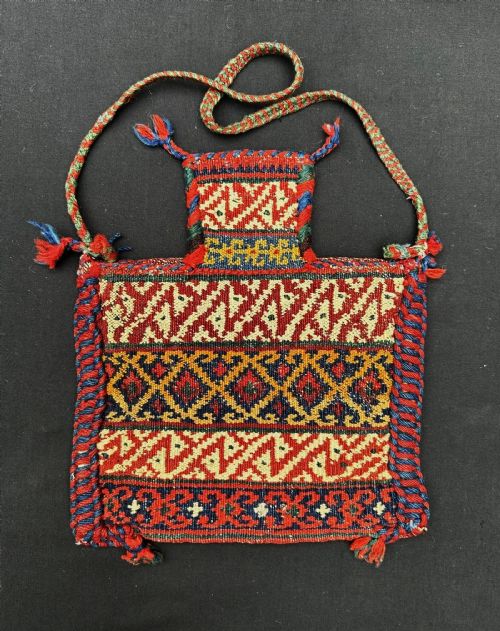
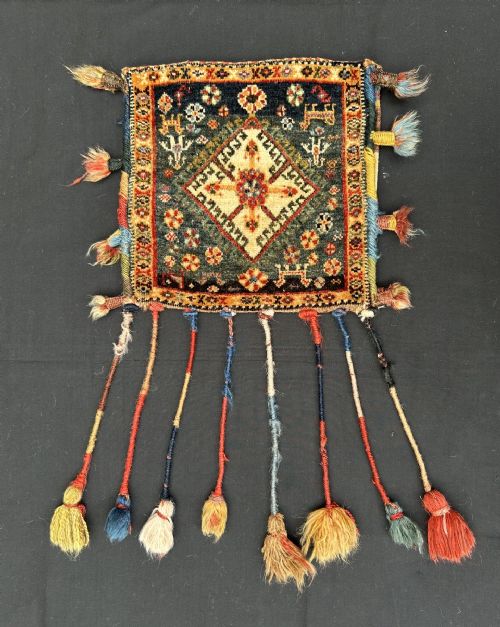
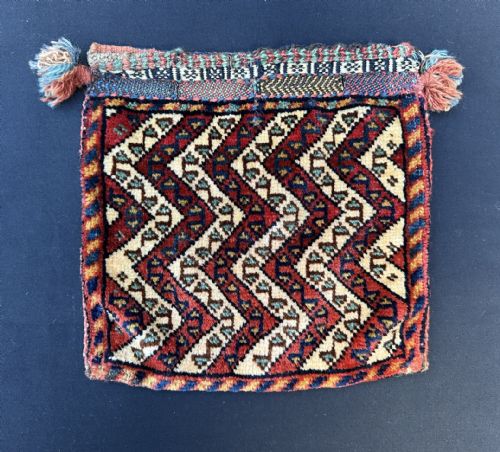
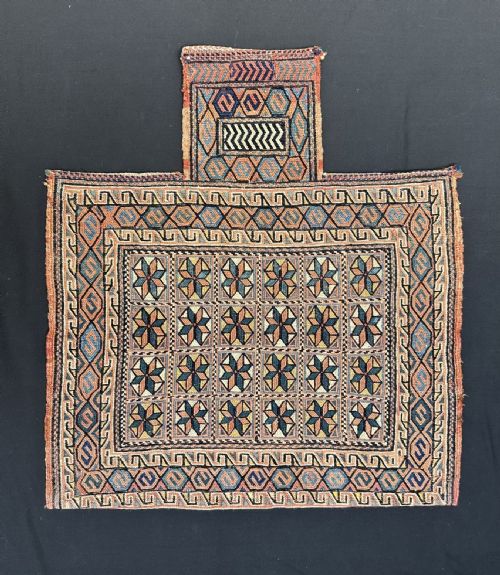
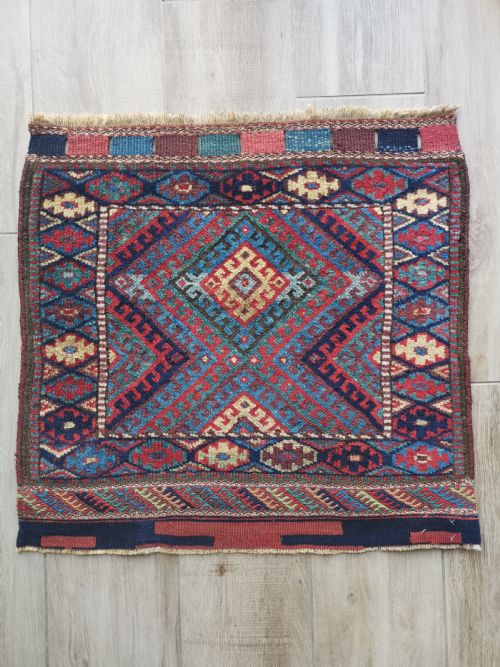
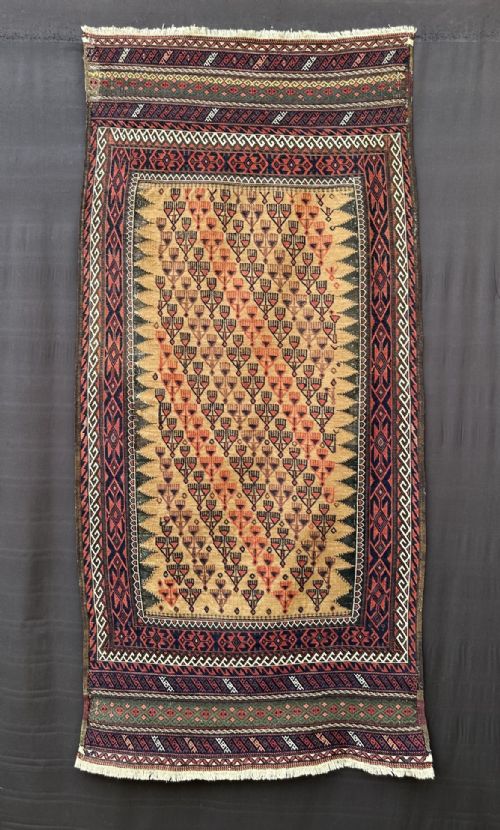
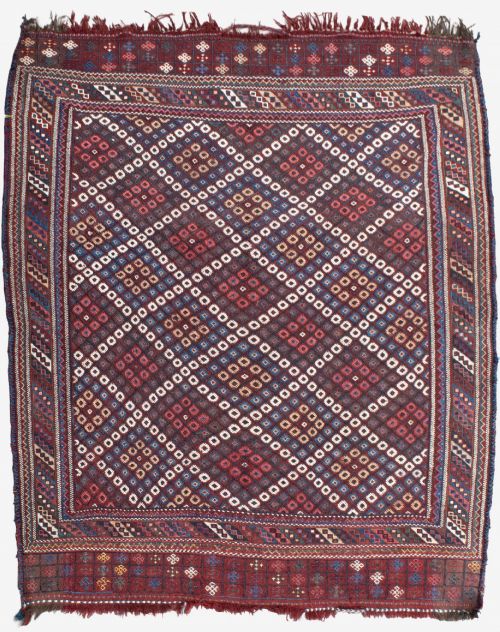
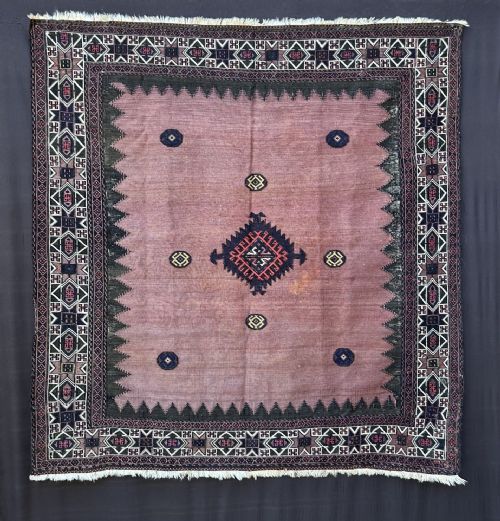
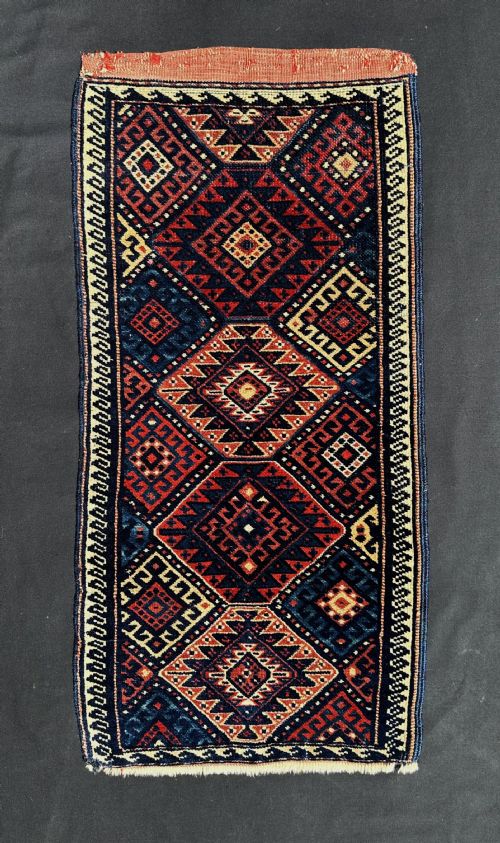
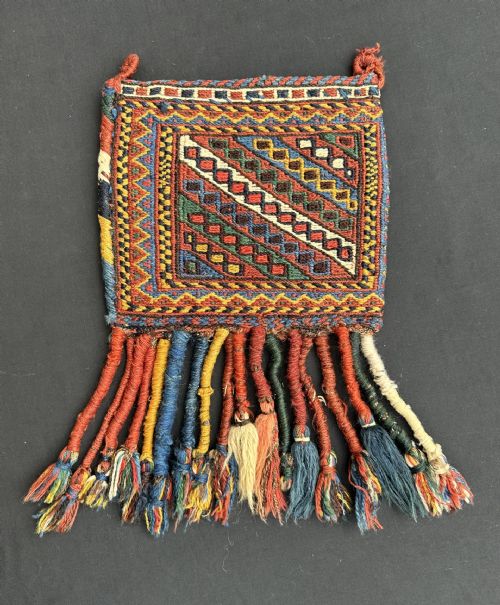
A geometric persian textile encompasses functional woven items produced by tribal and nomadic groups across the region. Buyers encounter utilitarian forms such as saddlebags, salt bags, bread sofreh, and utilitarian bag faces originating from confederacies like the Qashqa'i and Afshar. These items reflect the domestic and migratory lives of the makers rather than urban workshop traditions.
The inventory leans heavily toward utilitarian fragments and complete bags from the nineteenth and early twentieth centuries. Pieces attributed to Shahsavan, Baluch, and Kurdish weavers demonstrate regional motifs rendered in wool through flatweave and pile techniques. Each format preserves specific structural traditions tied to nomadic storage and daily use.
What varies in quality
The standard of execution depends heavily on the precision of the knotting and the complexity of the geometric layout. Tighter construction and careful handling of the pile distinguish superior tribal weaving from standard utilitarian output.
Quality also emerges in the articulation of the palette and the preservation of original edges and backs. Pieces that retain their structural integrity and display well-defined motifs command greater appreciation among collectors.
Some salt bags still retain faint traces of desert dust tucked firmly inside their tightly wrapped soumac folds.
The Geometric Persian Textile Glossary
- Sofreh
- A flatwoven spread or cloth used for dining or handling bread within nomadic households. These textiles often feature crisp, minimalist geometric formats.
- Soumac
- A wrapping technique that produces a durable, brocade-like surface without cutting the weft threads. It provides a sturdy structure common on storage bags.
- Khorjin
- A traditional pair of saddlebags designed for transport on animals. Surviving fragments often display complete face panels with balanced medallions.
- Bag-face
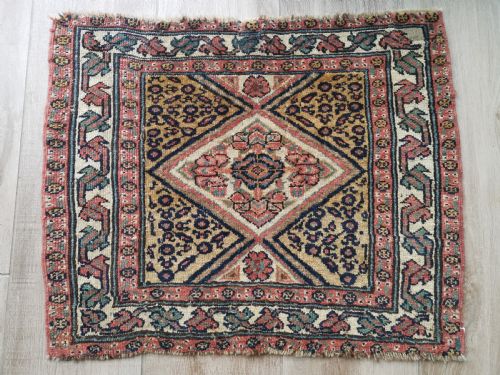
- The decorative front panel of a utilitarian nomadic bag separated from its original back. These panels were preserved for their visual patterns.
- Ru Korssi
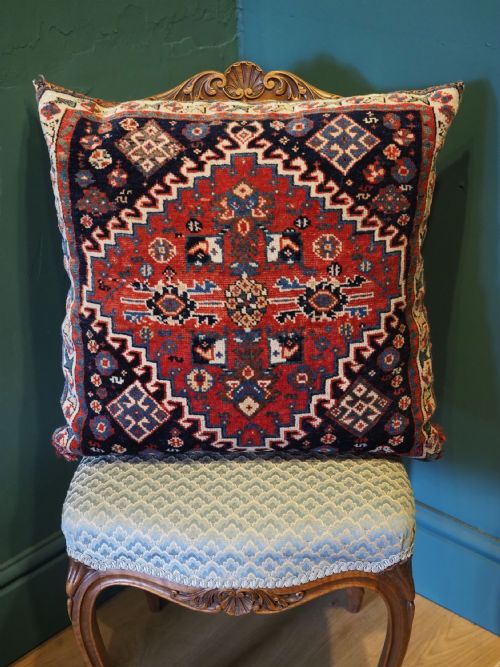
- A large decorative cover placed over a low table housing a heat source in traditional homes. They showcase expansive tribal layouts.
Geometric Persian Textile: Frequently Asked Questions
What is a sofreh used for?
A sofreh served as a ceremonial or practical cloth laid upon the ground for eating meals or preparing dough. Their designs are typically unpiled and governed by strict geometric divisions.
Nomads relied on these textiles daily, which accounts for the utilitarian nature of the weave. Their structure prioritised flat durability over plush comfort.
How do I identify a bag face?
A bag face represents the surviving decorative front of a utilitarian double pouch used for transport. The reverse fabric was usually plain or worn away through friction against pack animals.
Collectors prize these panels because they concentrate the weaver's artistic expression into a single bounded composition. They hang easily on walls due to their manageable dimensions.
Where were these textiles made?
These pieces originated across distinct tribal territories including Fars, Kerman, Azerbaijan, and Khorassan. Nomadic confederacies moved through these landscapes seasonally, carrying their looms with them.
Regional identities manifest through specific colour palettes and structural quirks unique to each tribal group. Local flora dictated the range of natural dyes available to individual weavers.
How do I care for antique wool textiles?
Maintenance requires gentle vacuuming without a beater bar and protection from direct sunlight to preserve natural dyes. Keeping the environment stable prevents moisture buildup in the hand-spun wool fibres.
Displaying them away from high-traffic zones ensures the structural integrity of old foundations remains undisturbed. Proper mounting distributes the weight evenly across the textile.