






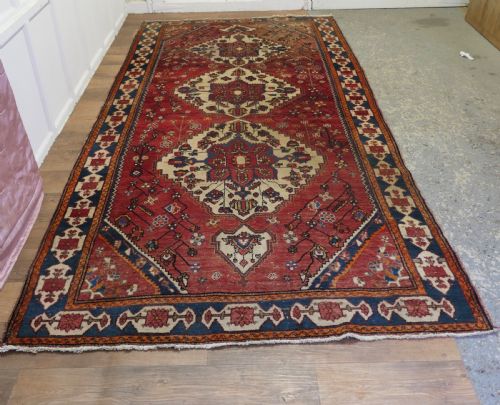


Crimson Persian Floor Runner
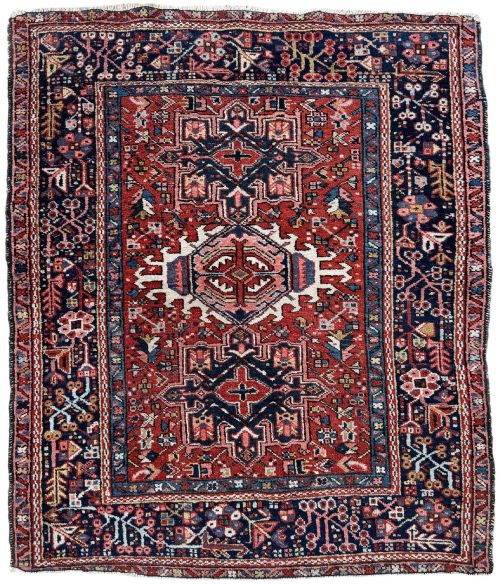
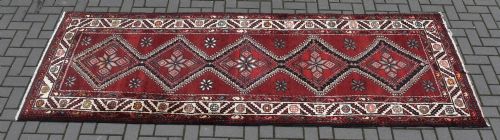
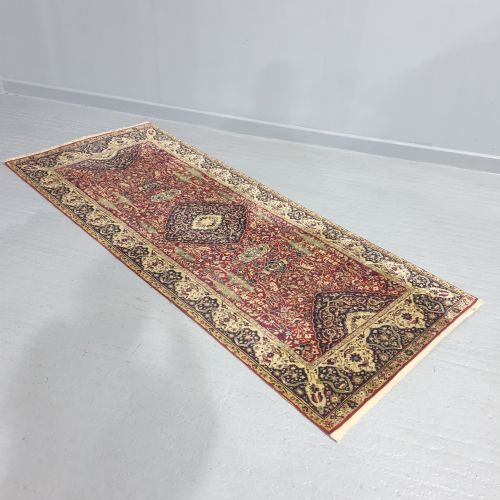
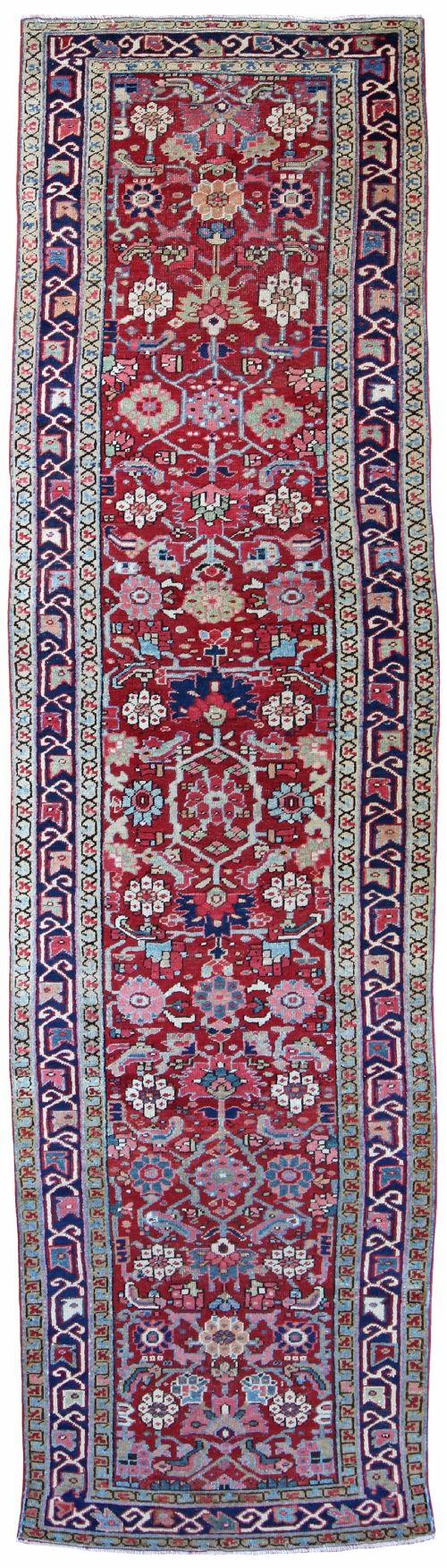
A crimson persian floor runner anchors a room with deep red tones, rich wool pile and centuries of nomadic and village weaving tradition.
Crimson Persian Floor Runner
A crimson persian floor runner brings warmth and saturated red ground colour to hallways and long spaces through traditional Persian and tribal village weaving. When you search for a crimson persian floor runner, you meet wool runners and long format carpets hailing from Persian, Baluch, Afghan, and related tribal origins.
The selections span periods from the late nineteenth century through the decades of the early twentieth century, including pieces dated across 1890, 1900, 1910, 1920, and 1930. Forms include rug runners, hallway runners, area rugs, and specific village styles such as Bidjar, Heriz, Hamadan, Luri, and Meshed.
Village and tribal workshops produce sturdy formats designed for heavy domestic traffic, featuring characteristic geometric or floral layouts. These long formats utilise robust foundations to withstand daily movement while maintaining visual depth.
Materials and construction
Makers construct these textiles using hand-spun wool and standard wool pile knotted onto cotton or wool foundations. Natural dyes provide the enduring red ground tones and contrasting hues seen across the pile.
Weavers employ traditional handweaving techniques across tribal and village workshops, resulting in dense, resilient structures. The combination of hand-spun wool and natural colourants ensures the pile ages with character.
Crimson Persian Floor Runner Retail Price Guide 2026
Typical asking prices for crimson persian floor runner among the pieces listed under this phrase on Sellingantiques today, from the lower quarter to the upper quarter. They describe what is for sale here now, not the wider market.
Current listings span dated periods from 1890 to 1930, utilising wool, hand-spun wool, and natural dyes across Persian and tribal styles.
Evaluating quality and execution
Quality separates through the tightness of the knotting, the precision of the village or tribal design execution, and the handling of natural dyes. Finer examples show crisp geometric or curvilinear motifs that reflect disciplined workshop execution.
The integrity of the foundation wool or cotton alongside the uniformity of the pile determines the durability of the runner. Superior pieces maintain structural balance from end to end without distortion in the format.
The Crimson Persian Floor Runner Glossary
- Pile
- The vertical or slanted soft upright yarn on the surface of a carpet that forms the actual fabric texture walked upon.
- Natural dye
- Colourants derived from plant, insect, or mineral sources utilised to impart shades of red and complementary tones into the wool.
- Foundation
- The underlying structural grid of warp and weft threads that supports the knotted pile of the textile.
- Runner
- A long, narrow format of rug specifically proportioned for corridors, staircases, and hallways.
- Warp
- The stationary vertical threads stretched onto the loom before knotting begins, forming the fringe at the ends.
Crimson Persian Floor Runner: Frequently Asked Questions
Where should I place a long runner?
These formats suit long hallways, corridors, and gallery spaces where narrow proportions guide foot traffic.
The linear designs draw the eye down the passage while protecting floorboards underneath.
How do I identify village rugs?
Village and tribal pieces often display geometric patterns, bold medallions, and stylized animal or tree motifs.
Unlike formal city workshops, these pieces reflect local tradition and readily available materials.
What maintenance do old wool rugs need?
Regular gentle vacuuming without a rotating brush bar removes embedded dust and protects the wool pile.
Keeping the textile out of harsh direct sunlight preserves the natural red dye saturation over time.
How are different regional styles distinguished?
Specific regions employ characteristic knot counts, palette choices, and structural stiffness.
Bidjar types often feel exceptionally heavy and dense, whereas Heriz rugs lean toward bold geometric layouts.