

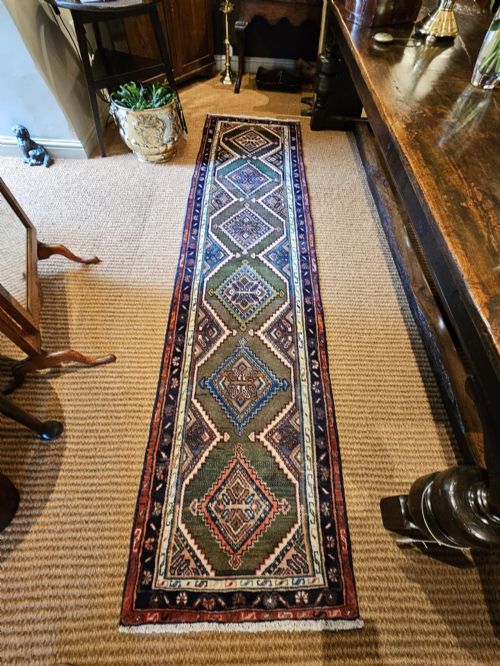
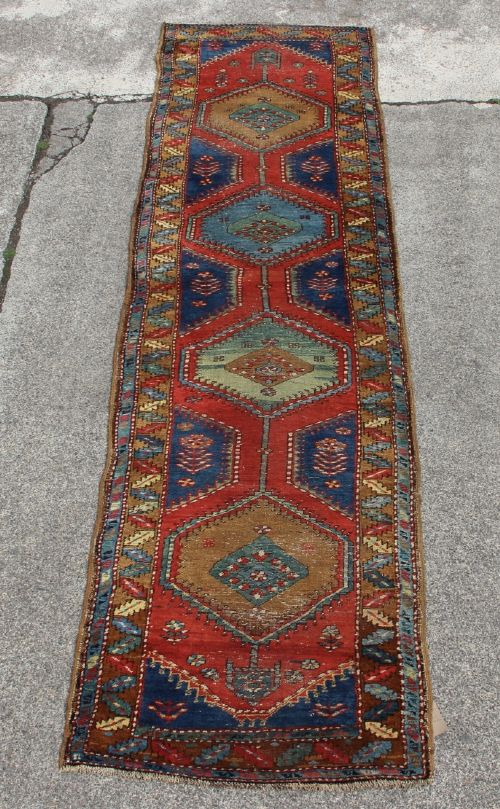

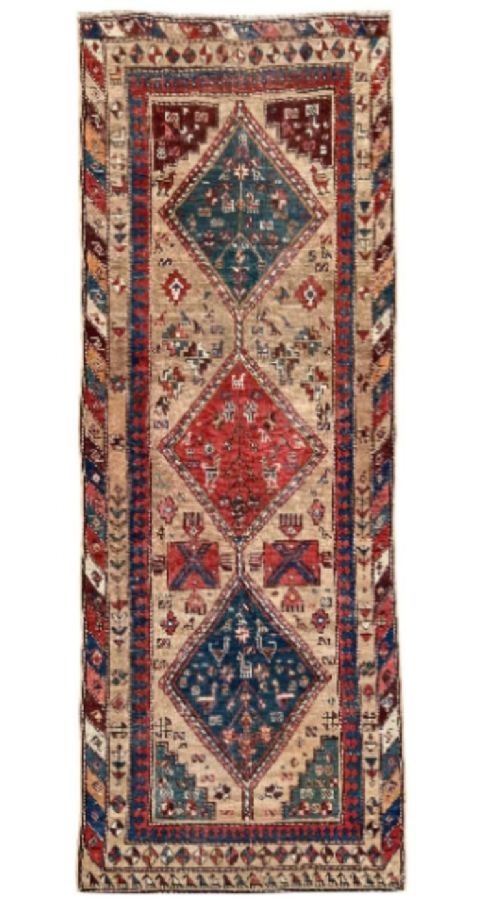
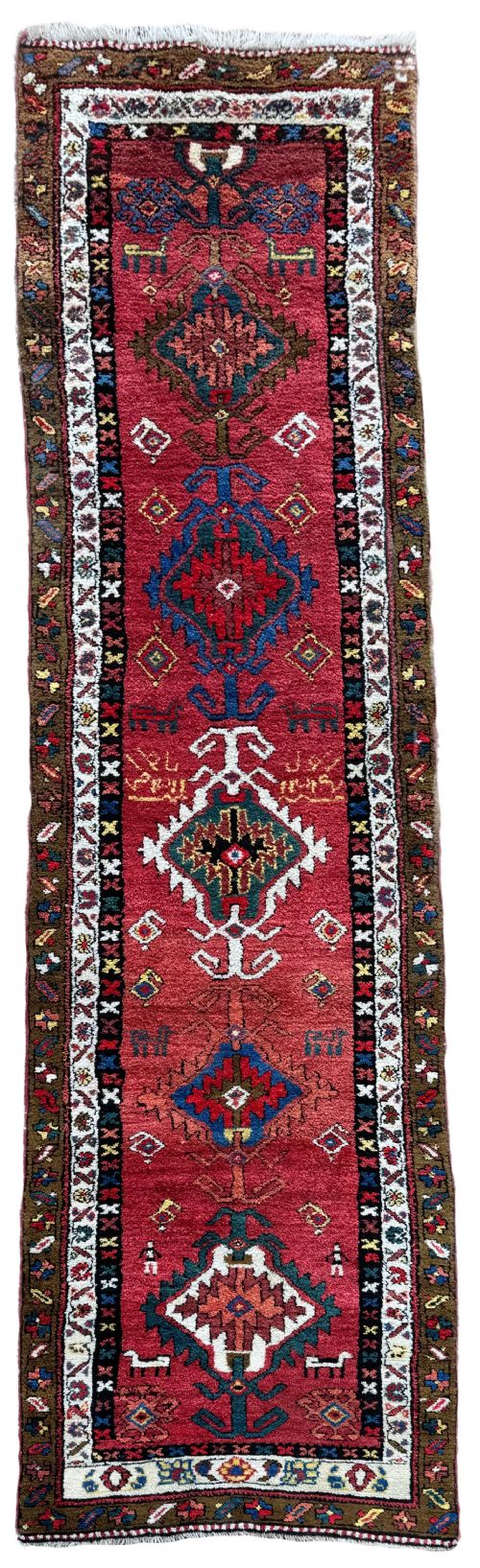
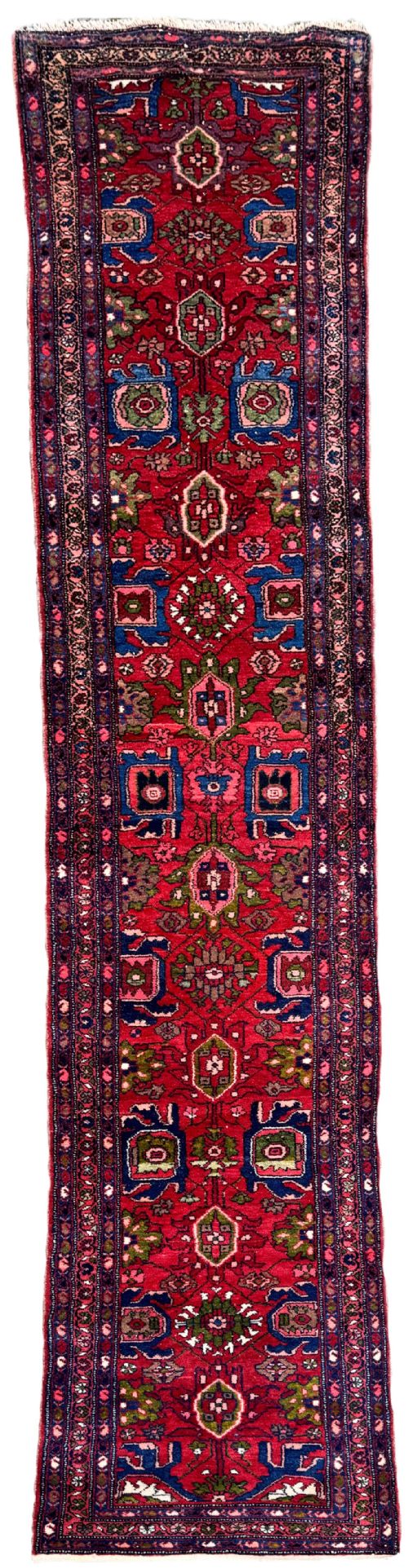
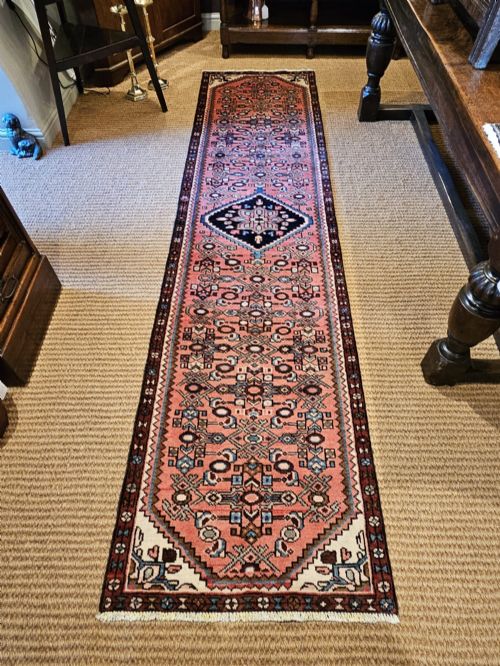
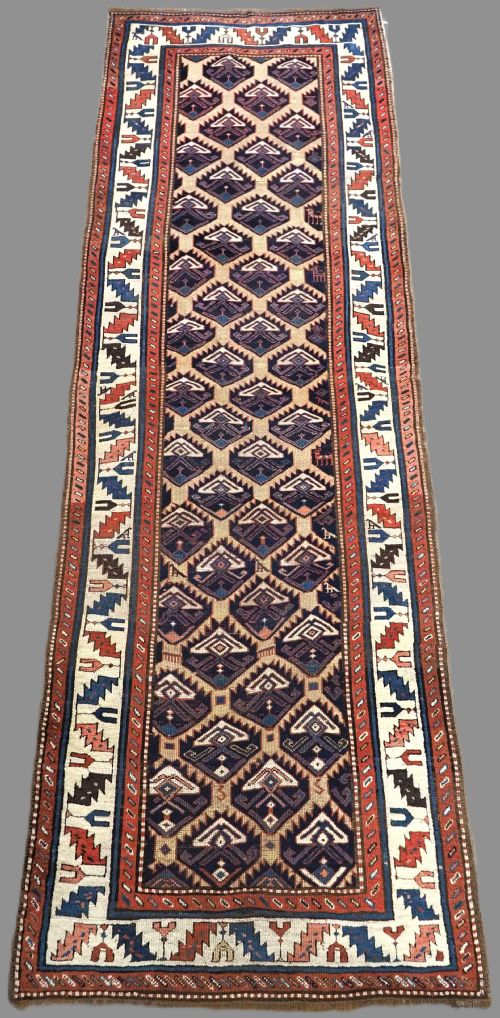
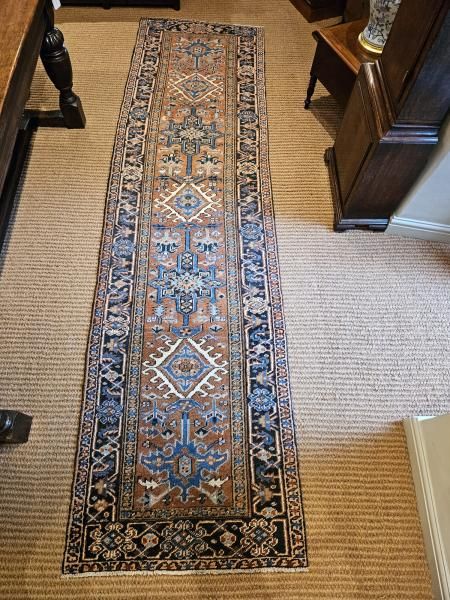

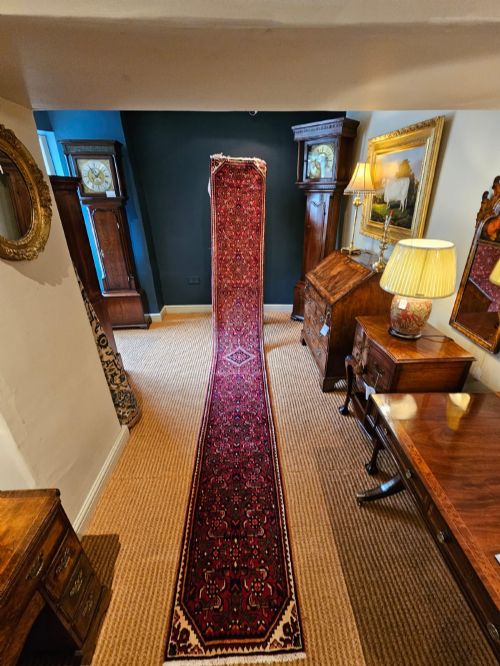
Traditional Persian Hallway Rug
A traditional persian hallway rug brings enduring geometric patterns and rich natural dyes directly into your primary corridors.
Traditional Persian Hallway Rug
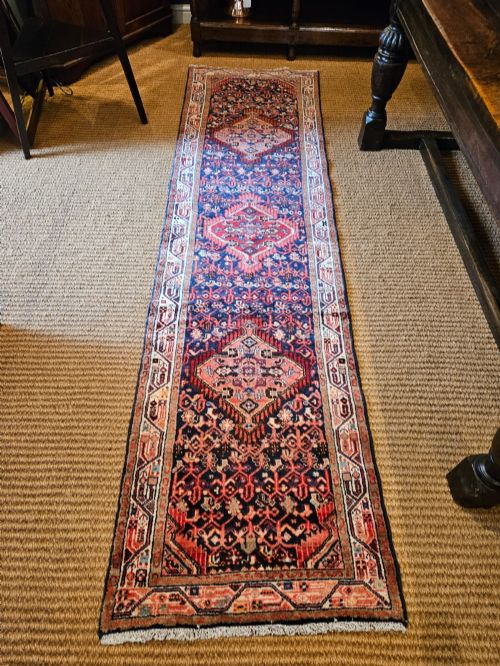
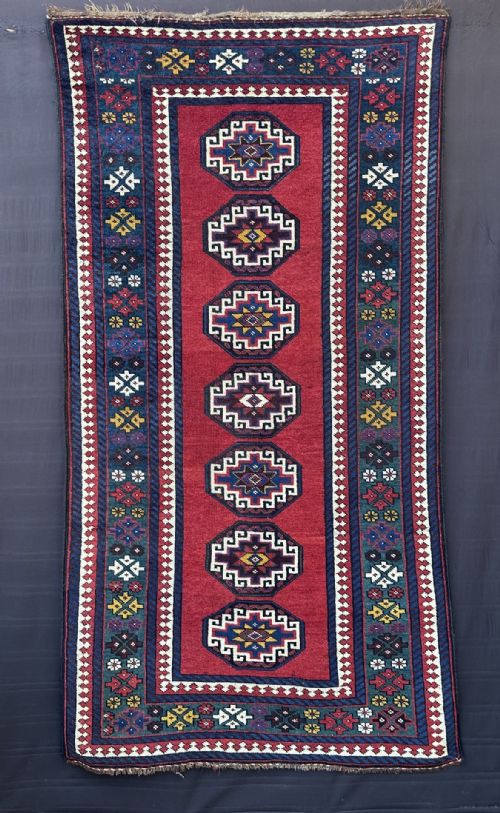
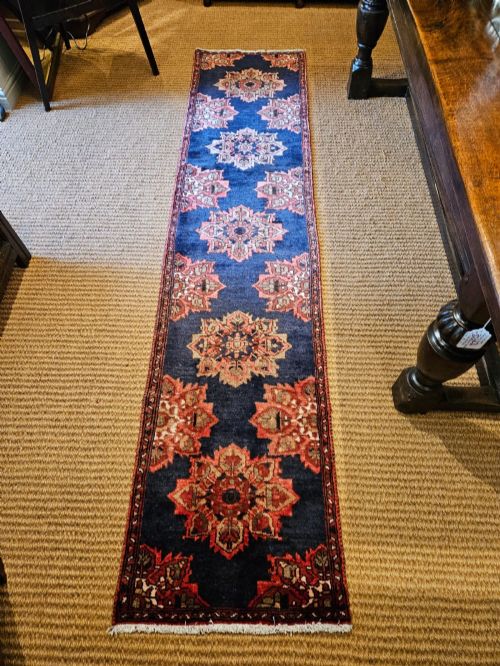
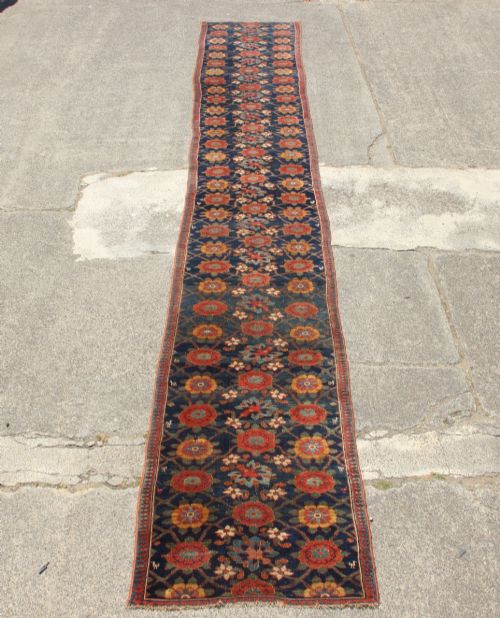
A traditional persian hallway rug serves as a durable, elongated floor covering designed specifically for passages, landings and narrow spaces within a house. These pieces emerge from various weaving traditions across Persia and the Caucasus, spanning periods from the nineteenth century through the early decades of the twentieth century.
The objects combine utility with intricate iconography developed across generations of regional weavers. Each piece reflects the specific aesthetic choices of its origin, ranging from geometric Caucasian lattices to curvilinear Persian fields.
Materials and Construction
Weavers utilised hand-spun wool and cotton foundation threads to construct these runners. The deployment of resilient wool pile ensures the surface withstands heavy foot traffic in domestic corridors over decades.
Natural dyeing methods yielded the deep navy blue, olive green and rich red tones visible across the inventory. Artisans knotted the wool by hand onto sturdy cotton warps andwefts, creating a dense textile structure.
Listings span multiple decades from the nineteenth century into the twentieth, utilising hand-spun wool and cotton.
Distinctions in Quality
Knot density and precision of design execution differentiate everyday village weaving from finer workshop output. Tighter knots allow for sharper geometric clarity and more complex medallion layouts.
The condition of the wool pile and the integrity of the original selvedges dictate the durability of an antique runner. Pieces retaining consistent pile height and uncompromised structural foundations command greater attention from collectors.
The Traditional Persian Hallway Rug Glossary
- Runner
- A long, narrow carpet format intended for corridors and staircases. These pieces measure significantly longer than their width to fit confined spaces.
- Warp
- The vertical threads stretched lengthwise on the loom that form the structural skeleton of the rug. Fringe ends typically consist of exposed warp threads.
- Weft
- The horizontal threads passed across the warp threads between rows of knots to bind the structure firmly together. Multiple weft shots help determine the rigidity of the rug.
- Selvedge
- The bound edge running along the length of the carpet, protecting the sides from fraying. Original selvedges indicate careful preservation.
- Pile
- The upright surface yarn formed by knotted wool that creates the texture and absorbs wear. Pile height varies depending on regional shearing practices and age.
Traditional Persian Hallway Rug: Frequently Asked Questions
How do I measure my hallway for a runner?
Measure the clear floor space between skirting boards, leaving a uniform margin of exposed wood or stone on all sides.
Account for door clearances so the thickness of the wool pile does not obstruct the swing of interior doors.
Where should I place a long runner?
Position these long formats in primary entryways, high-traffic corridors, or long domestic landings where foot traffic benefits from cushioned footing.
Ensure the dimensions leave sufficient border space to showcase the surrounding flooring.
How do I care for an antique wool runner?
Vacuum the surface gently using suction attachment without a rotating brush roll to protect the vintage wool pile from fibre distortion.
Rotate the rug periodically to distribute foot wear evenly across the length of the runner.
How do I distinguish regional Persian rug types?
Examine the specific geometry and colour palette, as Heriz and Bakshaish styles often display bold geometric medallions while Hamadan pieces feature varied village designs.
Consider the weave structure and material stiffness, which reflect the specific tribal traditions of regions like Kurdistan or the Caucasus.