






Persian Geometric Runner Carpet
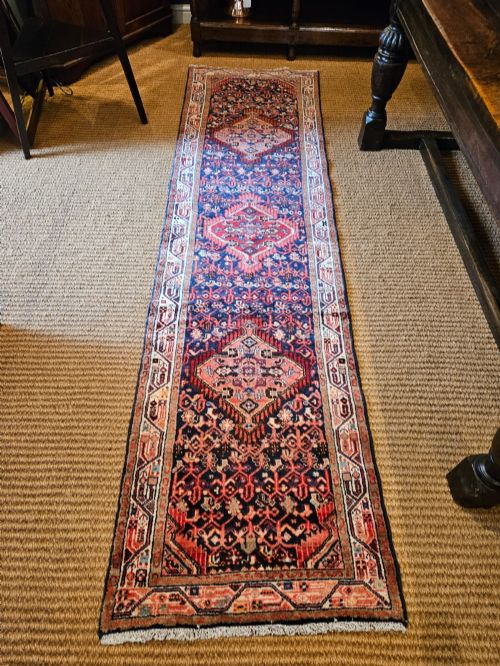
A persian geometric runner carpet brings linear structure and tribal character to a hallway through wool pile and traditional motifs.
Persian Geometric Runner Carpet
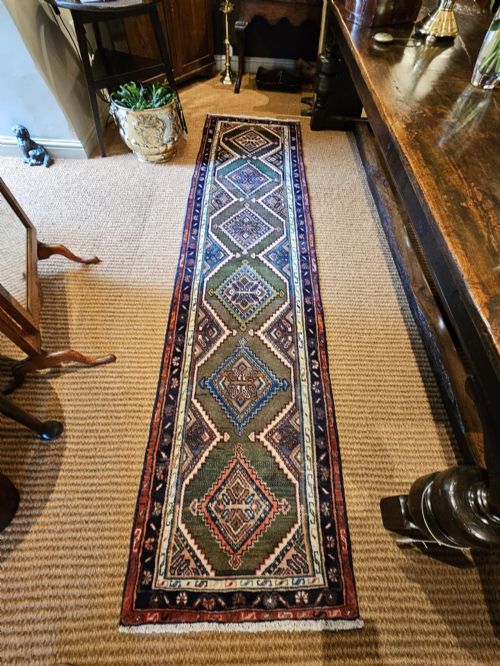
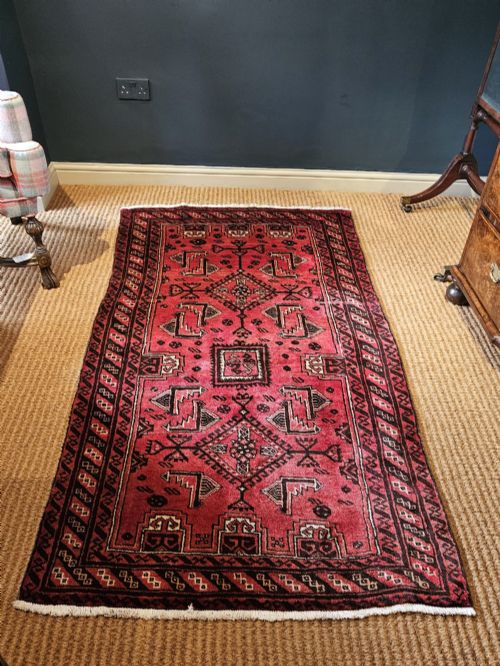
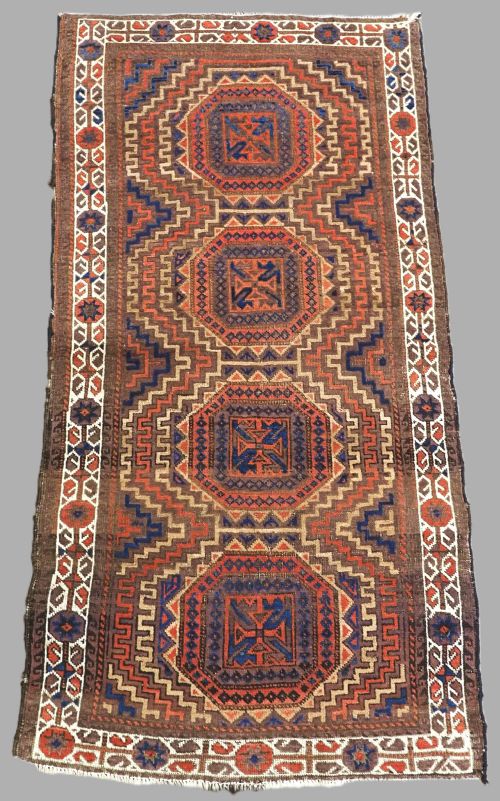
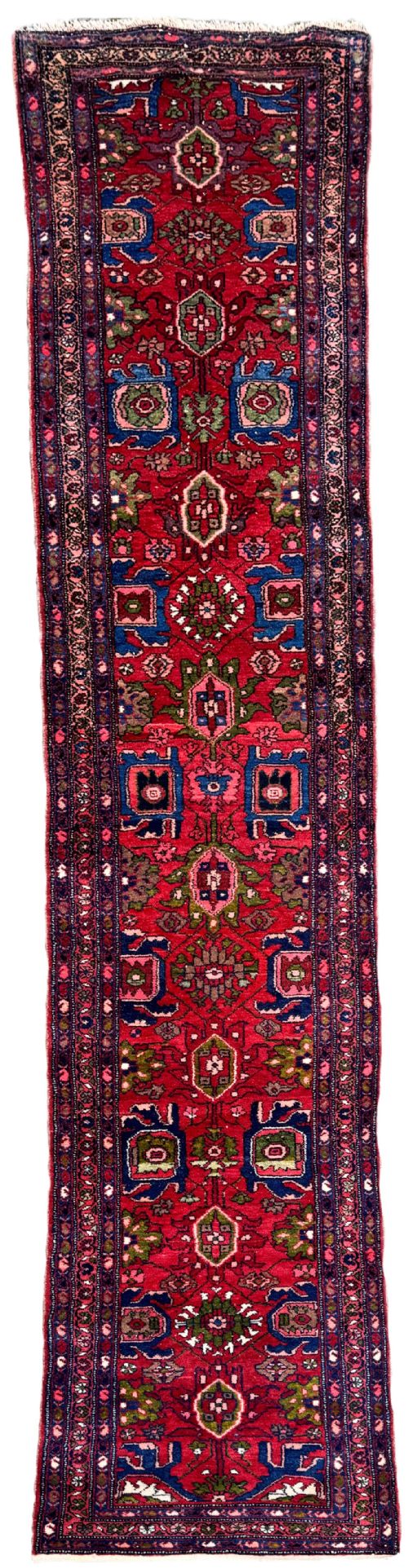
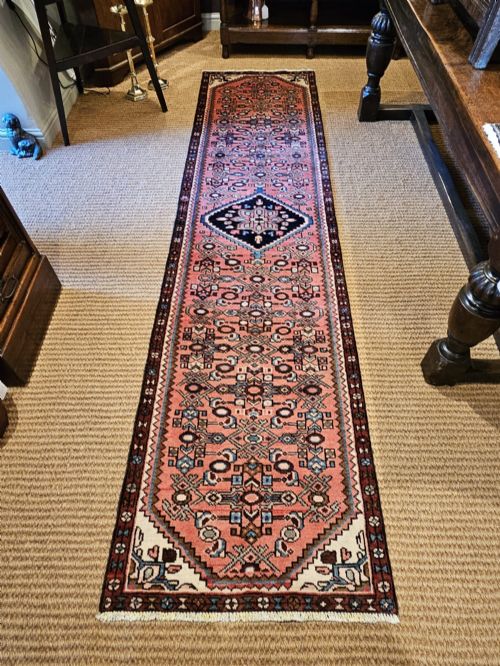
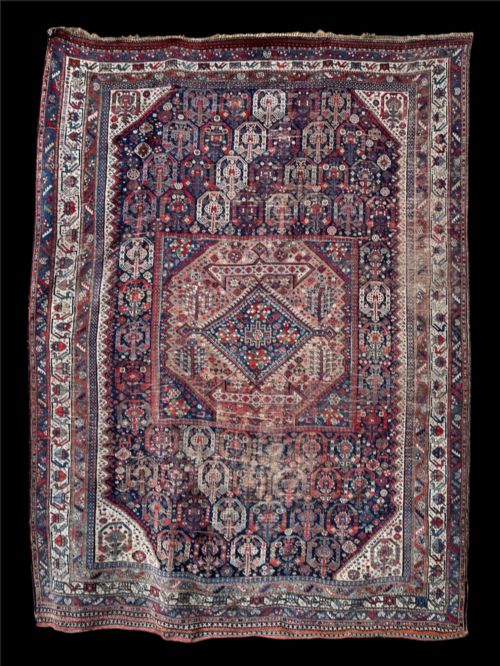
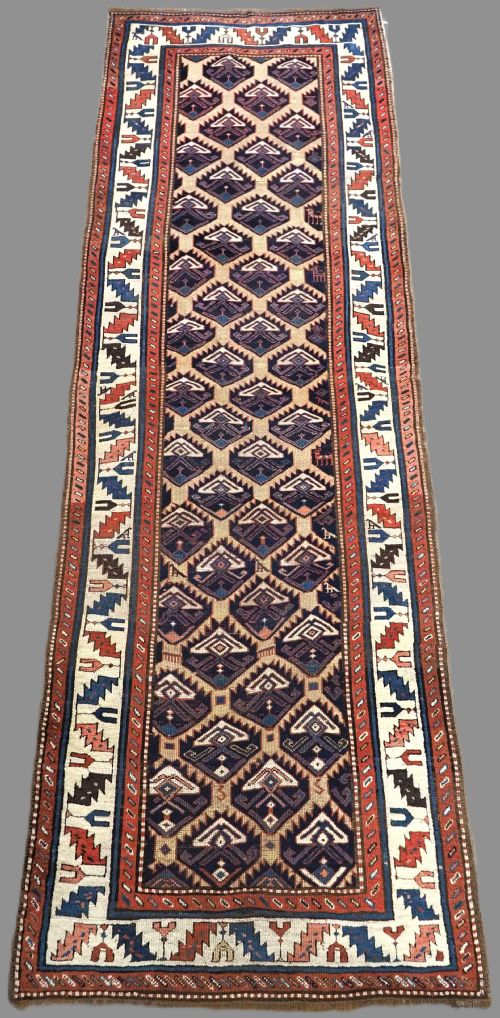
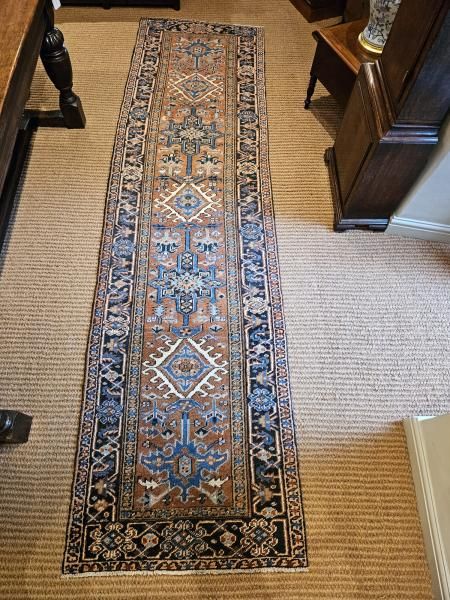
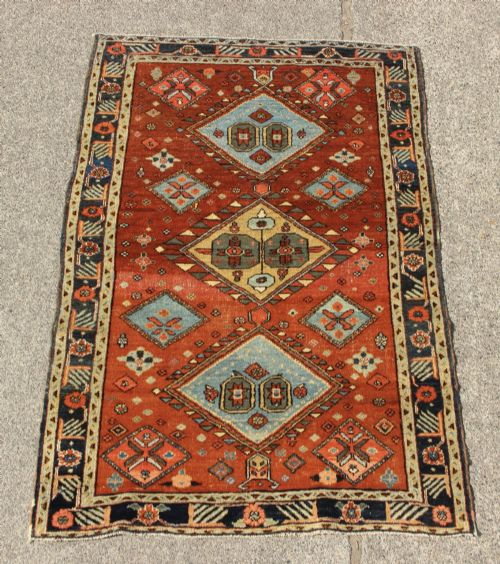
A persian geometric runner carpet spans narrow formats designed for long spaces, drawing on traditional village and tribal weaving traditions from the nineteenth and early twentieth centuries. These floor coverings utilise repeated rectilinear patterns, medallions, and lattice designs across formats originating from regions such as Hamadan, Heriz, Kurdish areas, and the wider Caucasus.
Buyers encounter long formats styled as hallway runners alongside village carpets woven with hand-spun wool and natural dyes. The typical pieces date from the eighteen-eighties through the nineteen-thirties, reflecting regional motifs passed down through generations of weavers.
Materials and construction
These textiles rely principally on wool, pure wool, and hand-spun wool foundations, occasionally incorporating camel hair for natural tone variations. Weavers utilised natural dyes to achieve deep colour palettes spanning olive green, navy blue, and rich earth tones.
The construction involves hand-weaving techniques characteristic of tribal and village workshops across Persia and neighbouring regions. Pile density and yarn preparation directly influence the weight and flexibility of each finished runner.
Regional styles include Kurdish, Heriz, Hamadan, Baluch, and Caucasian village weaving traditions.
Judging quality in vintage runners
Quality rests upon the crispness of the geometric drawing and the depth achieved by natural dye stuffs. Finer knots and tighter wool spinning produce a resilient pile that maintains its structural integrity over decades of foot traffic.
The balance of the composition and the consistency of the wool yarn dictate the visual harmony of the piece. Regional attribution also plays a role, with specific weaving centres known for distinctive knotting densities and durable foundations.
Kurdish Tribal·Hamadan·Shahsavan
The Persian Geometric Runner Carpet Glossary
- Runner
- A long, narrow carpet format traditionally utilised in hallways, corridors, and passage spaces. These pieces measure significantly longer than they are wide.
- Gul
- A medallion or repeating octagonal motif commonly found in tribal weaving traditions. This motif often forms the primary focal point of the field design.
- Natural dye
- Colouring derived from plant, insect, or mineral sources rather than synthetic compounds. These dyes yield rich, complex tones that mellow gracefully over time.
- Lattice
- An open network pattern formed by intersecting diagonal lines or grid structures across the carpet field. This design organises secondary motifs within structured compartments.
- Hand-spun wool
- Yarn spun by hand rather than by industrial machinery, resulting in variable thickness and lively texture within the pile.
Persian Geometric Runner Carpet: Frequently Asked Questions
Where should I place a runner?
These long formats suit narrow corridors, hallways, and gallery spaces where linear floor coverings direct movement.
They also function effectively beside beds or in galley kitchens, adding warmth and texture to confined areas.
How do I care for wool pile?
Regular gentle vacuuming without a rotating beater bar prevents dust accumulation within the wool pile. Professional cleaning is recommended periodically to maintain the integrity of the natural dyes.
Keeping the textile out of direct sunlight preserves the original tones of the vegetable colourants.
How do I date an older carpet?
Dating relies on material analysis, dye characteristics, and structural traits such as knot density and wool preparation. Pieces from the nineteenth century often display hand-spun wool and early natural dye palettes.
Design conventions and regional weaving habits also provide clear indicators of the era of production.