
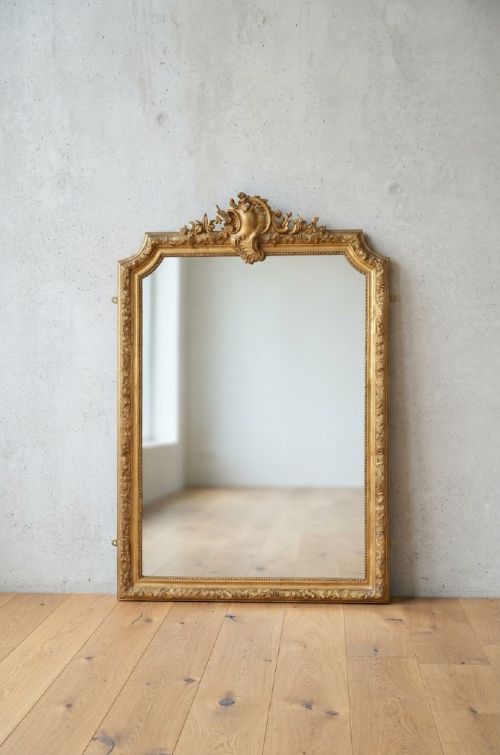
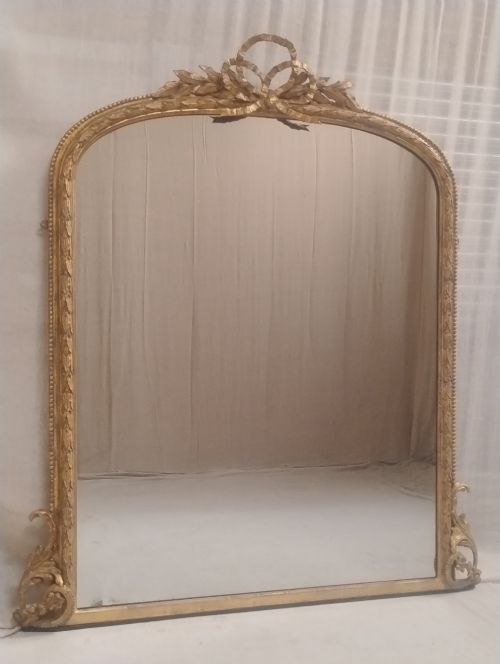
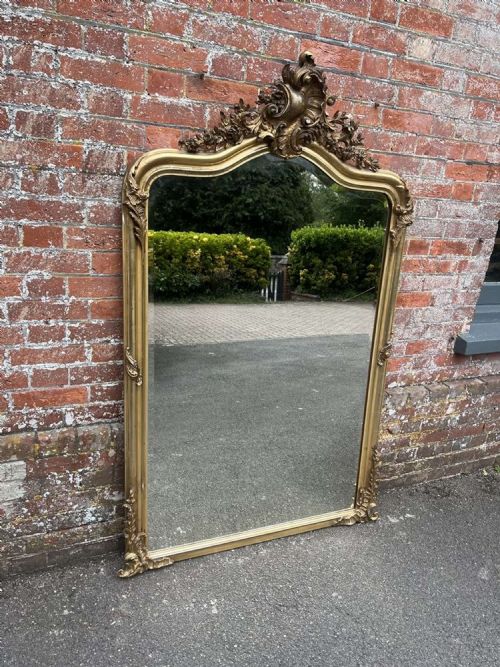
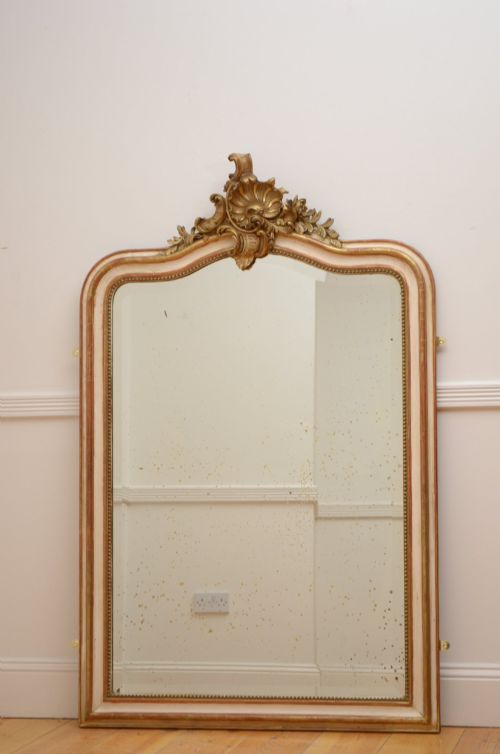
Cresting Top Mirror
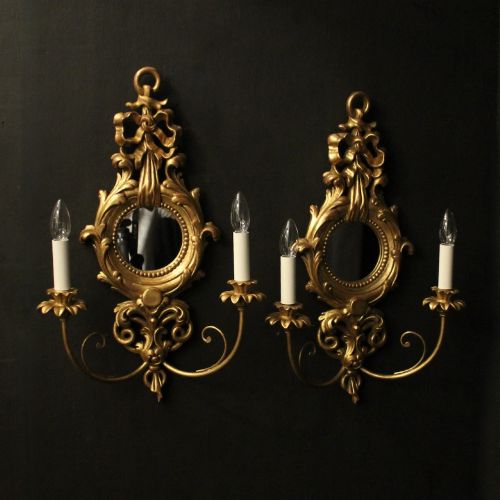
A cresting top mirror brings architectural presence to a room, defined by shaped frames and ornamental crowns that draw the eye upward.
Cresting Top Mirror
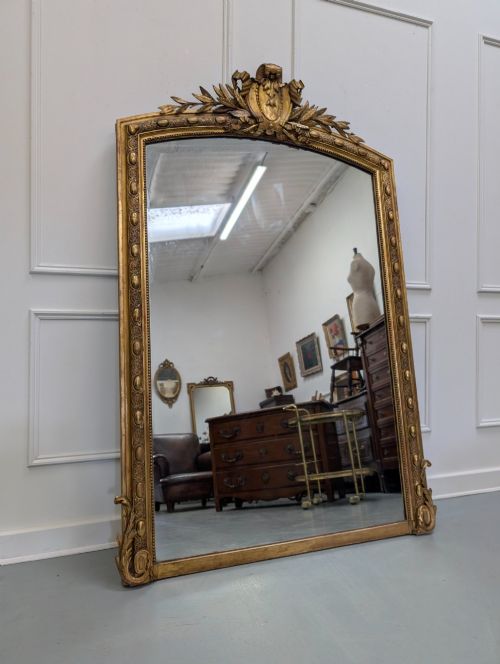
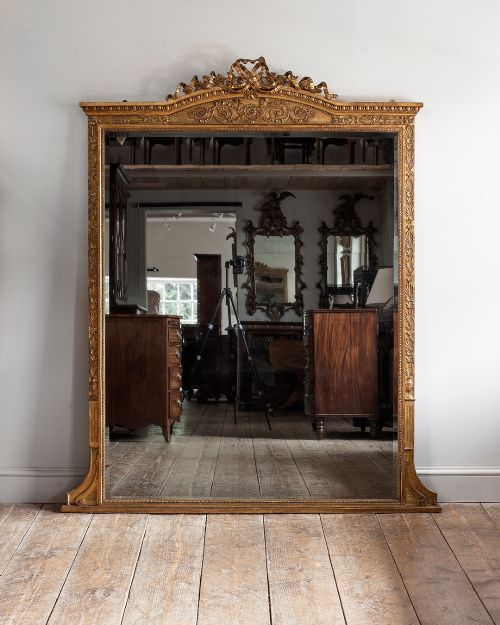
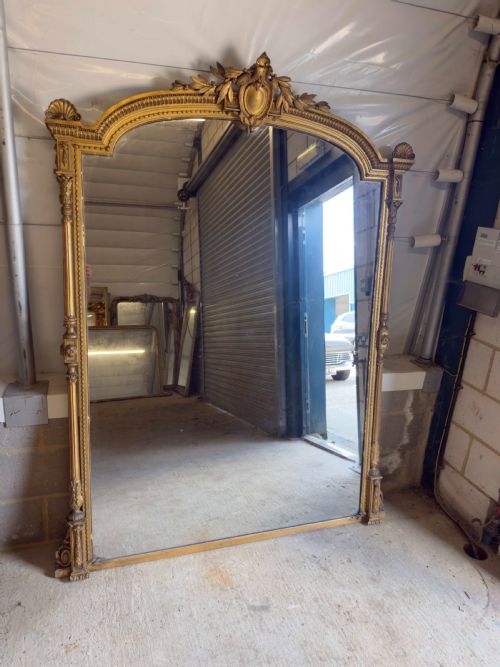
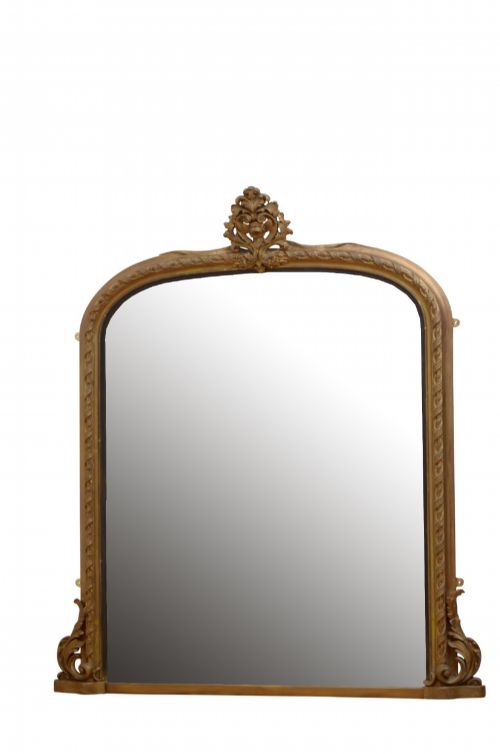
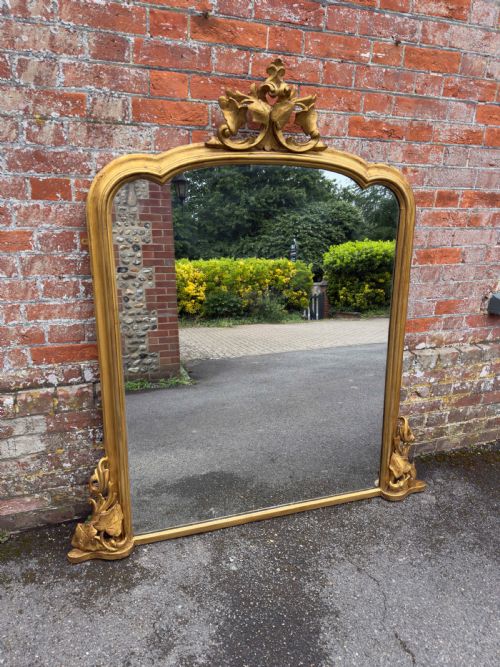
When searching for a cresting top mirror, buyers encounter grand overmantel pieces and generous wall mirrors designed to command a space. These items frequently date from the nineteenth century, spanning French and English stylistic revivals.
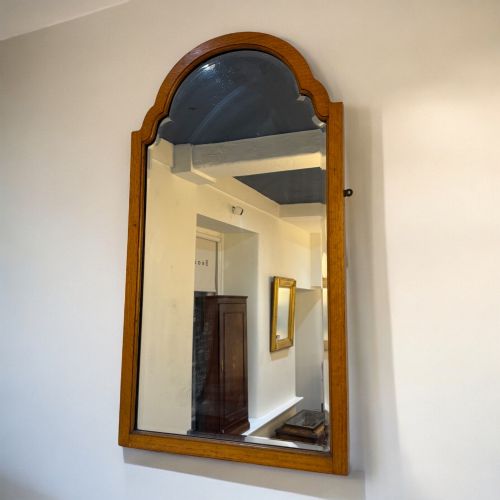
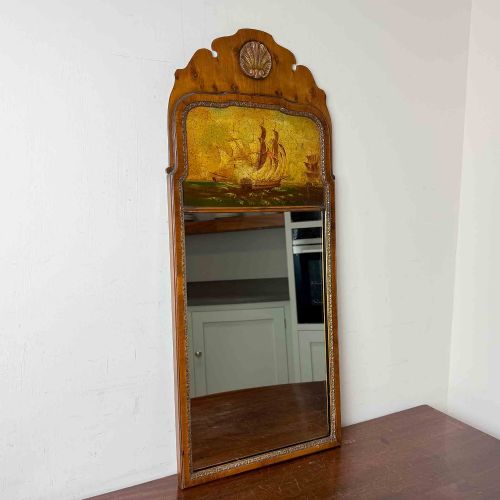
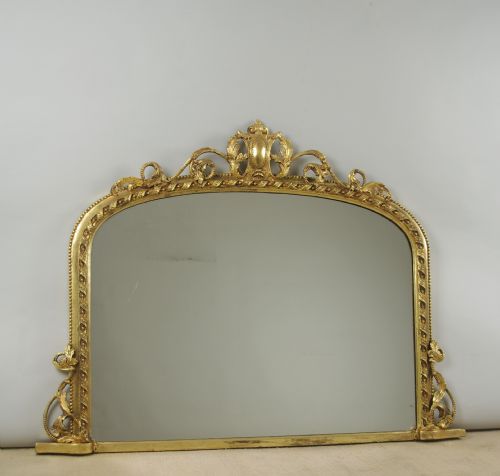
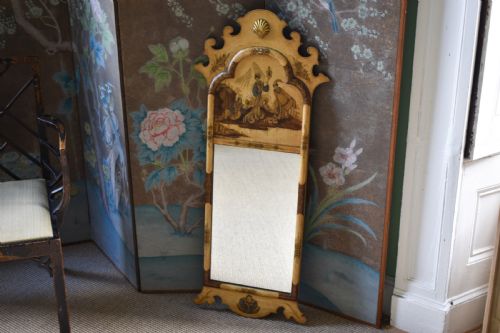
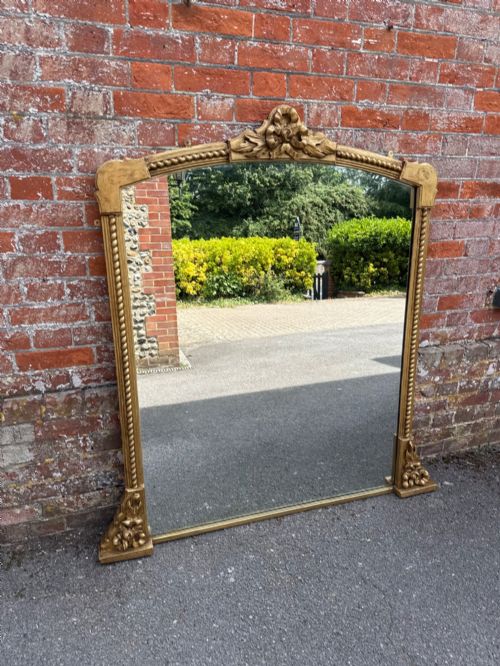
The characteristic cresting manifests as an arched, shaped, or decorated top, often featuring central cartouches, shell motifs, or maritime scenes. Overmantel formats predominate, scaled to sit comfortably above a fireplace mantel.
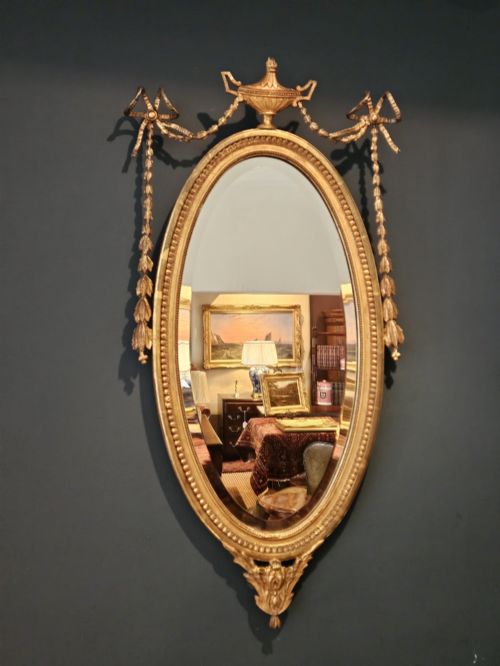
Examples range from restrained walnut and yew wood frames to heavily ornamented giltwood and gesso creations. Victorian and French Rococo influences appear repeatedly across the selection.
Materials and construction
Wood serves as the foundational core, utilising carved walnut, oak, or pine depending on the workshop and period. Applied gesso builds up the intricate relief work found along the frames and crests.
Gilding techniques employ gold leaf applied over bole and gesso preparation layers. Silvered finishes and painted surfaces also appear, alongside bevelled mirror plates set into the rebated frames.
One cheerful overmantel once sold wearing a mischievous putto perched high upon its cresting crown.
Judging quality in mirrors
The crispness of the carved wood and gesso ornament separates standard production from superior pieces. Deep, sharp relief work indicates skilled hand-carving rather than mass-produced moulding.
The integrity of the original gilding or finish dictates value, with untouched surfaces retaining a richer warmth. Original mirror plates showing natural ageing and foxing add historic depth to the piece.
The Cresting Top Mirror Glossary
- Cresting
- The decorative upper crown or top architectural feature of a mirror frame. It provides the primary visual focal point above the main glass plate.
- Gesso
- A plaster-like mixture applied to wood frames to create a smooth surface for gilding or painting. Deep relief details are frequently sculpted directly into this layer.
- Overmantel mirror
- A large horizontal or vertical mirror specifically designed to hang above a fireplace mantelpiece. These pieces often incorporate elaborate architectural cresting.
- Cartouche
- An ornamental tablet or panel frame, often resembling a rolled-up scroll. It frequently sits centrally within the cresting top of nineteenth-century mirrors.
- Foxing
- Age-related spots and discoloration within the silvering of mirror glass. Collectors value genuine foxing as an indicator of period authenticity.
Cresting Top Mirror: Frequently Asked Questions
Where should I hang a cresting top mirror?
These mirrors traditionally anchor a room when positioned above a fireplace mantel where their height draws the eye upward. They also function effectively on main living room walls to reflect light and create a sense of expanded space.
Ensure the wall construction supports the substantial weight of carved wood and gesso frames. Professional fixings rated for heavy antique mirrors are essential for secure installation.
What periods do these mirrors come from?
The available selection centres primarily on the nineteenth century, encompassing Victorian and Edwardian examples alongside French styles. Pieces from the eighteen-sixties and eighteen-seventies feature prominently among the heavier giltwood overmantels.
Revival styles span earlier aesthetics, incorporating Queen Anne walnut and Baroque influences executed during the later Victorian and early twentieth-century periods.
Are the mirror plates original?
Many nineteenth-century examples retain their original glass plates, which often display characteristic signs of age such as light foxing and minor surface distortion. These natural imperfections confirm the historic integrity of the object.
Some pieces may have received replacement mirror plates over their long lifespan to improve reflection clarity. Examining the backboards and framing rebates helps determine whether the glass dates to the construction of the frame.