
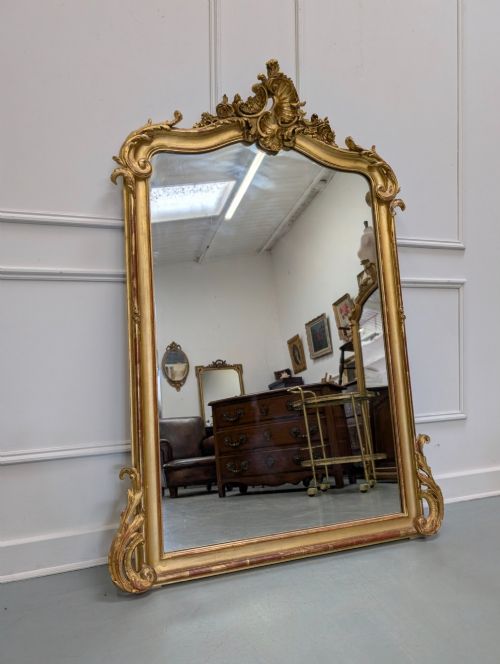
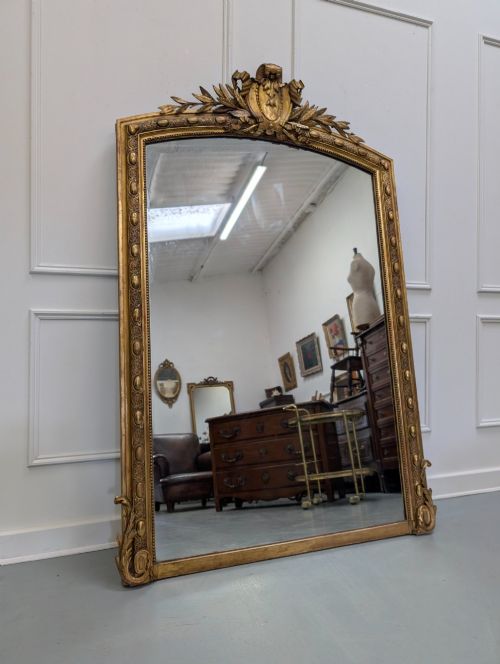

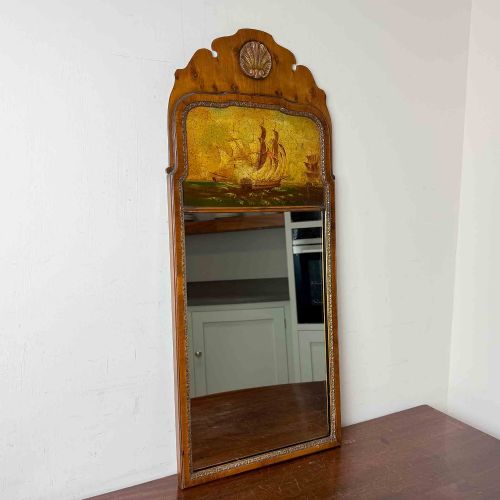
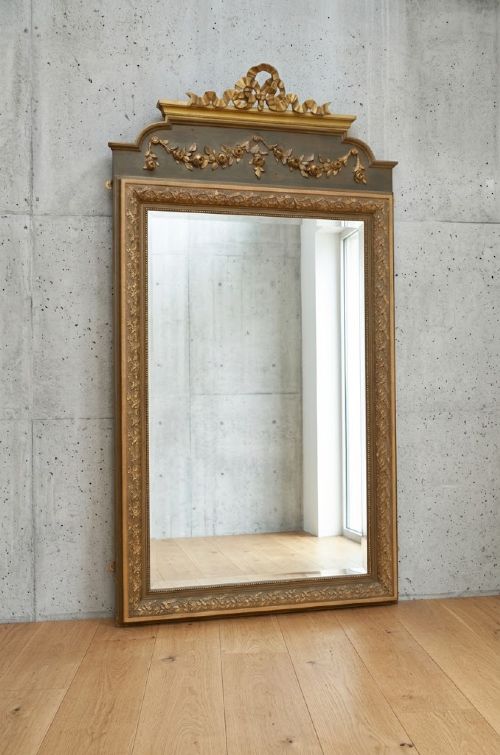
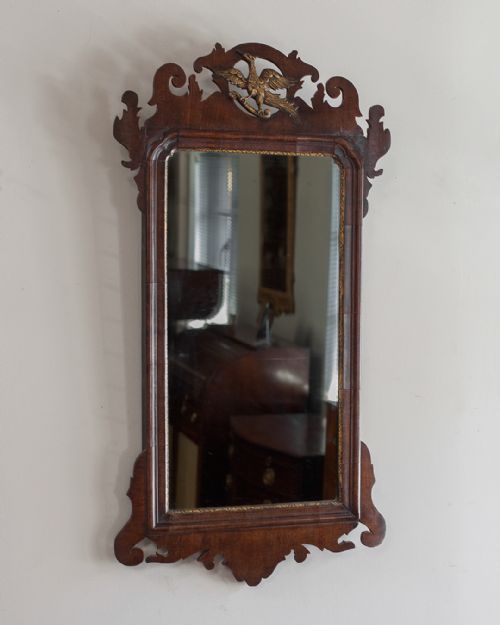
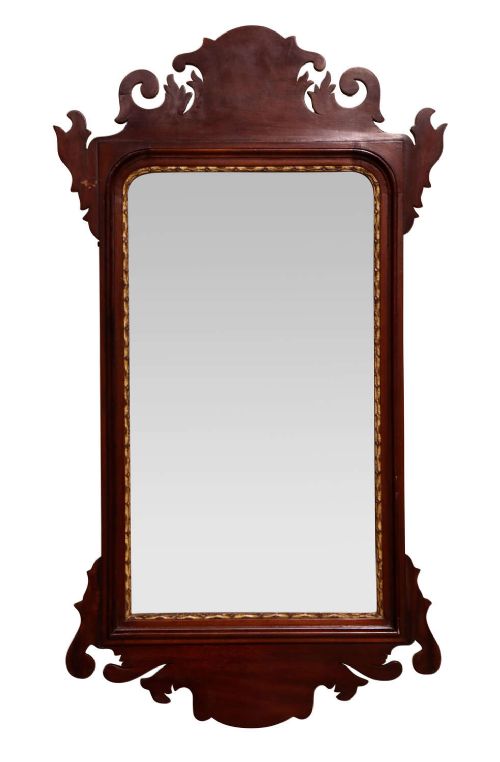
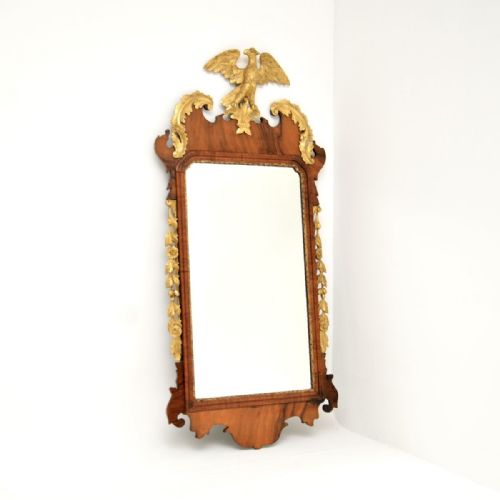
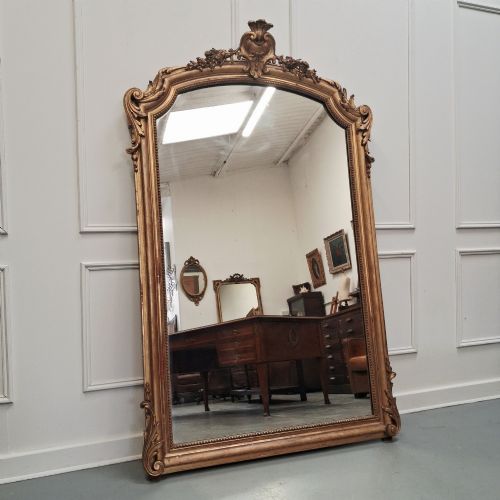
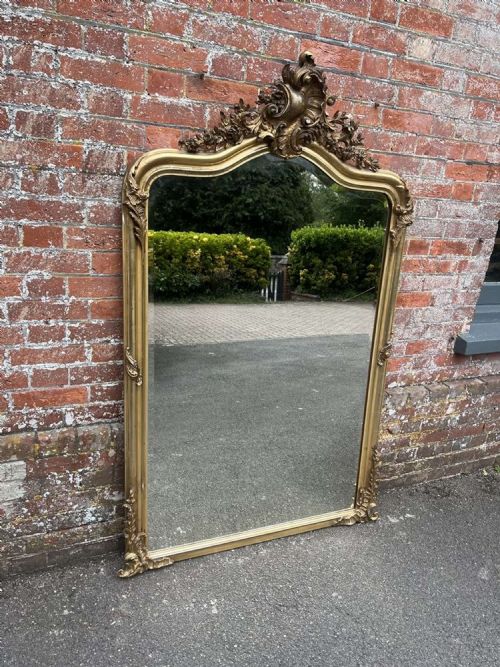
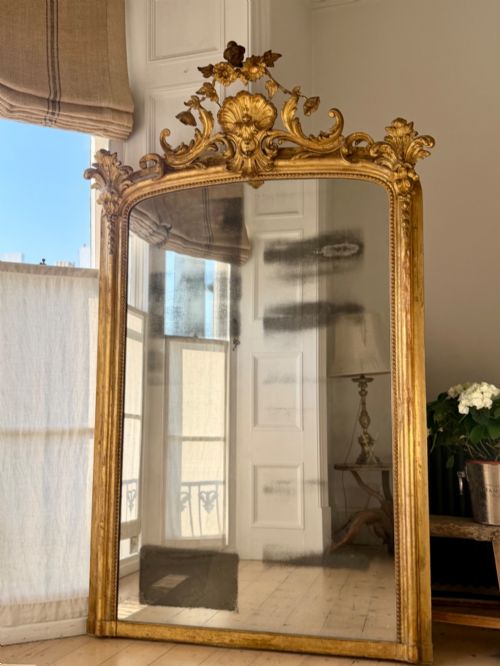
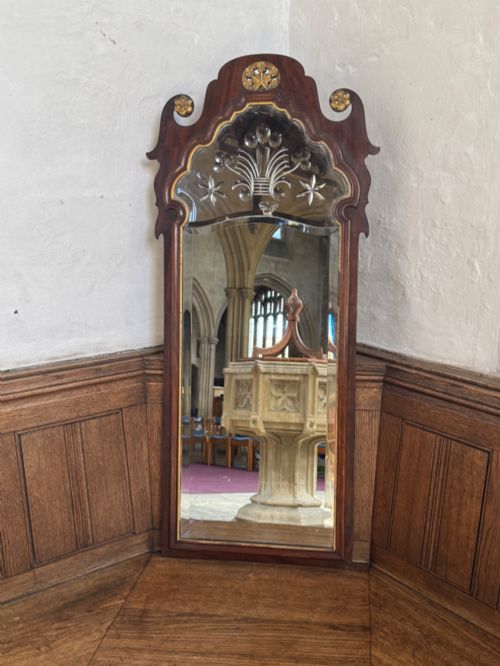
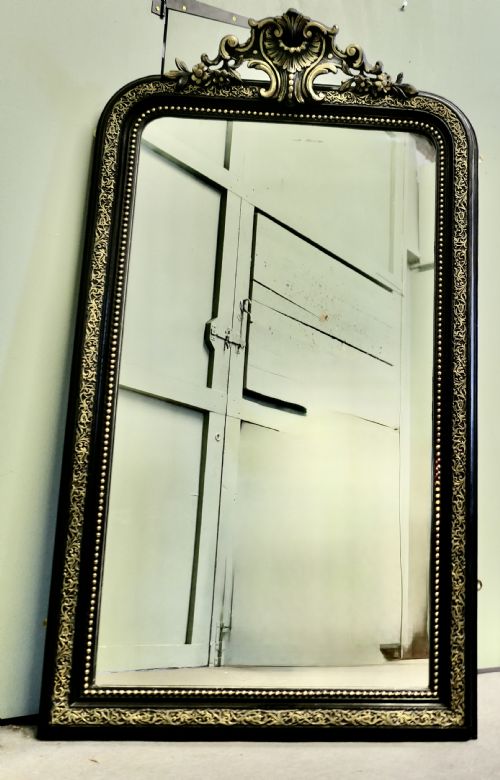
Crested Pier Mirror
These tall vertical glasses bring proportion and reflected light to reception rooms, occupying the narrow wall space between windows.
Crested Pier Mirror
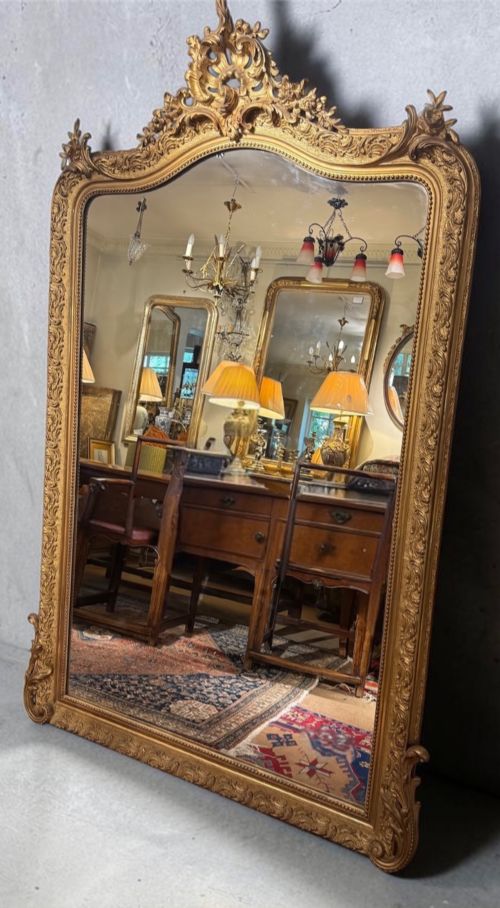
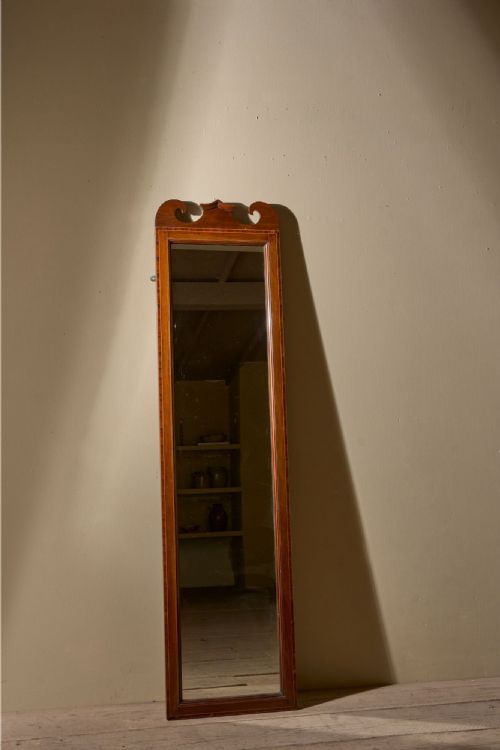
A crested pier mirror stands as a commanding vertical focal point designed specifically for the wall space between tall windows. This selection comprises pieces originating from the eighteenth, nineteenth and early twentieth centuries, spanning Georgian, Victorian and Edwardian periods.
The prevailing examples on this page date from the nineteenth century, executed in styles ranging from French Second Empire and Napoleon III to ornate French Rococo and neoclassical revivals. Many incorporate architectural pediments or carved crestings above tall rectangular glass plates.
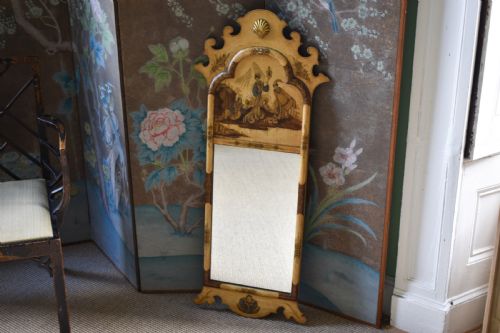
Makers and workshops adapted traditional forms across these decades, employing mahogany, walnut, yew wood and painted wood alongside heavily ornamented giltwood and gesso frames. The resulting forms function equally as architectural embellishments and practical looking glasses for high-ceilinged interiors.
Materials and construction techniques
Makers constructed the structural carcasses of these frames from dense hardwoods such as mahogany, walnut and occasionally pine or other softwoods intended for surface application. Carved wooden elements and applied gesso provided the sculptural relief necessary for ornate crestings, scrolls and foliate motifs.
Surface decoration relied heavily upon gold leaf and metal leaf laid over gesso preparation layers, alongside oil paint, ebonising and lacquer work such as Chinoiserie decoration. Mirror plates were set within the rebates, held by backing boards, utilising historic glass types including foxed mercury glass and reverse cut plates.
Assessing craftsmanship and finish
Quality reveals itself primarily in the depth, crispness and manual execution of the carved wood and gesso ornamentation upon the crest. Superior examples exhibit hand-carved undercut details that retain sharp definition through layers of gilding, whereas inferior items rely on moulded composition substitutes.
The integrity of the original mirror plate and the weight of the timber frame dictate lasting value. Frames constructed from solid mahogany or walnut with intact original gilding and historic silvered glass represent the highest standard of surviving craftsmanship.
Gillows Of Lancaster·John Belchier·William Kent
The Crested Pier Mirror Glossary
- Pier mirror
- A tall wall glass specifically proportioned to hang on the narrow pier of wall between two windows. These pieces often incorporate elaborate architectural crests.
- Gesso
- A plaster-like mixture applied to wooden frames as a smooth base for gilding and fine carving. It allows artisans to shape intricate relief ornamentation.
- Parcel-gilt
- A decorative treatment where portions of a wooden or painted surface are partially gilded with gold leaf while other areas remain exposed wood or colour.
- Trumeau mirror
- A decorative mirror integrated into a painted or carved wooden wall panel, frequently featuring an upper oil painting or carved panel within the frame.
- Foxed mirror glass
- Age-related degradation of the silver backing behind the glass plate, creating characteristic dark spots and mottled patches that verify antique authenticity.
- Fretwork
- Thin wood cut with decorative open patterns using a fretsaw, commonly applied to the flat crests and margins of Georgian and Victorian frames.
Crested Pier Mirror: Frequently Asked Questions
How do I identify a Victorian pier mirror?
Nineteenth-century examples frequently employ dense gilding, gesso ornamentation and heavier architectural proportions influenced by French styles such as Rococo and Napoleon III.
Makers of this era often utilised machine-sawn backing boards and distinct framing techniques that separate them from earlier Georgian work.
What is foxed glass?
Foxing refers to the natural oxidation and breakdown of the silver or mercury backing behind antique mirror glass over many decades.
This chemical ageing process produces decorative dark speckles and cloudy patches which serve as an indicator of genuine age.
How are giltwood frames maintained?
Giltwood surfaces require gentle dusting with a soft, dry brush to prevent the accumulation of dirt within the intricate carved crevices of the gesso.
Moisture and chemical cleaners must be avoided entirely, as water strips historical gold leaf and damages the underlying preparation layers.