
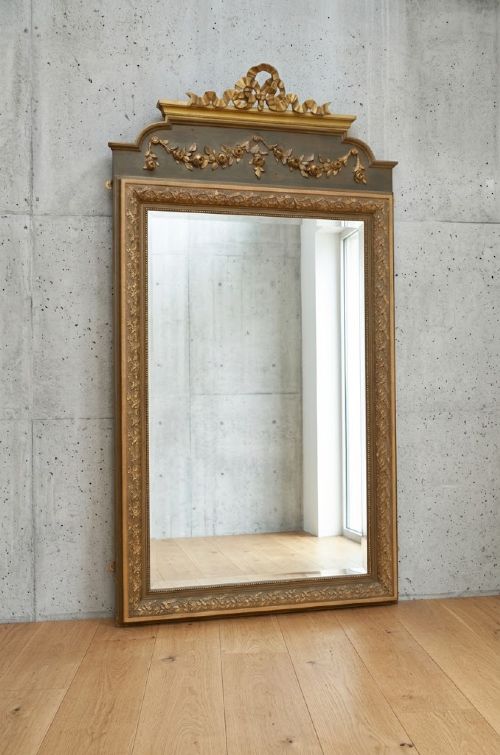
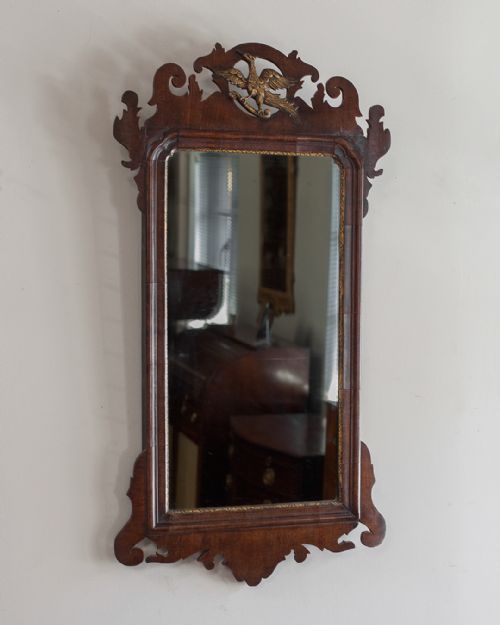
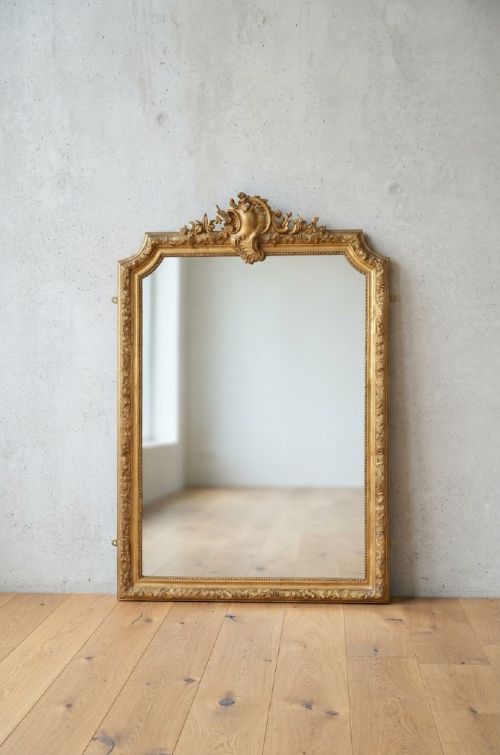
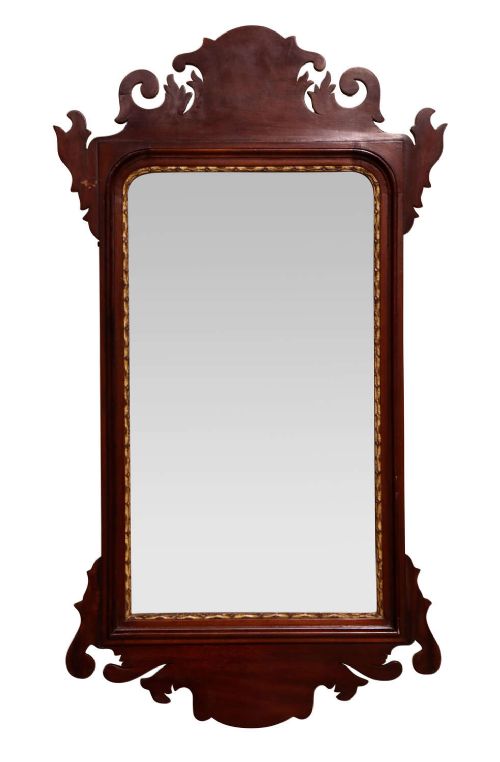
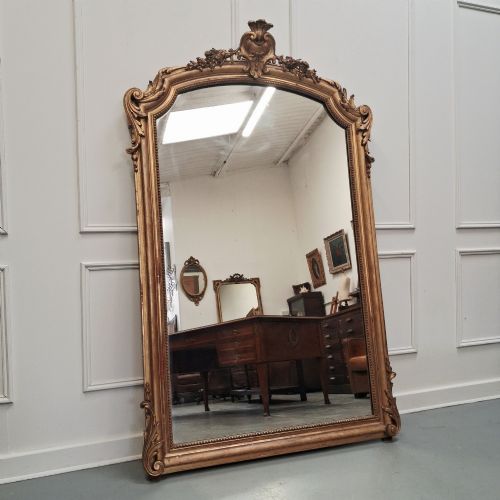
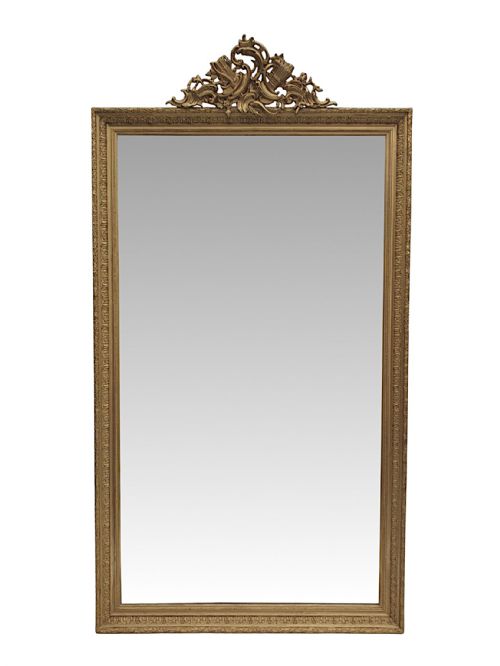
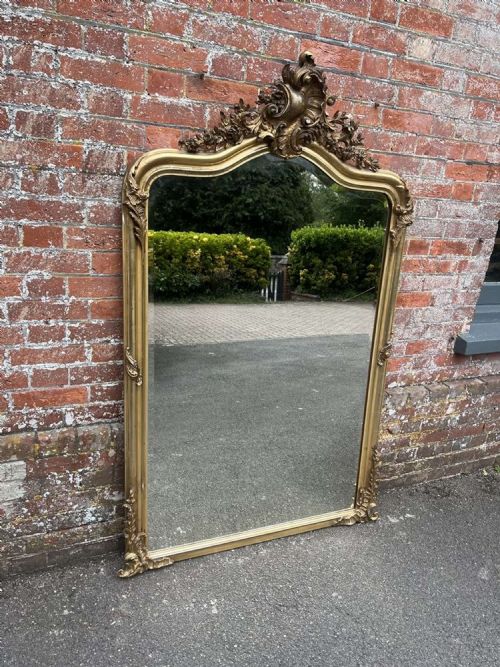
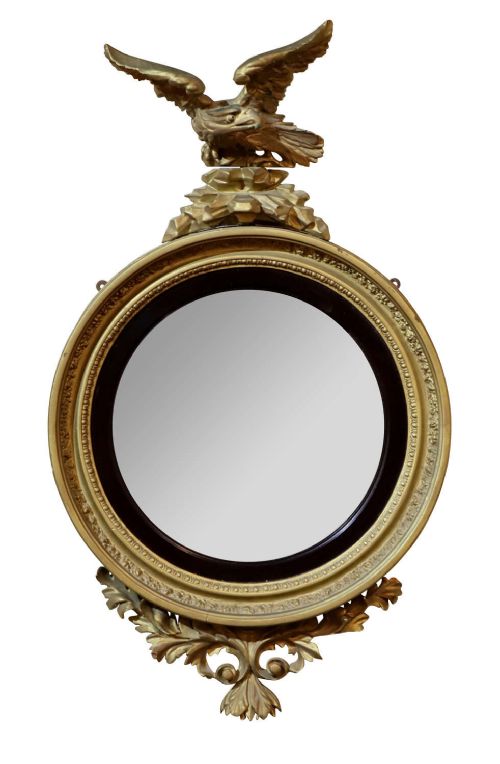
Crest Carved Wall Mirror
These crest carved wall mirror pieces bring dramatic architectural presence and depth to a room through traditional gilding and carved detail.
What They Are
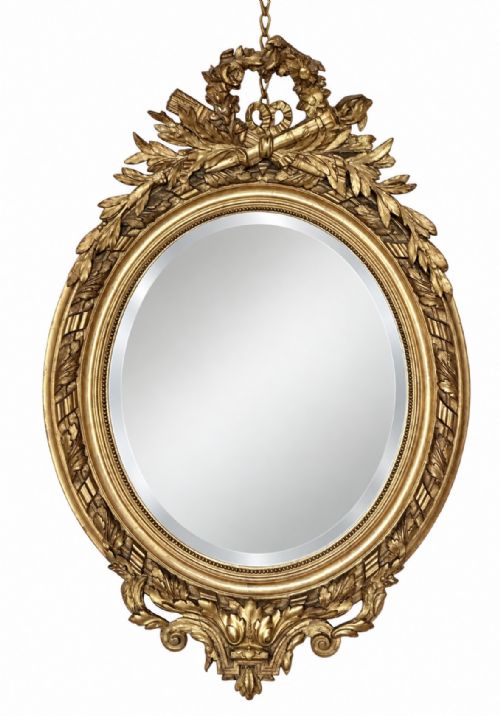
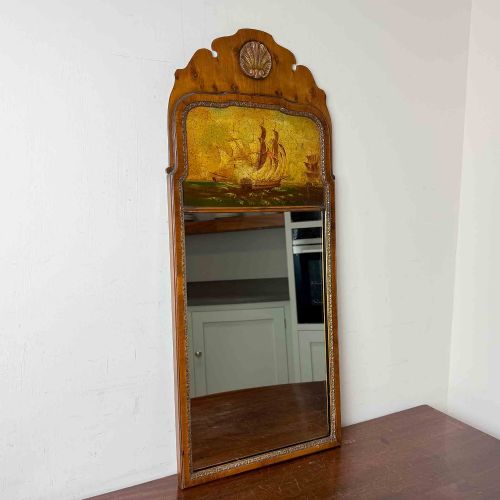
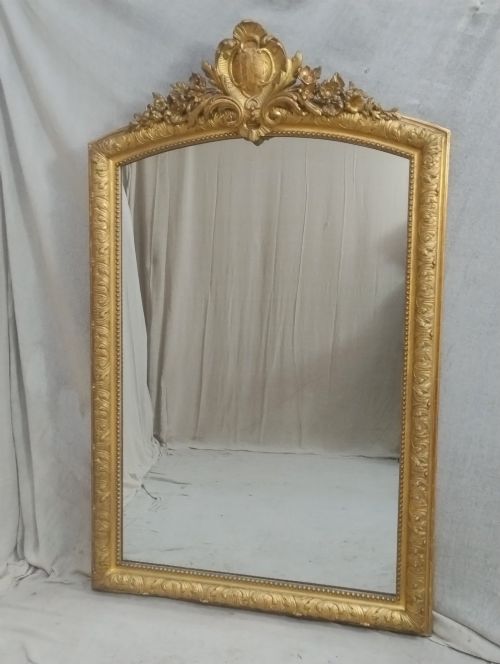
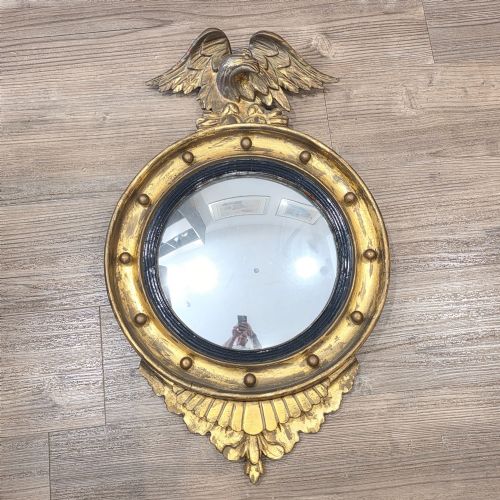
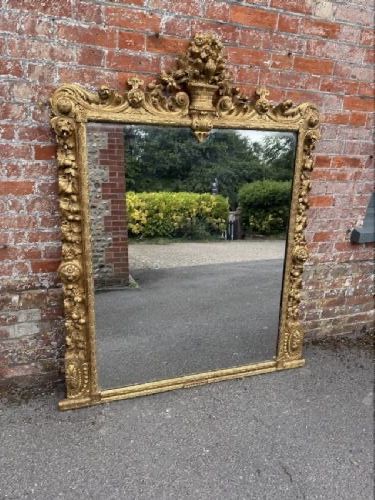
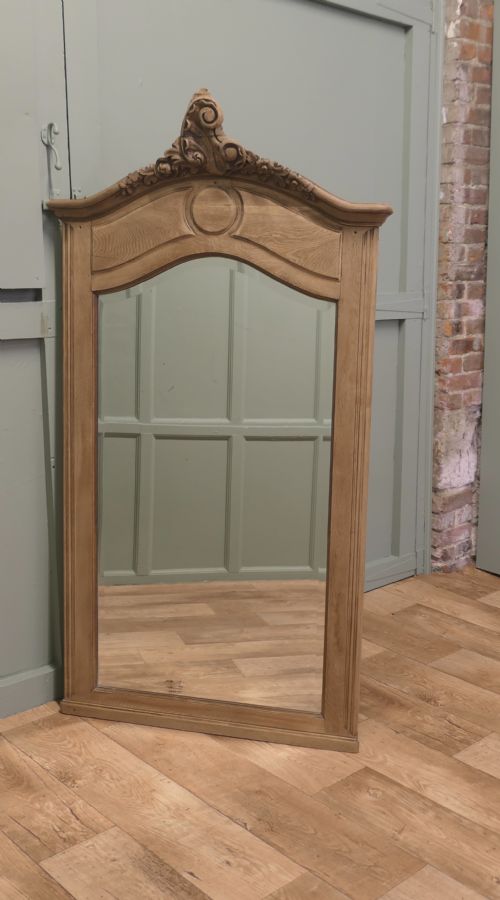
A crest carved wall mirror is a striking decorative fixture designed to hang on a wall or sit above a mantelpiece, reflecting light and space. When you search for this phrase, you encounter substantial overmantel mirrors and wall-hanging formats from various historical periods.
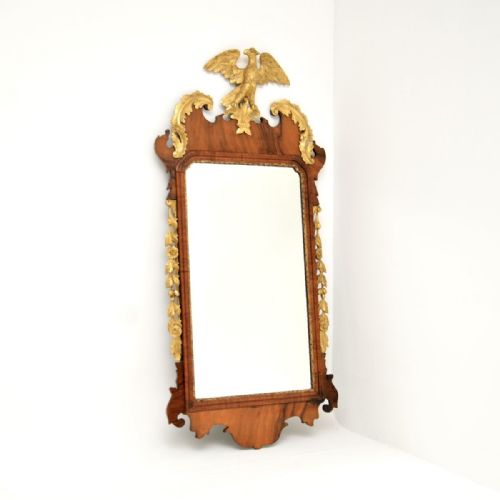
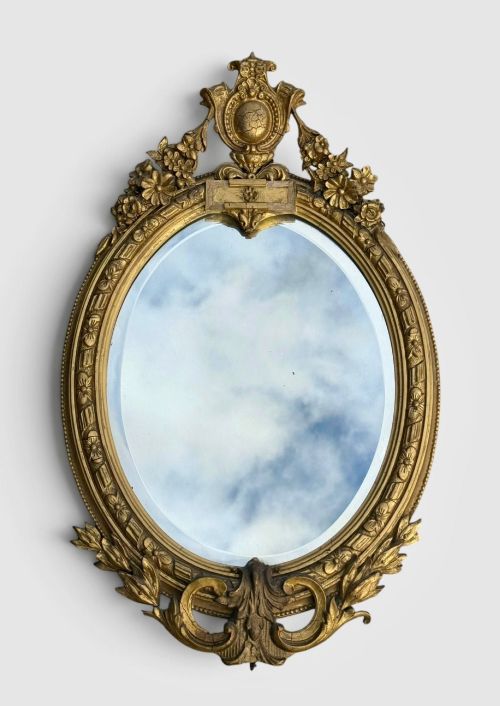
The pieces listed on this page originate predominantly from the nineteenth century, encompassing Regency, Victorian, and specific revival styles. Forms range from elegant oval formats to large shaped-top and massive country house proportions.
Makers and designers drew upon diverse aesthetic traditions, including French Neoclassical, Victorian Neoclassical, Italian Rococo Revival, and George II influences. These stylistic elements manifest clearly in the upper crests and surrounding frames.
How They Were Made
Mirrors utilise traditional silvered glass panes set within these substantial wooden and gesso frames. Carved elements such as central cartouches require precise hand woodworking skills to achieve the balanced proportions characteristic of the period.
Retail Price Guide 2026
Typical UK retail prices for crest carved wall mirror, calculated from the Sellingantiques database of over a million retail prices indexed since 2003. This retail price guide relies exclusively on Sellingantiques data; no external sources or auction records are used, so the figures do not describe the wider market.
What Varies in Quality
The distinction between standard examples and superior pieces rests in the depth and crispness of the hand-carved ornamentation on the crest and frame. Master carvers achieved fluid lines and intricate relief work that lesser workshops struggled to replicate with the same precision.
The integrity of the original giltwood and gesso surfaces dictates the visual success of the piece over time. Finer examples retain harmonious patination and delicate burnished details that elevate the overall presence of the mirror.
The Crest Carved Wall Mirror Glossary
- Giltwood
- Wood that has been coated with gold leaf or a gold-coloured metallic finish. This traditional surface treatment provides a warm, reflective quality to the carved frame.
- Gesso
- A plaster-like mixture applied to wood substrates and carved or moulded into decorative motifs before gilding. It allows for sharp, detailed relief work.
- Cartouche
- An ornamental tablet or frame resembling a rolled-up piece of parchment, often placed centrally on the crest. It frequently serves as the focal point for decorative carving.
- Overmantel mirror
- A large mirror specifically designed to hang above a fireplace mantel. These pieces often feature expansive proportions and elaborate crest detailing.
- Parcel gilt
- A decorative finish where only specific portions of an object are gilded, leaving other materials such as walnut exposed. This technique creates a deliberate contrast between wood grain and metallic sheen.
Frequently Asked Questions
How do I hang a heavy crest carved wall mirror?
Substantial nineteenth-century mirrors require secure wall fixings anchored directly into structural studs or masonry. Professional installation ensures the weight of the giltwood frame is safely distributed.
Positioning the mirror at the correct height maximises both its reflective function and the visual impact of the carved crest within the room.
What is the difference between an overmantel mirror and a wall mirror?
Overmantel mirrors are traditionally proportioned to sit directly above a fireplace opening, often possessing wider dimensions to anchor the mantel space. Standard wall mirrors are scaled for general room placement.
Both formats utilise similar crest carvings and giltwood techniques depending on the period of manufacture.
How should I clean a antique giltwood mirror frame?
Dust the carved surface gently using a soft, dry brush to prevent accumulation in the recesses of the gesso work. Avoid liquid cleaners or chemical agents that can damage the delicate gold leaf.
For the glass plate, apply a mild glass cleaner to a cloth rather than directly spraying the mirror to protect the surrounding wooden frame.
How do I identify the period of a carved mirror?
Examine the underlying timber, the composition of the gesso, and the specific decorative vocabulary employed in the crest. Regency and Victorian revival pieces often display distinct stylistic nods to French Neoclassical or Italian Rococo traditions.
Construction methods at the back of the frame also provide physical clues regarding the age and origin of the piece.