
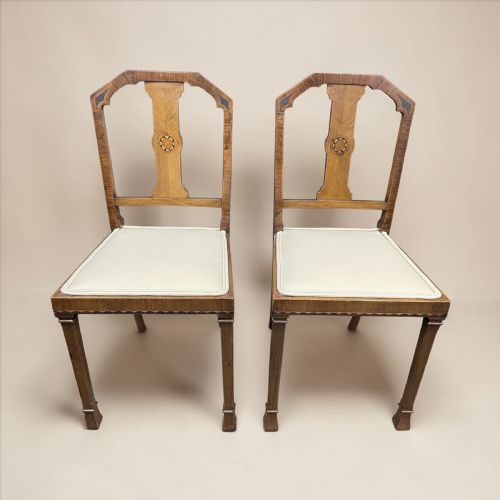
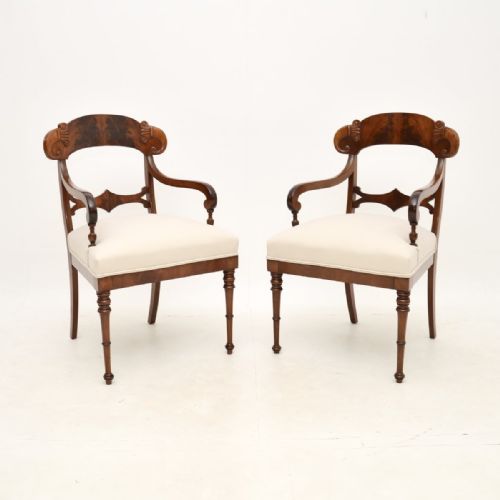
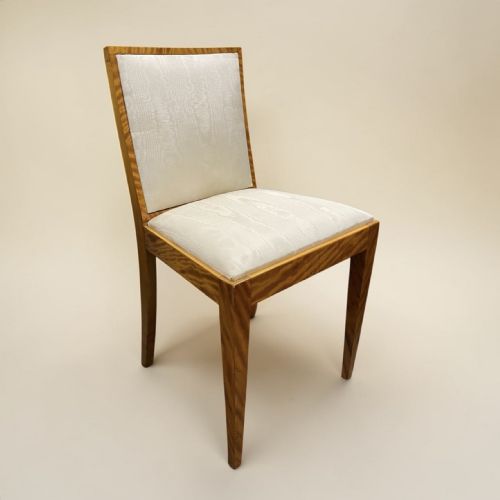
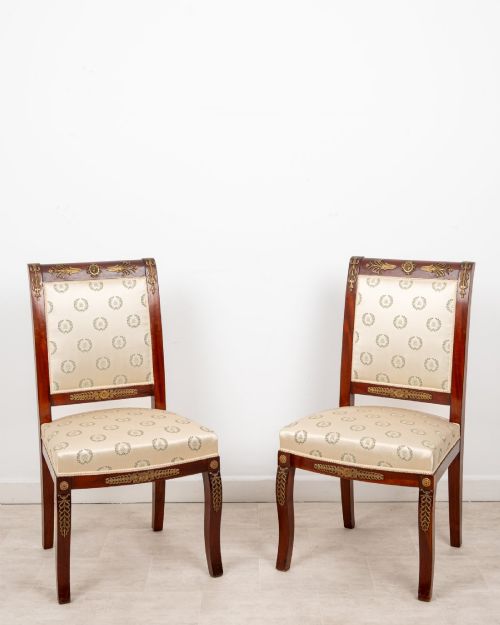

Cream Upholstered Desk Chair
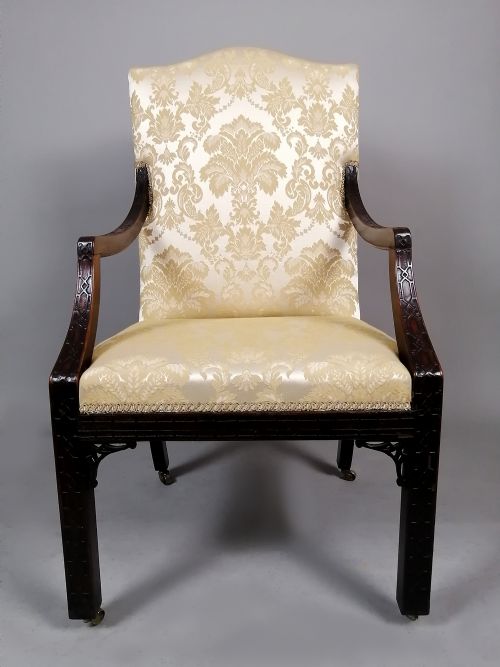
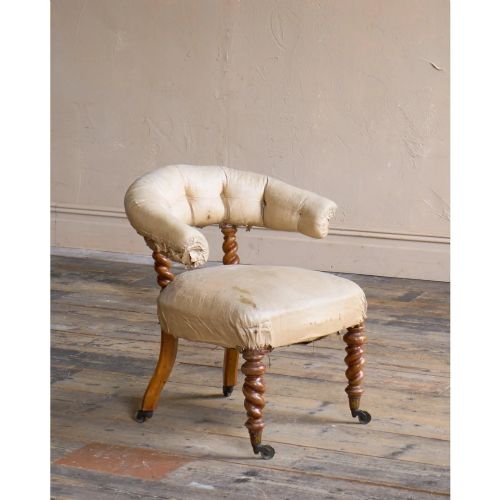
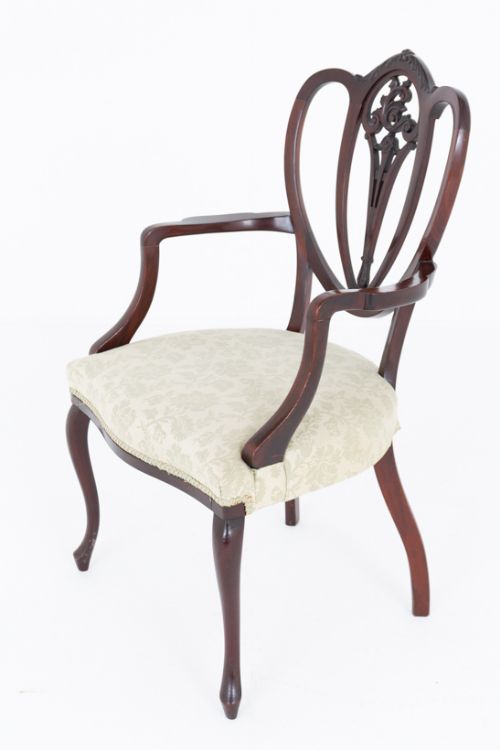
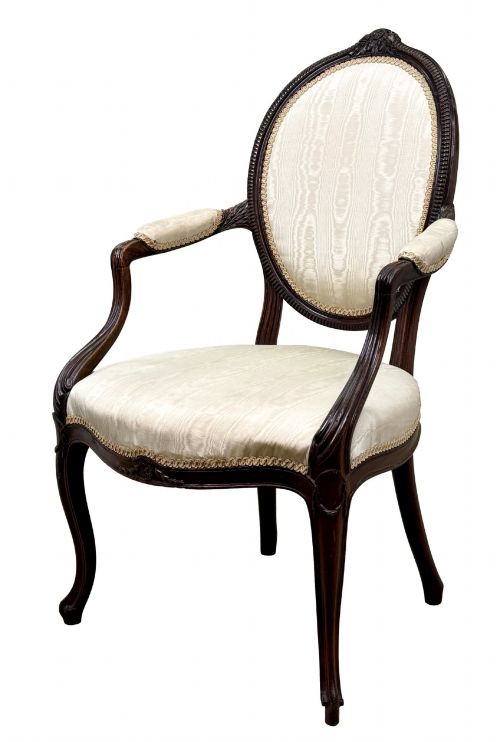
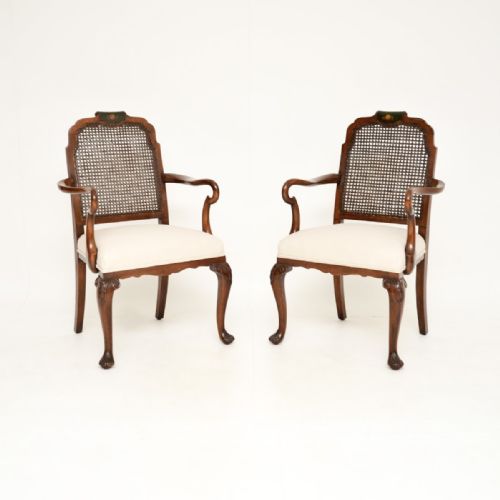
A cream upholstered desk chair brings functional comfort to a workspace through period timber frames and soft textile seats.
Cream Upholstered Desk Chair
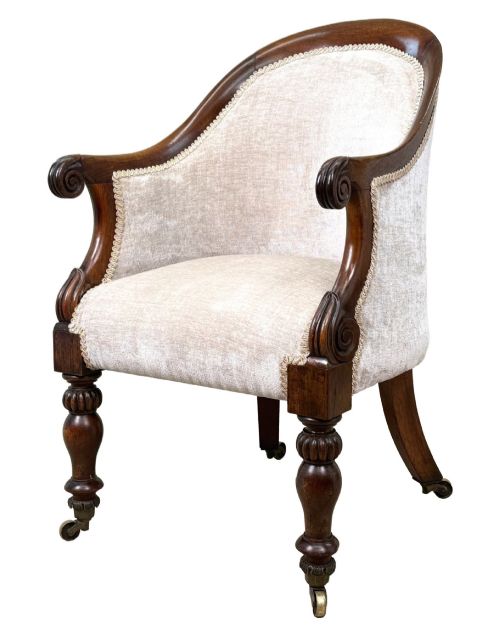
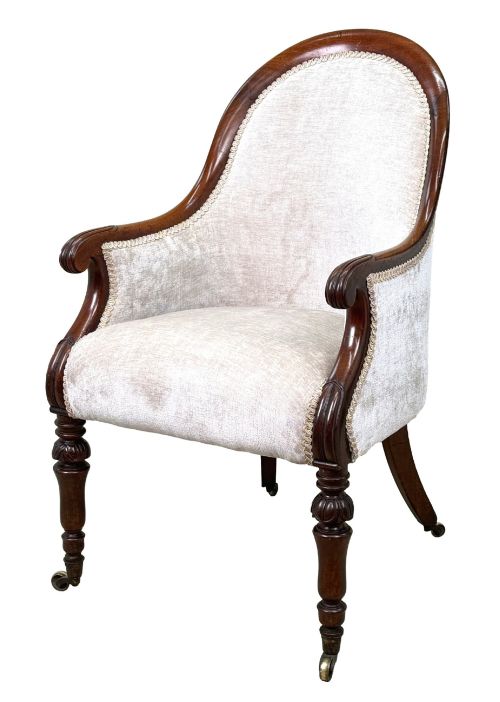
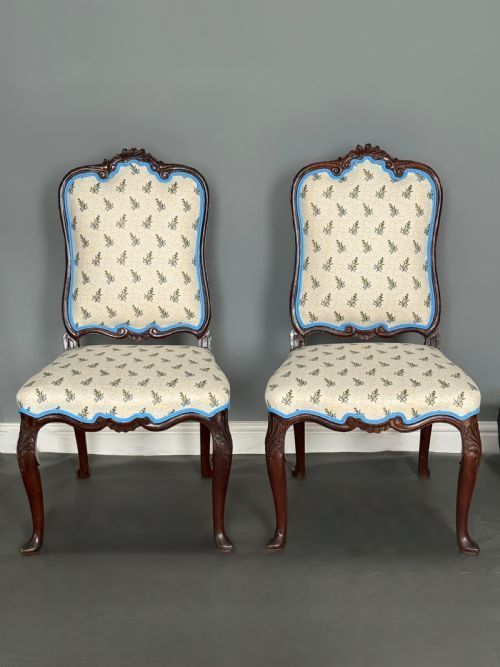
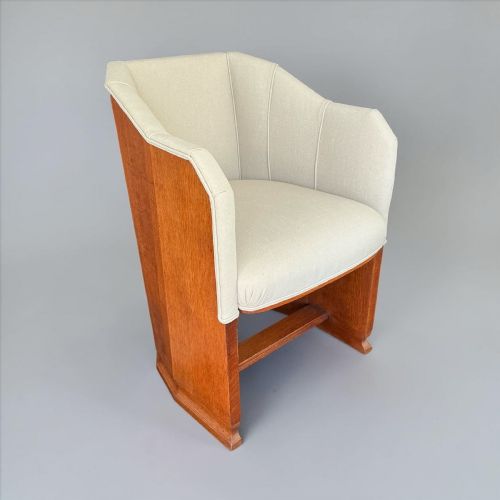
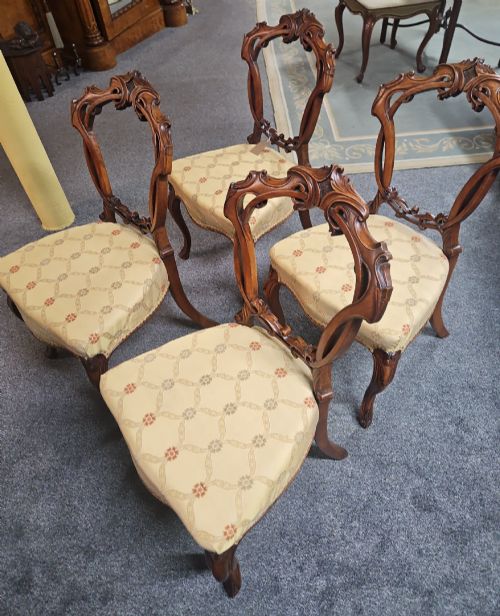
When you search for a cream upholstered desk chair, you encounter seating designed for workspaces, libraries, and studies across multiple centuries and stylistic revivals. The selection on this page draws heavily from Victorian, Edwardian, and Regency periods, alongside Art Deco designs and earlier 18th-century forms.
Most pieces combine timber frames with light fabric coverings, appearing as tub armchairs, swivel designs, or library chairs. These forms balance rigid structural woods like mahogany and walnut with soft textile seating surfaces suited for daily use at a desk.
Makers and workshops across England, France, and Sweden produced these variations, utilising styles that range from Chippendale and Hepplewhite revivals to clean-lined 1930s creations. Buyers find both open armchairs and enclosed tub shapes among the listed inventory.
Materials and Construction
Makers constructed the structural frames of these chairs using dense hardwoods, predominantly mahogany and walnut, occasionally selecting rosewood for finer grain patterns. These timbers provided the necessary strength for weight-bearing legs, carved armrests, and supportive back frames.
Upholstery techniques applied textiles, fabrics, and occasionally cane to the seats and backs, securing comfort alongside the rigid wooden framework. Brass and ormolu mounts sometimes added decorative contrast to the timber and fabric assemblies.
Joinery methods relied on traditional cabinet-making skills to ensure stability in swivel mechanisms, library chairs, and reading armchairs. The combination of durable hardwoods and textile upholstery allowed these seats to endure decades of active office or study use.
Listings feature mahogany, walnut, and rosewood frames paired with diverse upholstery fabrics and textiles across multiple historic periods.
Assessing Quality and Finish
The refinement of timber carving and the choice of primary wood set individual examples apart, as dense mahogany and figured walnut demand superior joinery skill. Subtle execution in period details, such as Edwardian inlay or Regency carved motifs, elevates the status of a frame.
The integration of the upholstery with the timber structure dictates the visual harmony of the piece, separating standard workshop output from exceptional cabinet work. Original or sympathetic textile choices ensure the fabric complements the historical period of the wooden frame.
C. Hindley & Sons·Bath Cabinet Makers·Wheeler Of Arncroach
The Cream Upholstered Desk Chair Glossary
- Tub armchair
- A seating form with a continuous curved back and armrest rail enclosing the sitter. This design offers enclosed support ideal for prolonged desk or library work.
- Carver armchair
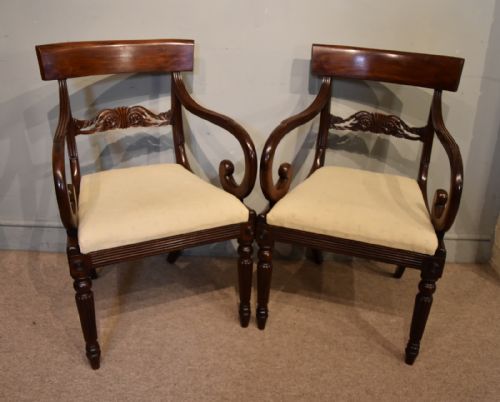
- A dining or desk chair featuring open arms, historically positioned at the head of a table or utilised at a writing desk. The exposed wooden armrests often display distinct period carving.
- Ormolu mounts
- Gilt-bronze decorative elements applied to furniture frames, particularly prominent in French Empire revival pieces. These metallic details accent the darker tones of mahogany or walnut.
- Rise and fall swivel mechanism
- An adjustable engineering system allowing the seat height to change and rotate. This functional addition appears frequently in Edwardian office and desk chairs.
- Chippendale revival
- A stylistic movement reproducing or reinterpreting the mid-18th-century designs associated with Thomas Chippendale. These pieces often feature elaborate mahogany carving and structured backsplats.
Cream Upholstered Desk Chair: Frequently Asked Questions
What periods do these chairs represent?
The inventory spans from the 18th century through the Victorian and Edwardian eras up to Art Deco designs of the 1930s. Each era brings distinct timber choices and carving styles to the desk chair form.
Buyers encounter everything from Georgian master armchairs to early 20th-century swivel seats, reflecting changing demands for workplace comfort over three centuries.
Are these chairs suitable for daily desk work?
Many examples were originally built for libraries, studies, and offices, making them practical for modern workspaces. Tub shapes and padded armrests provide ergonomic support for prolonged sitting.
Selecting a piece with appropriate height and stable construction ensures it functions effectively as a daily desk seat.
How do I identify a Regency desk chair?
Regency pieces typically feature dark mahogany timbers, clean classical lines, and understated classical carved details. They date from the early 19th century and often take the form of tub library armchairs.
Unlike ornate Victorian revivals, Regency frames favor structural simplicity combined with rich wood grains.
What woods were commonly used?
Mahogany and walnut form the structural foundation for the majority of these chairs, selected for their strength and rich grain patterns. Rosewood also appears on select high-period library and desk chairs.
Lacquered walnut and exotic timbers occasionally feature in Edwardian and continental pieces to enhance the visual appeal.