
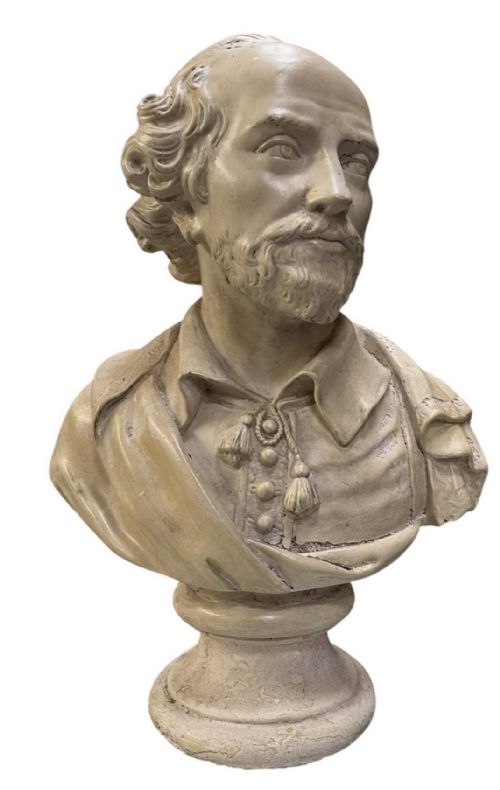
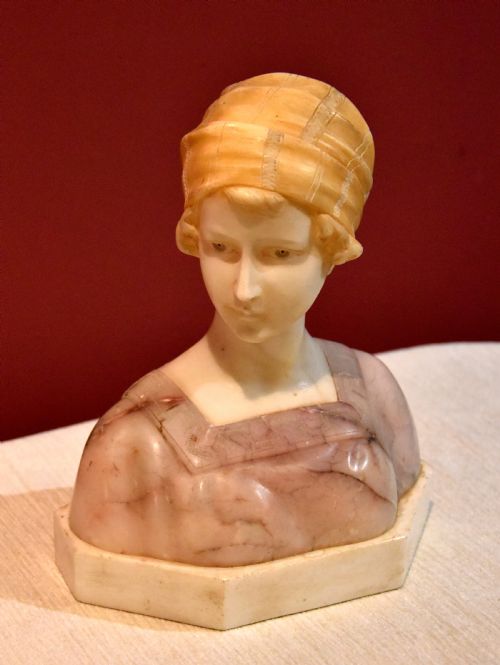
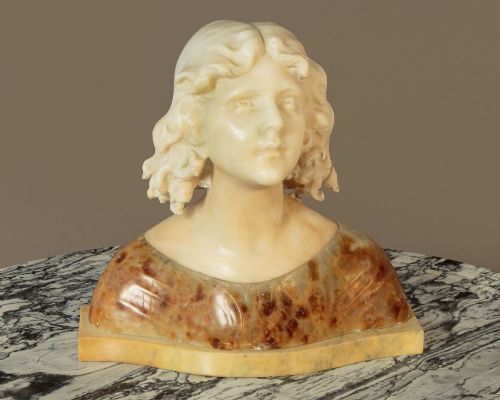


Cream Stone Bust
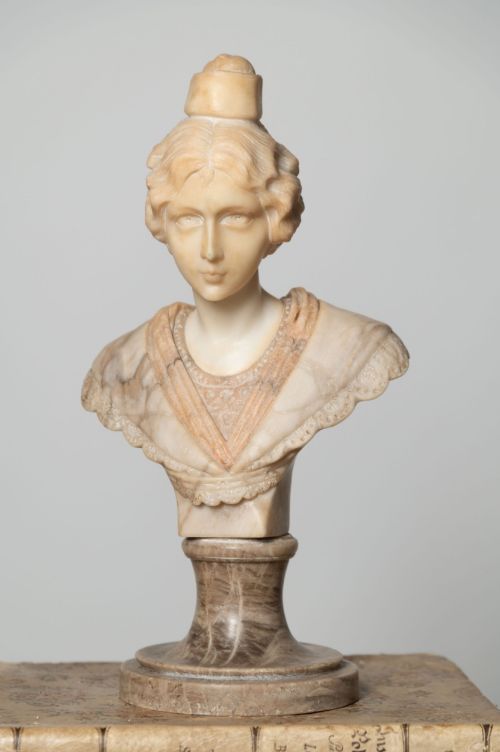
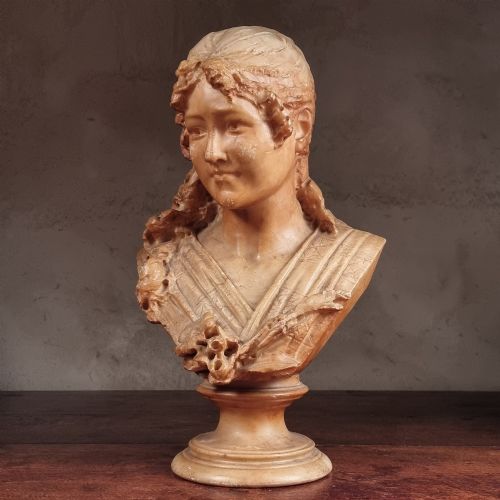
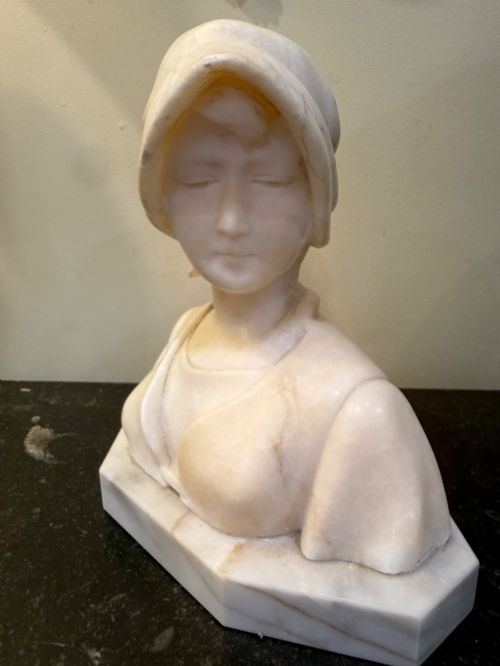
A cream stone bust brings classical presence and sculpted grace into a room, carved from alabaster, marble, and plaster.
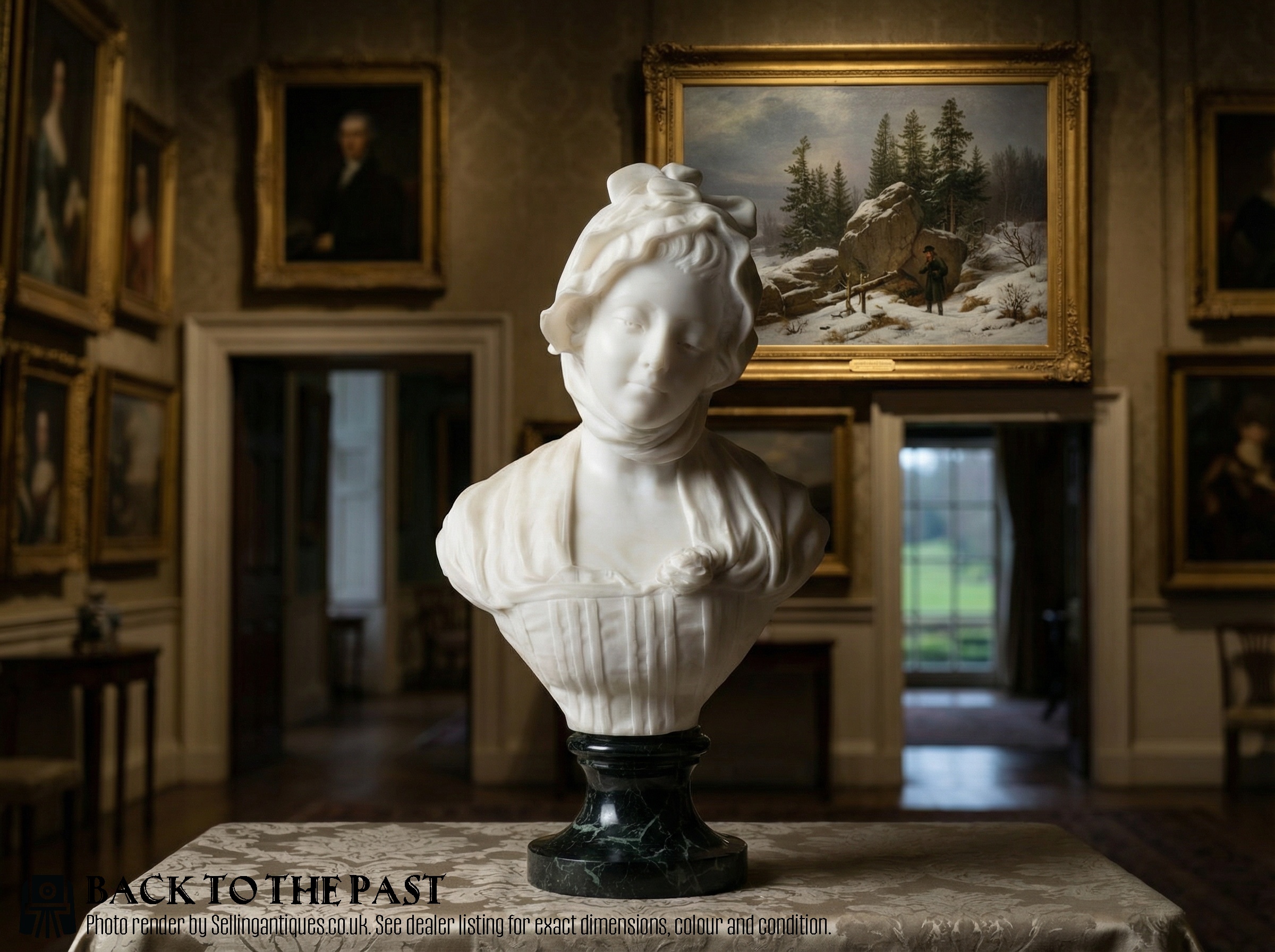
Cream Stone Bust
A cream stone bust represents a sculptural portrait of a human subject, typically focusing on the head, neck, and shoulders. When searching for a cream stone bust, collectors encounter various historical iterations spanning the Victorian era through the early twentieth century.
The selections here showcase distinct regional character, including French, Italian, and Polish origins. Subjects range from classical figures like Julius Caesar and Shakespeare to anonymous young women and gentlemen portrayed in portraiture.
Most pieces date from the nineteenth and early twentieth centuries, capturing shifts in aesthetic movements such as Art Nouveau, Arts and Crafts, and Neoclassical design. These sculptures function as striking focal points in domestic interiors, reflecting both classical revivalism and period portrait traditions.
Materials and construction
Makers shaped these sculptures from mined minerals, predominantly utilising fine-grained alabaster and marble for pieces requiring detailed hand-carving. Alabaster provides a translucent quality that catches light beneath the surface, while marble offers a denser, uniform finish suitable for classical portraiture.
Plaster and cast stone appear in works modelled by hand or cast in moulds, often serving as the medium for intricate historical replicas or artist studies. Sculptors finished these surfaces through smoothing, polishing, or patination to emulate classical antiquity.
Listings feature works created across the nineteenth and early twentieth centuries, encompassing the Victorian and Art Nouveau periods.
Distinctions in craftsmanship
Quality in these sculptures rests upon the sensitivity of the carving and the purity of the material. Superior examples display subtle anatomical transitions in the musculature of the neck and the fall of drapery, alongside crisp rendering of hair and facial expression.
The presence of an artist signature or studio attribution elevates a piece, connecting the work directly to known hands such as Raffaelo Monti, Auguste Henri Carli, Mieczyslaw Leon Zawiejski, or A. Cipriani. Unsigned works rely entirely on the sculptural proficiency demonstrated in the stone.
Raffaelo Monti·Auguste Henri Carli·Mieczyslaw Leon Zawiejski·A Cipriani
The Cream Stone Bust Glossary
- Alabaster
- A soft mineral used for carving detailed sculptures and portrait busts. Its translucent quality allows light to penetrate the surface slightly.
- Marble
- A metamorphic rock prized for its durability and smooth texture. Sculptors utilise it for formal portraiture and classical figures.
- Cast stone
- A composite material made from aggregate and binder poured into moulds. It replicates the appearance of natural stone sculpture.
- Death mask
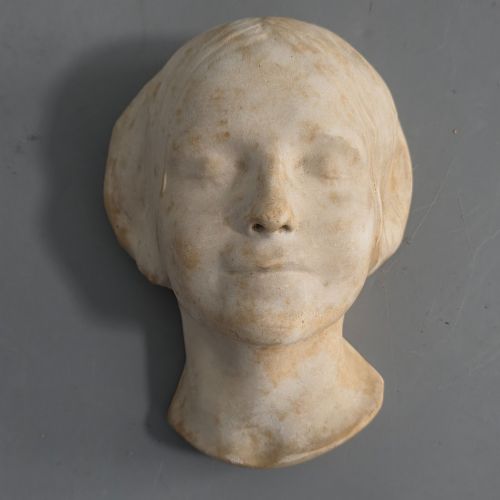
- A cast taken of a person's face shortly after death. This form inspired famous artistic subjects such as L'inconnue de la Seine.
- Neoclassical
- An artistic movement drawing inspiration from the art and culture of classical antiquity. It influences the drapery and poses found in nineteenth-century portraiture.
Cream Stone Bust: Frequently Asked Questions
Where should I display a stone bust?
Place the sculpture on a sturdy console table, mantelpiece, or dedicated pedestal where it receives stable ambient light.
Keep the piece away from direct sunlight and sources of heat to protect the stone and any historical patination.
How can I identify the period?
Examine the style of the clothing, hair, and base, which often reflect Victorian, Art Nouveau, or Neoclassical aesthetics.
Signatures, inscriptions, and the type of stone or casting method also provide clues to the era of creation.
What is the difference between marble and alabaster?
Marble is a hard metamorphic rock that resists scratching and maintains an opaque finish suited to monumental sculpture.
Alabaster is significantly softer and possesses a characteristic translucence that glows when illuminated from the side.