



Cream Pottery Dish
A cream pottery dish brings warmth and utility to the table, spanning centuries of earthenware production across English, European, and Asian kilns.
Cream Pottery Dish
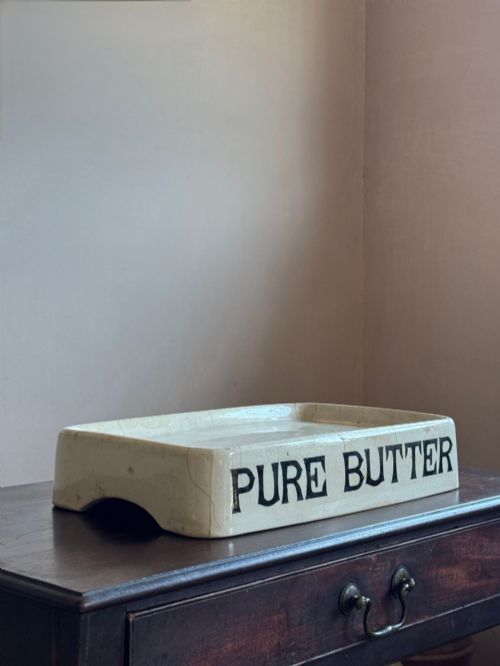
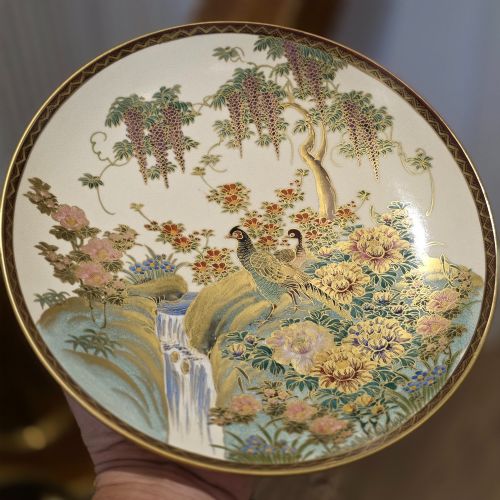
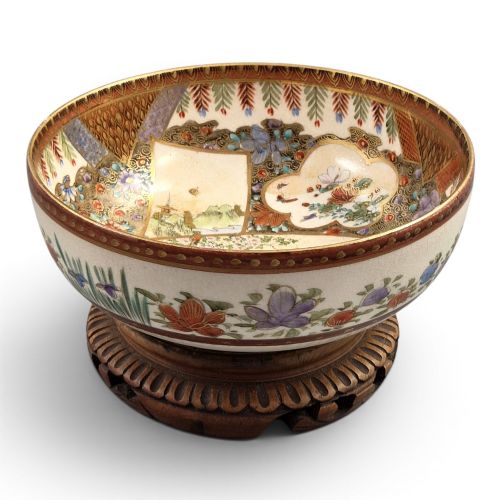
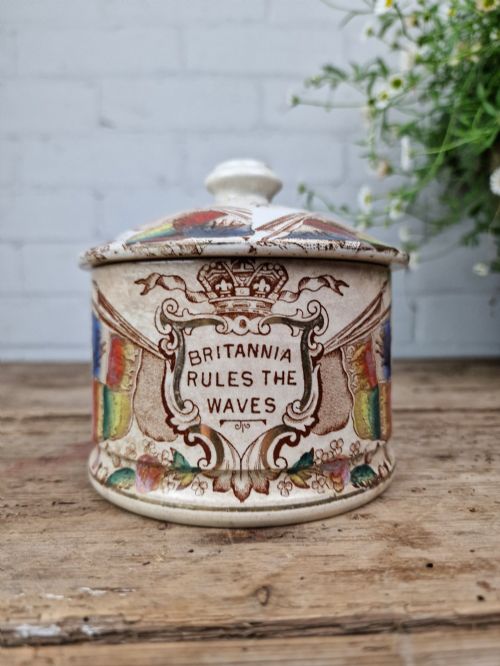
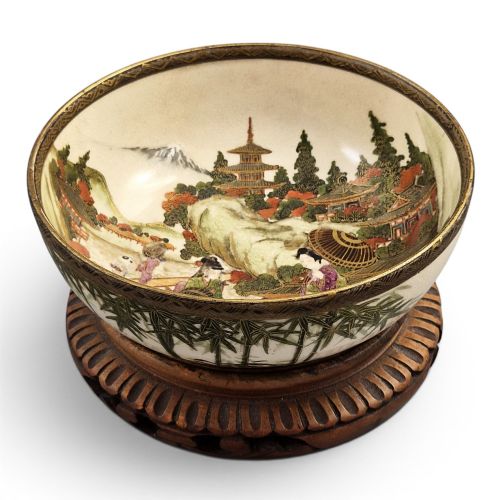
When searching for a cream pottery dish, collectors encounter a wide variety of forms ranging from serving platters and sauce tureens to decorative bowls and cheese dishes. The selection includes pieces spanning from pre-sixteenth century Persian pottery to nineteenth-century English creamware and Japanese Satsuma ware.
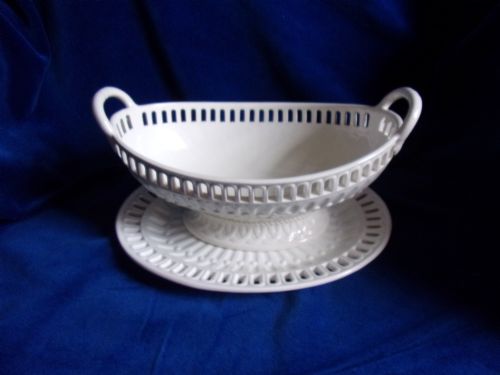
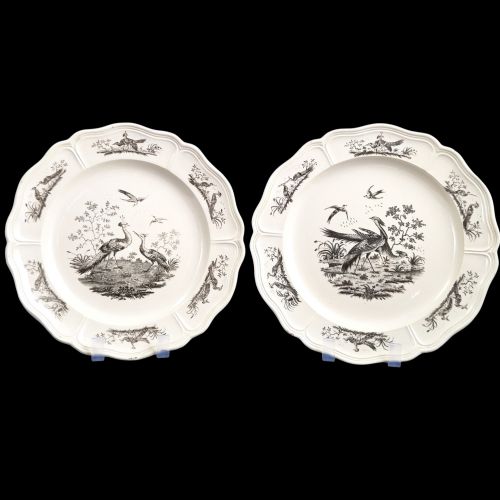
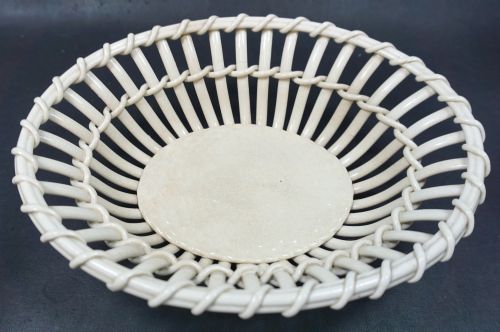
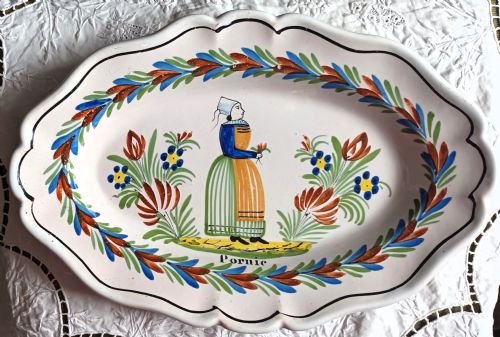
English examples often comprise creamware platters, cane baskets, and dessert services from the Georgian and Victorian eras. Alongside these, buyers find French faience, Scottish spongeware, and Japanese earthenware vessels decorated with hand-painted motifs.
Materials and production methods
Potters utilised earthenware, ceramic, and stoneware bodies, often finishing the pieces with lead glaze, enamel, or lustre glaze. English factories developed creamware bodies to achieve a pale, uniform surface suitable for functional tableware.
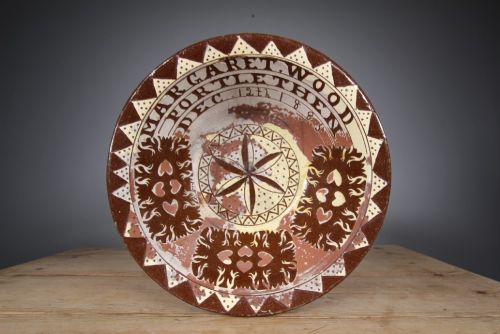
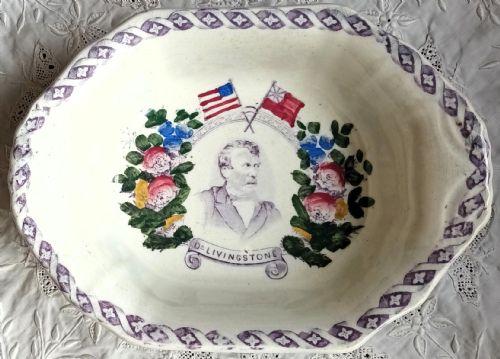
Many items incorporate decorative techniques such as slip-painting, transfer printing, or hand-painted enamels heightened with gold leaf. Wood is occasionally found in associated stands or components.
Cream Pottery Dish Retail Price Guide 2026
Typical asking prices for cream pottery dish among the pieces listed under this phrase on Sellingantiques today, from the lower quarter to the upper quarter. They describe what is for sale here now, not the wider market.
The listings span earthenware, ceramic, and stoneware materials, decorated with lead glaze, enamel, and gold leaf across multiple centuries.
Judgements of quality
Quality rests upon the crispness of the moulded form and the skill evident in the hand-painted decoration or armorial detailing. Early creamware with smooth, even glazing commands attention for its refined potting.
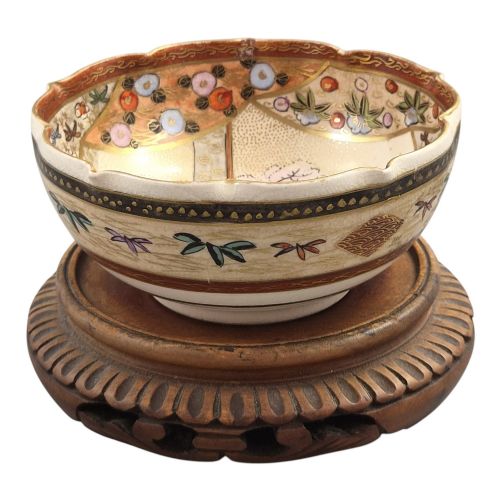
Signed Japanese Satsuma bowls or documented English dessert services demonstrate superior artistic execution through detailed pictorial work and balanced composition.
Koshida·Seaton Pottery·Wedgwood·Swansea·Mann Co·Rockingham Pottery·Kozan·Nikko·Davenport·Bursley Ware
The Cream Pottery Dish Glossary
- Creamware
- A refined earthenware developed in England during the eighteenth century featuring a pale yellowish-cream lead glaze. It became the dominant tableware body of its era.
- Slipware
- Pottery decorated with slip, which is a mixture of clay and water applied in paste form before firing. It creates bold linear or brushed patterns.
- Faience
- European tin-glazed earthenware produced notably in France. It offers an opaque white or cream ground for painted designs.
- Pearlware
- An improved earthenware introduced in the late eighteenth century containing a small amount of cobalt in the glaze to impart a bluish-white tint.
- Satsuma
- Japanese earthenware originating from Satsuma Province, typically characterised by a crackle-glaze ivory body decorated with intricate enamels and gilding.
Cream Pottery Dish: Frequently Asked Questions
How do I care for antique cream pottery?
Wash these pieces gently by hand using mild soap and warm water, avoiding harsh detergents or soaking them for extended periods.
Store them securely on stable surfaces away from direct heat sources and sudden temperature changes to protect the historic glaze.
Were these dishes used daily?
Many items, such as dessert services, sauce tureens, and cheese dishes, served practical dining functions in nineteenth-century households.
Others, including decorative bowls and armorial platters, functioned primarily as display pieces or commemorative objects for special occasions.
How do I distinguish regional styles?
English examples often rely on refined creamware bodies, transfer printing, or armorial designs, reflecting domestic table traditions.
Continental and Asian pieces utilise distinct regional glazes, such as French tin-glaze or Japanese crackle-ground enamels with floral motifs.