





Victorian Historical Ceramics
Victorian historical ceramics capture national heroes, battles and famous explorers, offering an enduring tactile connection to nineteenth-century public memory.
Victorian Historical Ceramics
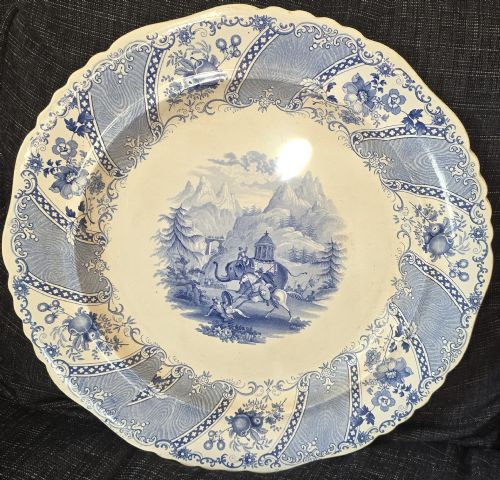
When buyers search for Victorian historical ceramics, they encounter earthenware figures, commemorative plates and portrait chargers that honour military commanders, politicians and explorers of the nineteenth century. These objects served as domestic monuments, displaying public figures and stirring political events on mantelpieces and dining tables across Britain.
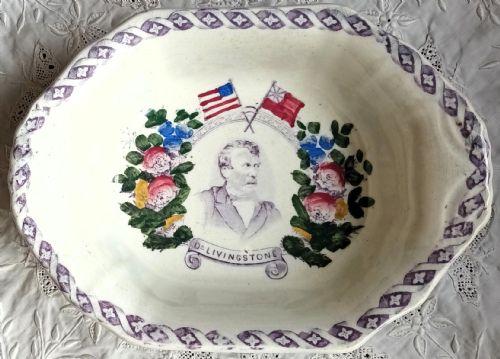
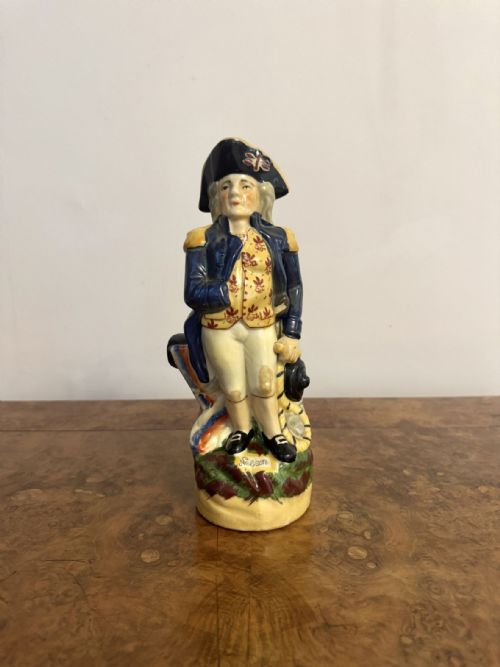
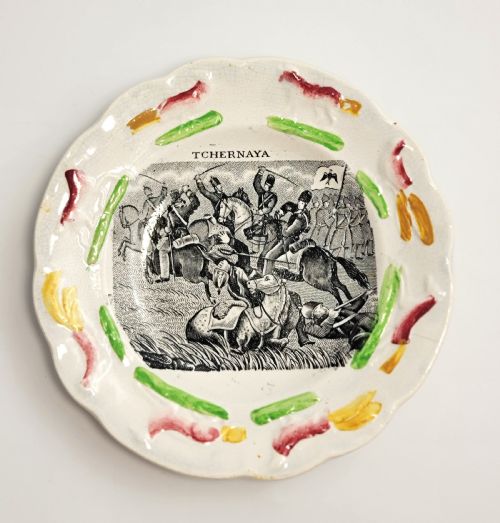
The pieces most frequently met on this page take the form of Staffordshire pottery figures and Scottish commemorative dishes bearing names such as Dr. Livingstone, Lord Nelson and Napoleon III. Makers recorded historical events like the Crimean War and celebrated patriots, creating a tangible record of Victorian public enthusiasm and identity.
Forms range from decorative figurines and Toby jugs to large serving dishes and chargers featuring blue and white portraits. Each object reflects the Victorian appetite for moral and historical narrative, rendered in accessible ceramic materials for everyday domestic display.
Materials and construction methods
Potters utilised earthenware as the primary body for these figures and dishes, shaping the clay through moulding and casting before applying lead glaze. This dependable ceramic base allowed for the bulk production of commemorative portraiture demanded by a growing domestic market.
Victorian Historical Ceramics Retail Price Guide 2026
Typical asking prices for victorian historical ceramics among the pieces listed under this phrase on Sellingantiques today, from the lower quarter to the upper quarter. They describe what is for sale here now, not the wider market.
Listings feature nineteenth-century earthenware figures, chargers and commemorative dishes decorated with lead glaze and enamel paint.
Factors determining quality
The integrity of the glaze and the stability of the earthenware body distinguish finer output from coarser utilitarian production. A carefully controlled firing preserves the bright enamel colours and prevents extensive crazing or distortion across the surface of the plate or figure.
Royal Bonn·Staffordshire Pottery
The Victorian Historical Ceramics Glossary
- Earthenware
- A porous pottery body fired at lower temperatures, requiring a glaze to render it waterproof. Most nineteenth-century figures and commemorative dishes utilise this versatile ceramic material.
- Toby jug
- A pottery jug modelled in the likeness of a stout, jovial man, usually wearing eighteenth-century attire and holding a mug or pipe. These form a distinct subset of character jugs produced during the period.
- Charger
- A large decorative plate intended for display on a wall or dresser rather than for dining use. Potters often utilised these wide surfaces for detailed historical portraits and commemorative scenes.
- Enamel
- Vitreous paint applied over or under the glaze to introduce bright colours to ceramics. Painters utilised these pigments to render uniforms, hair and facial details on portrait figures.
- Commemorative ceramics
- Objects created to mark specific historical events, royal milestones or public figures. These pieces served to record national sentiment in domestic interiors.
Victorian Historical Ceramics: Frequently Asked Questions
What subjects appear on Victorian historical ceramics?
These pieces portray prominent military leaders, political figures, explorers and patriots of the nineteenth century. Subjects range from naval heroes like Lord Nelson to contemporary figures involved in foreign campaigns.
Makers also commemorated specific battles and historical events, translating public news into lasting ceramic keepsakes for the home.
How were commemorative dishes displayed?
Large chargers and decorative plates were typically hung on walls or stood on sideboards using plate rails or stands. Their primary function was visual celebration rather than service at the dining table.
Figurines and Toby jugs occupied prominent positions on mantelpieces, where visitors could examine the detailed modelling and read the painted names.
How can I identify the subject of a figure?
Most pieces feature hand-painted or moulded inscriptions directly on the base or front, explicitly naming the individual portrayed. Names such as Dr. Livingstone or Napoleon III frequently appear in raised lettering or script.
Uniform details, hats and accessories also provide clues to the military rank or historical role of the person represented.
Are these ceramics made from porcelain?
The majority of nineteenth-century historical pieces are constructed from earthenware rather than porcelain. This ceramic body was economical to mould and readily accepted the lead glaze and enamel colours.
Occasional portrait figures utilised porcelain compositions, but sturdy earthenware remained the standard medium for popular commemorative output.