



Victorian Earthenware Bowl
A victorian earthenware bowl brings tactile weight and hand-finished pattern to a room, offering both decorative presence and a tangible link to nineteenth-century domestic life.
Victorian Earthenware Bowl
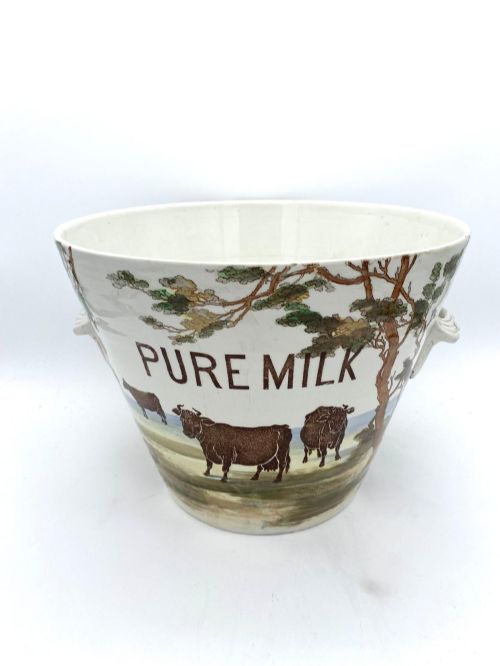
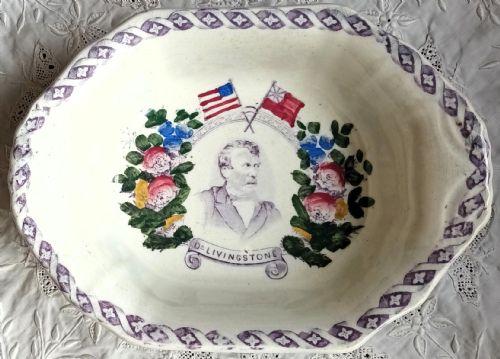
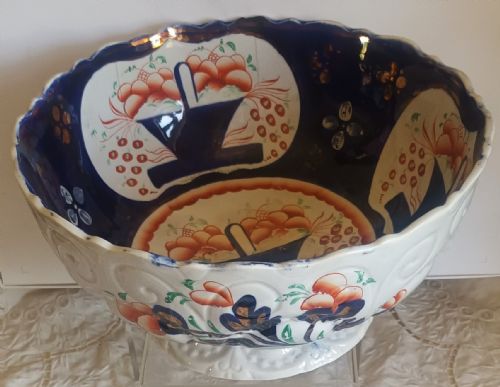
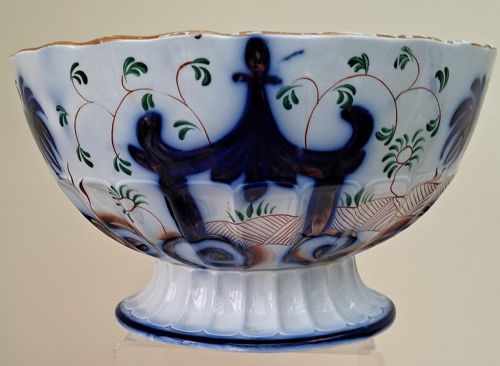
When you search for a victorian earthenware bowl, you encounter a diverse array of utilitarian and decorative vessels shaped from clay during the nineteenth century. These pieces encompass everything from sturdy dairy vessels and salt crocks to ornate footed bowls, commemorative dishes, and patterned basins.
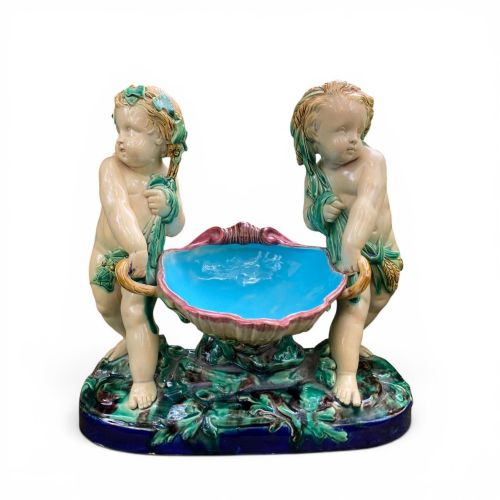
The versions you meet most frequently on this page span robust vernacular kitchen wares alongside more colourful transfer-printed and hand-painted table items. Many hail from Scottish potteries, Staffordshire works, and major English factories like Minton, Copeland, and Davenport.
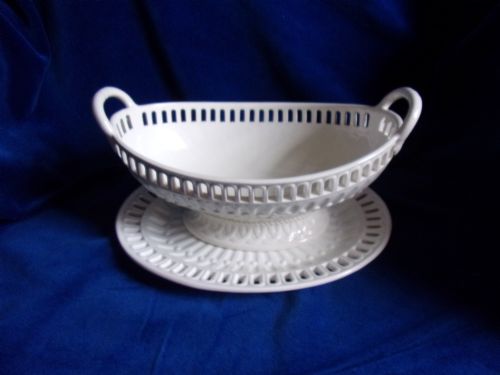
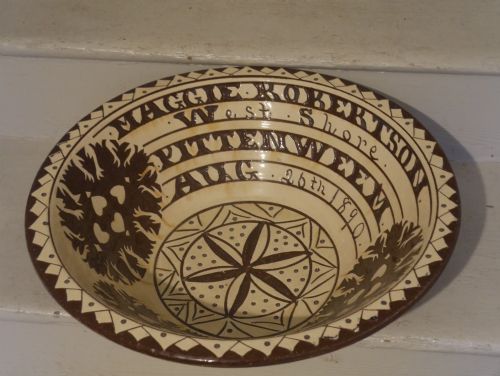
Forms range from large, deep utilitarian basins intended for practical tasks to footed dessert tureens and commemorative pieces made to mark public events. Each object reflects the specific domestic, dairy, or decorative purpose for which it was originally thrown or moulded.
How they were made
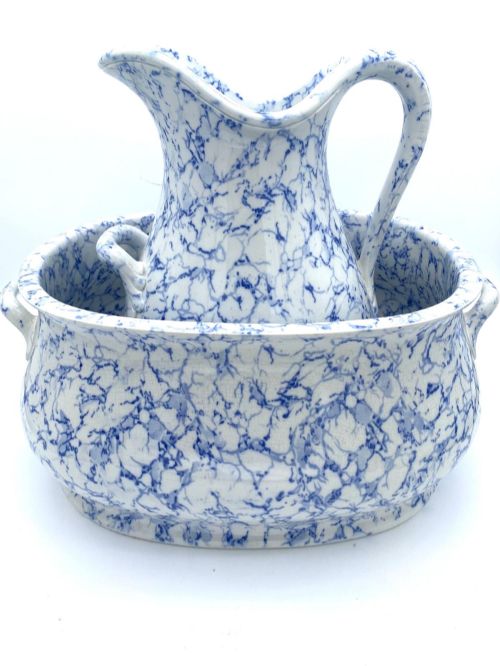
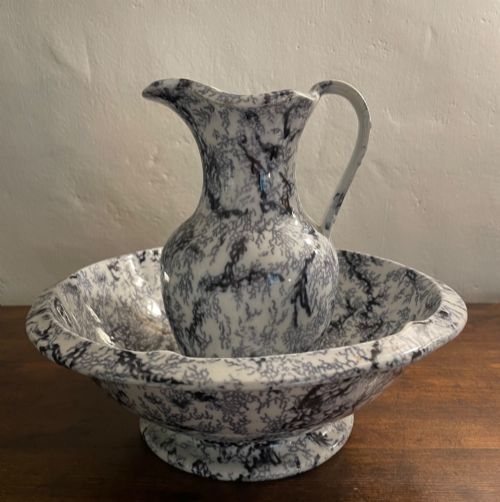
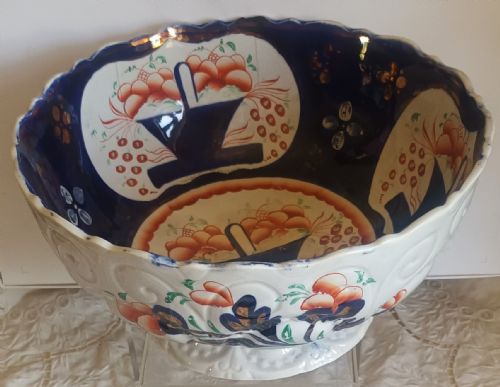
Potters shaped these vessels using earthenware and terracotta bodies, frequently finishing the interior or exterior with a protective glaze, enamel, or slip. Many pieces received colourful decoration through blue and white transfer printing, spongeware applications, or rich Gaudy Welsh palettes.
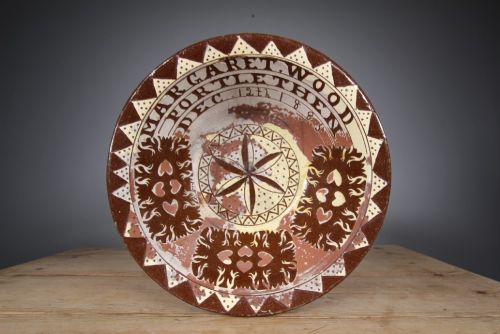
Specialised techniques like slipware trailing, copper lustre applications, and majolica moulding produced distinctive textured surfaces. Factories also employed ironstone and refined ceramic bodies alongside traditional terracotta to achieve varying degrees of durability and refinement.
Victorian Earthenware Bowl Retail Price Guide 2026
Typical asking prices for victorian earthenware bowl among the pieces listed under this phrase on Sellingantiques today, from the lower quarter to the upper quarter. They describe what is for sale here now, not the wider market.
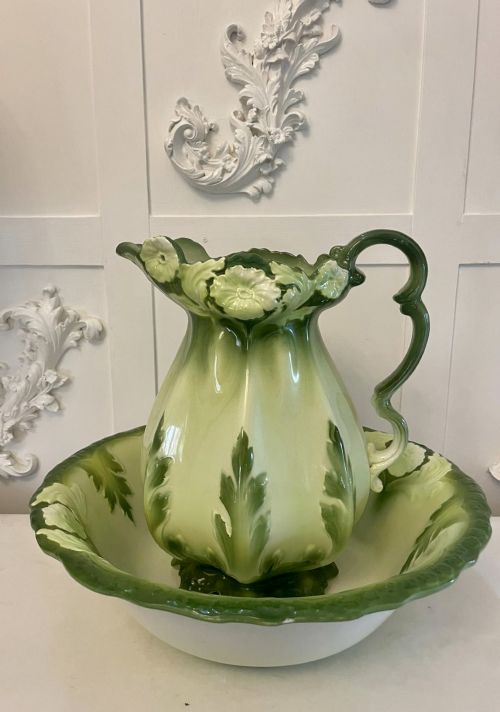
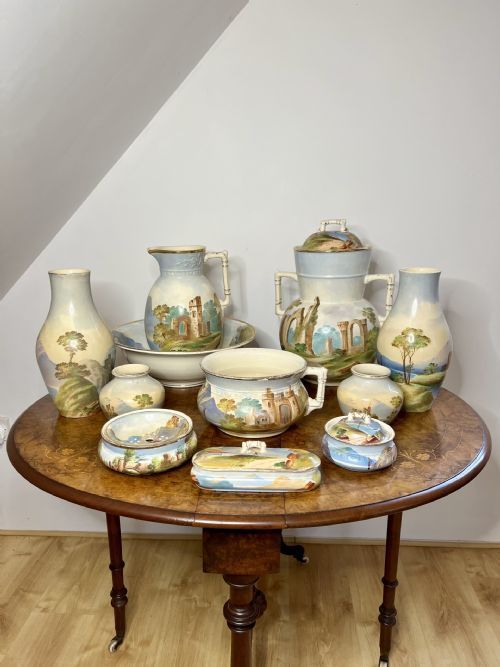
The documented objects span utilitarian dairy crocks, footed comports, and wash set basins.
What varies in quality
Quality in these ceramics rests upon the crispness of the moulded detail, the stability of the glaze, and the precision of the transfer print or hand-painted brushwork. Superior pieces display deep, even colouration without excessive blurring in the printed motifs and maintain balanced proportions.
The distinction between standard utility wares and finer display pieces lies in the sophistication of the finish, such as the addition of gilded highlights, intricate botanical or figural modelling, and maker marks that denote skilled workshop production.
Mann And Co·Mark Jones And Sons·James Wallace And Co·Doulton Burslem·Seaton Pottery·Copeland And Garrett
The Victorian Earthenware Bowl Glossary
- Earthenware
- Porous pottery fired at relatively low temperatures, requiring a glaze to hold liquids. It forms the structural body for many traditional bowls and kitchen vessels.
- Transfer print
- A decorative technique where an engraved metal plate transfers a design onto paper and then onto the ceramic surface before firing. This method allowed intricate blue and white patterns to be produced consistently.
- Slipware
- Pottery decorated with slip, which is liquefied clay applied to the unfired body in contrasting colours or trails. It creates tactile surface patterns typical of regional folk traditions.
- Majolica
- A colourful, heavy earthenware type coated in an opaque tin glaze and painted with metallic oxide colours. It achieved great popularity for sculptural leaf and figural vessels during the Victorian period.
- Spongeware
- Pottery decorated by dabbing pigment onto the surface with a sponge or fabric piece. This technique produced speckled, mottled patterns common on robust domestic bowls.
Victorian Earthenware Bowl: Frequently Asked Questions
What were these bowls used for?
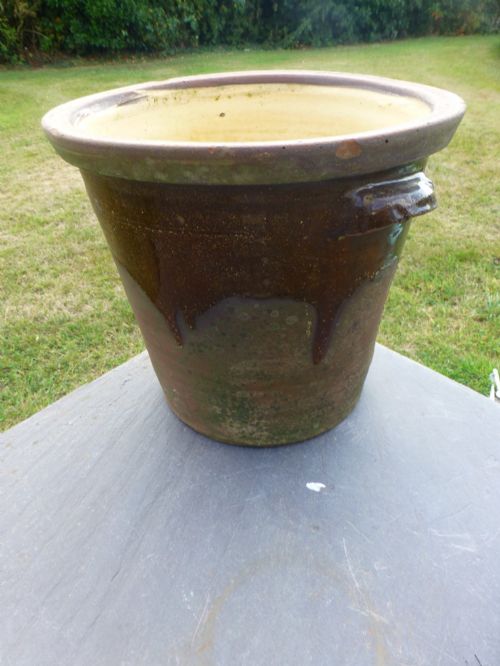
Many large earthenware vessels served practical tasks in the dairy, kitchen, or scullery, holding milk, cream, or dry goods. Others functioned as decorative table pieces, wash basin sets, or commemorative dishes.
Over time, utilitarian vessels transitioned from hardworking daily tools into decorative objects valued for their tactile surfaces and historical character.
How do I care for an antique bowl?
Handle these ceramic pieces gently, washing them by hand in warm water without harsh detergents to preserve the old glaze and painted decoration. Avoid soaking pieces with porous bodies or historical hairline cracks.
Display them away from areas prone to sudden temperature fluctuations or heavy impact to protect the fragile earthenware body.
How can I tell the period?
Dating relies on stylistic clues such as the specific transfer-print patterns, glaze compositions, and manufacturing marks stamped or impressed into the base. Victorian pieces often feature rich floral motifs, majolica glazes, or distinct regional earthenware characteristics.
Comparing the potting weight, foot-ring formation, and colour palette against marked pieces helps narrow down the decade of production.
Are these bowls waterproof?
Most pieces featuring a glazed interior or fully glazed body will hold water safely for everyday display use. However, unglazed areas or porous earthenware bodies with historical hairline cracks require caution.
It is wise to test a vessel gently with cold water before using it to hold fresh flowers or liquids for extended periods.