
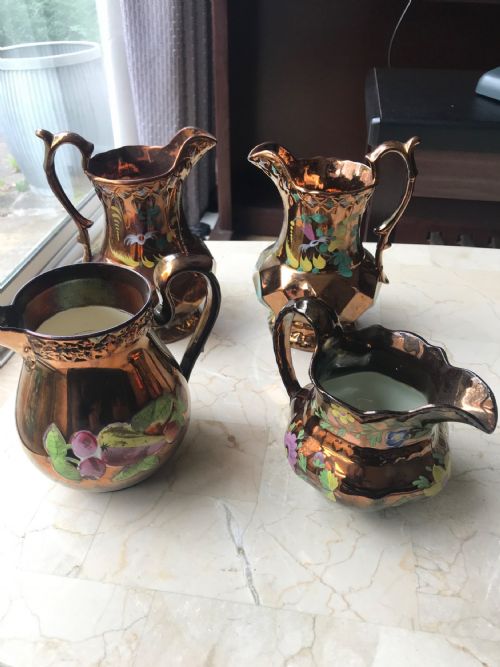
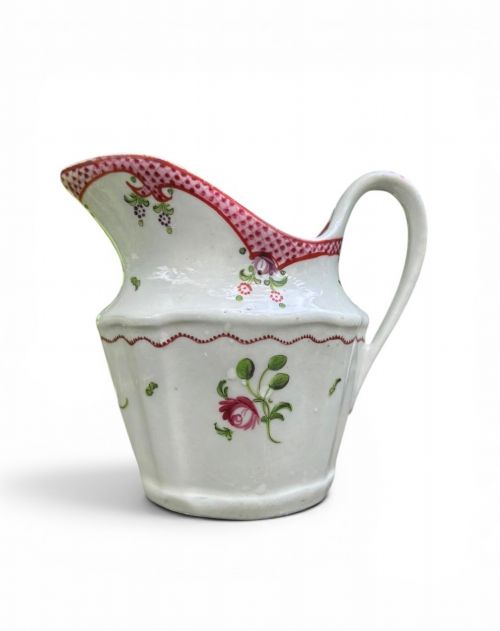


Cream Porcelain Milk Jug
A cream porcelain milk jug is a small pouring vessel for tea service, prized for delicate body and hand-painted detail.
Cream Porcelain Milk Jug
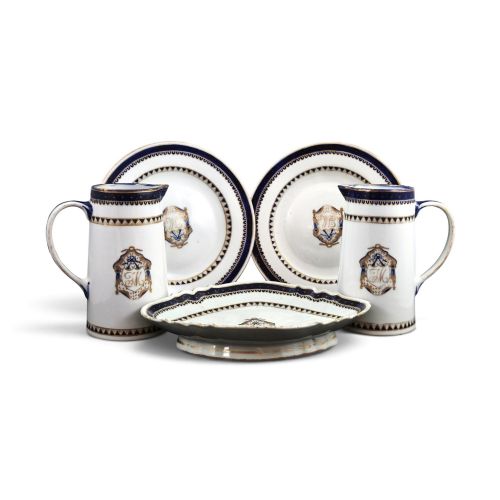
A cream porcelain milk jug is a functional vessel designed to hold cream or milk for tea, appearing frequently in eighteenth-century and nineteenth-century forms across this selection.
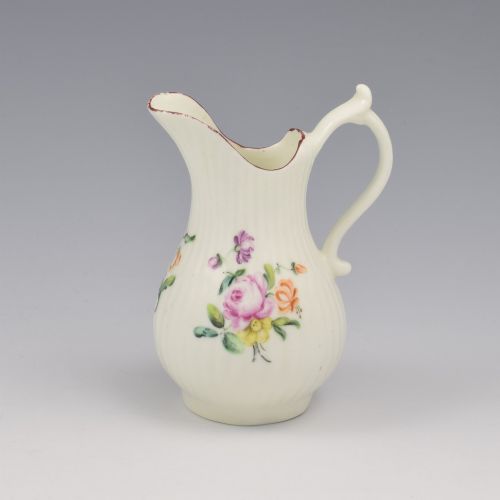
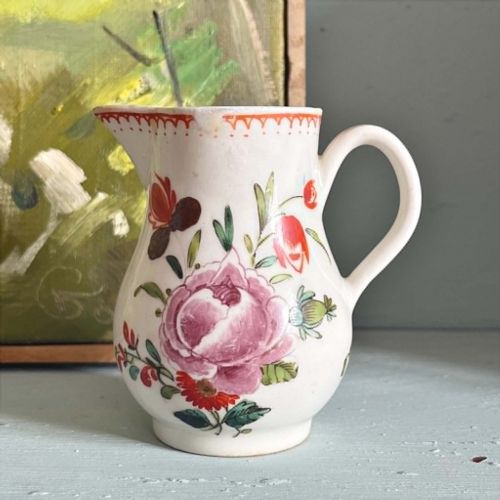
Buyers encounter sparrow-beak creamers, low Chelsea ewers, and fluted baluster shapes originating from English and European factories.
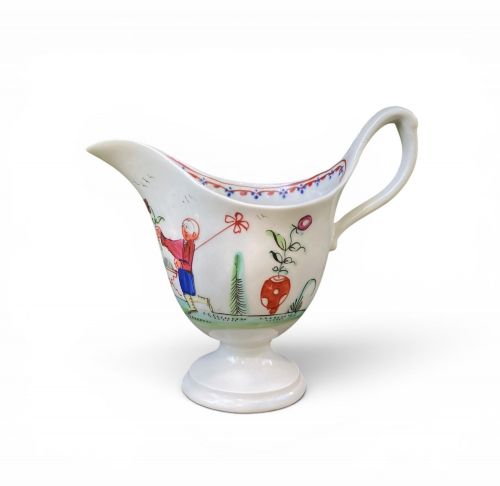
Early examples date from the seventeen-fifties onwards, showcasing hand-painted polychrome flowers, landscapes, and Chinese export motifs.
Materials and Techniques
Potters utilised soft-paste and hard-paste porcelain body pastes, shaped by hand or moulded into ribbed, fluted, and dolphin ewer silhouettes.
Decoration relied on cobalt underglaze painting, polychrome enamels, and applied gold leaf accents fired in kilns to achieve durable surface finishes.
Quality Factors
The fineness of the porcelain body and the crispness of moulded details dictate the tier of a piece, with thin-walled translucent walls marking superior production.
Hand-painted artistry separates standard utilitarian items from masterworks, evident in the precision of polychrome floral sprays, bird studies, and gilt application.
New Hall·Royal Worcester·Derby Porcelain·Meissen·John Rose Coalport
The Cream Porcelain Milk Jug Glossary
- Sparrow-beak
- A small eighteenth-century cream jug with a pinched spout resembling a bird's beak. This form appears often in early English porcelain.
- Soft-paste porcelain
- An artificial porcelain composition fired at lower temperatures than true hard-paste porcelain. It yields a warm, slightly creamy body often found on early pieces.
- Underglaze blue
- A decorative technique where cobalt pigment is applied to the raw clay body before glazing and firing. This method protects the blue colour beneath a clear glass layer.
- Polychrome
- Decoration employing multiple distinct enamel colours applied over the glaze. These pigments require a secondary low-temperature kiln firing to fix them.
- Chelsea ewer
- A small jug form modelled with an open spout and scroll handle, inspired by classical vessels. Eighteenth-century factories adapted this shape for cream service.
Cream Porcelain Milk Jug: Frequently Asked Questions
What is a sparrow beak jug?
A sparrow beak jug is an eighteenth-century porcelain cream jug featuring a small, pointed pouring lip that resembles a bird's beak. These compact vessels were made for individual tea service.
Potters across English factories such as Bow and Worcester produced this specific form to serve cream alongside poured tea.
How do I date an antique cream jug?
Dating relies on examining the porcelain body, glaze characteristics, factory marks, and decorative style. Soft-paste bodies and hand-painted underglaze blue typically indicate eighteenth-century manufacture.
Later nineteenth-century and twentieth-century pieces often display printed factory ciphers, thicker porcelain bodies, and more standardised handle formations.
Can I use an antique cream jug?
While these antique vessels were made for functional table use, many collectors prefer to display them to prevent accidental damage or staining to fragile historic ceramic bodies.
Enamels and gold leaf decorations on eighteenth-century pieces can degrade when exposed to modern dishwashing chemicals and frequent thermal shock.
What is soft paste porcelain?
Soft-paste porcelain is an artificial ceramic mixture containing glass frit and white clay, fired at lower temperatures than true hard-paste porcelain. It produces a softer visual texture under glaze.
Early English factories utilised soft paste before discovering local deposits of hard-paste ingredients towards the end of the eighteenth century.