




18th Century Milk Jug
An 18th century milk jug brings the tactile elegance of Georgian porcelain and sterling silver straight to the tea table.
18th Century Milk Jug
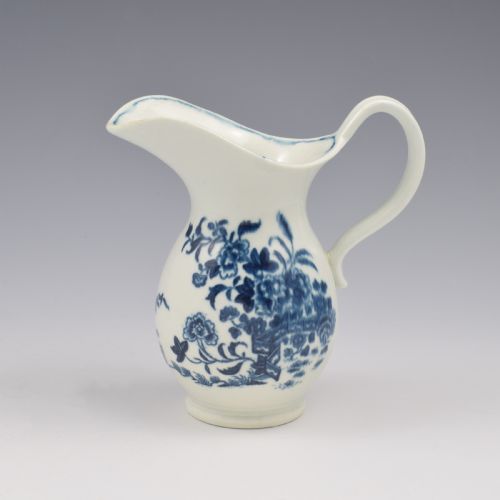
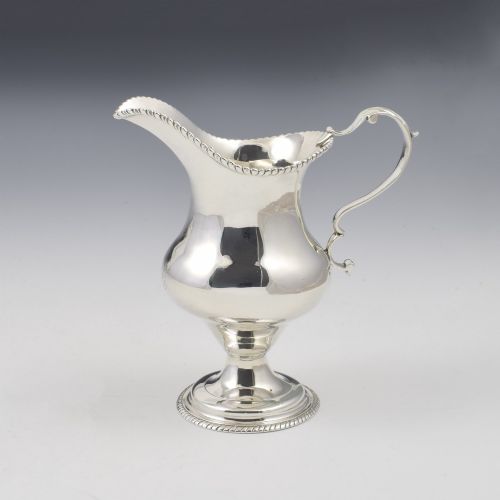
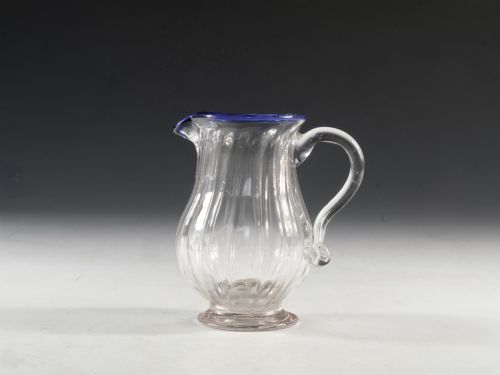
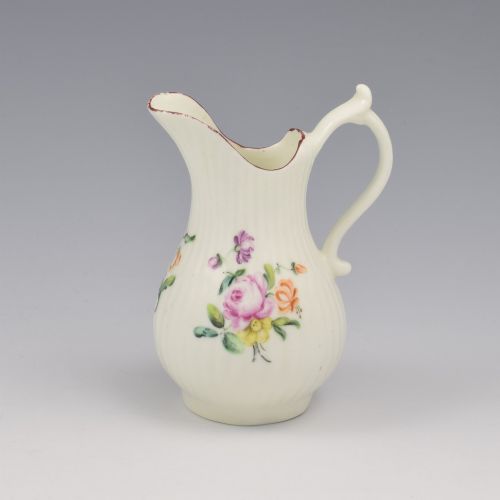
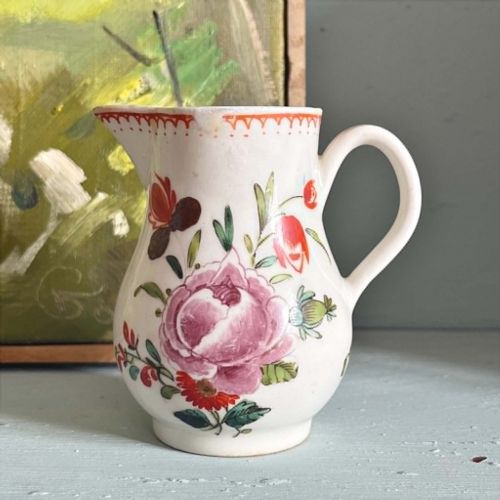
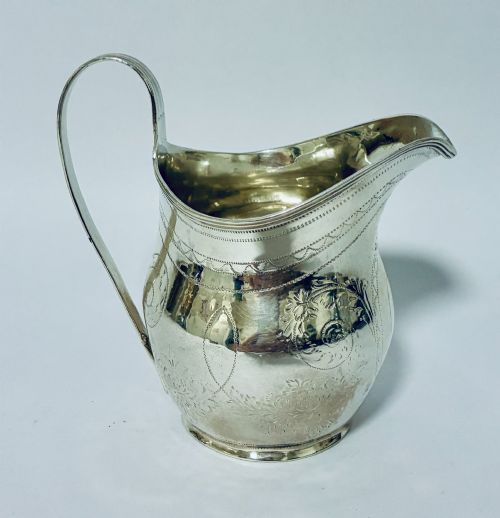
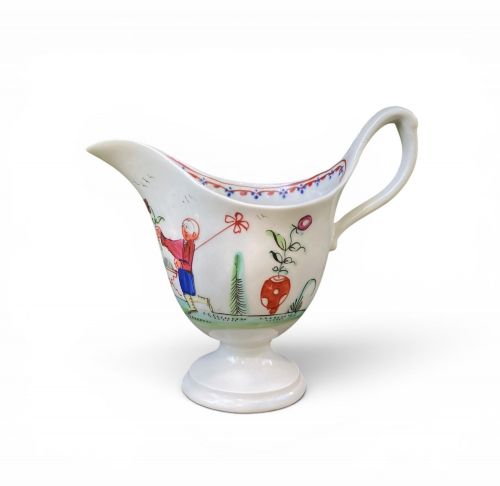
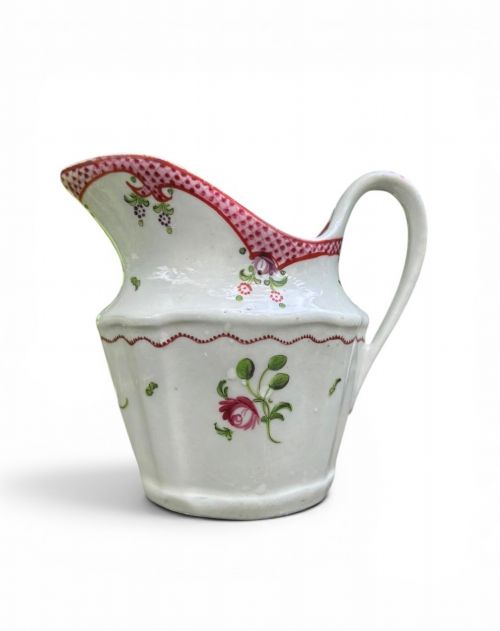
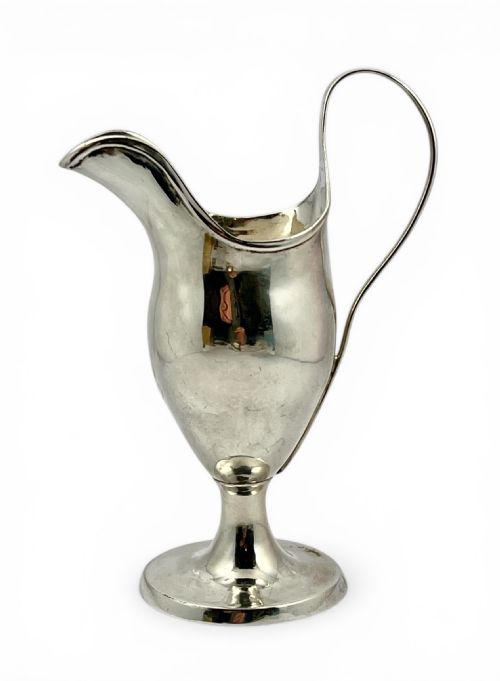
When you search for an 18th century milk jug, you encounter small porcelain creamers, sparrow beak jugs, and sterling silver helmet shapes designed for the expanding tea and coffee rituals of the period. These vessels range from delicate, hand-painted soft-paste porcelain made at factories like Worcester, Bow, and New Hall to robust provincial and London-hallmarked silver pieces.
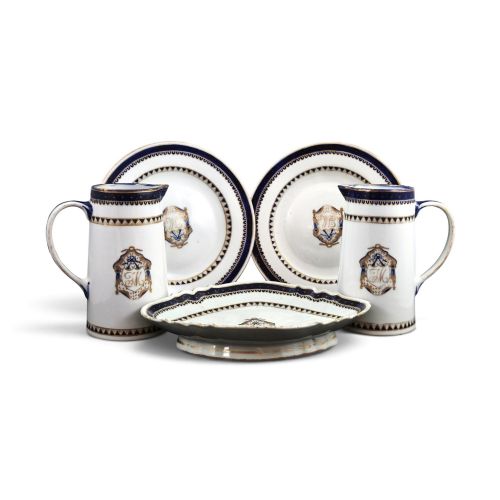
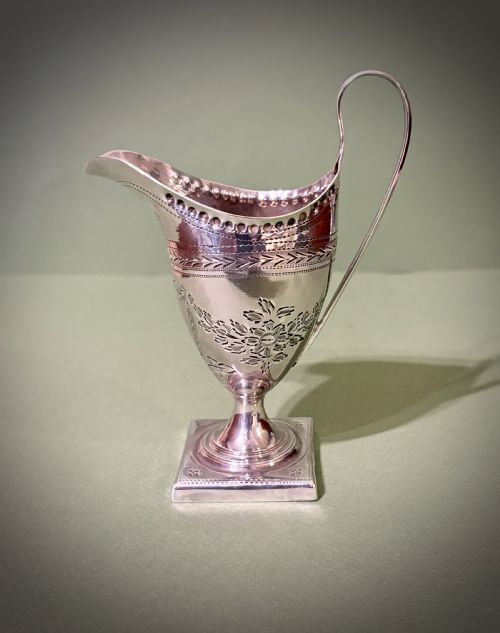
On this page, you are most likely to meet pieces spanning the Georgian era, with porcelain examples featuring polychrome flowers, monogramming, and famille rose enamels, alongside plain or gadrooned silver jugs from makers such as Peter & Ann Bateman. The forms vary from intimate sparrow beak vessels to larger baluster and helmet silhouettes intended to serve milk or cream.
The materials and origins reflect the global trade and domestic manufactories of the Georgian period, encompassing English earthenware, continental porcelain, and sterling silver. Each jug demonstrates the specific pouring lip, handle configuration, and footring characteristic of its workshop and decade.
Materials and Craftsmanship
Makers shaped these jugs using sterling silver, soft-paste porcelain, and creamware, often employing hammering, casting, or wheel-throwing techniques before finishing the surfaces with lead glaze or hand-painted enamel. Silver examples reveal crisp hand-raised bodies with applied handles and chased or gadrooned borders, while ceramic pieces rely on fluid clay bodies fired in wood- or coal-fired kilns.
Porcelain jugs from factories like Derby and Worcester utilise soft-paste formulas combined with underglaze blue or polychrome overglaze enamels, sometimes accented with gold leaf. The interaction between the translucent body and the painted floral or geometric motifs requires precise brushwork and controlled kiln temperatures to achieve the desired vitreous finish.
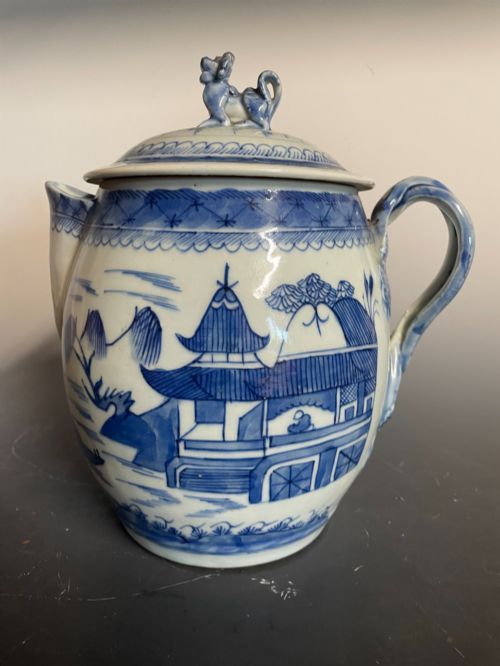
Listings feature 18th century milk jugs in sterling silver, soft-paste porcelain, and creamware, spanning English, Scottish, and Chinese export origins.
Distinctions in Quality
Quality in these jugs rests upon the crispness of the modelling, the dexterity of the hand-painted decoration, and the integrity of the silver or ceramic body. A superior piece displays sharp, well-defined casting in silver or a translucent, evenly potted porcelain body free from warping and firing flaws.
The artistic execution of the painted or chased details separates standard domestic wares from exceptional cabinet pieces. Fine examples exhibit assured, detailed brushwork on porcelain or precise silversmithing marks and balanced proportions, whereas lesser items show hurried painting, heavy potting, or careless repairs.
Stalker & Mitchison·James Gordon·Peter & Ann Bateman·John Mackfarlan
The 18th Century Milk Jug Glossary
- Sparrow beak
- A small ceramic cream jug featuring a distinctive, pinched pouring lip that resembles a bird's beak. These typically date from the mid-to-late eighteenth century.
- Soft-paste porcelain
- An artificial porcelain composition fired at lower temperatures than hard-paste, common in eighteenth-century English factories. It produces a warm, slightly creamy translucency under glaze.
- Helmet cream jug
- A silver or ceramic jug with a flared, curving rim and footed base resembling a classical helmet. This form gained immense popularity during the Georgian period.
- Gadrooned
- A decorative, ornamental carved or embossed border consisting of repeating convex curves. It frequently edges the foot or rim of silver jugs and hollowware.
- Creamware
- A refined earthenware developed in the eighteenth century, characterised by a pale yellowish-cream glaze. Leeds Pottery produced notable examples of this utilitarian yet elegant ware.
18th Century Milk Jug: Frequently Asked Questions
What is a sparrow beak jug?
A sparrow beak jug is a small porcelain or earthenware vessel designed for serving milk or cream during tea service. Its identifying feature is the sharply pinched, narrow pouring lip.
These pieces were produced by numerous English factories throughout the eighteenth century and are prized for their compact, graceful forms.
Were these jugs used for milk or cream?
Georgian households used these vessels interchangeably for both milk and cream, depending on the formality of the meal and the beverage served. Wealthier tables favoured richer cream, while everyday service utilised fresh milk.
Contemporary descriptions often list them under both categories interchangeably.
How do I identify a Georgian silver jug?
Georgian silver jugs bear hallmarks stamped directly into the metal, usually near the rim or base, indicating the assay office, date letter, and maker's mark. Examining these stamps helps pinpoint the exact year of creation.
Stylistic cues such as helmet bodies and gadrooned feet further confirm the period.