


Cream Pearl Choker Necklace
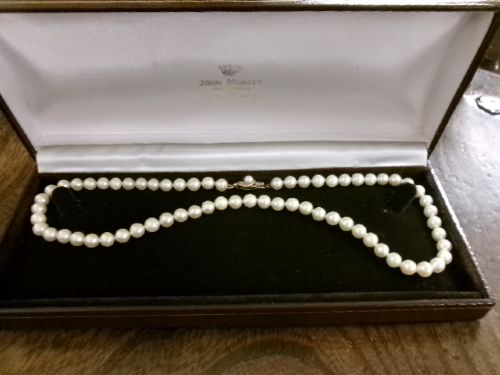
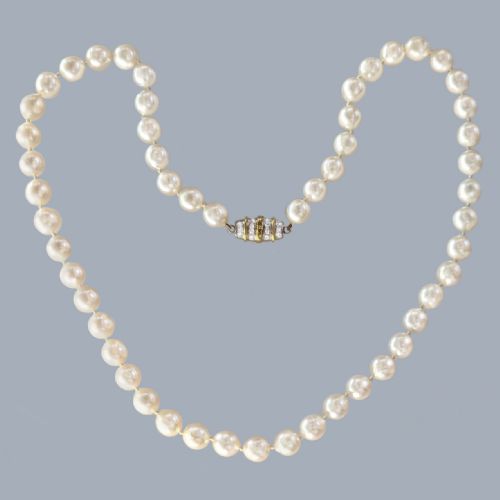
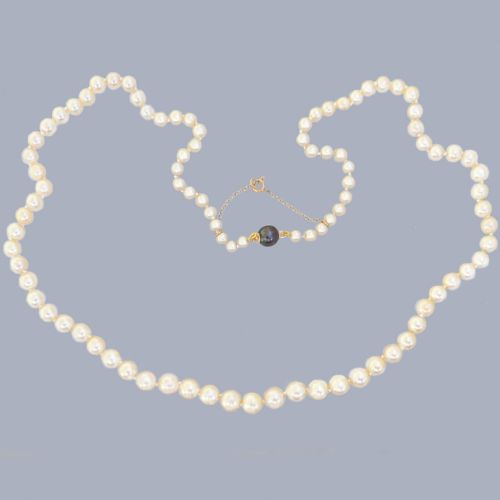
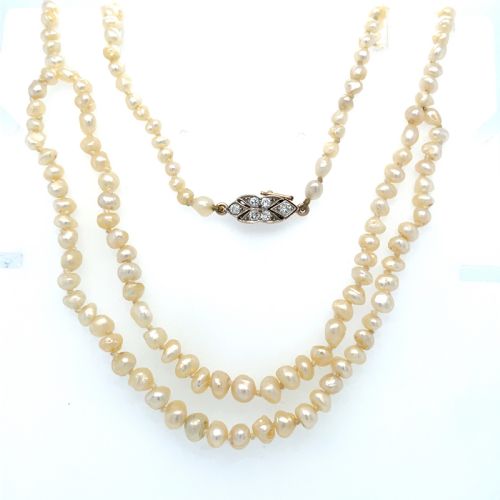
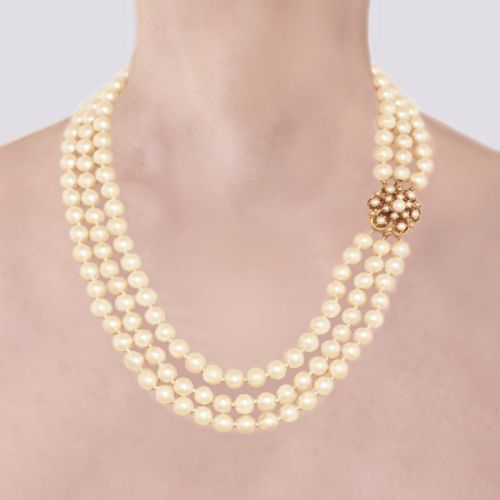
A cream pearl choker necklace carries the lustre of past decades, bringing together glowing beads and intricate precious metal clasps.
Cream Pearl Choker Necklace
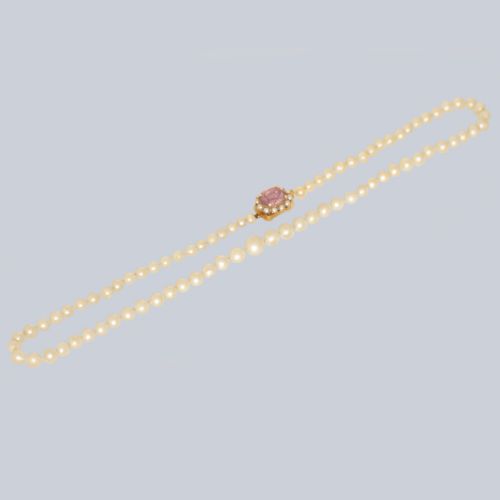
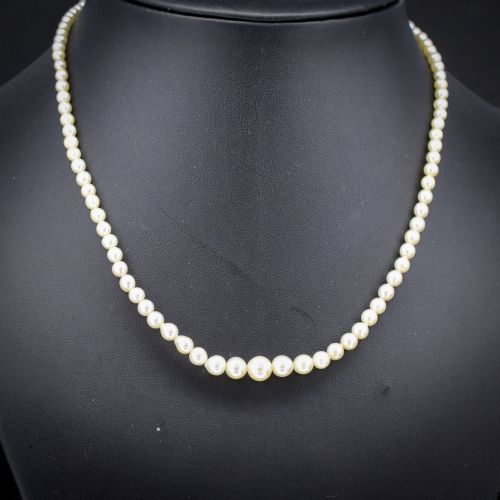
When you search for a cream pearl choker necklace, you encounter neckpieces structured to sit high on the collarbone, often featuring single or multiple strands of pearls. These ornaments span eras from the Victorian period through Edwardian designs, Art Deco creations, and mid-century modern pieces.
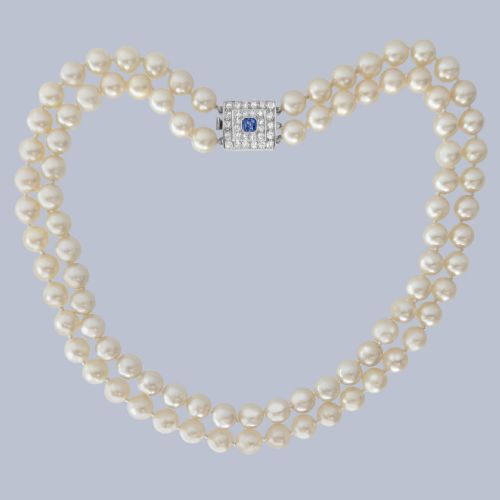
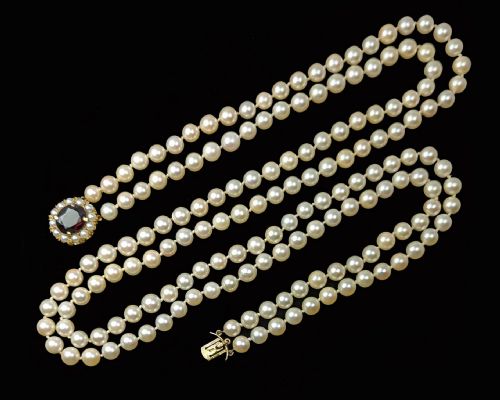
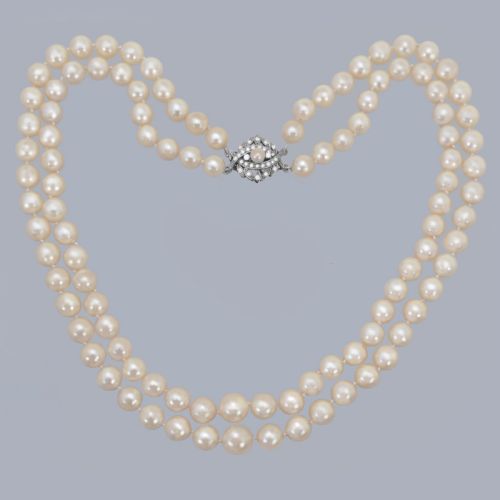
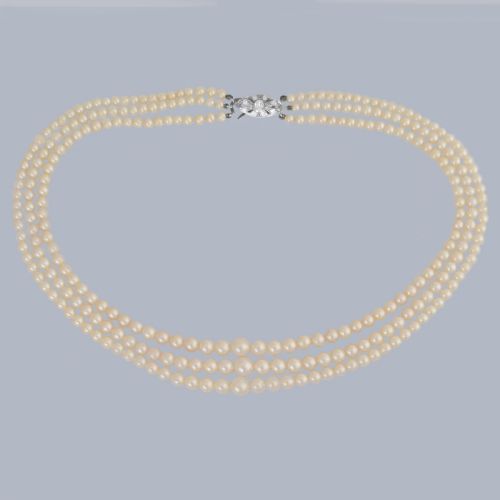
The version you are most likely to meet on this page is a mid-century or 1950s double or triple strand iteration secured with a gold clasp. Many examples integrate gemstone accents such as diamonds, sapphires, garnets, or rubies directly into the fastening mechanism.
Makers often placed the clasp as a central visual element intended to be worn at the front or side of the neck. Materials range from saltwater and cultured pearls matched with 9ct or 18ct gold, white gold, and platinum settings.
Materials and Construction
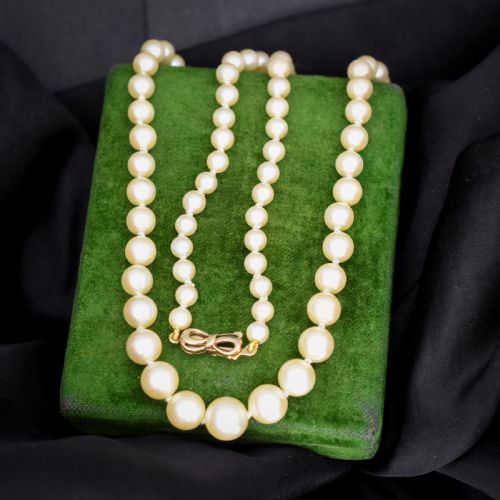
The construction relies on the careful stringing or restringing of pearls, often paired with precious metal clasps fashioned in yellow gold, white gold, or platinum. Goldsmiths secured individual beads with knots between each pearl to protect the strand and prevent rubbing.
Clasps demanded high levels of craftsmanship, incorporating pave-set diamonds, calibre-cut sapphires, and engraved gold motifs. Jewellers utilised traditional settings like bezel, prong, and cluster arrangements to mount supporting gemstones alongside the pearls.
One extraordinary piece pairs pearls with a carved cameo black onyx horse head and a sparkling diamond halo.
Distinctions in Quality
Quality rests upon the uniformity of the nacre, the matching of pearl size and lustre across multiple strands, and the complexity of the clasp design. Finer examples display clean surface integrity on the pearls combined with solid precious metal settings and certified gemstones.
The sophistication of the clasp engineering and the choice of accompanying precious stones such as diamonds or natural rubies elevate the piece. The precision of the threading work and the integration of hallmarked gold or platinum components further define the tier of the work.
Chaumet
The Cream Pearl Choker Necklace Glossary
- Graduated
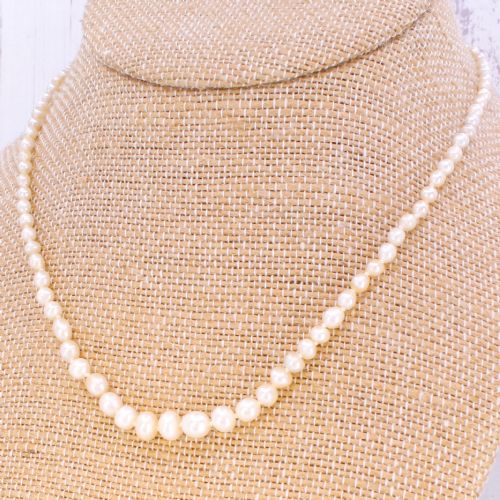
- Pearls arranged in order of size, with the largest bead at the centre and progressively smaller pearls leading to the clasp.
- Nacre
- The iridescent organic-inorganic composite material secreted by molluscs that forms the pearl and creates its characteristic lustre.
- Clasp
- The mechanical fastening device at the back or side of the necklace, frequently ornamented with diamonds and precious metals in these designs.
- Cultured Pearl
- A pearl created by the introduction of a nucleus into an oyster or mollusc, cultivated under controlled conditions rather than forming entirely by chance.
Cream Pearl Choker Necklace: Frequently Asked Questions
How do I wear a choker length?
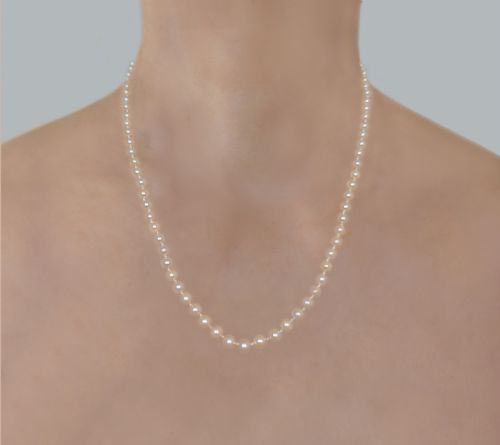
A choker typically measures around sixteen inches, resting closely against the base of the neck. This length suits high necklines and open collars alike, drawing attention directly to the collarbone.
Positioning the ornate clasp at the front or side transforms a functional fastener into a primary decorative feature. Pairing multiple strands adds weight and presence against the skin.
What defines Art Deco pearl pieces?
Art Deco pieces from the 1920s and 1930s utilise geometric lines, platinum or white gold settings, and contrasting gemstones like sapphires or rose-cut diamonds. The clasps often display symmetrical, architectural patterns typical of the period.
These designs frequently employ multiple strands of pearls to create a bold, linear aesthetic that contrasts with softer Edwardian or Victorian floral motifs.
How are multiple strands secured?
Multiple strands require specialised multi-lobed box clasps or custom findings that keep the chains aligned without twisting during wear. Goldsmiths soldered or cast these connectors in gold or platinum to support the combined weight.
Each strand connects independently to the clasp mechanism, ensuring the necklace drapes evenly across the neck without bunching.
Why are some pearls restrung?
Silk thread degrades over decades of exposure to skin oils, cosmetics, and environmental moisture. Restringing replaces weakened cords and restores proper tension between the beads.
Professional restringing ensures that individual knots remain tight between each pearl, protecting the beads from friction and potential loss.