



Cream Patterned Armchair
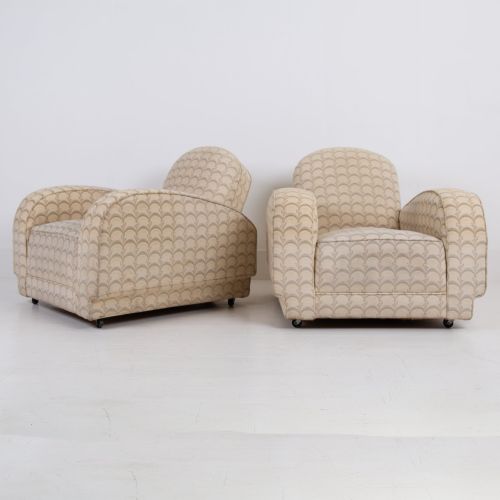
A cream patterned armchair brings pattern and comfortable seating into a room, spanning periods from the Georgian era through to Art Deco designs.
Cream Patterned Armchair
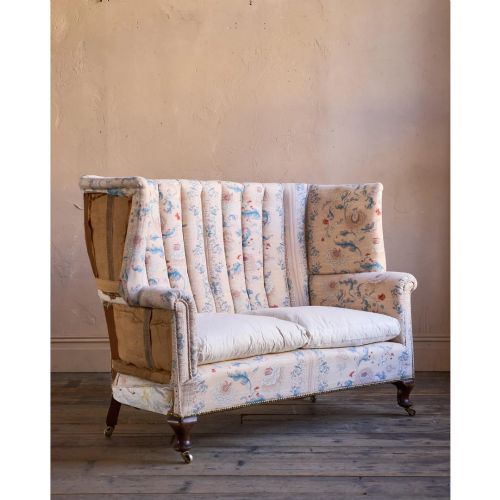
A cream patterned armchair brings upholstered seating into a space, drawing on forms that range from nineteenth-century club easy chairs and wingbacks to Edwardian and Victorian parlour suites. Buyers searching for a cream patterned armchair encounter seating upholstered in patterned textiles, cotton, and fabric, often paired with exposed timber frames.
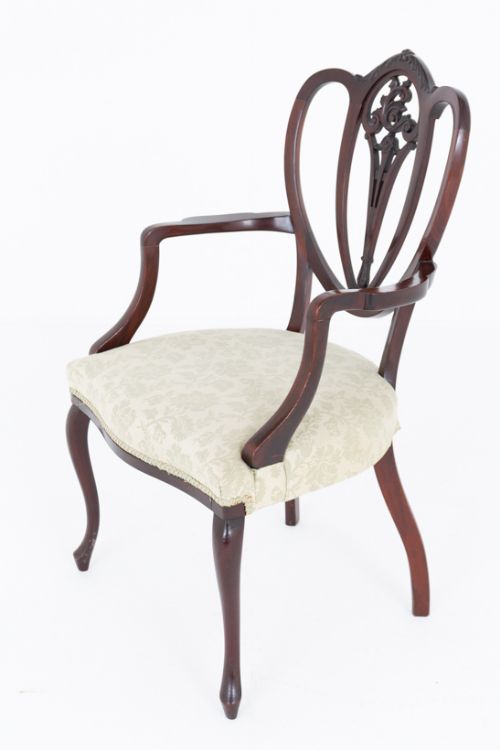
The selection includes specific seating types such as slipper chairs, nursing chairs, barrel back armchairs, and bergere arm chairs alongside pairs and suites. Makers and workshops from the nineteenth and early twentieth centuries produced these pieces, incorporating styles from French Regence and Hepplewhite Revival to English Country House.
Framing materials such as mahogany, walnut, and brass details appear across the listings, supporting various textile patterns. Pieces span distinct periods including Georgian, Regency, Victorian, Edwardian, and the 1930s Art Deco movement.
Materials and Construction
Makers built the structural frames of these armchairs using timbers such as mahogany, walnut, and general timber. These wooden foundations often feature carved details or exposed polish depending on the specific revival style or period.
Upholstery involves textiles, cotton, and specialised fabric coverings secured over sprung or padded interiors. Brass components, including castors, frequently support the feet and legs of nineteenth-century pieces.
Listings feature upholstery fabric, cotton, and textile coverings applied to mahogany, walnut, and timber frames across multiple eras.
Assessing Quality and Execution
The standard of timber framing and carving sets individual seating apart, particularly where mahogany or walnut frames display crisp proportions and refined joinery. Revival pieces and earlier examples demonstrate varying degrees of craftsmanship in their structural integrity and decorative carving.
Upholstery execution and fabric selection dictate the finish of each piece, from recycled cotton coverings to traditional textile work. The integration of maker details, such as stamps on nineteenth-century examples, distinguishes standard production from notable workshop output.
Howard and Sons
The Cream Patterned Armchair Glossary
- Wingback armchair
- A seat featuring side panels designed to shield the occupant from draughts. These pieces date across nineteenth and early twentieth-century periods.
- Bergere arm chair
- An upholstered wooden armchair featuring enclosed cane or upholstered sides. French examples often reflect classical proportions and painted or polished frames.
- Slipper chair
- A low-seated upholstered chair originally designed for bedrooms. Regency and later iterations sit close to the floor with minimal leg height.
- Parlour suite
- A matching set of seating furniture intended for formal entertaining. These groupings include upholstered armchairs and smaller chairs from the Victorian and Edwardian eras.
Cream Patterned Armchair: Frequently Asked Questions
How do I identify a Victorian armchair?
Victorian armchairs often feature deep buttoning, turned timber legs, and robust sprung upholstery. They reflect the industrial production methods and heavier stylistic preferences of the nineteenth century.
Compare the timber types and upholstery styles with Edwardian or Georgian examples to determine the manufacturing period.
What is an Edwardian wingback armchair?
An Edwardian wingback armchair combines traditional high-backed draught-excluding sides with lighter turn-of-the-century proportions. These pieces frequently appear with newly updated upholstery.
Examine the frame construction and fabric choice to understand how the piece has been maintained over time.
Where were slipper chairs used?
Slipper chairs served primarily in bedrooms during the Regency period and later eras for dressing and grooming. Their low profile made them distinct from standard parlour seating.
Look at the seat height and leg style to distinguish them from conventional salon armchairs.
How do Art Deco armchairs differ?
Art Deco armchairs from the 1930s utilise streamlined geometric forms and characteristic fabric patterns. They break away from traditional revival styles like Hepplewhite or Georgian.
Observe the symmetry and lack of excessive ornamentation to spot distinct 1930s design traits.