



Cream Paper Map
These cream paper map pieces are historic wall maps, charts and globes that bring centuries of geography and cartography directly into your study or library.
Cream Paper Map
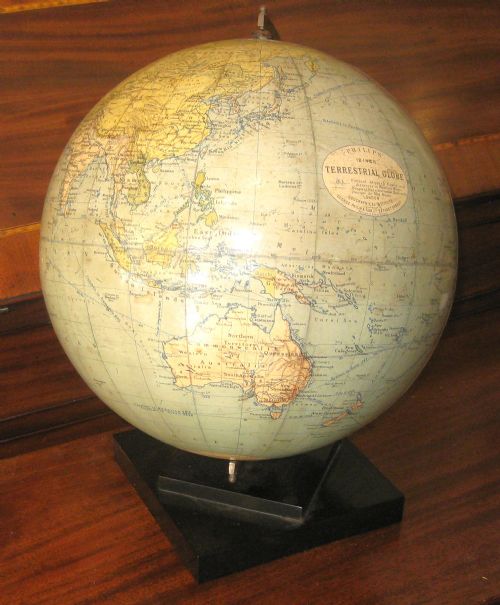
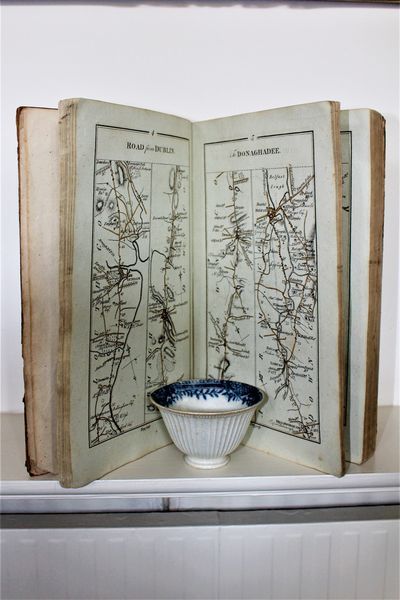
When you search for cream paper map, you are looking at historical cartography ranging from county atlases and regional charts to world maps printed on paper. These items span periods from the seventeenth century through to the Georgian and Victorian eras, alongside mid-century globes.
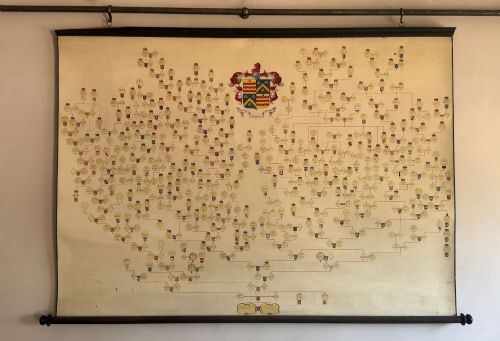
The most common forms on this page include framed regional maps of English counties, European territories, and Caribbean islands, as well as terrestrial globes and printed family pedigrees. Many pieces reflect British and European cartography traditions, created as functional navigation tools or decorative wall art.
Materials and construction methods
The foundation of these items is paper, frequently combined with ink, watercolour, and linen backing to strengthen fragile sheets intended for daily reference or display. Atlas engravings and sheet maps rely heavily on fine printing techniques executed on rag paper that naturally yellows to a warm cream tone over centuries.
Globes introduce materials such as plaster and papier-mâché, moulded into spheres before receiving gores of printed paper maps and protective varnish. Frames utilise wood and glass to preserve the paper surfaces from atmospheric damage while maintaining visibility.
Some seventeenth-century cartographers thoughtfully included detailed local topography alongside domestic livestock illustrations in the map margins.
What distinguishes quality in historical maps
Quality in these pieces rests upon the clarity of the original engraving, the legibility of place names, and the precision of the cartographic details. Sharp impressions from early printing plates provide superior definition compared to later reproductions or worn strikes.
The survival condition of the cream paper surface and the presence of original hand-applied watercolour play major roles in the desirability of a map. Margins that remain intact without excessive trimming indicate a well-preserved sheet that retains its original proportions.
Maker attribution also influences distinction, as works associated with known cartographers carry greater documentary weight. Furthermore, contemporary framing and structural stability in globes contribute to the enduring integrity of the object.
Robert Morden·Joan Blaeu·R Creighton·Jas Wyld·J Harrison
The Cream Paper Map Glossary
- Cartography
- The science or practice of drawing maps. This encompasses everything from local county surveys to large world charts.
- Atlas engraving
- A map printed specifically for inclusion in a bound collection of geographical plates. These often feature plate marks along the paper edges.
- Terrestrial globe
- A spherical model of the Earth mounted on an axis and stand. These items display geographical boundaries relevant to their specific date of manufacture.
- Gores
- Tapered strips of paper printed with map sections and applied to a sphere to form a globe. Accurate alignment of these strips is essential for correct geography.
- Pedigree
- A genealogical chart or diagram recording family descent. These documents are frequently rendered in manuscript or engraved formats similar to maps.
Cream Paper Map: Frequently Asked Questions
How do I hang a framed paper map?
Framed paper maps require stable wall fixings that support the weight of the wood and glass. Hang them away from direct sunlight to prevent the cream paper and any watercolour tinting from fading.
Ensure the room maintains stable humidity levels to protect the antique paper from warping or foxing over time.
What period do most of these maps come from?
The listings span multiple centuries, with significant representation from the seventeenth, eighteenth, and nineteenth centuries. Georgian and Victorian examples are particularly common among the framed county maps and regional charts.
Later nineteenth-century and early twentieth-century pieces, including globes, also appear regularly within the collection.
How should I clean an antique globe?
Dust globes gently with a soft, dry cloth to remove surface particles without disturbing the paper gores. Avoid using water, chemical sprays, or abrasive cleaners on the aged paper surface.
Keep them in well-ventilated spaces away from extreme temperature shifts that could crack the underlying plaster or papier-mâché.