
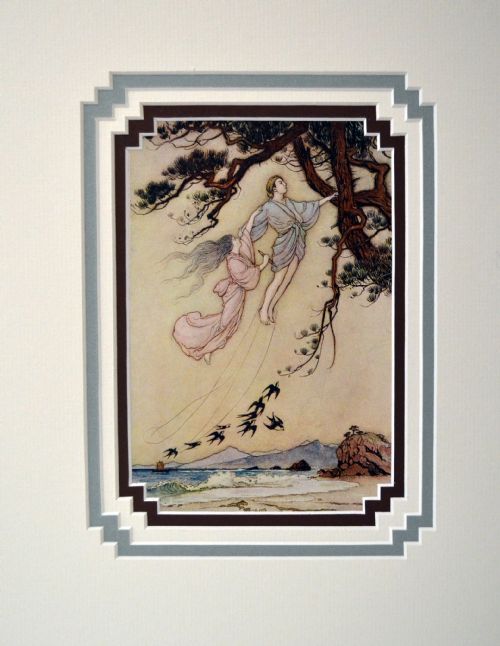
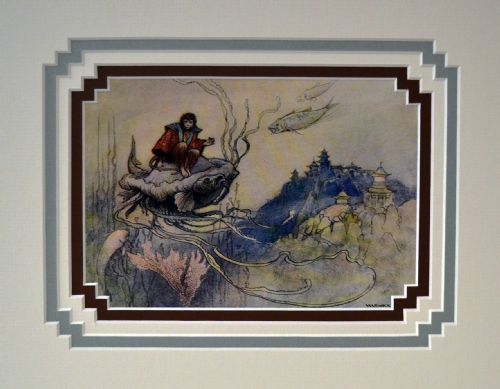
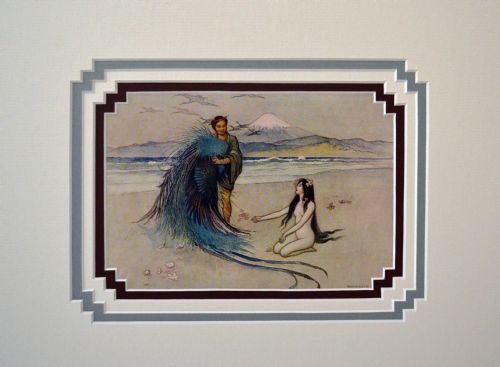
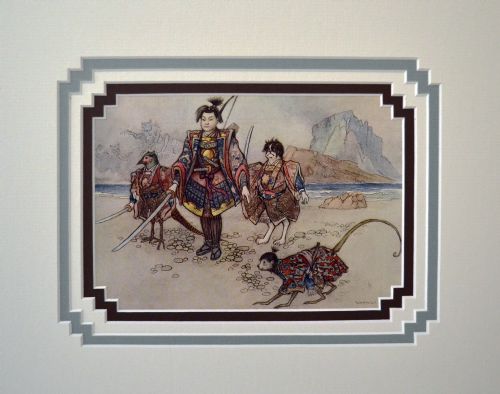
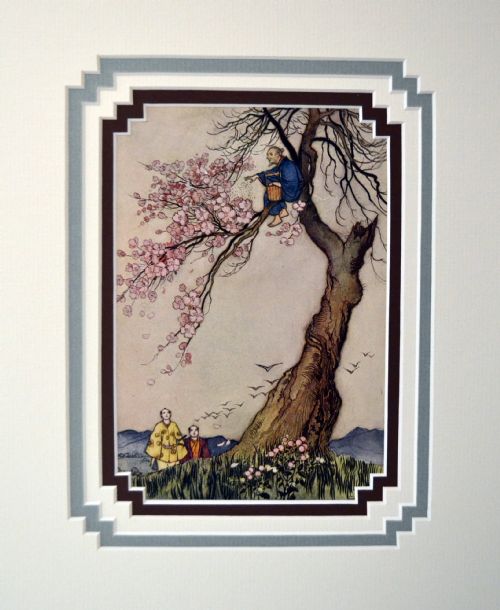


Cream Mounted Art Print
A cream mounted art print brings historical works onto the wall, framed on paper, card, and wood with glass protection.
Cream Mounted Art Print
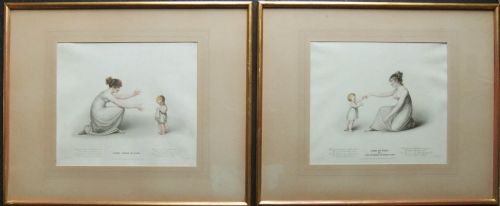
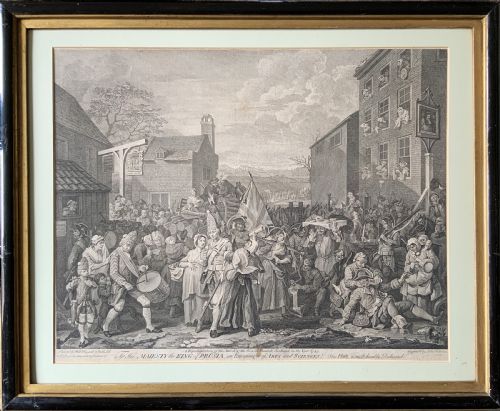
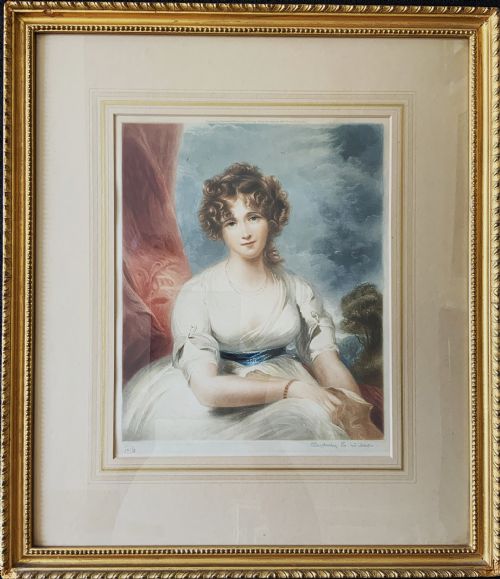
A cream mounted art print encompasses framed works on paper, card, and wood, drawing from periods ranging from the eighteenth century to the mid-twentieth century. Buyers encounter lithographs, engravings, woodblock prints, watercolours, and antique maps set behind protective glass.
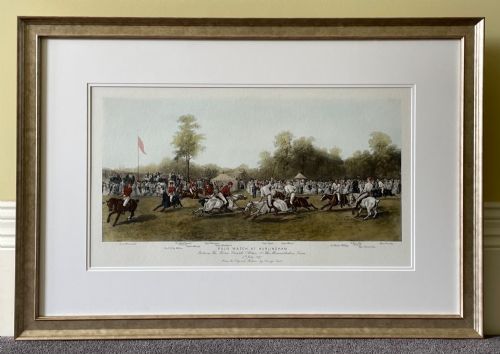
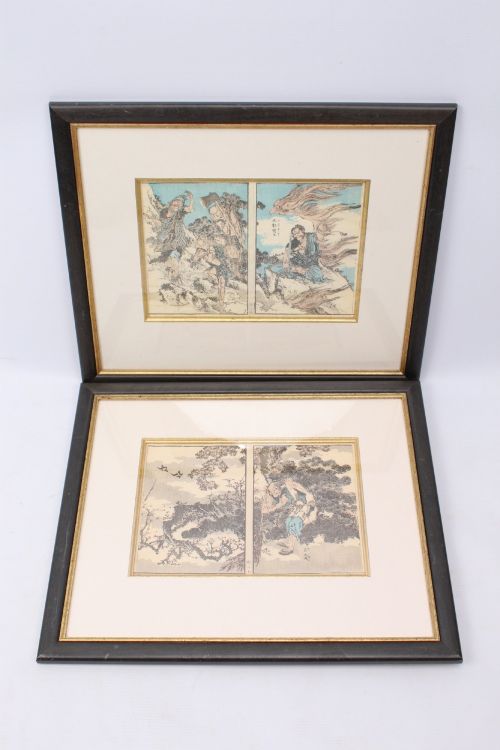
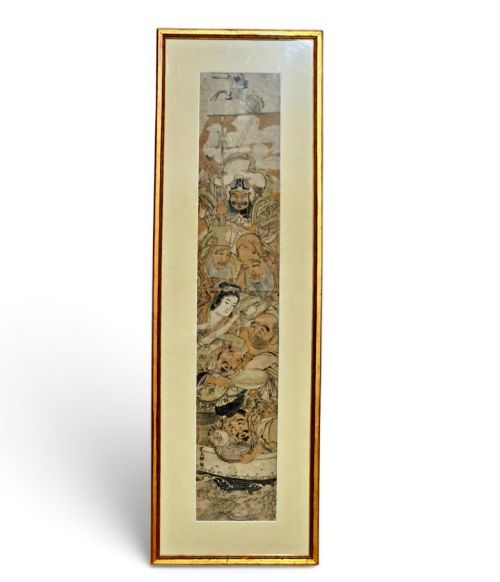
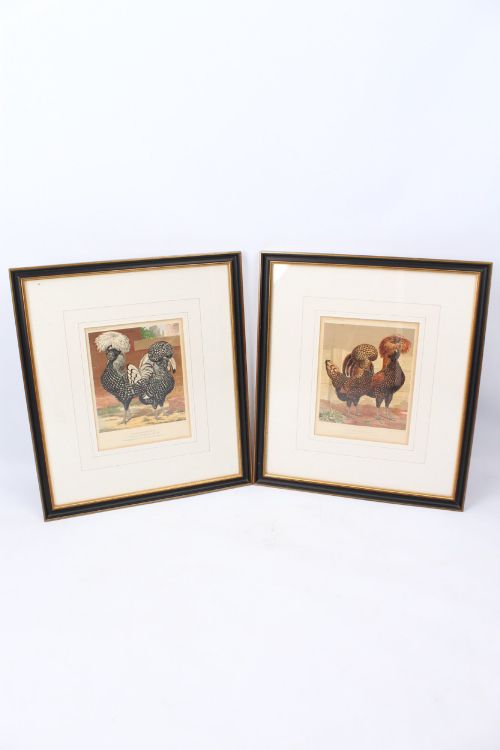
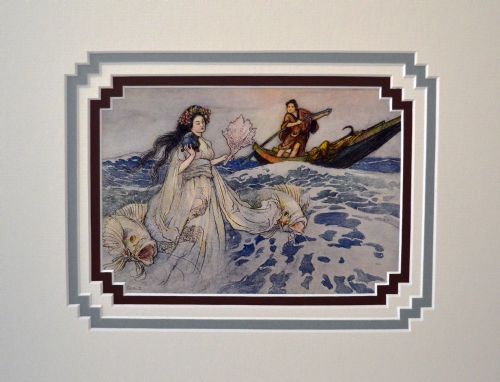
The selection includes Japanese ukiyo-e woodblock prints, nineteenth-century sporting scenes, and Edwardian illustrations. Many items are presented as pairs or sets, featuring subjects from natural history to landscape landmarks.
Framed print formats predominate on this page, uniting diverse historical eras through shared framing techniques. Each cream mounted art print bridges period imagery with display-ready presentation.
How they were made
Makers utilised paper, cardboard, and ink to produce engravings, lithographs, and woodblock prints, often enhanced with watercolour and gold leaf. Wood and gilt wood frames paired with glass preserve these fragile works against environmental damage.
Traditional printing methods such as hand-coloured engraving and Japanese woodblock carving required precise skill from artists and publishers alike. Subsequent framing incorporated sturdy wooden surrounds to support the cardboard mounts and paper sheets.
Several prints record animals in unexpected pursuits, including polo-playing horses, boxing cats, and dogs participating in rural sports.
What varies in quality
Quality rests upon the clarity of the ink impression, the preservation of the paper surface, and the harmony of the framing materials. Original watercolours and signed artist proofs command distinct attention compared to standard edition prints.
The integrity of the original medium, whether delicate watercolour washes or crisp woodblock lines, determines the visual distinction of each piece. Superior examples retain their original palette without excessive fading across the paper and card.
Hokusai·Katsukawa Shunsho·William Hogarth·Warwick Goble·Louis Wain·Charles F Tunnicliffe·David Roberts·William Russell Flint
The Cream Mounted Art Print Glossary
- Lithography
- A planographic printing process using a flat stone or metal plate to produce ink transfers on paper. This technique enabled detailed tonal gradations popular in nineteenth-century illustration.
- Engraving
- A printmaking method where an artist cuts lines into a metal plate to hold ink for transfer. It yields sharp, precise details characteristic of eighteenth and nineteenth-century works.
- Woodblock print
- A relief printing technique originating in Japan and Europe, where imagery is carved into a wooden block. The inked raised areas are then pressed onto paper.
- Artist proof
- An early trial impression pulled for the artist to inspect before the main edition is printed. These pieces often hold unique collectible value.
- Ukiyo-e
- A genre of Japanese art flourishing from the Edo period, depicting scenes of everyday life and landscapes. These woodblock prints utilise distinct coloured inks on paper.
Cream Mounted Art Print: Frequently Asked Questions
How should I hang these framed prints?
Protect the paper and card components by placing them away from direct sunlight and damp conditions. Standard picture wire secured to the wooden frame supports safe wall mounting.
Ensure the glass is cleaned gently with a dry cloth to avoid moisture seeping beneath the mount into the original ink or watercolour.
What periods do these prints cover?
The listings span from the eighteenth century through the Victorian, Edwardian, and mid-century eras. Each period employs distinct printing and mounting techniques.
Edo period Japanese woodblocks sit alongside Georgian maps and twentieth-century sporting illustrations within the collection.
Are these works original prints?
Many items comprise original engravings, woodblocks, lithographs, and watercolours created during their respective historical periods. Signatures and artist proofs appear on specific pieces.
Publishing dates align with the recorded eras of the makers and artists listed in the titles.
How do I identify a woodblock print?
Japanese woodblock prints from the Edo period and later display distinct ink bleeding into the paper fibres. Hand-carving marks and traditional pigments separate them from modern reproductions.
Close inspection under magnification reveals the characteristic grain and impression left by the carved wooden blocks.