

Cream Lamp Table
A cream lamp table brings together practical surface space and ambient lighting, giving a room both a grounded table and a warm focal point.
Cream Lamp Table
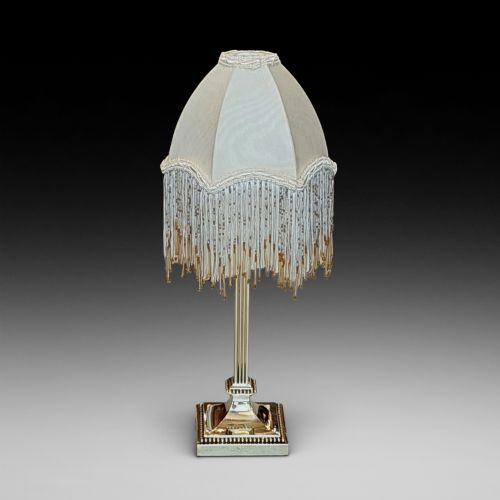
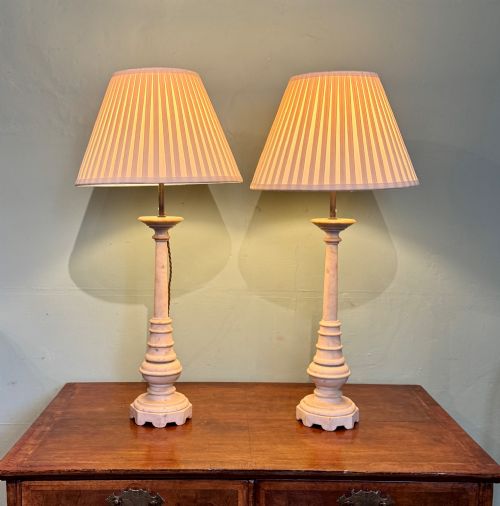
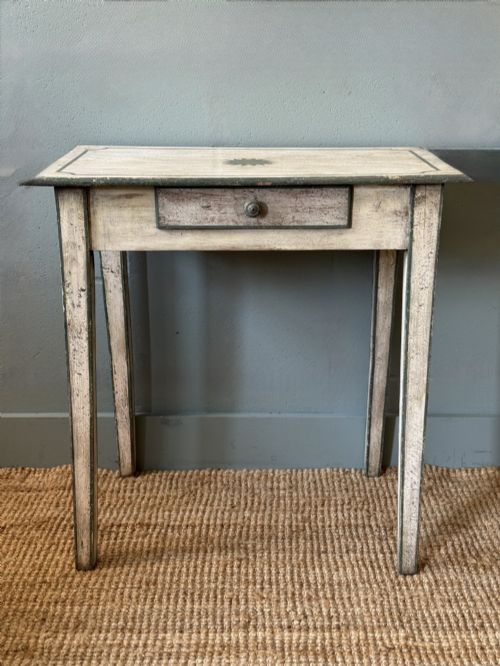
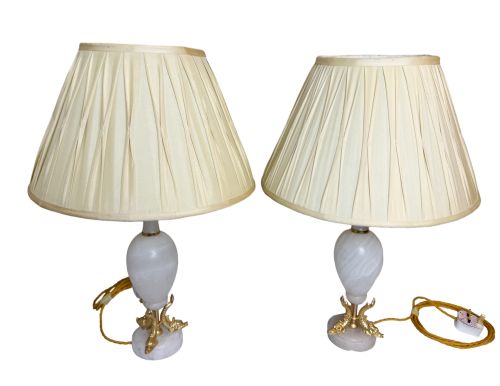
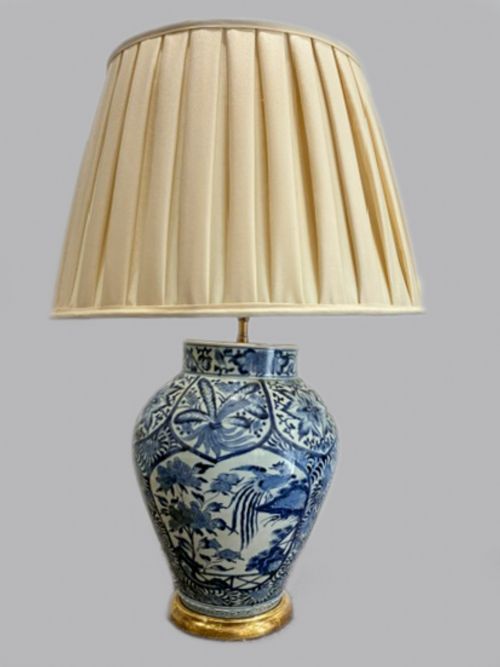
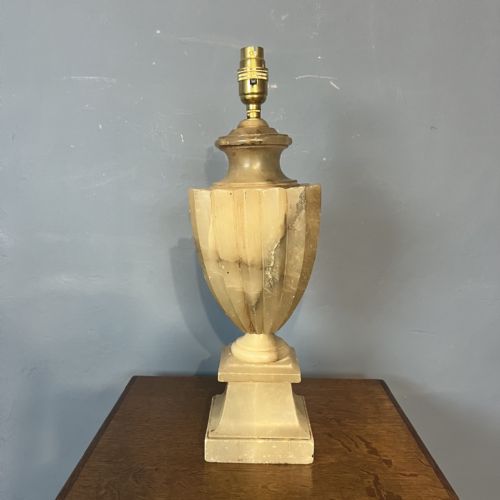
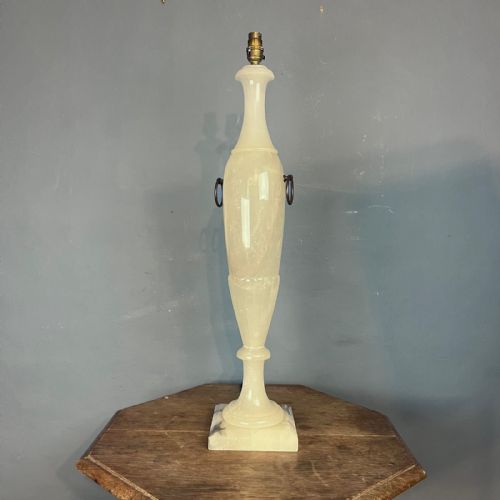
When you search for a cream lamp table, you find a selection that spans side tables, occasional pieces, and fitted bedside chests designed to hold a light. These items range from French fruitwood and painted occasional furniture to marble and alabaster table lamps paired with cream grounds.
The most common versions on this page combine painted wood or pale stone bodies with practical surfaces suited to sitting beside a chair or bed. Many pieces originate from the nineteenth and early twentieth centuries, reflecting Edwardian, Art Deco, and Neoclassical tastes.
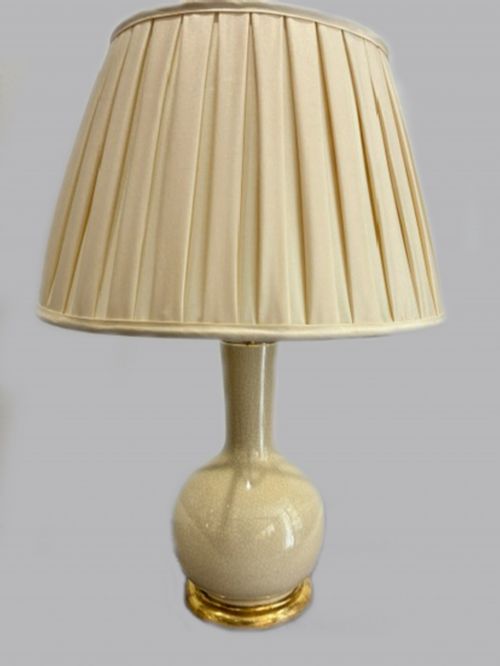
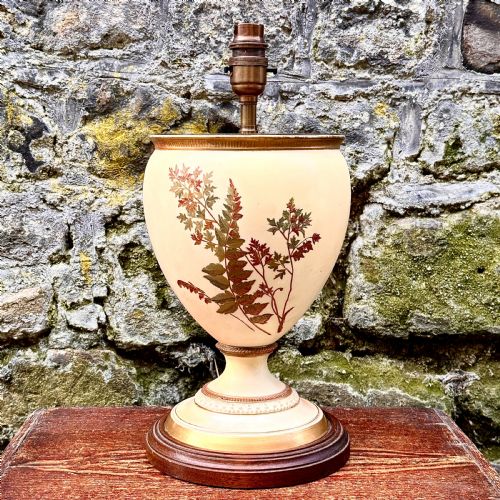
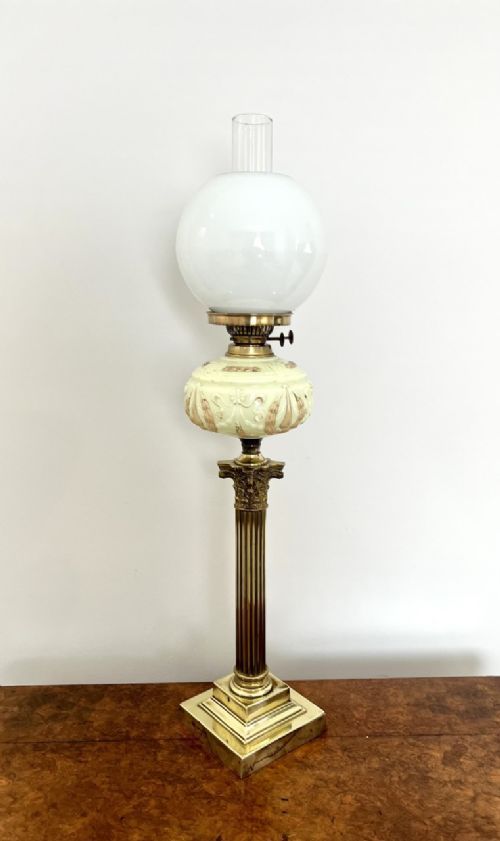
Makers and artisans utilised materials like porcelain, brass, and glazed ceramic to build these sturdy forms. The resulting items range from converted oil lamps and vases to dedicated occasional tables finished in pale or cream tones.
How they were made
Wood pieces rely on traditional joinery, utilising fruitwood or painted timber shaped into side tables and bedside chests. Artisans applied hand-painted finishes directly to the wood to achieve the characteristic cream and parcel gilt surfaces.
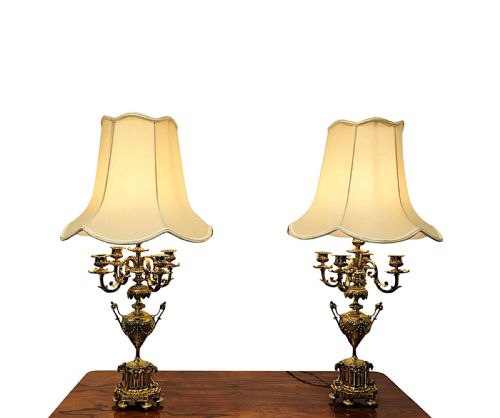
Stone and ceramic forms make heavy use of carved marble, alabaster, and onyx, often accented with gilt bronze, brass, or ormolu trim. These mineral components were shaped on lathes or cast and fired before being wired for domestic lighting.
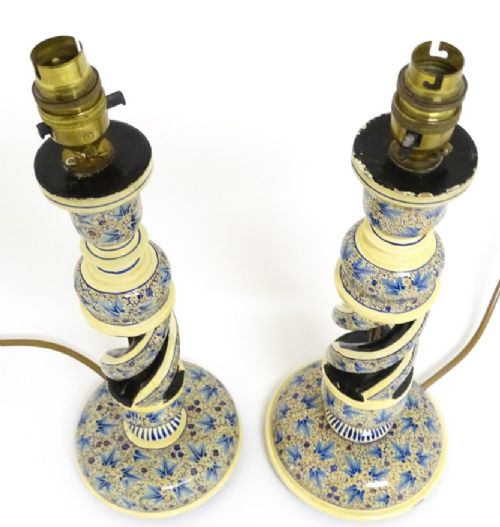
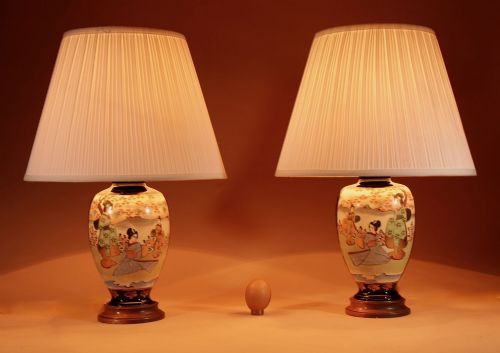
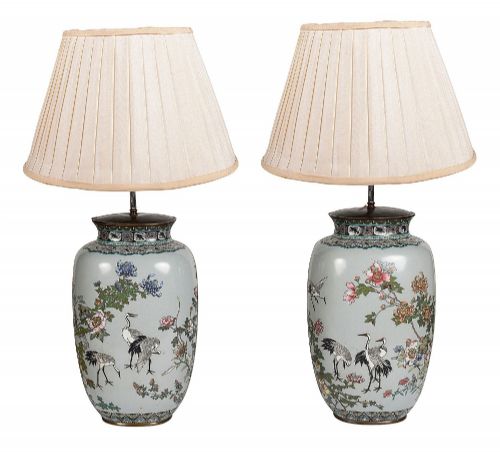
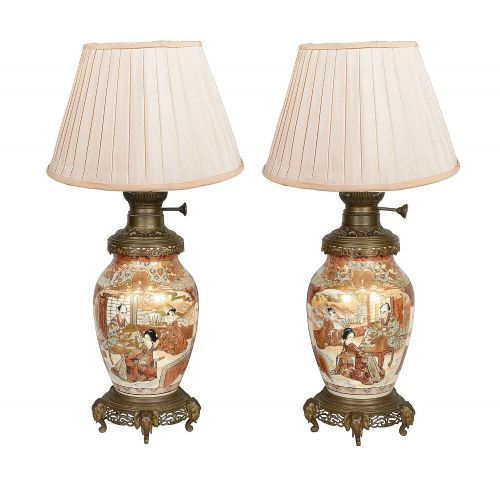
Decorative elements involve cloisonné enamel, hand-painted earthenware, and tole-peinte metalwork. Many functional objects, such as Japanese vases and nineteenth-century oil lamps, were later converted into electrical lamp fittings while retaining their original material integrity.
A surprising number of these illuminating characters began their lives as nineteenth-century spirit dispensing barrels and Japanese temple dogs.
What varies in quality
Quality rests heavily on the crispness of the carving in stone elements like alabaster and marble, alongside the precision of gilt bronze or ormolu mounts. Finer pieces display sharper cast details and heavier, more stable bases.
In painted and wooden items, the depth of the hand-painted finish and the preservation of the original surface determine the tier of the piece. Superior examples maintain intact gilding and well-executed decorative motifs without crude modern overpainting.
The integrity of the conversion work matters when antique vases or oil lamps are adapted into lighting. Professional wiring and careful preservation of the original ceramic or glass body separate superior items from lesser conversions.
Royal Worcester·Eileen Grey
The Cream Lamp Table Glossary
- Alabaster
- A fine-grained translucent stone frequently carved into nineteenth-century lamp bases. It allows light to diffuse softly through the material when placed near a bulb.
- Ormolu
- Gilding technique involving the application of finely ground high-carat gold to a bronze base. It provides a rich metallic contrast against cream stone and porcelain surfaces.
- Tole-peinte
- Painted sheet metal used primarily for decorative lamp columns and shades. This French technique yields durable surfaces with detailed painted motifs.
- Cloisonné
- Enamel work created by soldering wire partitions to a metal body before filling the cells with paste and firing. This method produces intricate colourful patterns on antique lamp bodies.
- Satsuma
- Japanese earthenware pottery featuring a crackle-glaze finish and detailed hand-painted decoration. These vessels frequently appear converted into decorative table lamps.
Cream Lamp Table: Frequently Asked Questions
What is a cream lamp table?
A cream lamp table is a furnishing designed to support a light source, combining a surface for small items with illumination. These pieces range from dedicated wooden side tables to structural lamp bodies featuring pale or cream finishes.
Buyers often select them to brighten dark corners or to serve as functional bedside surfaces. The category includes both purpose-built furniture and ceramic lamps with neutral cream tones.
How do I date an antique lamp table?
Dating relies on examining material construction, stylistic markers, and wiring methods. Pieces from the Edwardian era or nineteenth century typically exhibit period-specific joinery, hand-carved stone, or traditional brass fittings.
Makers' marks, where present on porcelain or ceramic elements, provide precise manufacturing windows. Comparing the decorative style, such as Art Deco geometric lines or Neoclassical motifs, helps narrow the age further.
Were these always electric lamps?
Many older pieces began life as oil lamps, vases, or decorative candelabra before being converted to electricity. This practice preserves historical objects by giving them a practical function in modern homes.
Converted items retain their original material qualities, such as hand-painted porcelain or heavy brass bases, while incorporating safe contemporary wiring.