


Cream Iron Bedstead
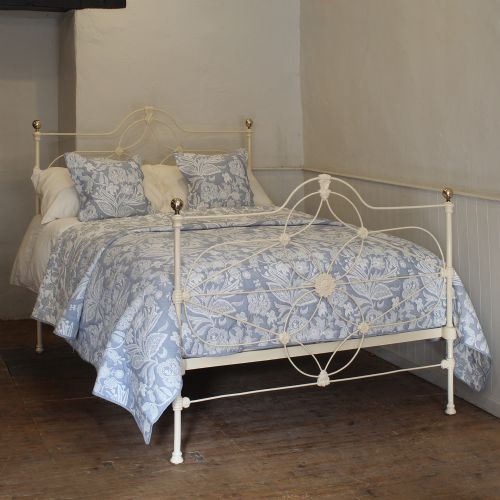
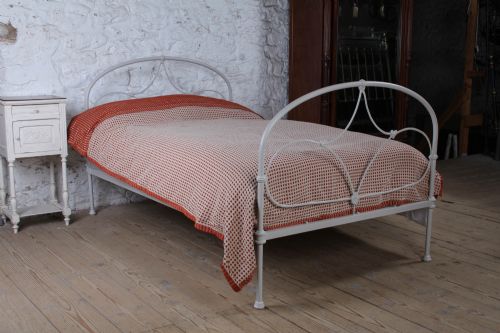
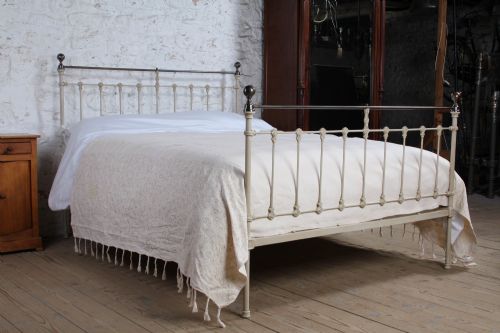
A cream iron bedstead offers robust metal construction finished in soft paint, bringing period character and sturdy sleeping quarters to a bedroom.
Cream Iron Bedstead
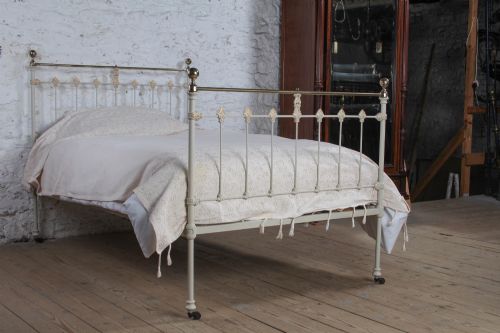
A cream iron bedstead provides a durable sleeping frame finished in light paint tones, drawing on Victorian and early twentieth-century origins. These pieces appear in single, double, king, and super king sizes, frequently combining metal frames with contrasting brass elements.
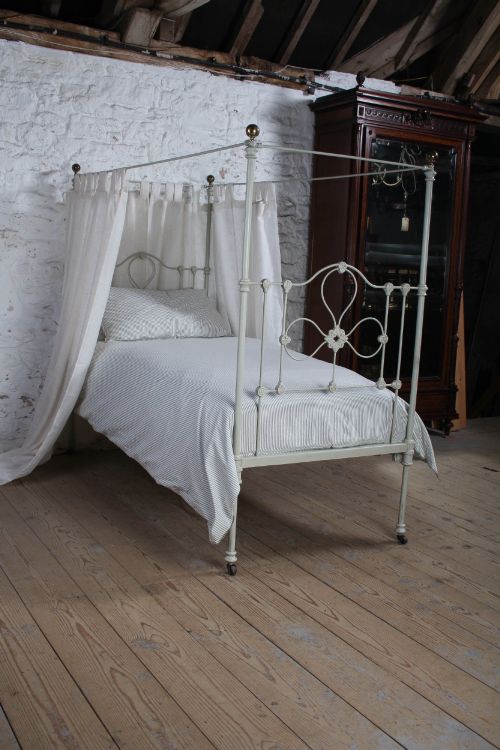
The selections span various regional styles, including French Country, Rustic European, and Celtic Revival designs. Buyers frequently encounter frames featuring distinctive brass caps, dip rails, or half tester structures alongside simpler no end layouts.
Makers and workshops of the Victorian and 1900 periods produced these beds in diverse formats, from standard double sizes to extra wide platform beds and matching pairs.
Materials and construction methods
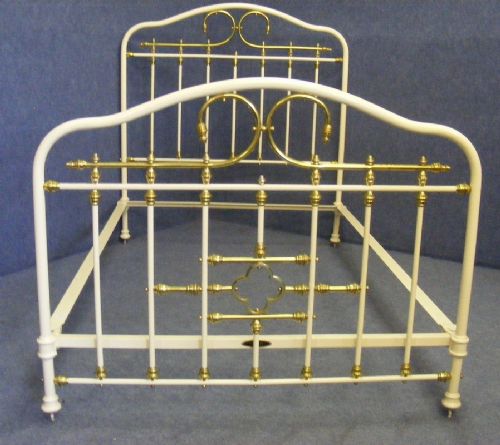
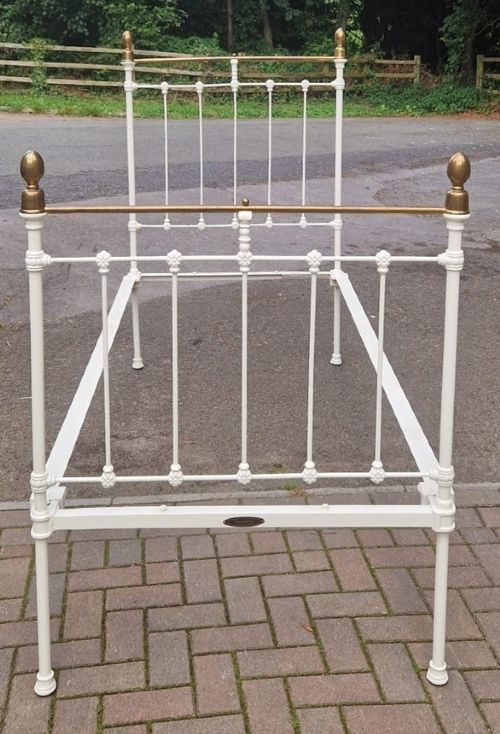
Makers utilised cast iron, forged iron, and wrought iron for the main structural framework, often pairing the heavy metal with polished brass details such as knobs and caps. Paint and painted metal finishes provided the characteristic cream or ivory surfaces seen on the frames.
The construction combined heavy metal casting with secure joints, allowing many of these antique beds to be dismantled or joined as pairs depending on the specific room requirements.
The listings show Victorian and 1900 periods using cast iron, wrought iron, and brass with cream and ivory paint.
Evaluating quality and execution
The standard of a cream iron bedstead depends on the crispness of the iron castings and the weight of the metal components used in the frame. Finer examples display well-proportioned brass fittings and even paint applications that complement the underlying ironwork.
Design complexity also influences the piece, distinguishing simpler single frames from elaborate half tester structures and beds with intricate brass detailing.
R W Winfield
The Cream Iron Bedstead Glossary
- Cast iron
- A strong, hard iron-carbon alloy poured into moulds to create decorative and structural bed components. It forms the heavy base of many antique frames.
- Brass
- A yellow alloy of copper and zinc used extensively for decorative caps, knobs, and rails on iron beds. It provides a bright contrast to the cream painted ironwork.
- Half tester
- A bed style featuring a partial canopy extending from the headboard over the upper portion of the mattress. This form adds architectural presence to the sleeping quarters.
- Dip rail
- A headboard or footboard top rail that dips downward in the centre. This curved profile softens the linear appearance of metal bed frames.
- Platform bed
- A bed frame designed to support a mattress directly on a raised base without traditional wooden slats. These frames often accommodate modern mattress depths securely.
Cream Iron Bedstead: Frequently Asked Questions
How do I assemble an antique iron bed?
Most antique metal beds use wedge-fit side rails that slot directly into the corner brackets of the headboard and footboard. Tapping these joints gently with a rubber mallet secures the frame firmly.
Ensuring the floor is level before tightening any supplementary bolts helps keep the structure square and prevents strain on the metal joints.
Will modern mattresses fit these antique beds?
Many Victorian and early twentieth-century frames accommodate standard modern mattress sizes, though exact dimensions can vary slightly from contemporary standards. Checking the internal length and width of the side rails ensures a proper fit.
Using a low-profile box spring or a supportive slatted base helps achieve the correct height and stability for daily use.
How should I clean cream painted iron?
Dusting the frame regularly with a dry microfibre cloth removes surface particles without disturbing the painted finish. Avoid abrasive scouring pads or harsh chemical solvents that might damage the cream paint.
Brass components can be polished separately with a dedicated metal cleaner, taking care not to let the polish touch the painted iron surfaces.