



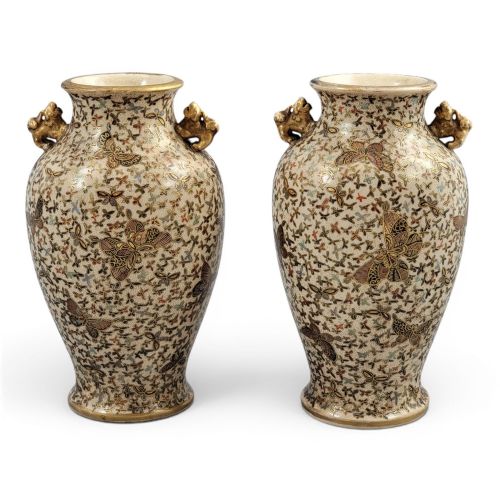
Cream Ceramic Pottery Vase
When you search for a cream ceramic pottery vase, you find historic pieces ranging from Japanese earthenware to European studio pottery.
Cream Ceramic Pottery Vase
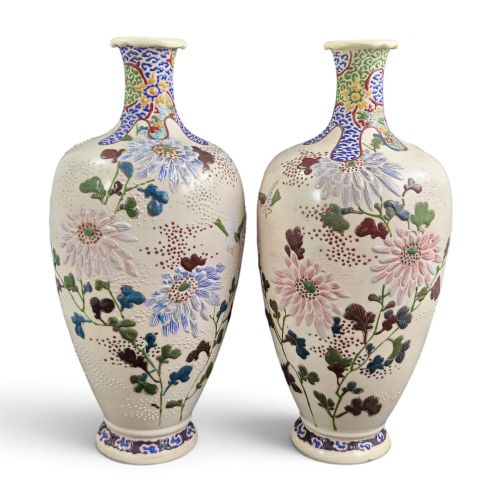
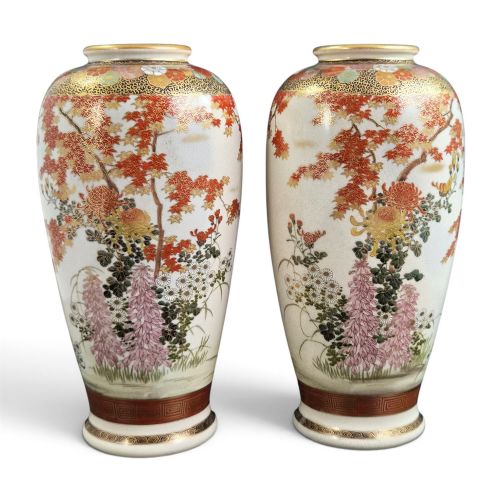
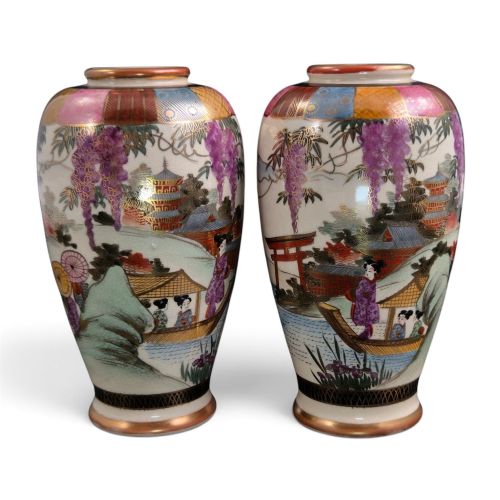
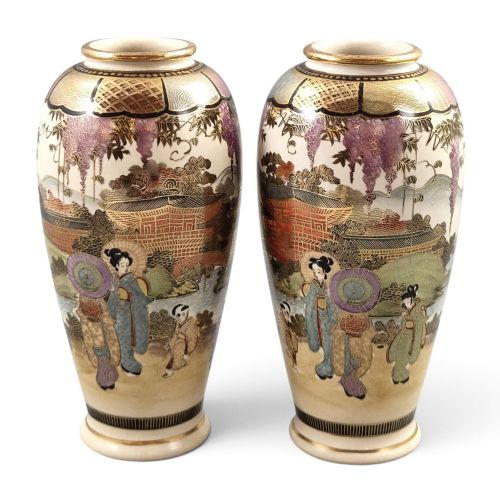
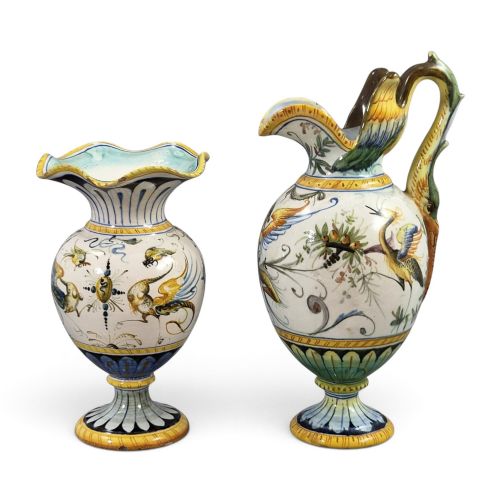
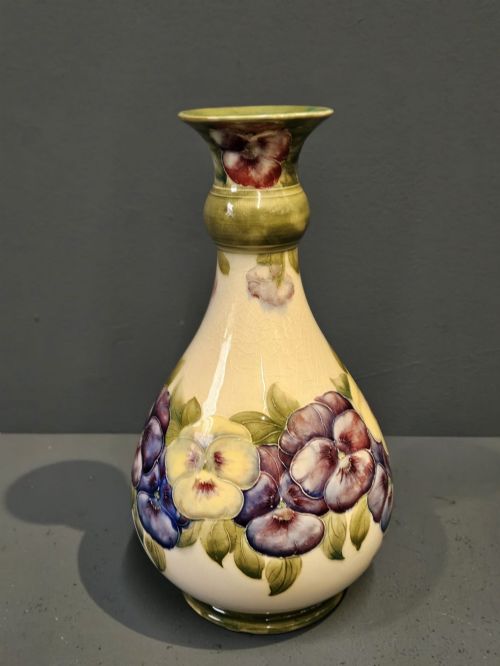
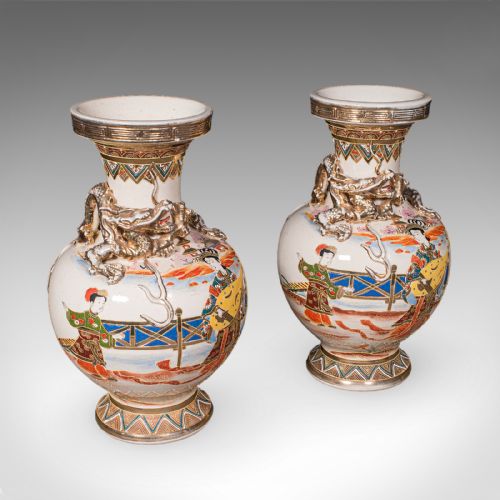
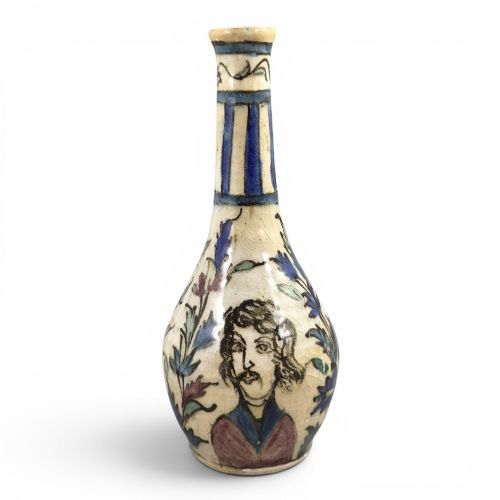
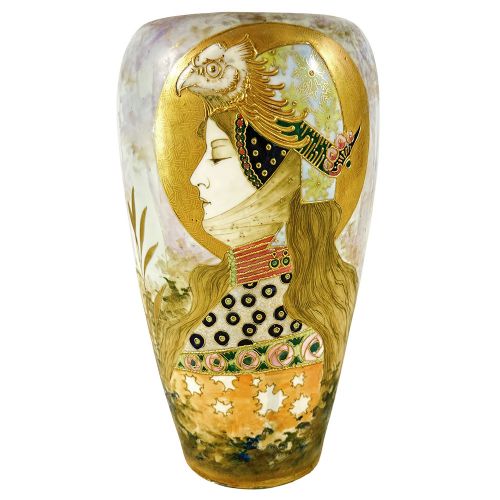
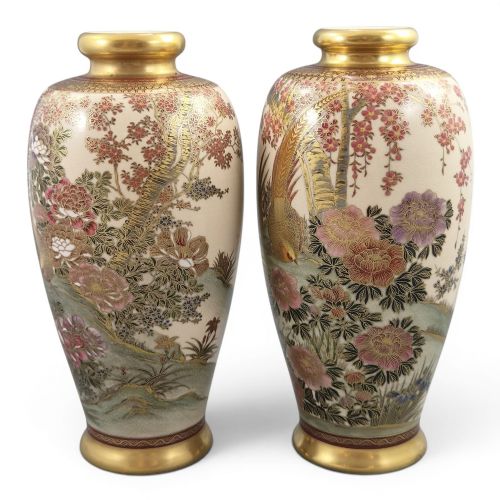
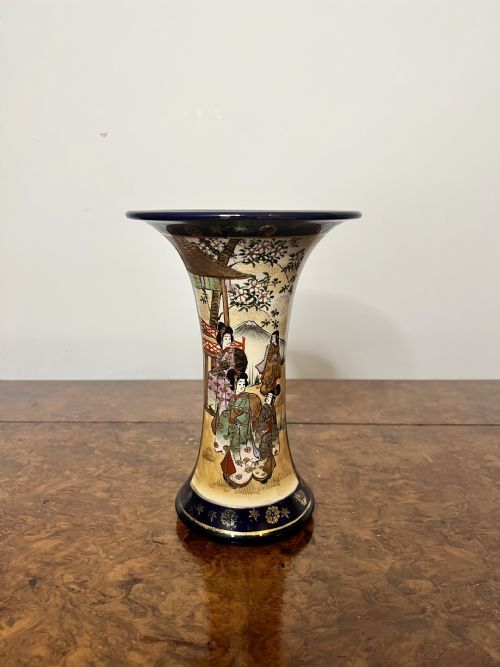
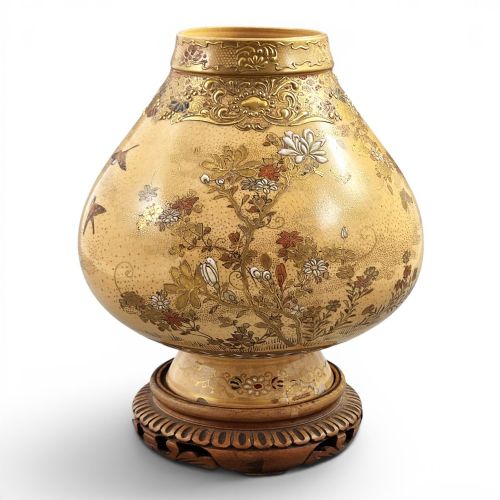
A cream ceramic pottery vase encompasses diverse historical vessels, most frequently seen here in late nineteenth and early twentieth-century Japanese Satsuma wares alongside European earthenware and stoneware.
Buyers encounter distinct regional forms such as baluster vases, ewers, and bottle vases decorated with landscapes, figures, or delicate floral motifs.
The selection spans periods from the Victorian and Edwardian eras through the Meiji and Taisho periods, reflecting varied international aesthetic movements.
Materials and construction
These items utilise earthenware, ceramic, and stoneware bodies shaped into traditional vessels and fired before receiving glazes.
Surface decoration frequently incorporates enamel, gold leaf, and gilt details applied by hand over crackle or smooth white glazes.
Materials recorded across the inventory include earthenware, enamel, gold leaf, and ceramic.
Assessing craftsmanship
Quality rests in the precision of the hand-painted details, particularly in the miniature figures, facial expressions, and intricate gilded borders found on Satsuma and European studio pieces.
The refinement of the ceramic body and the stability of the glaze application distinguish standard production wares from exhibition-quality workshop pieces.
Maruni Kobe·Shozan·Cantagalli Florence·Moorcroft McIntyre·Reissner Stellmacher and Kessel·Manpei·Kinkōzan·Tunnicliffe·Amphora·Ryōsai·Robert T Lallement·Chosei·Seiko-en Chokei·Hakusan·Tagawa·Hododa·Tashiro·P. Ipsens Enke·Doulton Burslem
The Cream Ceramic Pottery Vase Glossary
- Satsuma
- A type of Japanese earthenware featuring an ivory-coloured, crackled glaze that provides a canvas for elaborate enamel and gilt decoration.
- Baluster
- A vase form characterised by a bulbous lower portion that tapers towards a narrow neck, resembling an architectural baluster.
- Ewer
- A large jug with a shaped spout and handle, originally designed for holding water but frequently produced as a decorative ceramic vase.
- Majolica
- A type of earthenware coated with an opaque white tin glaze and painted with brightly coloured metal oxide pigments.
Cream Ceramic Pottery Vase: Frequently Asked Questions
How do I clean a vintage ceramic vase?
Dust the surface gently with a soft, dry brush to protect delicate gilt and enamel details from moisture damage.
Avoid submerging antique earthenware in water, especially pieces with a crackled glaze that can absorb liquids and stain.
What is the difference between earthenware and stoneware?
Earthenware is fired at lower temperatures and remains porous unless sealed with an opaque or crackled glaze.
Stoneware undergoes higher firing temperatures, resulting in a denser, non-porous body that resists liquid absorption without glazing.
How can I date an antique Japanese vase?
Examine the base for artist signatures, workshop stamps, or regional marks that link the piece to specific historical periods like the Meiji era.
Style, painting technique, and the type of craquelure in the glaze also offer strong clues to the decade of manufacture.
Where should I display a delicate ceramic vase?
Position the vessel away from direct sunlight and areas prone to sudden temperature fluctuations to preserve fragile enamel pigments.
Select a stable surface where the vase will not risk being knocked over, as antique ceramic bodies can be vulnerable to impact.