


Cream Ceramic Bowl
When you search for a cream ceramic bowl, you step into centuries of earthenware, creamware, and glazed pottery designed for the table and dairy.
Cream Ceramic Bowl
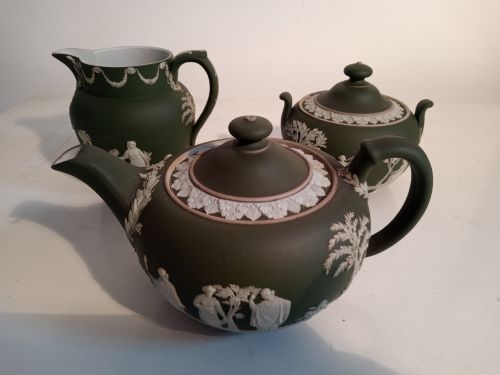
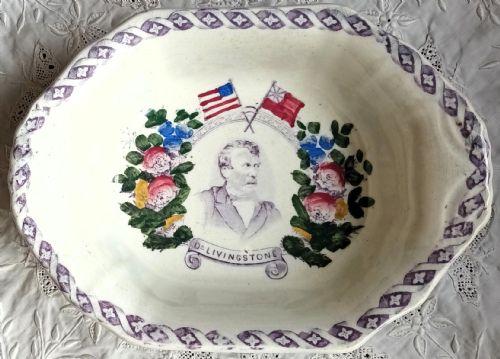
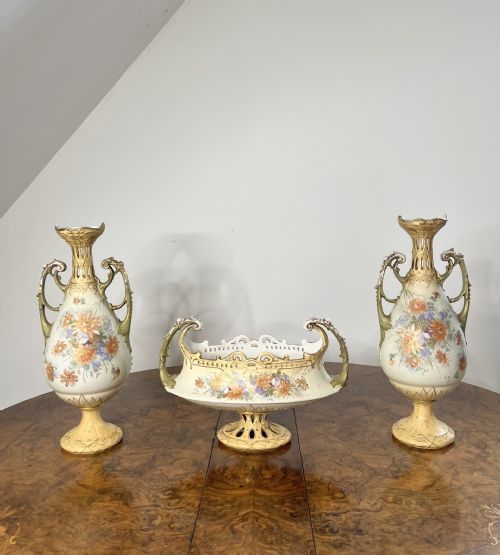
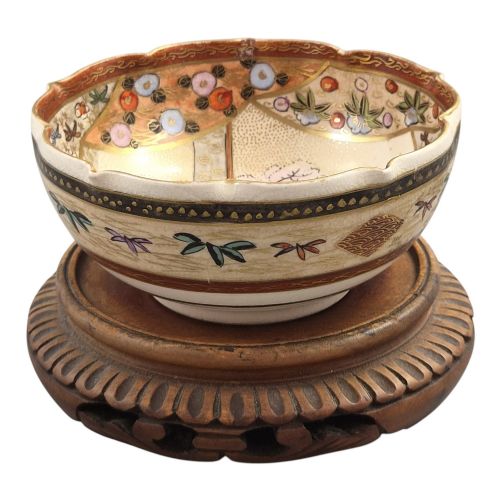
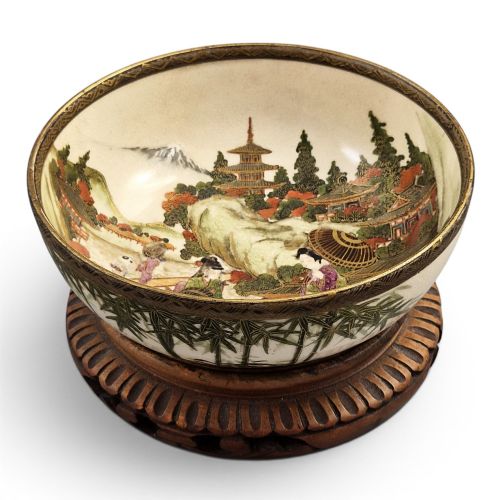
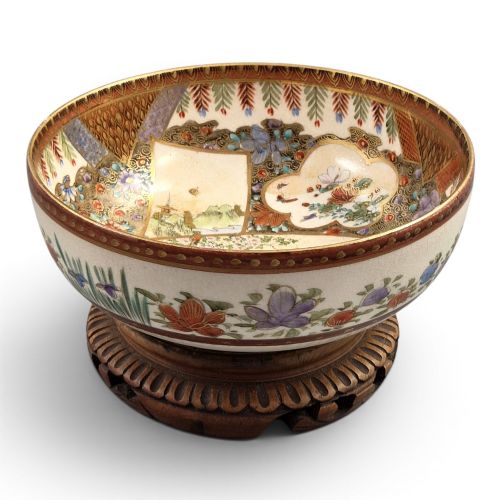
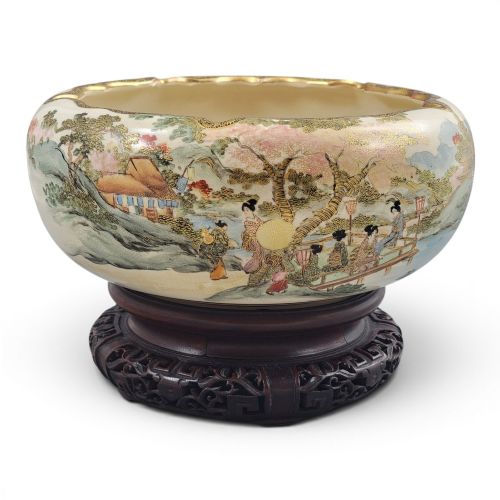
A cream ceramic bowl encompasses a diverse group of domestic and decorative vessels ranging from eighteenth-century creamware pudding bowls to nineteenth-century dairy and serving wares. You will frequently encounter English creamware and earthenware forms alongside Japanese Satsuma bowls when exploring this selection.
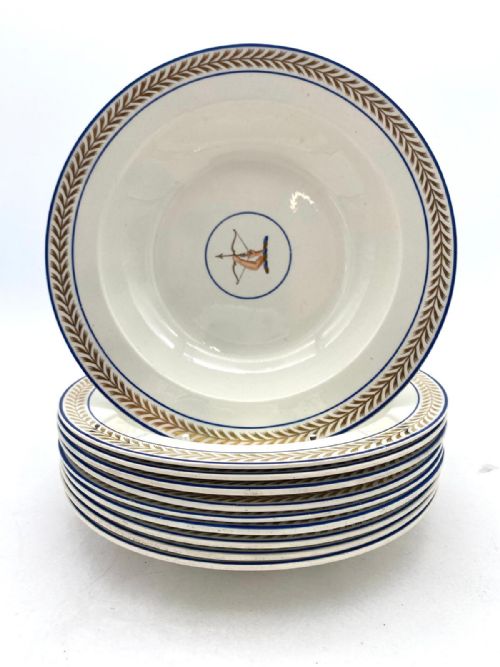
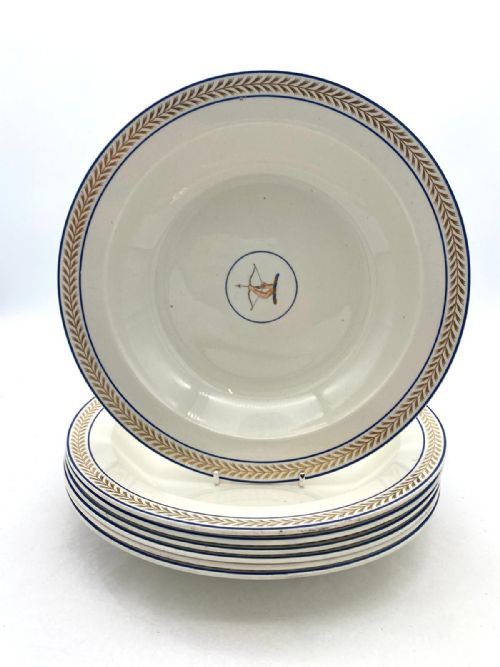
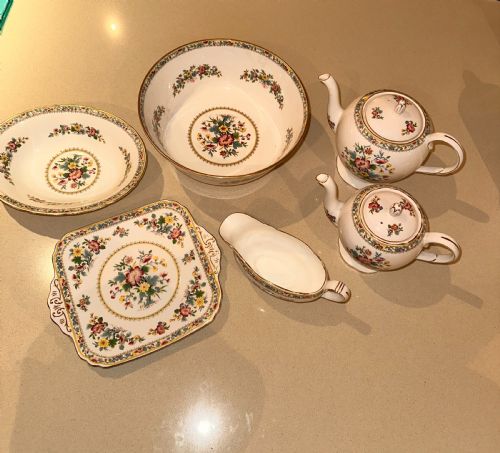
The objects span utilitarian dairy vessels and fine dining services, incorporating pudding bowls, soup bowls, and large centrepieces alongside delicate decorative items. Pieces date from pre-sixteenth century Persian lustre pottery up through Victorian and Edwardian domestic ceramics.
Materials and Construction
Potters utilised earthenware, stoneware, and porcelain bodies, often finishing the pieces with lead or tin glazes, slip painting, and enamel decoration. Gilding, gold leaf, and crackle glazes appear across various periods to enhance the visual texture of the ceramic surface.
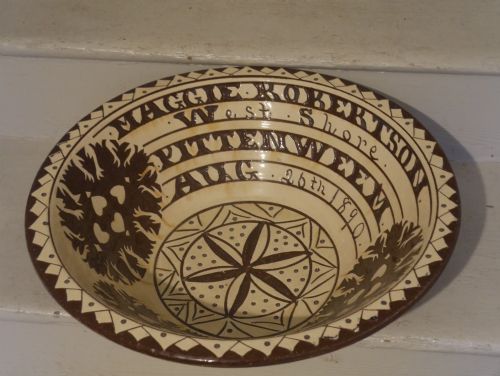
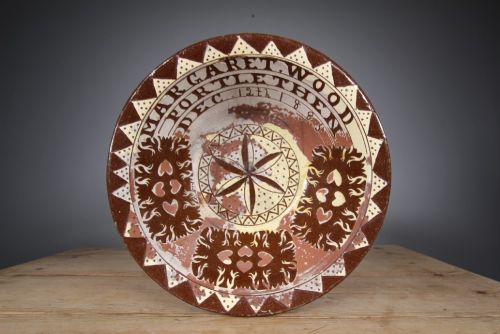
Techniques range from basic slipware and terracotta throwing to intricate hand-painted Japanese Satsuma decoration and transfer-printed armorial designs. The interaction between the clay body and the fired glaze defines the tactile quality of each vessel.
One unexpected apothecary offering pairs a ceramic mortar with a sturdy beech pestle for historical grinding.
Judging Quality and Execution
Quality rests upon the crispness of the moulding, the evenness of the glaze application, and the skill evident in hand-painted or transfer-printed details. Finer examples display meticulous control during the firing process, resulting in stable glazes and balanced forms.
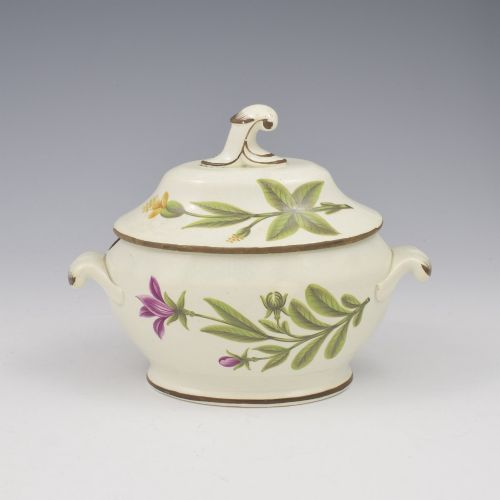
The distinction between standard utility items and masterwork pieces often shows in the complexity of the decorative scheme, such as detailed armorial crests or intricate botanical painting. Maker attribution and signed artist marks further elevate the standing of individual pieces.
Seaton Pottery·Wedgwood·Mann Co·Mintons·Doulton Lambeth·Copeland·Royal Dux·Bursley Ware
The Cream Ceramic Bowl Glossary
- Creamware
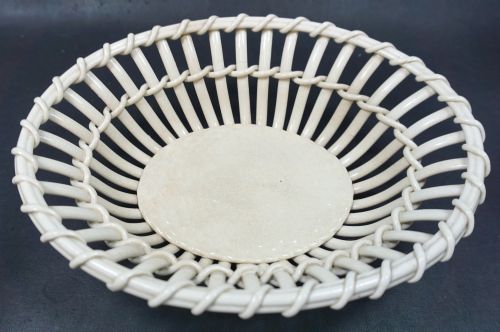
- A fine light-coloured earthenware developed in England during the eighteenth century. It replaced heavier salt-glazed stonewares for table service.
- Slipware
- Pottery decorated with a suspension of clay in water applied before firing. This technique creates contrasting patterns beneath a transparent glaze.
- Satsuma
- Japanese pottery originating from Satsuma province, typically characterised by a crackled ivory glaze and elaborate polychrome and gilt decoration.
- Pearlware
- An refined earthenware developed by Josiah Wedgwood featuring a bluish-white glaze that imitated Chinese export porcelain.
- Majolica
- Low-fired earthenware covered with an opaque tin-glaze and painted with metallic oxide colours. It gained widespread popularity during the Victorian era.
Cream Ceramic Bowl: Frequently Asked Questions
What is the difference between creamware and standard earthenware?
Creamware is a refined, lighter type of cream-coloured earthenware perfected in England during the eighteenth century. It uses superior refined clays to achieve a thin, elegant wall suitable for formal dining.
Standard earthenware often refers to heavier utilitarian pieces, such as dairy bowls and chamber pots, which prioritize robust durability over refined thinness.
How do I care for antique cream ceramic bowls?
Wash antique ceramics gently by hand using lukewarm water and mild soap. Avoid soaking pieces with crazed glazes or delicate overglaze enamel decorations to prevent moisture absorption.
Keep them away from direct sunlight and sudden temperature changes to protect the historic glaze surfaces from stress.
Are these bowls safe for serving food?
Many historical bowls were designed for functional domestic use, but older glazes can contain lead or other materials. It is generally advisable to treat antique ceramics as display or decorative items rather than daily tableware.
If you do use them for food, avoid acidic items that might interact with older glazes.
How can I tell a Japanese Satsuma bowl from European ceramics?
Japanese Satsuma bowls are typically distinguished by their characteristic ivory-coloured earthenware body covered in a fine network of crackled glaze. They frequently feature dense hand-painted enamel scenes augmented with raised gold detailing.
European creamware and majolica rely on different clay bodies and glazing traditions, lacking the specific crackle aesthetic typical of Satsuma ware.