
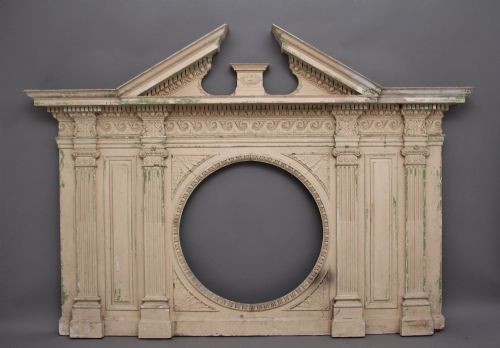



Cream Carved Frame Painting
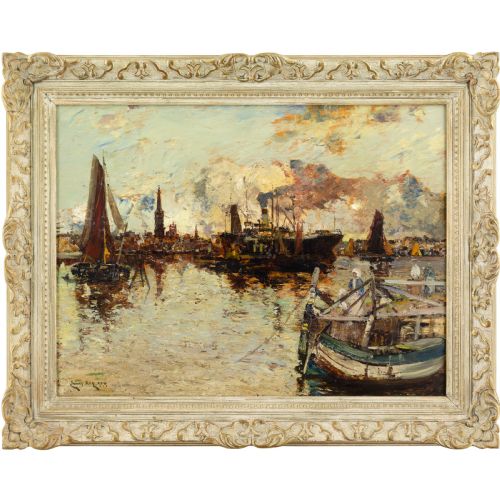
A cream carved frame painting brings together delicate woodwork and oil on canvas, offering collectors a striking focal point with distinct period character.
Cream Carved Frame Painting
When searching for a cream carved frame painting, buyers encounter works spanning from the eighteenth century through to the early decades of the twentieth century. These pieces combine hand-painted surfaces and sculpted wooden surrounds, often reflecting French chateau, Louis XVI, and neoclassical design influences alongside post-impressionist or traditional oil works.
Materials and construction techniques
Makers shaped these frames primarily from solid wood, applying layers of gesso to build up intricate scrollwork, classical columns, or floral motifs before painting them in cream tones or applying gold leaf highlights. This method created durable structures capable of supporting heavy glass plates or holding detailed oil paintings.
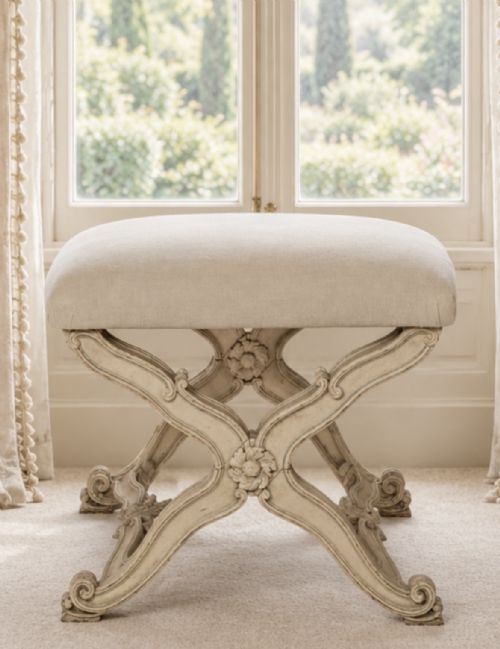
Surfaces often received decorative hand-painting or over-painting, sometimes combined with distressing techniques to accentuate the carved details. Caning, fabric upholstery, and panel construction appear frequently alongside traditional joinery across beds, mirrors, and seating.
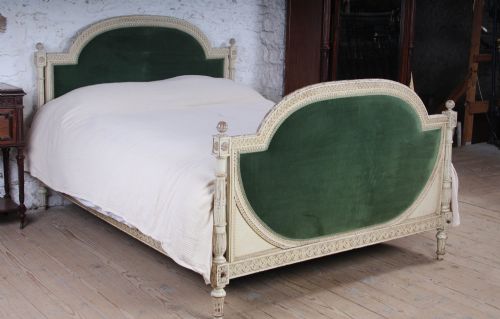
Several beds on display embrace the French corbeille shape, wrapping sleepers in curved, painted wooden embraces.
Defining quality in carved frames and paintings
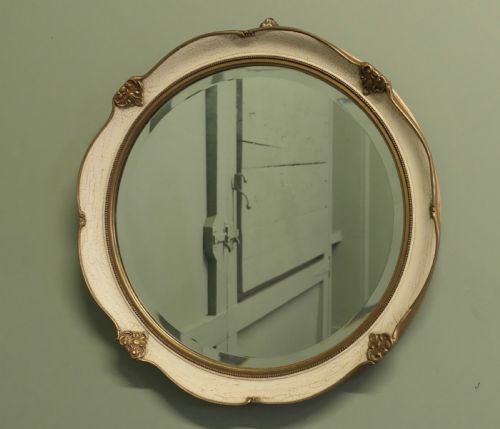
Quality rests in the crispness of the hand-carving and the depth of the gesso application, where finer examples display sharp relief work rather than soft, moulded contours. The integration between the artwork or mirror glass and its surround also dictates value, as original matching frames hold superior integrity.
The subtlety of the cream paint finish and any original gilding matter greatly, with layered patination outperforming flat, modern repainting. Structural stability in the underlying wooden frame ensures that large overmantels and heavy furniture pieces endure without twisting.
Miles & Edwards·Paul-Élie Gernez·James Kay RSW
The Cream Carved Frame Painting Glossary
- Gesso
- A plaster-like mixture applied to wood frames to create a smooth surface for carving and gilding. Artisans built up multiple layers before incising fine decorative details.
- Overmantel Mirror
- A large mirror designed to hang directly above a fireplace mantel. These pieces frequently feature elaborate carved wooden frames and painted finishes.
- Trumeau Mirror
- A decorative wall mirror combined with an oil painting or panel within a single framed structure. They originated in eighteenth-century interior design.
- Corbeille Bed
- A French bed style featuring an enclosed, curved upholstered or carved wooden headboard and footboard resembling a basket. They often appear with painted cream finishes.
- Pointillism
- A painting technique using small, distinct dots of pure colour applied in patterns to form an image. This style appears in early twentieth-century canvas works.
Cream Carved Frame Painting: Frequently Asked Questions
How do I date a painted wooden frame?
Examine the underlying wood type, the composition of the gesso layer, and the nature of the paint finish. Older pieces often show hand-tool marks and natural crazing in the paint layers.
Style indicators such as neoclassical motifs or Victorian proportions also help place the object within its correct century.
Where should I hang an overmantel mirror?
These large mirrors traditionally anchor the wall space directly above a fireplace, reflecting light and expanding the room. They also work effectively on main living room walls as standalone statement pieces.
Ensure the wall fixings match the substantial weight of the carved wood and glass.
How do I care for antique painted wood?
Dust the carved surfaces regularly with a soft, dry cloth to prevent dirt accumulation in the recessed details. Avoid using liquid cleaners or harsh chemicals that can soften or strip the aged paint.
Maintain stable room humidity to protect the underlying timber and prevent the gesso from cracking.
What defines Louis XVI style framing?
This style draws inspiration from classical antiquity, featuring straight lines, symmetrical proportions, and restrained decorative elements like beading and acanthus leaves. Frames are frequently painted in cream or pale grey rather than heavily gilded.
Such designs offer a formal yet elegant appearance suited to classical and modern interiors alike.