


Cranberry Shade Lamp
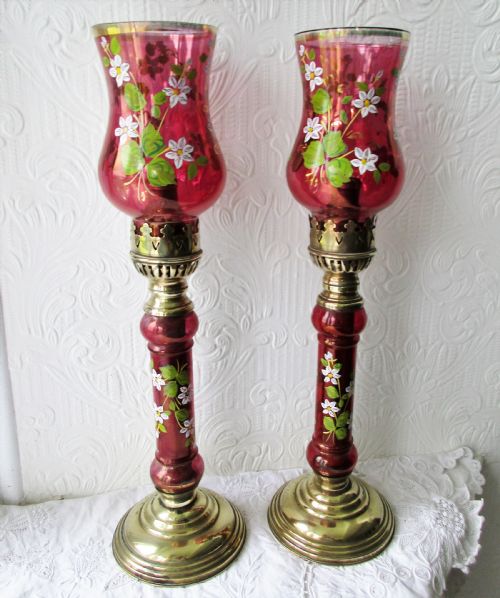
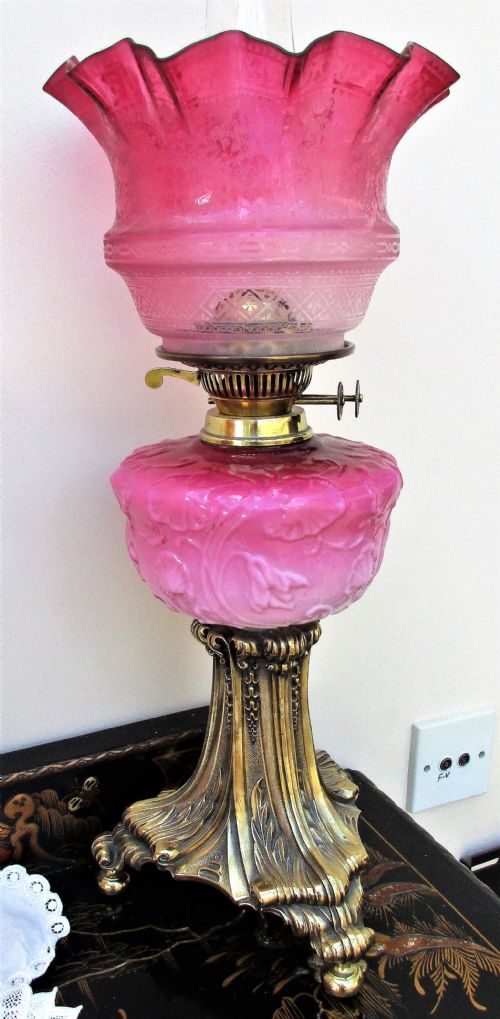
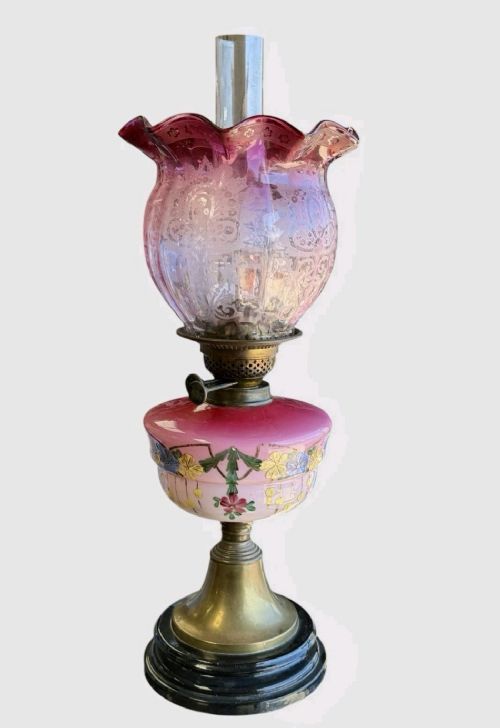
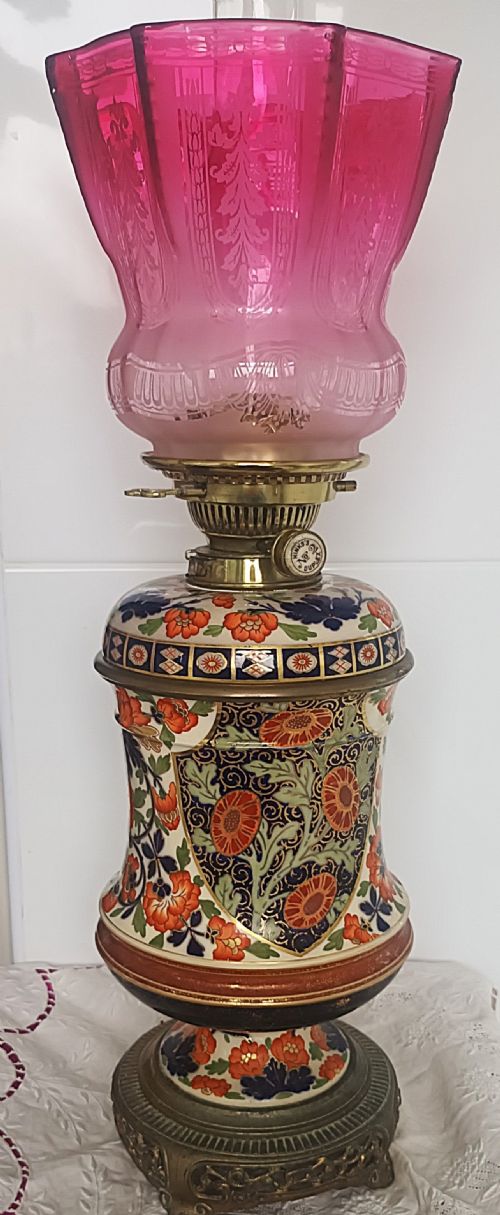
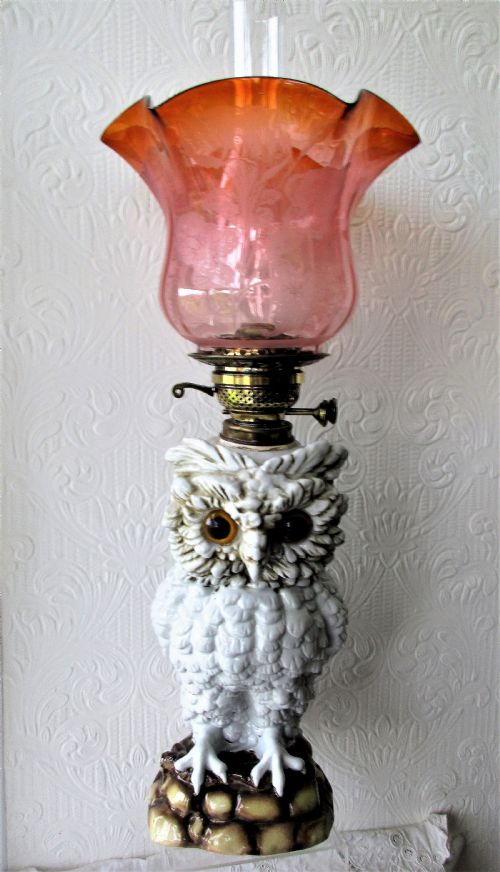
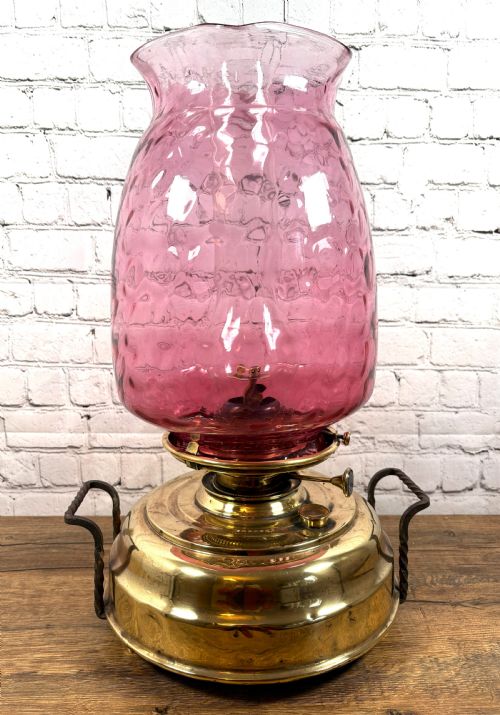
A cranberry shade lamp brings a rich, warm glow to a room through deep pink glass paired with heavy brass or ceramic bases.
Cranberry Shade Lamp
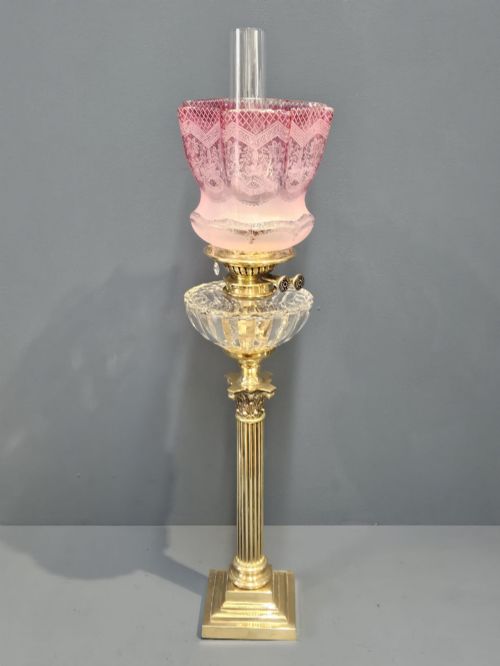
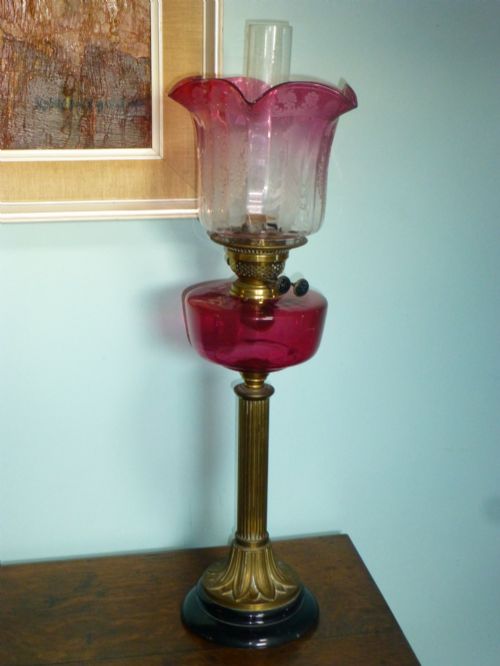
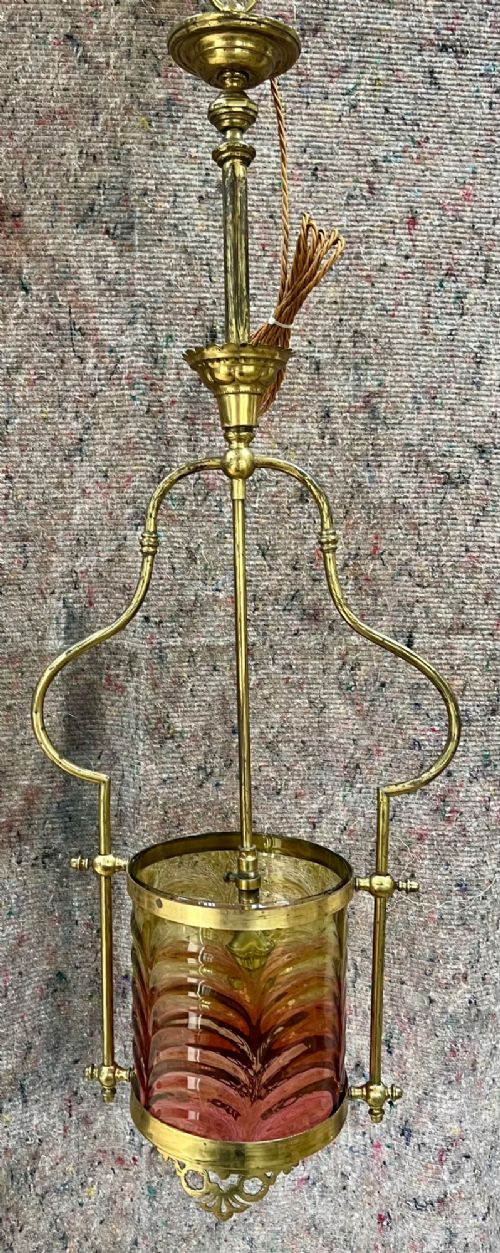
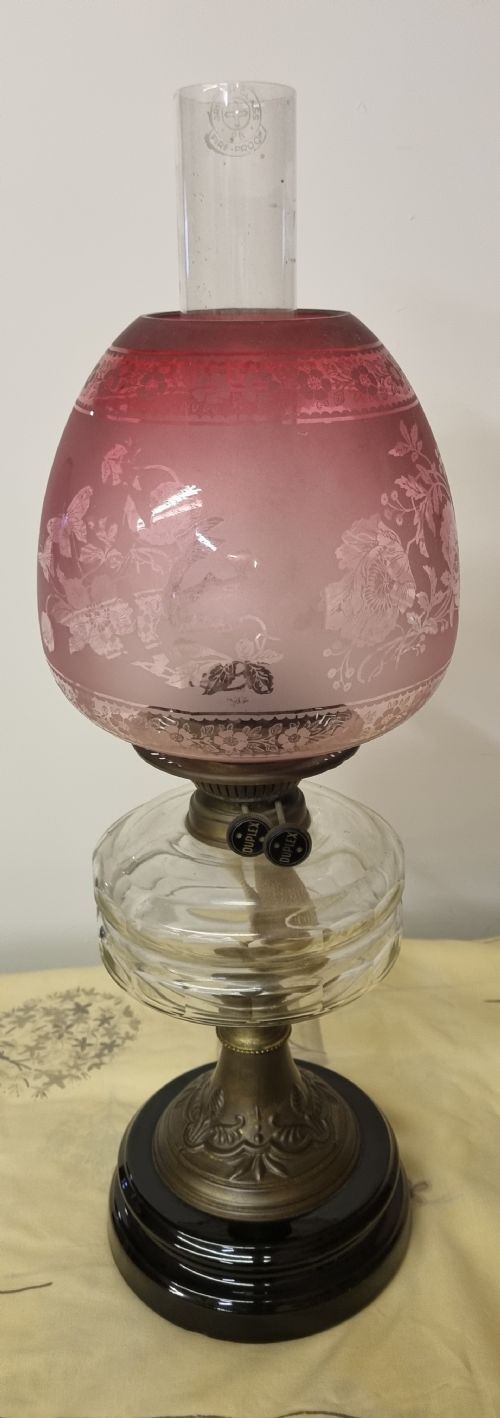
When searching for a cranberry shade lamp, buyers encounter a diverse selection of lighting forms spanning the nineteenth and early twentieth centuries. The primary focus rests on oil lamps, table lamps, and hanging ceiling lights dating from the Victorian and Edwardian periods.
These pieces typically combine a brass, bronze, or ceramic column with a distinctive cranberry glass shade. Formats range from tall floor-standing models and desk lamps to elaborate duplex oil lamps and hanging pendants.
How They Were Made
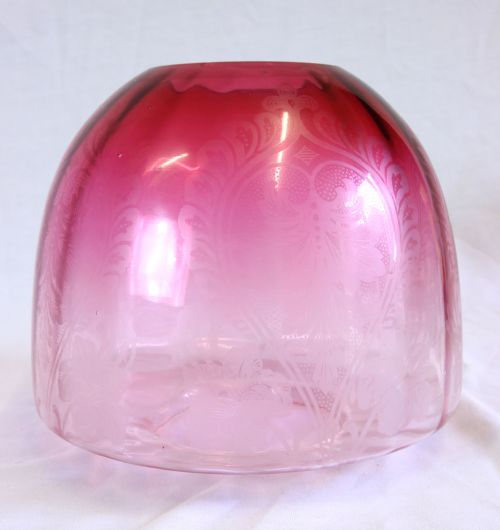
Makers utilised rich cranberry glass for shades and fonts, often shaping the glass through hand-blowing, etching, or crimping to create textured patterns. This vibrant glass was then mounted onto cast brass, copper, silver-plated metal, or porcelain structures.
Structural components frequently incorporated classical architectural details such as Corinthian columns, reeded stems, and adjustable metal stands designed for duplex burners or gas fittings.
Some Victorian oil lamps even doubled as heatable pulpit warmers for chilly nineteenth-century church services.
What Varies in Quality
The standard of craftsmanship is evident in the weight of the metal base, the complexity of the glass etching, and the presence of maker-marked components. Heavy brass castings and finely hand-painted fonts indicate superior manufacture compared to lighter, unadorned production pieces.
Completeness also dictates value, with original matching shades, intact burners, and period-correct glass chimneys representing the finest examples surviving from the period.
Hinks·Taylor Tunnicliff·Sitzendorf·Benson·Doulton Lambeth
The Cranberry Shade Lamp Glossary
- Cranberry Glass
- A rich red-pink transparent glass coloured with gold chloride during the manufacturing process. This striking material forms the characteristic shades found on Victorian and Edwardian lighting.
- Duplex Burner
- A twin-wick burner mechanism popular on late nineteenth-century oil lamps. It provided a significantly brighter illumination than single-wick alternatives.
- Font
- The oil reservoir of a lamp, often shaped from cranberry glass, porcelain, or brass. It sits atop the column and supports the burner and shade above.
- Corinthian Column
- A classical architectural column style frequently utilised for the stems of Victorian table and floor lamps. These brass pillars add formal elegance to the lighting design.
- Acid Etched
- A decoration technique using acid to eat away areas of the glass surface to create frosted or patterned designs. This method produced intricate floral and geometric motifs on lamp shades.
Cranberry Shade Lamp: Frequently Asked Questions
How do I identify a Victorian cranberry shade lamp?
Victorian examples generally feature heavy brass or ceramic columns, often styled as Corinthian columns or reeded pillars, paired with hand-blown or etched cranberry glass shades. They frequently incorporate oil or gas burner mechanisms from the nineteenth century.
Closer inspection reveals hand-finished details on the metalwork and rich, deep coloration in the glass itself, distinguishing them from later twentieth-century reproductions.
Were these lamps originally for oil or gas?
Many surviving pieces were originally designed as oil lamps utilising single or duplex burners, while others served as gas ceiling lights or fitted candle lamps. The presence of burners, fonts, and heavy metal reservoirs usually indicates an oil-burning origin.
Most pieces found today have been safely adapted for modern electrical use while retaining their original period shades and structural mountings.
How do I care for the glass shade?
Cleaning cranberry glass requires gentle handling with lukewarm water and a mild detergent to preserve the surface finish and any delicate etched or hand-painted details. Avoid harsh chemical cleaners that might damage the antique glass.
When removing the shade for cleaning, ensure the lamp is fully cooled and support the heavy glass firmly to prevent chipping the fitter rim.
Can these lamps be used safely in modern homes?
These lamps integrate well into contemporary interiors as statement table lamps, desk lighting, or hanging pendants. Their warm pink glass diffuses a soft, ambient light suited to living rooms and studies.
Many examples have been professionally rewired and tested to meet modern electrical safety standards while preserving their antique character.